
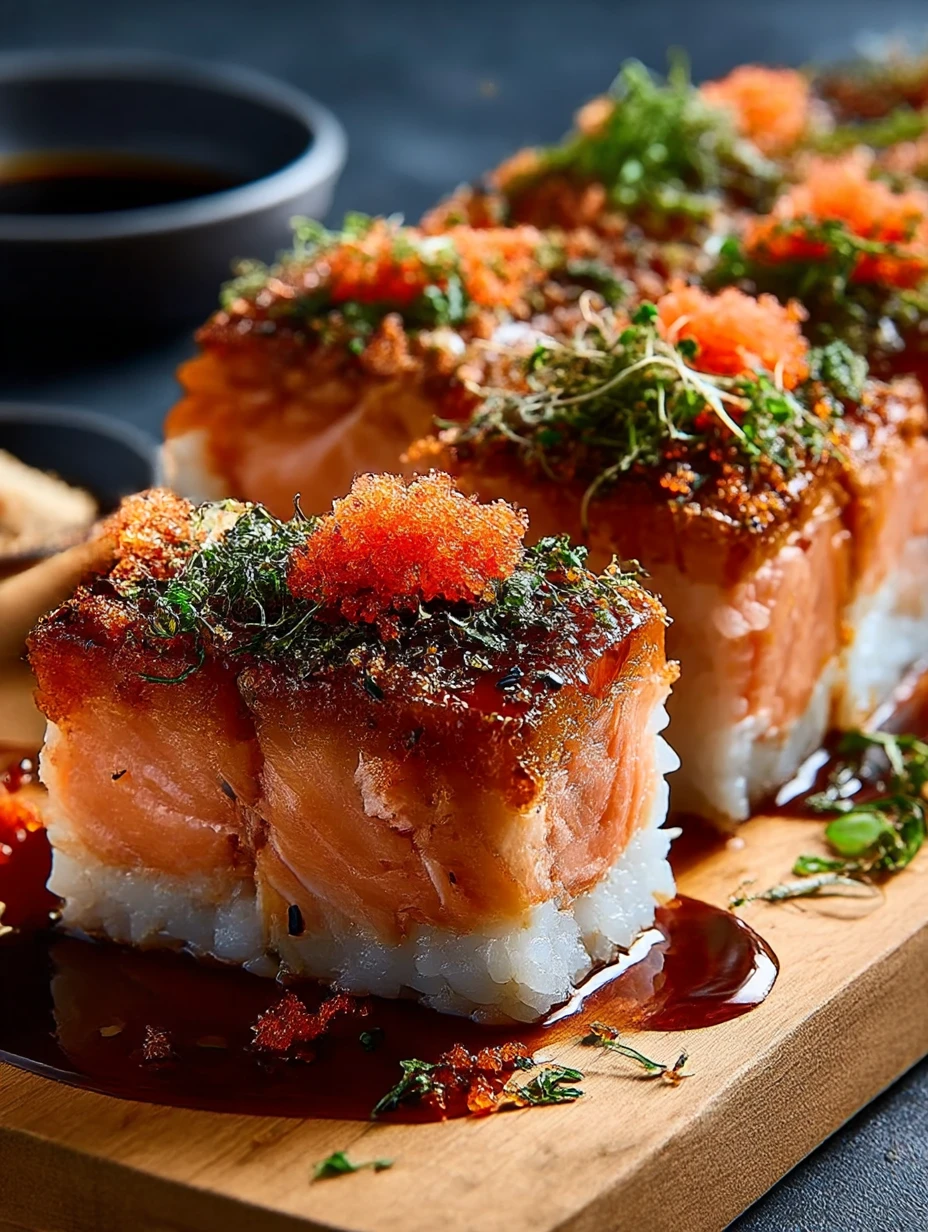
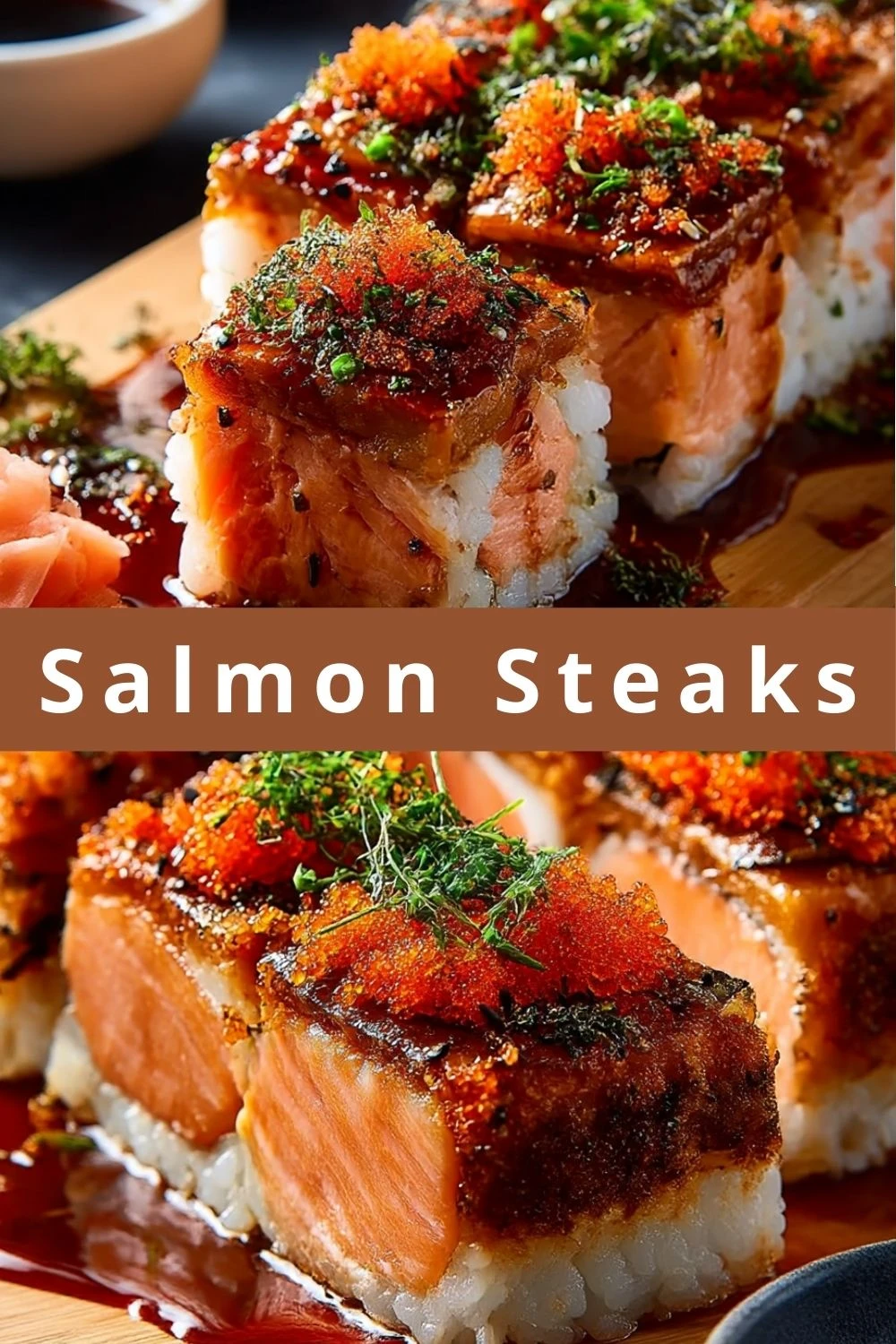
Salmon Steaks
Unlock the secret to perfectly tender and flavorful salmon steaks with this quick and easy recipe. Featuring a vibrant lemon-soy glaze, this dish promises a delightful balance of savory, sweet, and tangy notes that will impress with minimal effort. It's an ideal choice for a weeknight dinner that feels gourmet.
Prep Time
10 minutes
Cook Time
10 minutes
Total Time
20 minutes
Servings
2 servings
Keywords
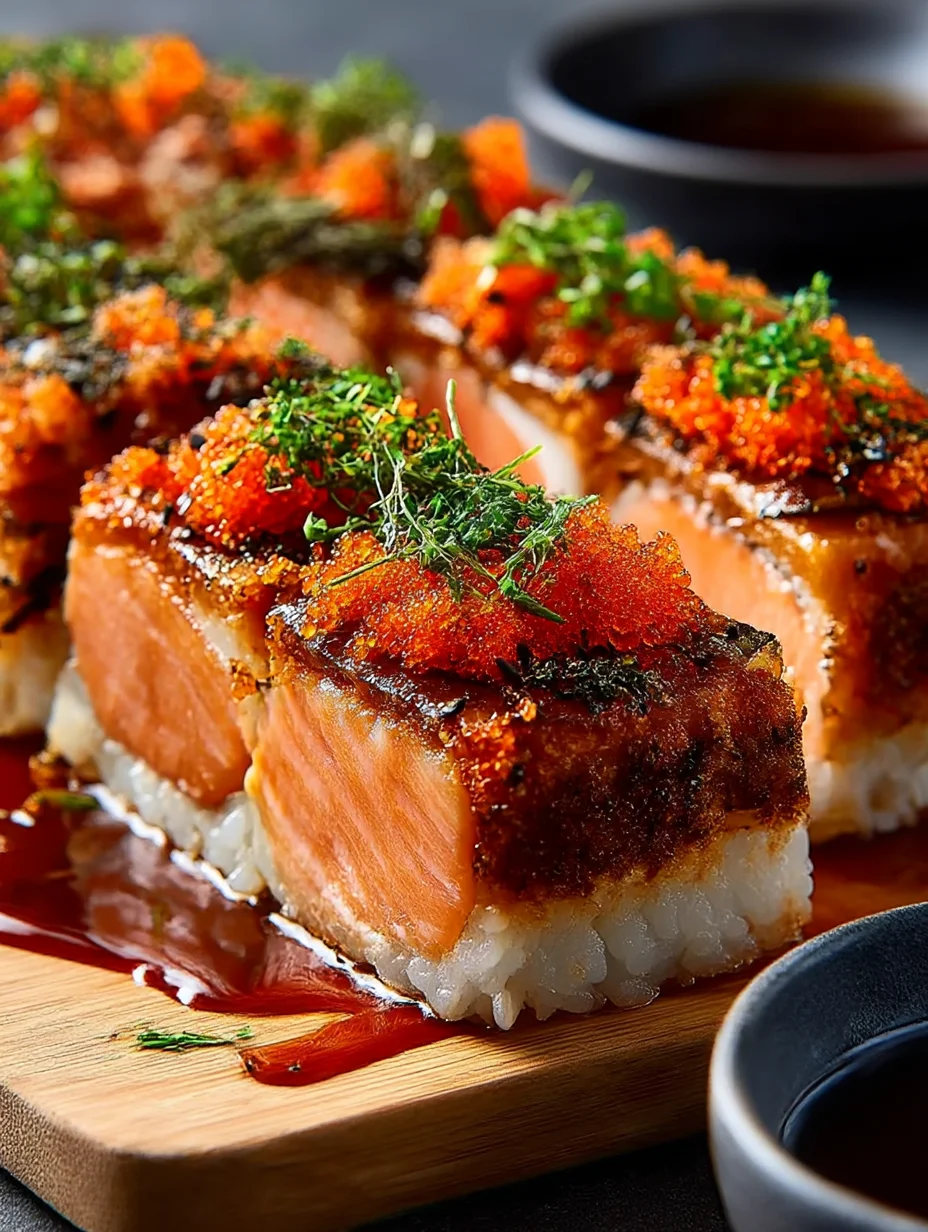
Why This Recipe Delivers
- Quick and effortless: Ready in just 20 minutes from start to finish.
- Bursting with flavor: The sweet, savory, and tangy glaze elevates simple salmon.
- Healthy and nutritious: A great source of Omega-3 fatty acids and lean protein.
- Versatile serving: Pairs wonderfully with roasted vegetables, rice, or a fresh salad.
Ingredients
- 450 grams (approx. 1 lb) salmon steaks, skin-on or off
- 30 grams (1/4 cup) light brown sugar
- 60 ml (1/4 cup) olive oil
- 45 ml (3 tablespoons) soy sauce
- 30 ml (2 tablespoons) fresh lemon juice
- 30 ml (2 tablespoons) dry white wine
Instructions
- In a medium-sized bowl, combine the olive oil, soy sauce, light brown sugar, dry white wine, and fresh lemon juice. Whisk diligently until the brown sugar is completely dissolved, ensuring a smooth and cohesive glaze. This step is crucial for the marinade to evenly coat the salmon and prevent any grainy texture from undissolved sugar.
- Carefully place the salmon steaks into a silicone loaf tin or a similarly sized baking dish lined with parchment paper. Pour the prepared lemon-soy glaze evenly over the salmon, ensuring each steak is well coated. Preheat your oven to 200°C (390°F) before placing the tin inside.
- Bake the salmon for a total of 10 minutes. During the cooking process, gently turn the salmon steaks two or three times. This turning ensures that the glaze caramelizes evenly on all sides and helps the fish cook through uniformly, resulting in a beautifully tender and flaky texture. Cook until the salmon is opaque throughout and flakes easily with a fork.
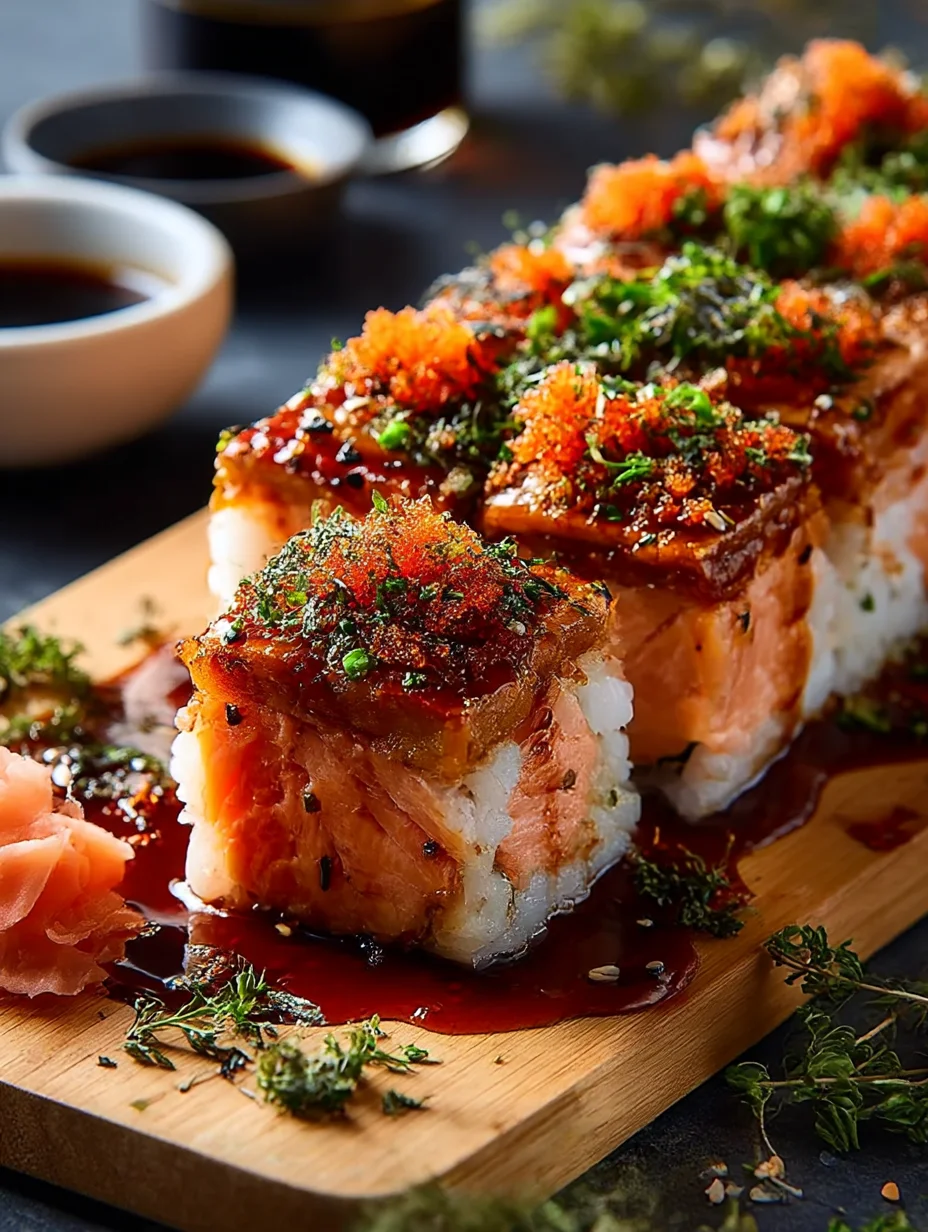
Tools You’ll Need
- Medium mixing bowl
- Whisk
- Silicone loaf tin or baking dish
- Oven
Essential Success Tips
- Do not overcook the salmon; it should be just cooked through and flaky, not dry. A good indicator is when the internal temperature reaches 60°C (145°F).
- Ensure the brown sugar is fully dissolved in the glaze for even caramelization and flavor distribution.
- Use fresh lemon juice for the best flavor; bottled juice often lacks the vibrant acidity.
- Pat the salmon steaks dry with paper towels before glazing to help the sauce adhere better and create a nicer crust.
- Monitor your oven closely as cooking times can vary. Adjust as needed to prevent burning the glaze.
Professional Cooking Secrets
- For an extra layer of flavor and aroma, lightly toast a teaspoon of sesame seeds and sprinkle them over the cooked salmon just before serving.
- If you prefer a thicker glaze, reduce the sauce slightly in a small saucepan over medium heat for a few minutes before adding it to the salmon.
- Consider adding a pinch of grated fresh ginger or a minced garlic clove to the glaze for an aromatic kick that complements the soy and lemon beautifully.
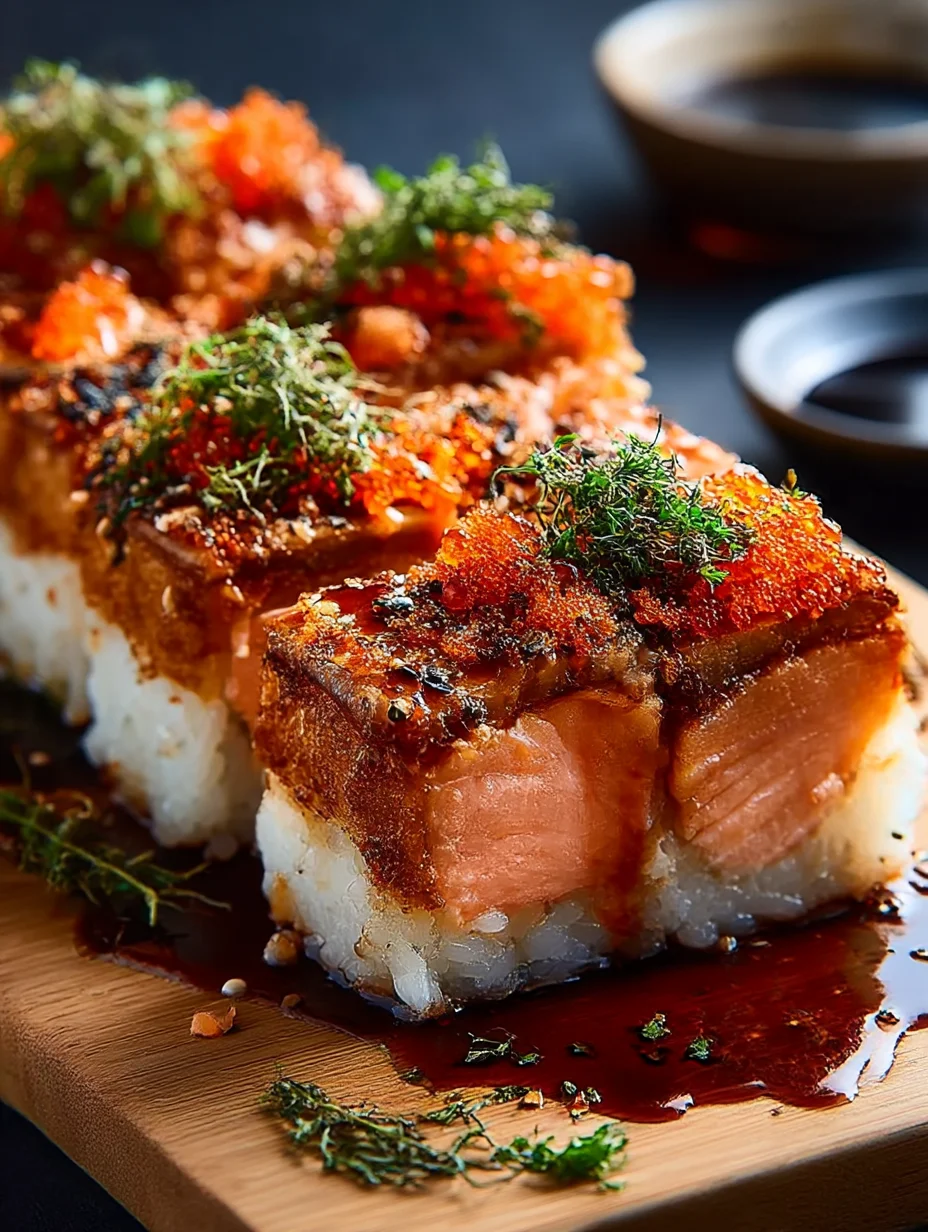
Notes
- Storage: Leftover salmon can be stored in an airtight container in the refrigerator for up to 2-3 days. Reheat gently to avoid drying it out.
- Variations: Experiment with different herbs like fresh dill or parsley sprinkled on top after cooking. For a spicier kick, add a dash of sriracha to the glaze.
- Serving Suggestion: Serve alongside steamed asparagus and quinoa for a complete and balanced meal.
Frequently Asked Questions
Can I use frozen salmon steaks?
Yes, but ensure they are fully thawed in the refrigerator overnight before cooking. Pat them very dry to remove excess moisture.
What kind of dry white wine should I use?
Any dry white wine like Sauvignon Blanc, Pinot Grigio, or even a dry Vermouth will work well. Avoid sweet wines as they will alter the flavor profile of the glaze.
How do I know if my salmon is cooked through?
The salmon should be opaque throughout and easily flake with a fork. If you have a meat thermometer, the internal temperature should reach 60°C (145°F) at its thickest part.
Nutrition Facts (Per Serving)
Calories: 480, Protein: 45g, Fat: 28g, Carbs: 15g (estimates per serving, actual values may vary)
Allergy Information
Contains fish (salmon) and soy (soy sauce). May contain sulfites from white wine. For a gluten-free option, use tamari instead of soy sauce.


No comment