

Greek Beef: An Incredible Ultimate Recipe You’ll Adore
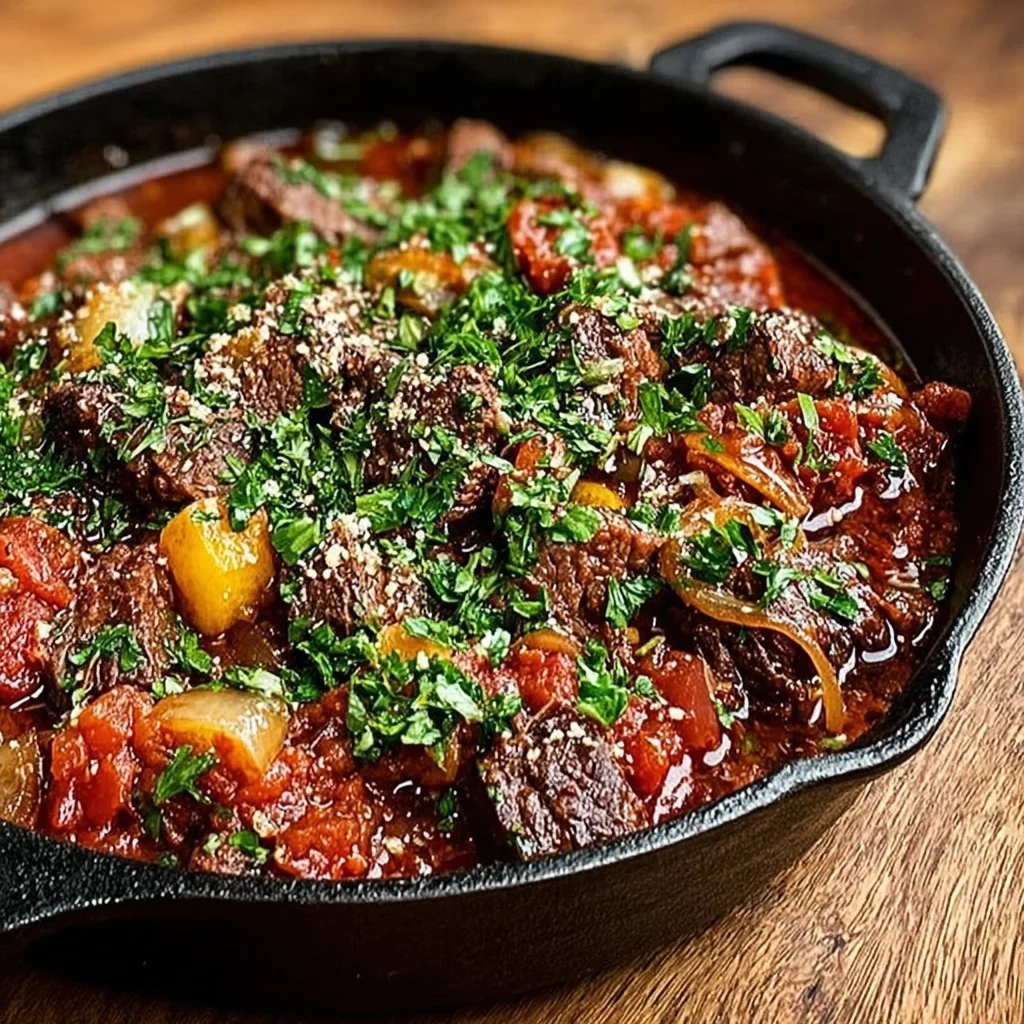
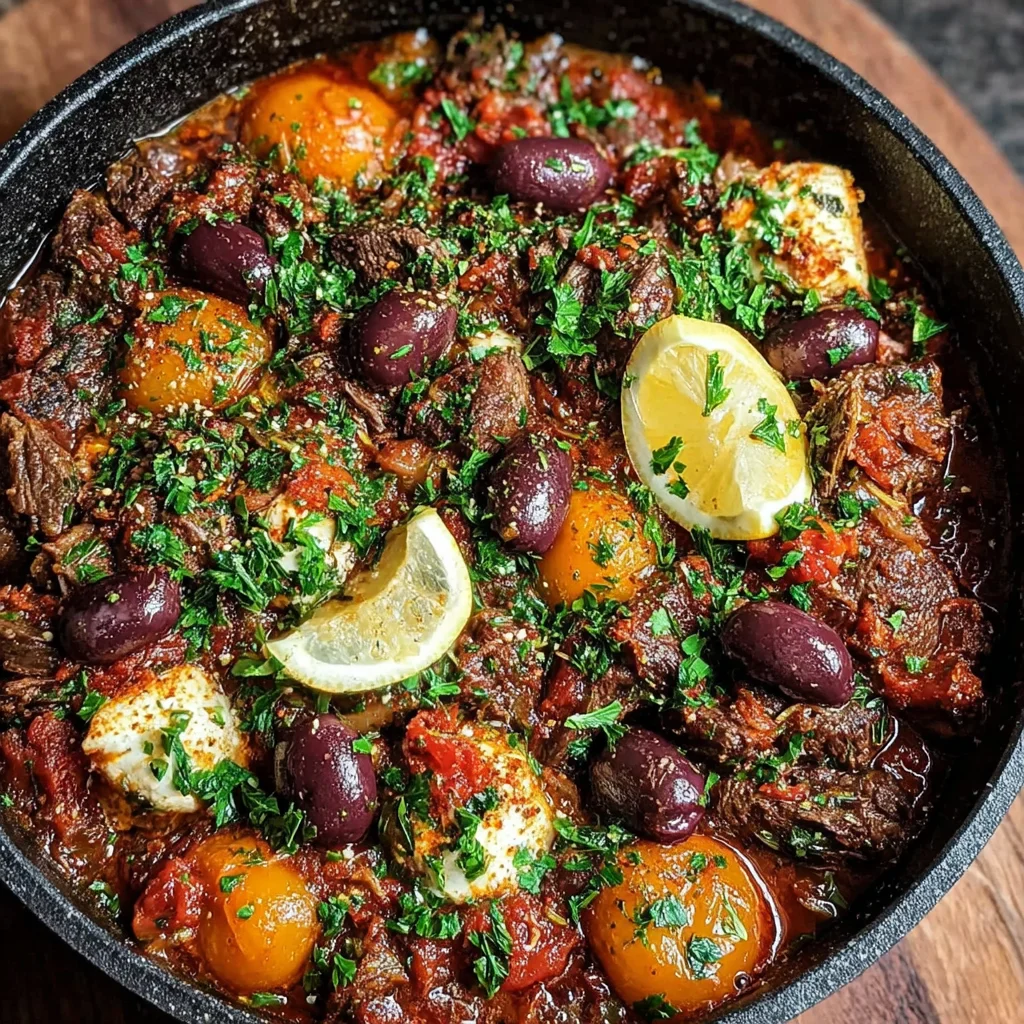
Transport your taste buds to the sun-drenched shores of Greece with this incredible Greek Beef recipe. Tender, slow-simmered beef is infused with aromatic garlic, fragrant oregano, and a bright hint of lemon, creating a deeply savory and incredibly satisfying dish. It's comfort food perfected, offering a taste of the Mediterranean in every succulent bite.
Prep Time
20 minutes (plus marinating time)
Cook Time
45-50 minutes
Total Time
1 hour 5 minutes (plus marinating time)
Servings
4-6 servings
Keywords
Why This Recipe Delivers
- Incredibly tender beef, slow-simmered to perfection.
- Packed with authentic Mediterranean flavors from oregano and fresh lemon.
- A comforting and hearty meal that satisfies the soul.
- Relatively simple preparation for such a flavorful dish.
- Versatile and pairs wonderfully with a variety of sides.
Ingredients
- 900 grams (2 lbs) beef (stew meat or sirloin), cut into 2.5 cm (1-inch) cubes
- 45 ml (3 tablespoons) olive oil, divided
- 4 cloves garlic, minced
- 10 ml (2 teaspoons) dried oregano
- 15 ml (1 tablespoon) fresh lemon juice
- 5 ml (1 teaspoon) paprika
- 5 ml (1 teaspoon) salt
- 2.5 ml (1/2 teaspoon) black pepper
- 240 ml (1 cup) beef broth
- 1 large onion, chopped
- 1 large bell pepper (any color), diced
- Fresh parsley, chopped, for garnish
- Lemon wedges, for serving
Instructions
- Marinate the Beef: In a large bowl, combine the beef cubes with 30 ml (2 tablespoons) of the olive oil, minced garlic, dried oregano, fresh lemon juice, paprika, salt, and black pepper. Toss thoroughly to ensure all pieces of beef are well-coated. Allow the beef to marinate for a minimum of 15 minutes at room temperature, or for deeper flavor development, cover and refrigerate for up to 2 hours. This initial marination is crucial for the flavors to deeply penetrate the meat, ensuring tenderness and a robust taste.
- Prepare the Vegetables: While the beef marinates, take this opportunity to prepare your aromatics and vegetables. Chop the onion into a medium dice and dice the bell pepper into similar-sized pieces. Having everything ready before you start cooking ensures a smooth process.
- Sauté Vegetables: In a large, heavy-bottomed skillet or Dutch oven, heat the remaining 15 ml (1 tablespoon) of olive oil over medium heat. Add the chopped onion and diced bell pepper to the hot oil. Sauté gently, stirring occasionally, until the vegetables soften and become translucent, which typically takes about 5 to 7 minutes. This step sweetens the vegetables and builds the foundational flavor of the dish. Remove the softened vegetables from the skillet and set them aside in a bowl.
- Brown the Beef: Increase the heat in the same skillet to medium-high. Add the marinated beef in a single layer, ensuring not to overcrowd the pan, as this would steam the meat instead of browning it. If necessary, brown the beef in batches to ensure a good, even sear on all sides. Cook for 5 to 8 minutes, turning occasionally, until it is deeply browned. Browning the beef creates a rich, complex flavor known as 'fond' at the bottom of the pan, which is essential for the sauce.
- Add Broth and Return Vegetables: Once the beef is beautifully browned, pour in the 240 ml (1 cup) of beef broth. Immediately use a wooden spoon or spatula to gently scrape the bottom of the skillet, loosening and incorporating any flavorful browned bits (fond) from the pan. This process, known as deglazing, adds incredible depth and richness to the sauce. Return the previously sautéed onions and bell peppers to the skillet with the beef and broth.
- Simmer to Tenderness: Bring the mixture to a gentle simmer. Once simmering, reduce the heat to low, cover the skillet tightly, and let it cook for approximately 30 minutes. This slow, moist heat allows the beef to become incredibly tender and melt-in-your-mouth soft, while all the Greek-inspired flavors meld beautifully into a cohesive sauce.
- Adjust Seasoning: After 30 minutes, check the beef for tenderness. It should be easily pierced with a fork. Taste the sauce and adjust the seasoning as needed. You might find it benefits from a touch more salt, a grind of fresh black pepper, or an extra squeeze of fresh lemon juice to brighten the flavors and enhance its Mediterranean profile.
- Serve: Once the beef is fork-tender and the sauce has slightly thickened to your liking, remove the skillet from the heat. Ladle the Greek Beef generously onto plates. Garnish with a sprinkle of freshly chopped parsley for freshness and a vibrant pop of color. Serve immediately with fresh lemon wedges on the side for an optional burst of zest, allowing diners to customize their experience.
Tools You’ll Need
- Large mixing bowl
- Large, heavy-bottomed skillet or Dutch oven with a lid
- Wooden spoon or spatula
- Sharp knife
- Cutting board
- Measuring cups and spoons
Essential Success Tips
- Do not overcrowd the pan when browning the beef; work in batches if necessary to ensure a good sear, which locks in flavor.
- Allow the beef to marinate for at least 15 minutes; longer marination (up to 2 hours) will deepen the flavors further.
- Scrape up all the 'fond' (browned bits) from the bottom of the pan when adding the broth – this is where much of the flavor resides.
- Simmer the beef gently over low heat; avoid a rolling boil to prevent the meat from toughening.
- Always taste and adjust seasoning at the end; a final touch of salt, pepper, or lemon can elevate the dish significantly.
Professional Cooking Secrets
- For an even richer sauce, add a splash of red wine (about 60 ml / 1/4 cup) after browning the beef and before adding the broth. Let it reduce by half to concentrate its flavors.
- To achieve an extra layer of tenderness, consider using a good quality beef stock instead of broth, or even making your own homemade beef stock.
- A pinch of cinnamon or a bay leaf added during the simmering phase can introduce a subtle, authentic Mediterranean warmth without overpowering the primary flavors.
Notes
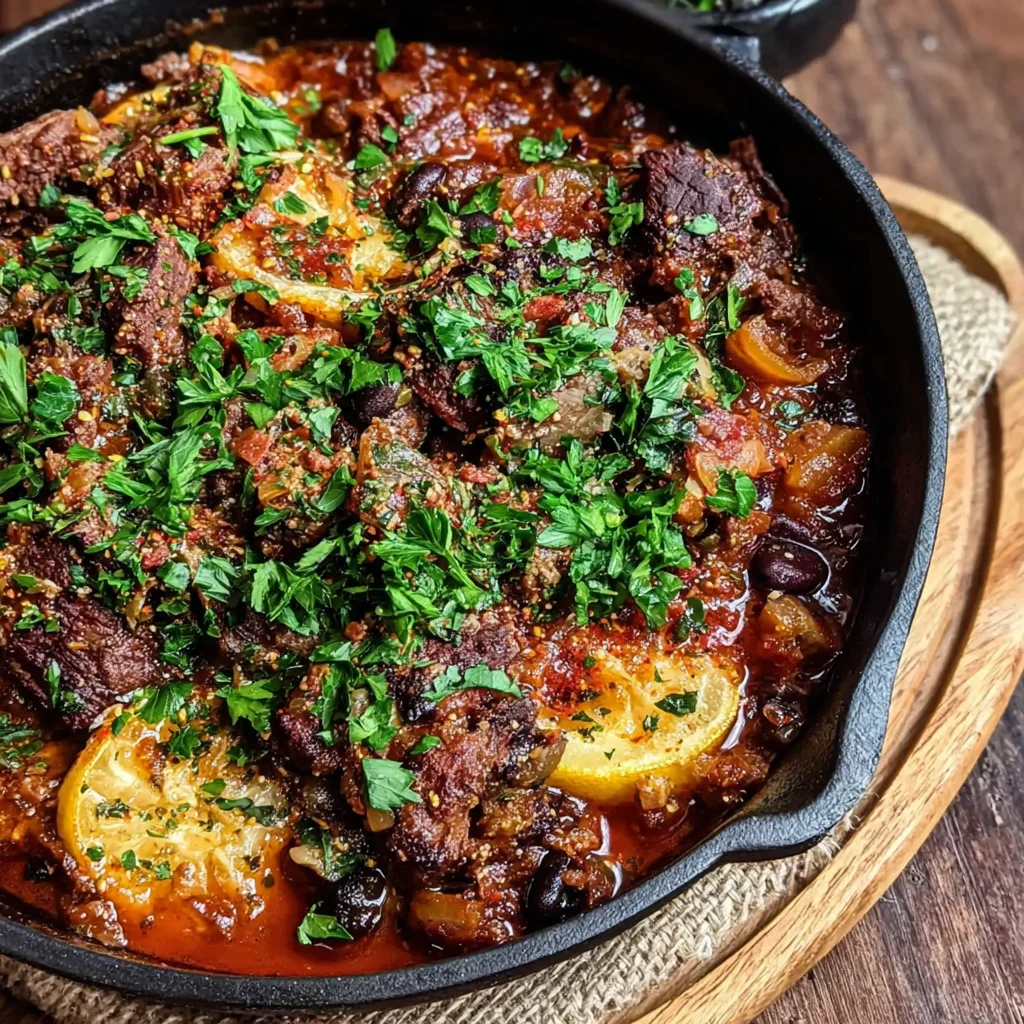
- This Greek Beef is wonderfully versatile. Serve it over fluffy rice, creamy mashed potatoes, or traditional orzo pasta to soak up all the delicious sauce.
- It also pairs beautifully with a simple green salad dressed with a lemon vinaigrette, or alongside roasted vegetables.
- Leftovers can be stored in an airtight container in the refrigerator for up to 3-4 days. The flavors often deepen overnight!
- For a thicker sauce, you can remove the beef and vegetables, then reduce the liquid further over medium-high heat, or mix a teaspoon of cornstarch with a tablespoon of cold water and stir it into the simmering sauce until thickened.
Frequently Asked Questions
What kind of beef is best for Greek Beef?
Stew meat (like chuck roast or boneless beef short ribs) or sirloin are excellent choices. Chuck roast is particularly good for slow simmering as it becomes incredibly tender and flavorful. If using sirloin, ensure to cut against the grain for maximum tenderness.
Can I make this recipe in a slow cooker?
Absolutely! After browning the beef and sautéing the vegetables, transfer everything to a slow cooker. Cook on low for 6-8 hours or on high for 3-4 hours, until the beef is fork-tender. You may need to reduce the amount of broth slightly as less liquid evaporates in a slow cooker.
What are good side dishes to serve with Greek Beef?
Traditional accompaniments include orzo, rice pilaf, mashed potatoes, or a crusty bread to soak up the sauce. A fresh Greek salad with feta cheese and Kalamata olives would also be a perfect complement to cut through the richness.
Nutrition Facts (Per Serving)
Calories: 480, Protein: 45g, Fat: 28g, Carbohydrates: 12g, Fiber: 3g (Approximate values per serving, based on 6 servings and lean beef)
Allergy Information
This recipe is naturally gluten-free if using gluten-free beef broth. It is dairy-free. Always check ingredient labels for hidden allergens. Contains no common nuts or soy.







No comment