

Creamy French Onion Soup Mac Cheese That Will Melt Your Heart
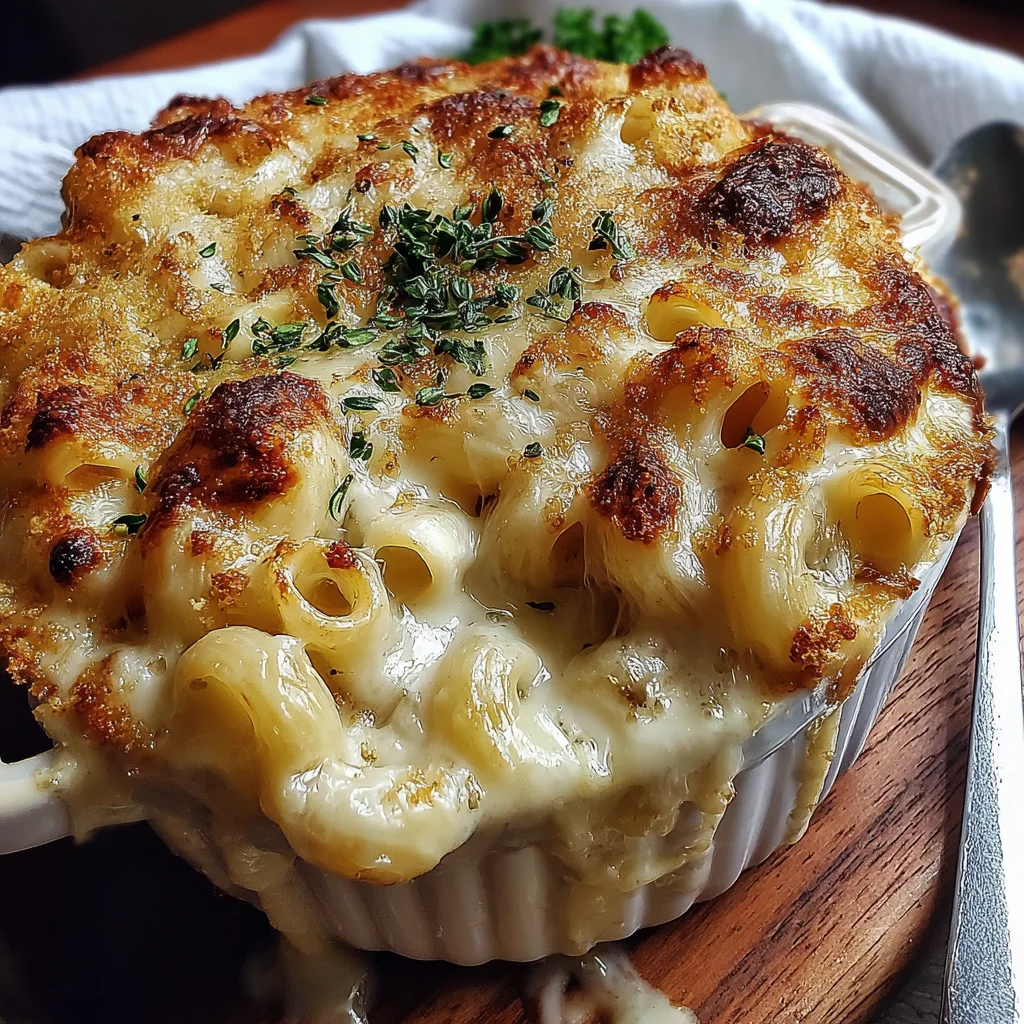
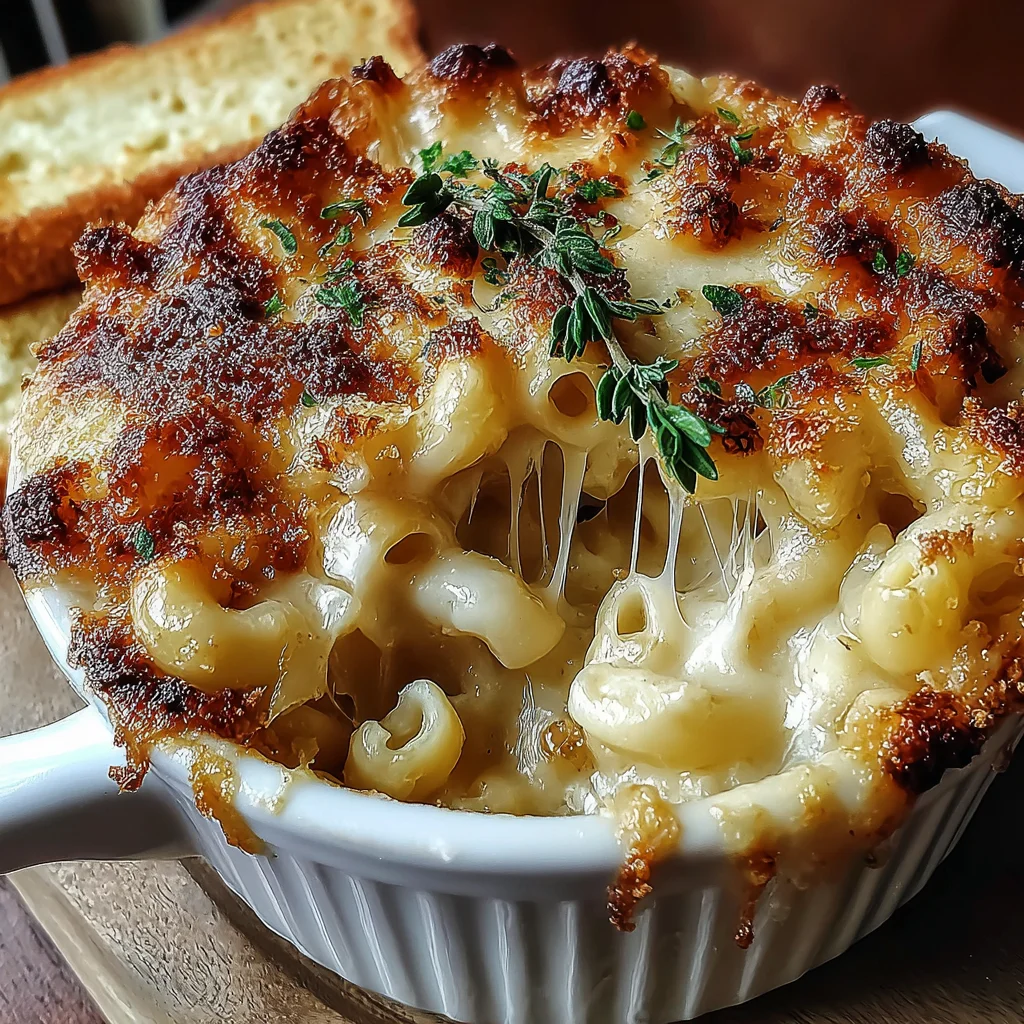
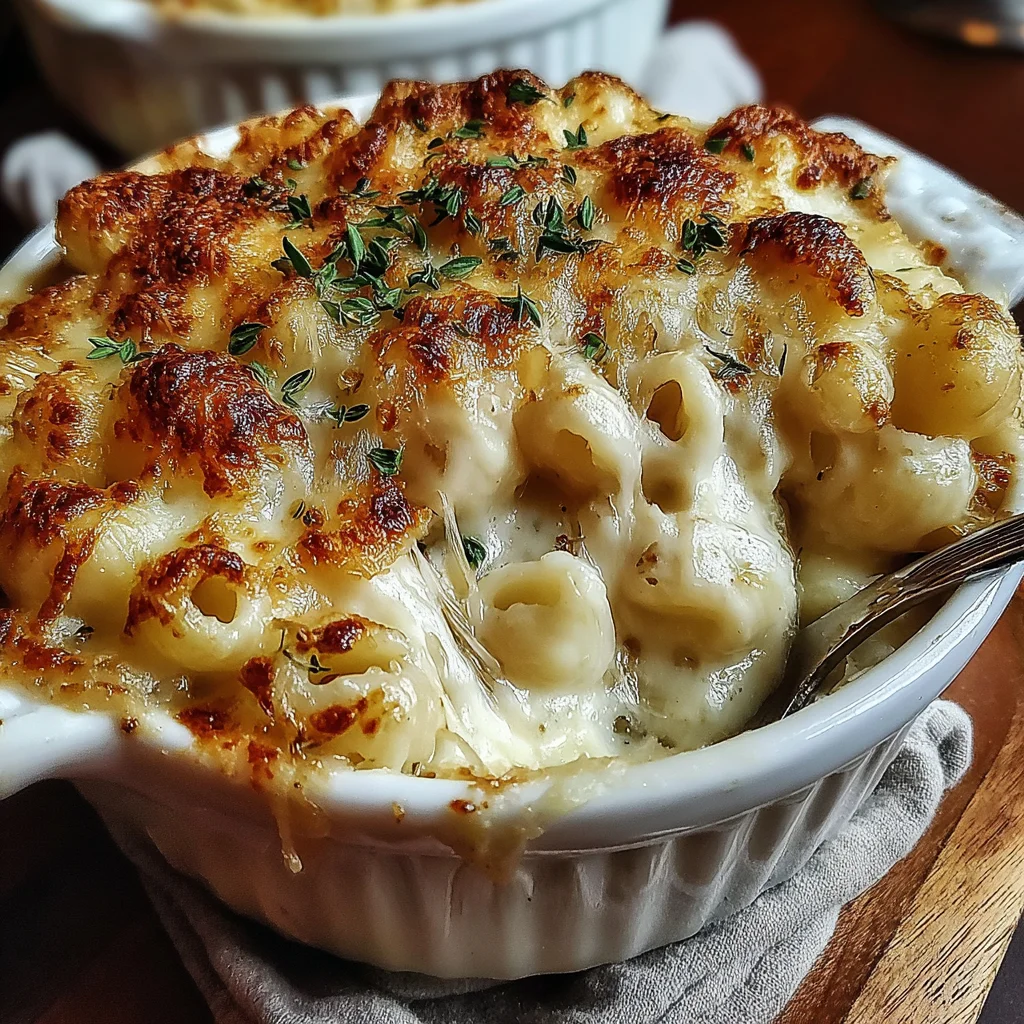
Prepare to have your taste buds serenaded by this sublime fusion of two beloved comfort food classics. This dish transforms the savory depth of caramelized French onion soup into the ultimate macaroni and cheese experience, creating a rich, creamy, and undeniably decadent meal. Every spoonful delivers a harmonious blend of sweet onions, robust Gruyere, and tender pasta, promising to melt your heart with its comforting embrace.
Prep Time
25 minutes
Cook Time
45 minutes
Total Time
1 hour 10 minutes
Servings
6-8 servings
Keywords
Why This Recipe Delivers
- It ingeniously combines the deep, savory flavors of classic French onion soup with the ultimate creamy indulgence of macaroni and cheese.
- The caramelized onions provide a complex sweetness and umami that elevates simple mac and cheese to a gourmet experience.
- Features a luxuriously smooth and rich cheese sauce, made with a blend of Gruyere and Parmesan, for unparalleled creaminess.
- Perfect as a decadent main course or an unforgettable side dish for any cozy gathering.
- Offers a unique and comforting twist on two beloved dishes, guaranteed to impress and satisfy.
Ingredients
- 450 grams (1 pound) short-cut pasta (e.g., elbow macaroni, medium shells), pre-cooked al dente
- 30 milliliters (2 tablespoons) olive oil
- 4 large sweet onions (approximately 1 kilogram / 2.2 pounds), thinly sliced
- 5 grams (1 teaspoon) sea salt, plus more to taste
- 45 grams (3 tablespoons) unsalted butter
- 30 grams (1/4 cup) all-purpose flour
- 600 milliliters (2.5 cups) whole milk (or half-and-half for extra richness)
- 1 milliliter (1/4 teaspoon) freshly ground nutmeg (optional)
- 340 grams (12 ounces) Gruyere cheese, freshly grated
- 115 grams (4 ounces) Parmesan cheese, freshly grated
- Freshly ground black pepper, to taste
- 80 milliliters (1/3 cup) seasoned bread crumbs (panko for extra crispness)
- 5 grams (1 tablespoon) fresh thyme, finely chopped
Instructions
- Heat the olive oil in your pressure cooker pot over medium heat. Using a pressure cooker helps accelerate the caramelization process, though a large heavy-bottomed pot works equally well if you prefer not to use pressure.
- Add the thinly sliced sweet onions along with 5 grams (1 teaspoon) of salt. Stir frequently, allowing the onions to slowly soften and transform into a beautiful golden-brown caramelization over approximately 25-30 minutes. This slow process is crucial for developing their signature sweet and savory depth.
- Carefully remove the beautifully caramelized onions from the pot and set them aside in a bowl. It's important to leave any delicious browned residue (fond) at the bottom of the pot, as this will add a layer of flavor to your cheese sauce.
- Melt the unsalted butter in the same pot over medium heat. Once the butter is melted and slightly foaming, stir in the all-purpose flour, whisking continuously for 1-2 minutes to create a smooth roux. The roux will act as the thickening agent for the cheese sauce, ensuring a velvety consistency.
- Gradually pour in the whole milk, a little at a time, while whisking constantly. This gradual addition prevents lumps and helps the roux fully incorporate the liquid, leading to a smooth, thickened béchamel sauce. Continue whisking until the sauce comes to a gentle simmer and thickens, which typically takes about 5-7 minutes.
- Stir in the freshly ground nutmeg, if using, which adds a warm, subtle spice that complements the cheese. Then, remove the pot from the heat and gradually mix in the freshly grated Gruyere and Parmesan cheese, stirring until both cheeses are completely melted and the sauce is smooth and creamy. The residual heat will melt the cheese perfectly.
- Gently fold the reserved caramelized onions and the pre-cooked pasta into the rich cheese sauce. Stir until all ingredients are evenly coated. Taste and season with additional salt and freshly ground black pepper as needed, balancing the flavors.
- If you desire a pressure-cooked finish for the assembled mac and cheese, close the lid of your pressure cooker. Cook under low pressure for a brief period, typically 1-2 minutes, then allow for a natural release of pressure. This step helps the flavors meld beautifully.
- Serve the Creamy French Onion Soup Mac Cheese immediately. Garnish generously with the fresh thyme and a sprinkle of seasoned bread crumbs for an added textural contrast and burst of freshness.
Tools You’ll Need
- Pressure cooker (or large heavy-bottomed pot)
- Whisk
- Measuring cups and spoons
- Cheese grater
- Large spoon or spatula
Essential Success Tips
- Do not rush the onion caramelization process; it's the heart of the dish's flavor. Low and slow heat is key for deep, sweet results.
- Always grate your own cheese from blocks. Pre-shredded cheeses often contain anti-caking agents that can make your sauce gritty or less smooth.
- When adding milk to the roux, pour it in slowly and whisk constantly to ensure a perfectly smooth, lump-free béchamel base.
- Taste your sauce before adding the pasta and onions, and adjust seasoning as necessary. The cheese and onions contribute significant flavor, so season judiciously.
- For an extra golden-brown crust, transfer the finished mac and cheese to an oven-safe dish, sprinkle with more breadcrumbs and a touch of cheese, and broil for a few minutes until bubbly and golden.
Professional Cooking Secrets
- For an even deeper, more complex flavor in the caramelized onions, deglaze the pot with a splash of dry white wine or beef broth after they've softened but before they fully brown. This lifts the fond and adds another layer of umami.
- A tiny pinch of baking soda added to the onions at the start of caramelization can speed up the browning process slightly, helping them achieve that deep color without compromising flavor.
- Consider adding a teaspoon of Dijon mustard to your cheese sauce along with the nutmeg. It doesn't make the dish taste like mustard but subtly brightens the cheese flavor and adds another dimension of savory complexity.
Notes
- Storage: Leftovers can be stored in an airtight container in the refrigerator for up to 3 days. Reheat gently on the stovetop with a splash of milk or in the oven.
- Make Ahead: You can prepare the caramelized onions and the cheese sauce a day in advance. Store them separately in the refrigerator. When ready to serve, gently reheat the sauce, then combine with freshly cooked pasta and onions.
- Variations: For a richer, more robust flavor, use half-and-half instead of whole milk. You can also experiment with different cheeses like Emmental or Comté in place of Gruyere, or Pecorino Romano instead of Parmesan for a sharper bite.
Frequently Asked Questions
Can I make this dish without a pressure cooker?
Absolutely! While a pressure cooker speeds up onion caramelization, you can achieve the same delicious results using a large, heavy-bottomed pot on the stovetop. Just allow more time, up to 45-60 minutes, for the onions to caramelize properly over medium-low heat.
What kind of pasta works best for this recipe?
Short-cut pasta shapes like elbow macaroni, medium shells, cavatappi, or orecchiette are ideal. Their nooks and crannies are perfect for capturing the creamy sauce and bits of caramelized onion, ensuring every bite is flavorful.
Can I make this French Onion Soup Mac Cheese ahead of time?
You can prepare the caramelized onions and the cheese sauce a day or two in advance. Store them separately in airtight containers in the refrigerator. When ready to serve, gently reheat the sauce, cook the pasta, then combine all components for the freshest taste and texture. Fully assembled mac and cheese can be refrigerated and reheated, but the pasta might be slightly softer.
Nutrition Facts (Per Serving)
A single serving (approx. 250g) contains roughly: Calories: 650, Protein: 35g, Fat: 45g, Carbs: 45g. Please note these are estimates and can vary based on exact ingredient brands and quantities.
Allergy Information
This dish contains dairy (milk, butter, cheese) and gluten (flour, pasta, bread crumbs). For a gluten-free version, use gluten-free pasta, gluten-free all-purpose flour, and gluten-free bread crumbs. A dairy-free alternative is not recommended for this recipe as dairy is central to its flavor and texture.



No comment