
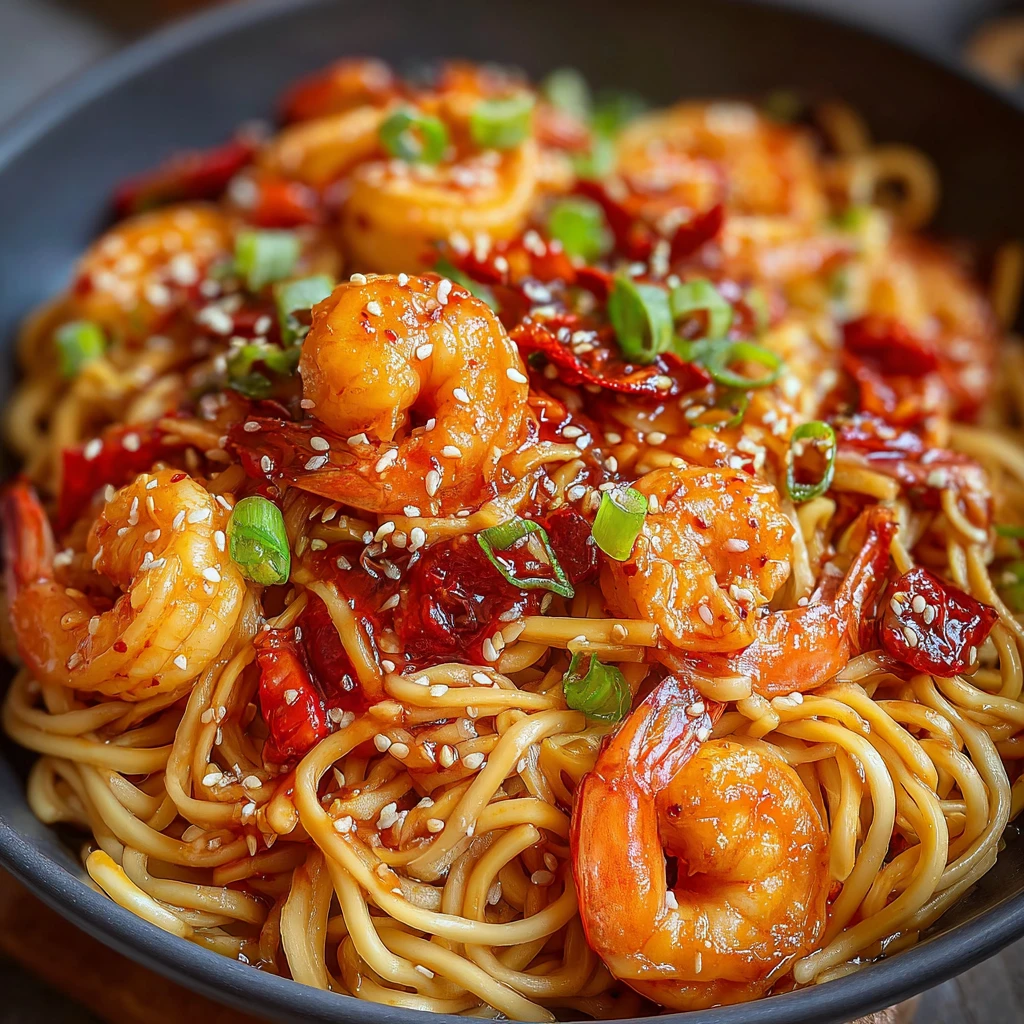
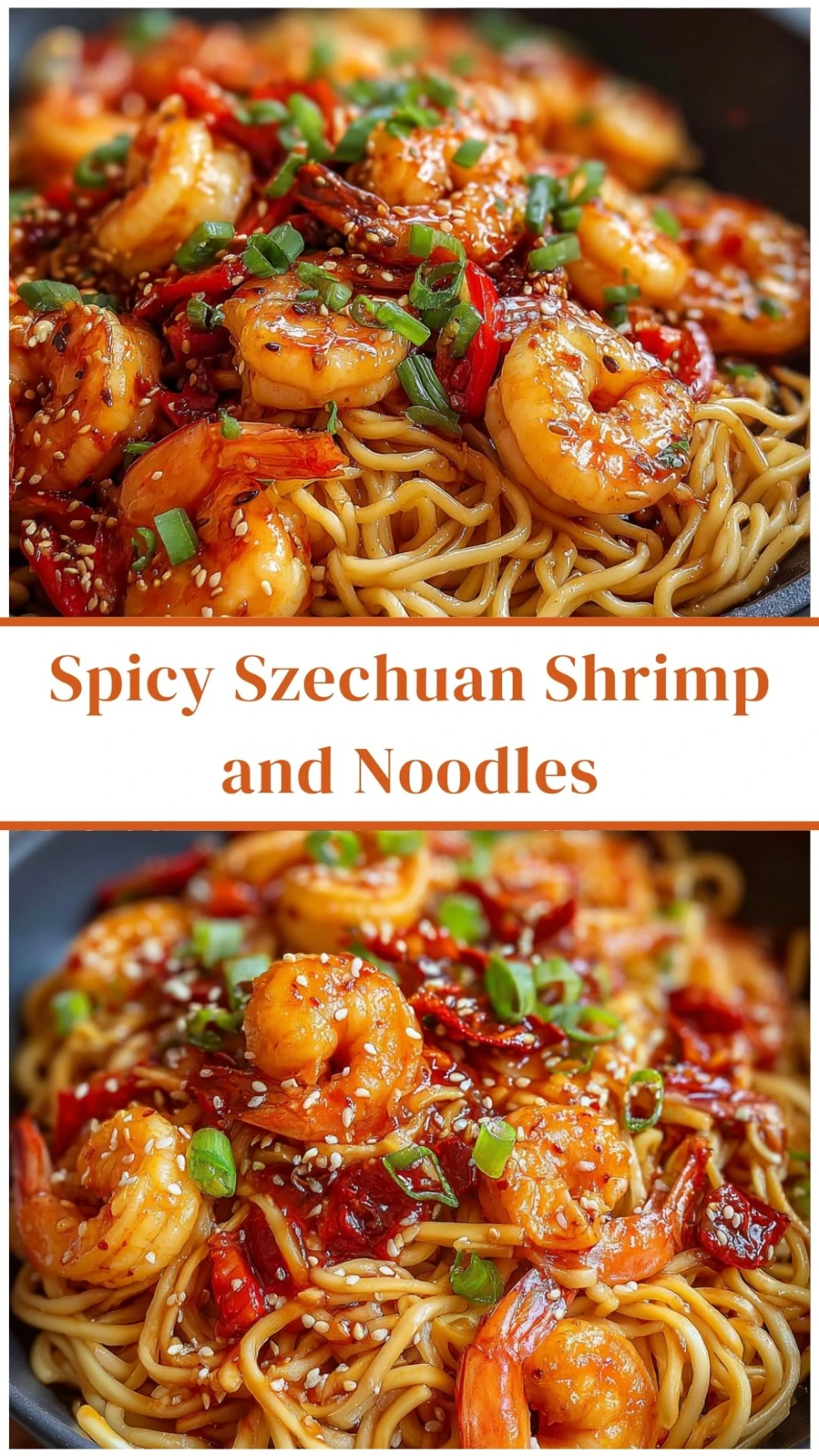
Spicy Szechuan Shrimp and Noodles
Embark on a culinary journey to the heart of Szechuan with this vibrant and intensely flavorful shrimp and noodle dish. Featuring succulent shrimp tossed with perfectly cooked noodles and an aromatic blend of Szechuan peppercorns, garlic, ginger, and a fiery chili-soy sauce, this recipe promises an exciting balance of heat and umami. It's a quick yet sophisticated meal that brings the bold tastes of authentic Chinese cuisine right to your kitchen.
Prep Time
15 minutes
Cook Time
15 minutes
Total Time
30 minutes
Servings
4 servings
Keywords
Why This Recipe Delivers
- Delivers a perfectly balanced combination of spicy, savory, and aromatic flavors.
- Ready in just 30 minutes, making it ideal for a quick weeknight meal.
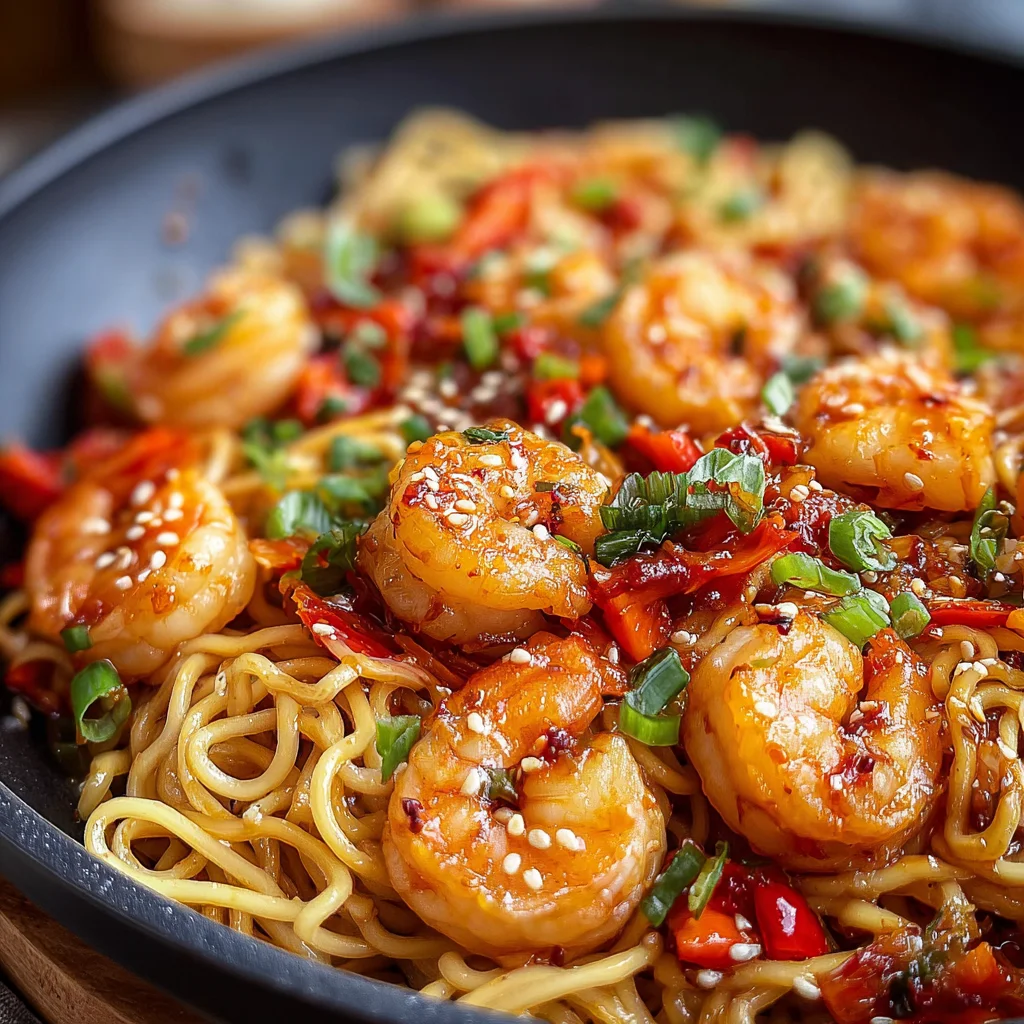
- Features succulent shrimp and tender noodles coated in an irresistible Szechuan sauce.
- Impressive dish that's surprisingly easy to make, perfect for any skill level.
Ingredients
- 450 grams (1 pound) large shrimp, peeled and deveined
- 225 grams (8 ounces) egg noodles or rice noodles
- 5 grams (2 teaspoons) Szechuan peppercorns, lightly crushed
- 4 cloves garlic, finely minced
- 15 grams (1 tablespoon) fresh ginger, grated
- 4 green onions (scallions), thinly sliced, white and green parts separated
- 45 milliliters (3 tablespoons) low-sodium soy sauce
- 30 milliliters (2 tablespoons) chili paste (such as Gochujang or Sambal Oelek), adjust to taste
- 30 milliliters (2 tablespoons) vegetable oil (such as canola or peanut oil)
- 5 milliliters (1 teaspoon) toasted sesame oil
Instructions
- Prepare all ingredients by peeling and deveining the shrimp, mincing the garlic, grating the fresh ginger, and thinly slicing the green onions. Keep the white and green parts of the green onions separate as they will be added at different stages for optimal flavor.
- Cook the noodles according to package directions. Bring a large pot of lightly salted water to a rolling boil. Add the egg noodles or rice noodles and cook until al dente, typically 3-5 minutes for egg noodles. Drain thoroughly and rinse briefly under cold water to prevent sticking, then set aside.
- Heat a large wok or a wide, heavy-bottomed pan over medium-high heat. Once hot, add the vegetable oil, ensuring it coats the bottom. Add the minced garlic, grated ginger, and crushed Szechuan peppercorns. Sauté for approximately 30-60 seconds, stirring constantly, until the aromatics become incredibly fragrant and slightly softened. Be careful not to burn the garlic.
- Add the prepared shrimp to the wok, spreading them in a single layer as much as possible. Cook for 1.5 to 2 minutes per side, or until the shrimp turn pink and opaque, indicating they are fully cooked. Avoid overcooking, as this can make the shrimp rubbery.
- Pour in the low-sodium soy sauce and add the chili paste to the wok. Stir well to combine the sauce with the shrimp, ensuring each piece is thoroughly coated. Allow the sauce to simmer for about 1 minute, letting it reduce slightly and cling to the shrimp.
- Add the cooked and drained noodles and the white parts of the sliced green onions to the wok with the shrimp and sauce. Drizzle the toasted sesame oil over everything. Using tongs or two spatulas, toss gently but thoroughly until all the ingredients are well combined and the noodles are heated through and coated in the spicy sauce. The white parts of the green onions will soften slightly and release their milder onion flavor.
- Remove the wok from the heat and transfer the Spicy Szechuan Shrimp and Noodles to serving bowls. Garnish generously with the reserved green parts of the sliced green onions before serving immediately.
Tools You’ll Need
- Large wok or large skillet
- Large pot for cooking noodles
- Measuring spoons and cups
- Garlic press or knife for mincing
- Grater for ginger
- Cutting board
- Tongs or spatulas
Essential Success Tips
- Do not overcook the shrimp; they cook very quickly and can become tough if left on the heat for too long. Remove them as soon as they turn pink and opaque.
- For the best Szechuan flavor, lightly crush the Szechuan peppercorns just before adding them to the wok. This releases their aromatic oils and distinctive citrusy, numbing sensation.
- Have all your ingredients prepped and ready (mise en place) before you start cooking, as this dish comes together very quickly.
- Adjust the amount of chili paste to your personal spice preference. For a milder dish, use less; for extra heat, feel free to add more.
- Ensure your wok or pan is properly hot before adding the oil and aromatics. This helps create that sought-after 'wok hei' or 'breath of the wok' flavor.
Professional Cooking Secrets
- Toasting the Szechuan peppercorns lightly in a dry pan for a minute before crushing enhances their fragrance and 'mala' (numbing-spicy) quality. Be careful not to burn them.
- Using fresh, high-quality shrimp makes a significant difference in the final texture and taste. Look for shrimp that are firm and translucent.
- For an extra layer of complexity, add a splash of Shaoxing wine (Chinese cooking wine) to the wok after the shrimp are almost cooked, just before adding the soy sauce and chili paste. Allow it to evaporate for a deeper flavor profile.
Notes
- Storage: Leftovers can be stored in an airtight container in the refrigerator for up to 2 days. Reheat gently in a pan or microwave.
- Variations: Feel free to add thinly sliced bell peppers, snow peas, or bok choy during the last few minutes of cooking for added vegetables and crunch. Chicken or tofu can also be substituted for shrimp.
Frequently Asked Questions
Can I make this dish less spicy?
Absolutely! The spice level is easily adjustable. Simply reduce the amount of chili paste or omit it entirely if you prefer a milder flavor. You can also add a pinch of sugar to balance the heat.
What kind of noodles are best for this recipe?
Egg noodles or rice noodles both work wonderfully. Egg noodles offer a chewier texture, while rice noodles are a great gluten-free option. Choose a medium-thick noodle that can stand up to the sauce.
Can I use frozen shrimp?
Yes, frozen shrimp can be used. Ensure they are fully thawed and patted dry before cooking. This prevents excess water from diluting the sauce and helps the shrimp sear properly.
Nutrition Facts (Per Serving)
Calories: Approximately 420 per serving, Protein: 35g, Fat: 18g, Carbohydrates: 30g, Sodium: 950mg (using low-sodium soy sauce).
Allergy Information
Contains shellfish (shrimp), soy (soy sauce), and gluten (if using egg noodles). For a gluten-free version, use tamari instead of soy sauce and ensure you use rice noodles. Always check ingredient labels for hidden allergens.


No comment