
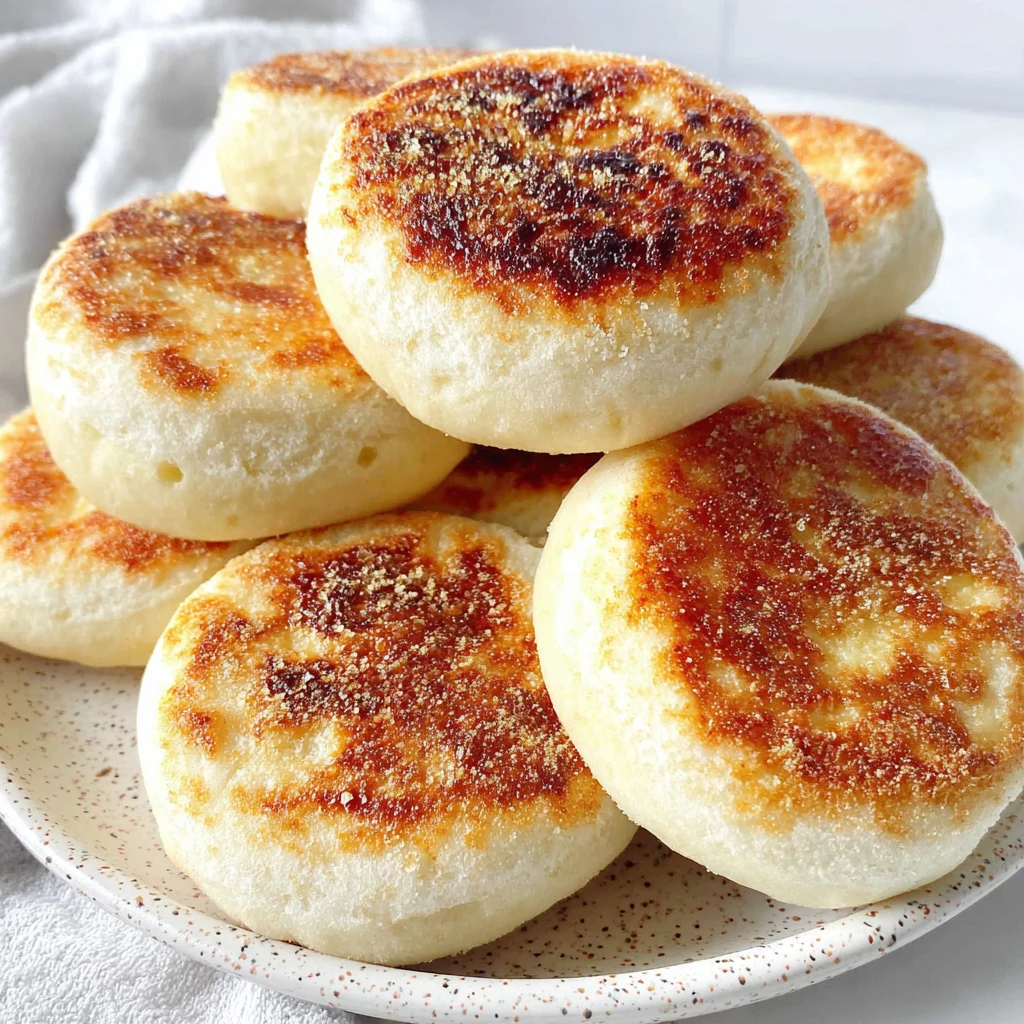
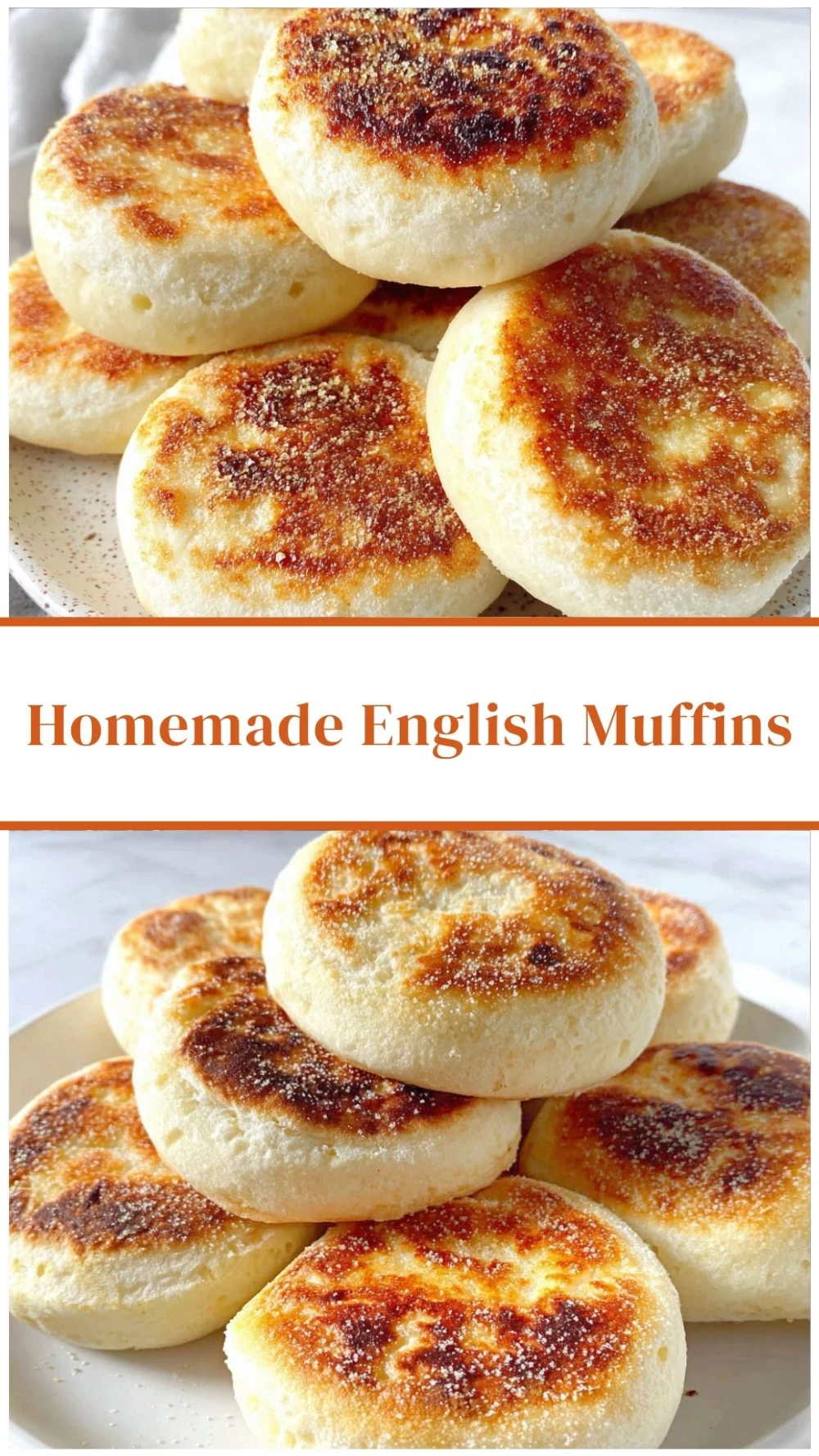
Homemade English Muffins
Discover the immense satisfaction of crafting your own English muffins, a rewarding experience that yields wonderfully tender, chewy bread with those iconic nooks and crannies. These homemade delights, cooked on a griddle, offer a flavor and texture far superior to store-bought versions, making any breakfast or brunch an extraordinary affair that will impress everyone.
Prep Time
25 minutes
Cook Time
35-40 minutes
Total Time
2 hours 45 minutes
Servings
Makes 10-12 English Muffins
Keywords
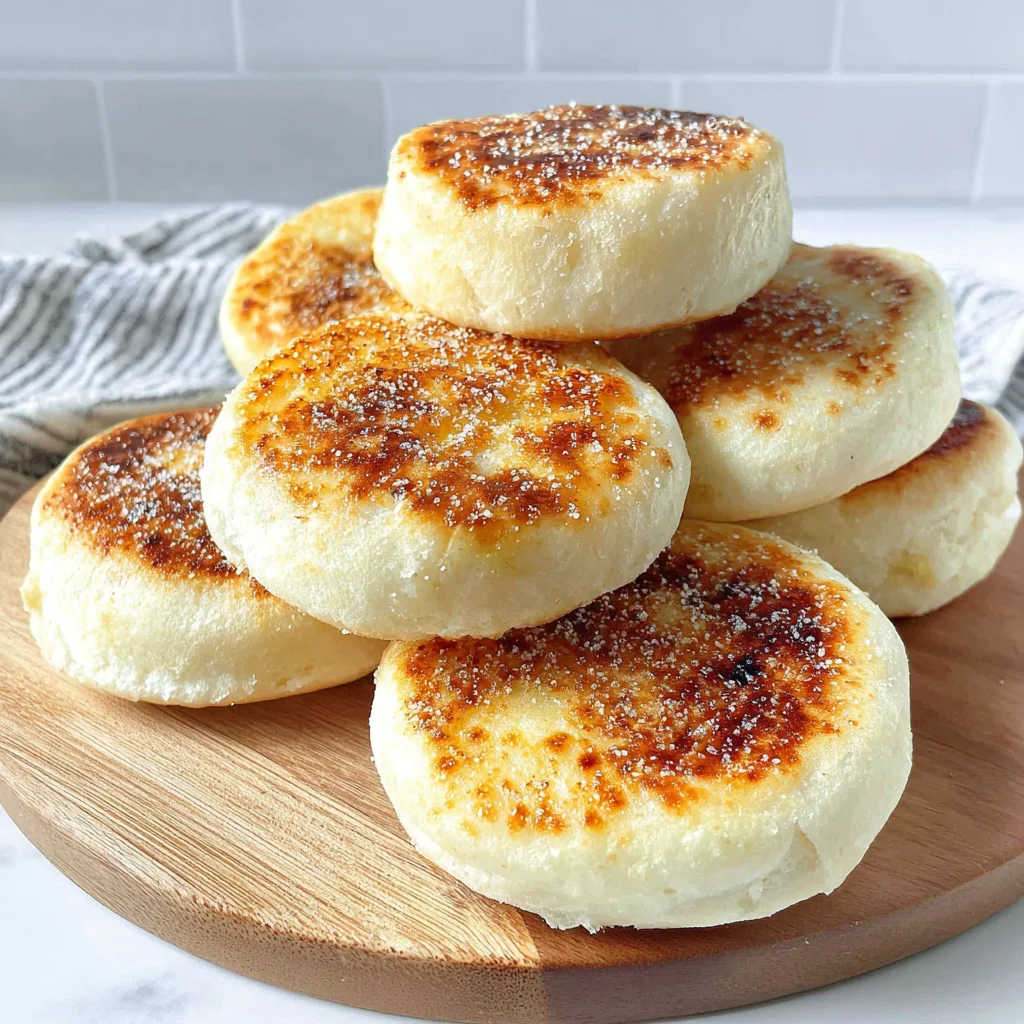
Why This Recipe Delivers
- Achieve perfect 'nooks and crannies' that are ideal for capturing melted butter, jam, or your favorite toppings.
- Offers a superior fresh flavor and wonderfully tender, chewy texture that far surpasses store-bought varieties.
- A deeply rewarding and surprisingly simple baking project that yields impressive results.
- Incredibly versatile, serving as the perfect base for both sweet and savory breakfast or brunch creations.
- Fills your home with the inviting aroma of freshly baked bread.
Ingredients
- 300 ml (1 ¼ cups) warm milk (not hot, ideally 38-43°C or 100-110°F)
- 45 g (3 tablespoons) unsalted butter, melted and slightly cooled
- 1 large egg, at room temperature
- 25 g (2 tablespoons) granulated sugar
- 7 g (2 ¼ teaspoons) instant yeast
- 5 g (1 teaspoon) fine sea salt
- 360 g (3 cups) all-purpose flour, spooned and levelled, plus extra for dusting
- 40 g (¼ cup) cornmeal, for sprinkling
Instructions
- In the bowl of a stand mixer, combine the warm milk, melted butter, room temperature egg, granulated sugar, instant yeast, and fine sea salt. Whisk gently to ensure all ingredients are well incorporated and the yeast begins to dissolve. Ensure the milk is not too hot, as this will kill the yeast and prevent the dough from rising.
- Add the all-purpose flour to the wet ingredients in the stand mixer bowl. Attach the dough hook and mix on medium speed for 7-8 minutes. The goal is to achieve a dough that is smooth, elastic, and pulls away from the sides of the bowl. It should remain somewhat tacky to the touch, but not overly sticky. If the dough seems too wet or sticky, add up to 15 ml (1 tablespoon) of extra flour, 5 ml (1 teaspoon) at a time, until the desired consistency is reached. Proper kneading is crucial for developing the gluten, which gives English muffins their characteristic chew.
- Once the dough is kneaded, lightly grease the mixing bowl with a neutral oil, then transfer the dough back into it. Cover the bowl tightly with plastic wrap or a clean kitchen towel. Allow the dough to rise in a warm, draft-free place for 60-90 minutes, or until it has noticeably doubled in size. The warmer the environment, the faster the rise.
- While the dough is completing its first rise, prepare a large baking sheet by lining it with parchment paper. Generously sprinkle ¼ cup (40g) of cornmeal evenly over the parchment paper. This cornmeal will prevent sticking and contribute to the signature texture of the muffin bottoms.
- Gently punch down the risen dough to release the air. Transfer the dough onto a generously floured work surface. Using a rolling pin, roll the dough out to an even ¾-inch (1.9 cm) thick rectangle. Using a 2 ½-inch (6.3 cm) round cutter, cut out circles from the dough. Reroll any scraps gently and cut additional circles until all dough is used. Carefully transfer the cut dough circles to the prepared cornmeal-dusted baking sheet, ensuring some space between each one.
- Once all the English muffin rounds are on the baking sheet, lightly sprinkle the tops of each round with additional cornmeal. Cover the baking sheet loosely with plastic wrap or a clean kitchen towel. Let the dough rise again for another 30 minutes, or until the muffins appear noticeably puffed and slightly larger.
- Heat a large, heavy-bottomed skillet or an electric griddle over medium-low heat. It's crucial to maintain a consistent, gentle heat. Lightly grease the cooking surface with a small amount of butter. Carefully place 3-4 English muffin pieces into the skillet, ensuring there is enough space between them to allow for even cooking and flipping. Cover the skillet with a lid. Cook for 7-8 minutes on the first side, until golden brown. Then, flip the muffins, cover again, and cook for another 7-8 minutes on the second side until they are deep golden brown and cooked through. If the muffins are browning too quickly, reduce the heat to low. The slower cooking allows the interior to cook properly and creates the famous nooks and crannies. Repeat with remaining muffins, regreasing the skillet as needed.
- Once cooked, transfer the English muffins to a wire rack to cool slightly. They are best served warm. To enjoy them with maximum nooks and crannies, use a fork to split them open rather than a knife.
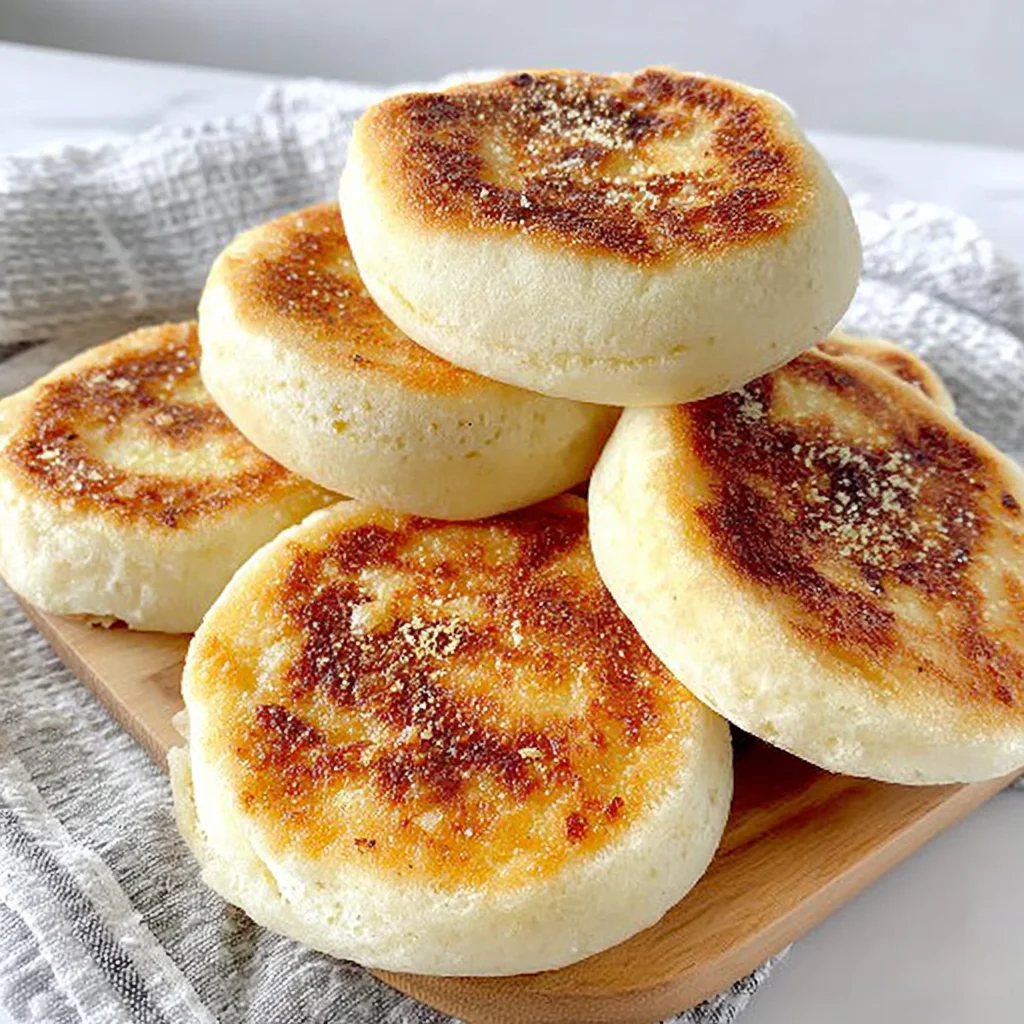
Tools You’ll Need
- Stand mixer with dough hook attachment
- Large mixing bowl
- Plastic wrap or clean kitchen towel
- Large baking sheet
- Parchment paper
- Rolling pin
- 2 ½-inch (6.3 cm) round cutter
- Large heavy-bottomed skillet or electric griddle
- Spatula
Essential Success Tips
- Ensure your milk is warm (38-43°C or 100-110°F) but never hot; temperatures above 50°C (120°F) can kill the yeast, preventing your dough from rising.
- Do not overcrowd the skillet during cooking. Cook in batches of 3-4 muffins to maintain a consistent cooking temperature and allow for even browning.
- For the iconic texture, always split English muffins with a fork, never cut them with a knife. The fork creates an uneven, craggy surface perfect for trapping butter and jam.
- Adjust the griddle heat carefully. The medium-low setting is crucial for allowing the muffins to cook through slowly without burning the exterior, fostering those wonderful internal air pockets.
- After rolling and cutting, if the dough feels a bit too firm to handle, let it rest for 5-10 minutes before moving to the second rise; this relaxes the gluten and makes it easier to work with.
Professional Cooking Secrets
- For an even richer, more complex flavor, consider a cold fermentation for your first rise. After kneading, place the covered dough in the refrigerator overnight (8-12 hours). Allow it to come to room temperature for 30-60 minutes before shaping and the second rise.
- To achieve a more uniform rise and browning on the griddle, especially if using a home stovetop burner, rotate the muffins halfway through cooking on each side. This compensates for any hot spots in your pan.
- If you find your muffins are browning too quickly on the outside but still seem raw inside, you can finish them briefly in a preheated oven at 150°C (300°F) for 5-7 minutes. This ensures the interior is fully cooked without further darkening the crust.
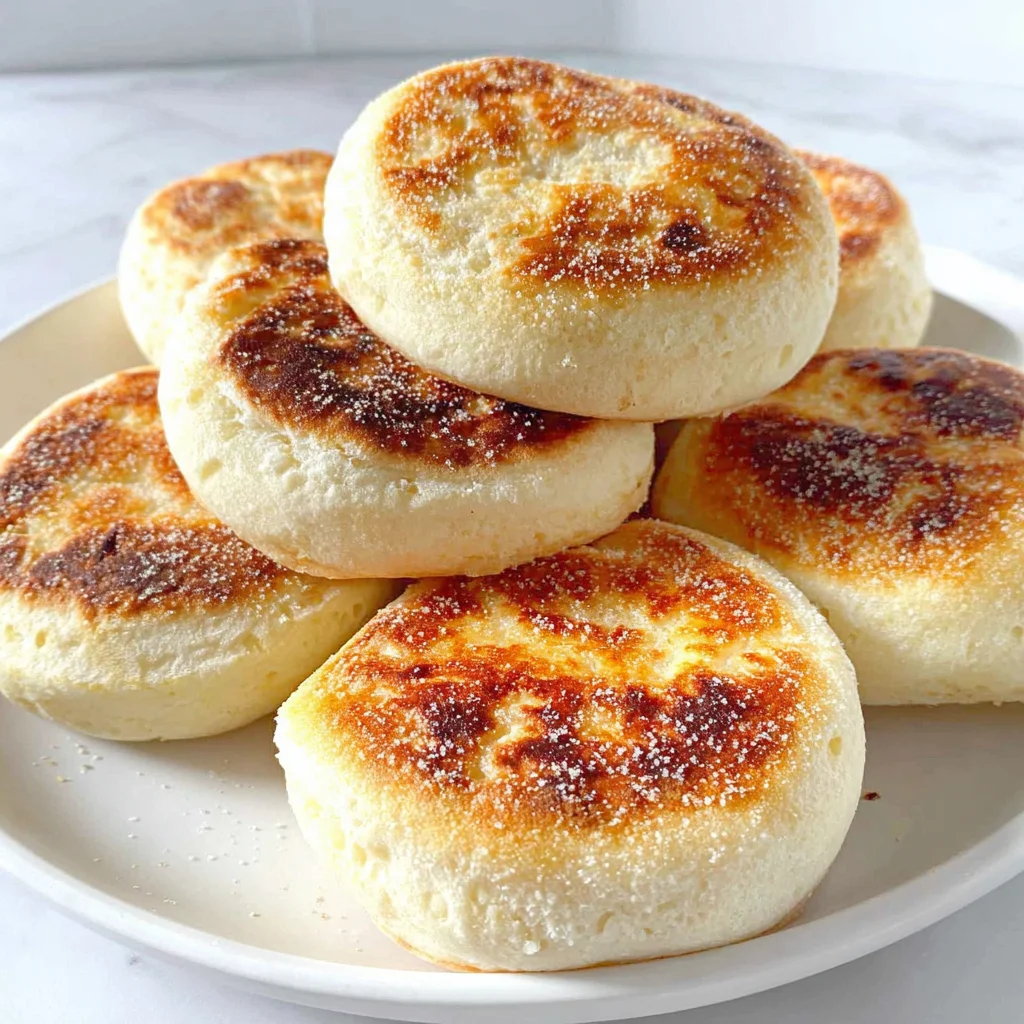
Notes
- Storage: Store cooled English muffins in an airtight container at room temperature for up to 3 days, or in the refrigerator for up to 1 week. For longer storage, they freeze exceptionally well.
- Freezing Instructions: Once completely cooled, place English muffins in a single layer in a freezer-safe bag or container. They can be frozen for up to 2 months. Thaw at room temperature or pop directly into a toaster.
- Variations: For a heartier muffin, substitute up to 120 g (1 cup) of the all-purpose flour with whole wheat flour. For a hint of sweetness and spice, a pinch of cinnamon or nutmeg can be added to the dry ingredients.
Frequently Asked Questions
Why are English muffins cooked on a griddle instead of baked in an oven?
English muffins are traditionally cooked on a griddle or skillet to achieve their characteristic crisp exterior and soft, chewy interior, as well as those famous 'nooks and crannies' which form from the slower, more direct heat. Baking in an oven would yield a different texture, more akin to a regular bread roll.
Can I prepare the dough ahead of time?
Yes, absolutely! After the first rise, you can gently punch down the dough, cover the bowl tightly with plastic wrap, and refrigerate it for up to 24 hours. When you're ready to make them, allow the dough to come to room temperature for about 30-60 minutes before rolling, cutting, and proceeding with the second rise.
How do I achieve the best 'nooks and crannies'?
The key to abundant nooks and crannies lies in several factors: proper gluten development during the kneading process, a good rise in a warm environment, and critically, splitting the cooled muffins with a fork rather than cutting them with a knife. The tearing action of the fork creates that uneven, porous surface perfect for absorbing butter and jam.
Nutrition Facts (Per Serving)
Per serving (1 English muffin, assuming 12 servings): Calories: 160-180, Protein: 4-5g, Fat: 4-5g, Carbohydrates: 25-28g.
Allergy Information
Contains wheat (gluten), dairy, and egg. For a dairy-free version, substitute dairy milk with a plant-based milk (like almond or oat) and use a high-quality vegan butter. For an egg-free version, a flax egg substitute can be used, though the texture may vary slightly.




No comment