
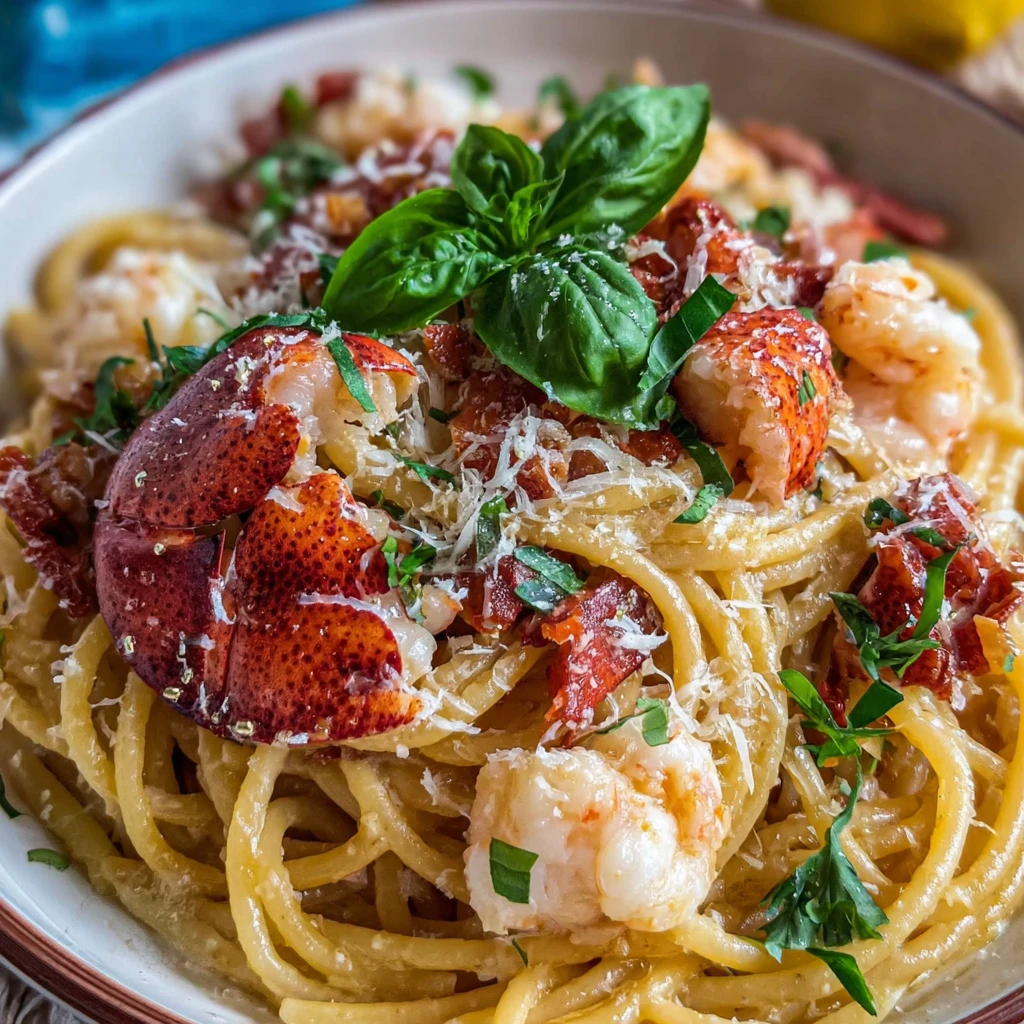
Delicious Lobster Bucatini Recipe
Indulge in the luxurious flavors of the sea with this exquisite Lobster Bucatini. Featuring tender, succulent lobster pieces tossed with al dente bucatini pasta in a rich, aromatic sauce, this dish is surprisingly simple to prepare yet delivers an unforgettable gourmet experience. It's perfect for a special occasion or when you simply crave an elevated pasta dinner.
Prep Time
20 minutes
Cook Time
25 minutes
Total Time
45 minutes
Servings
4 generous servings
Keywords
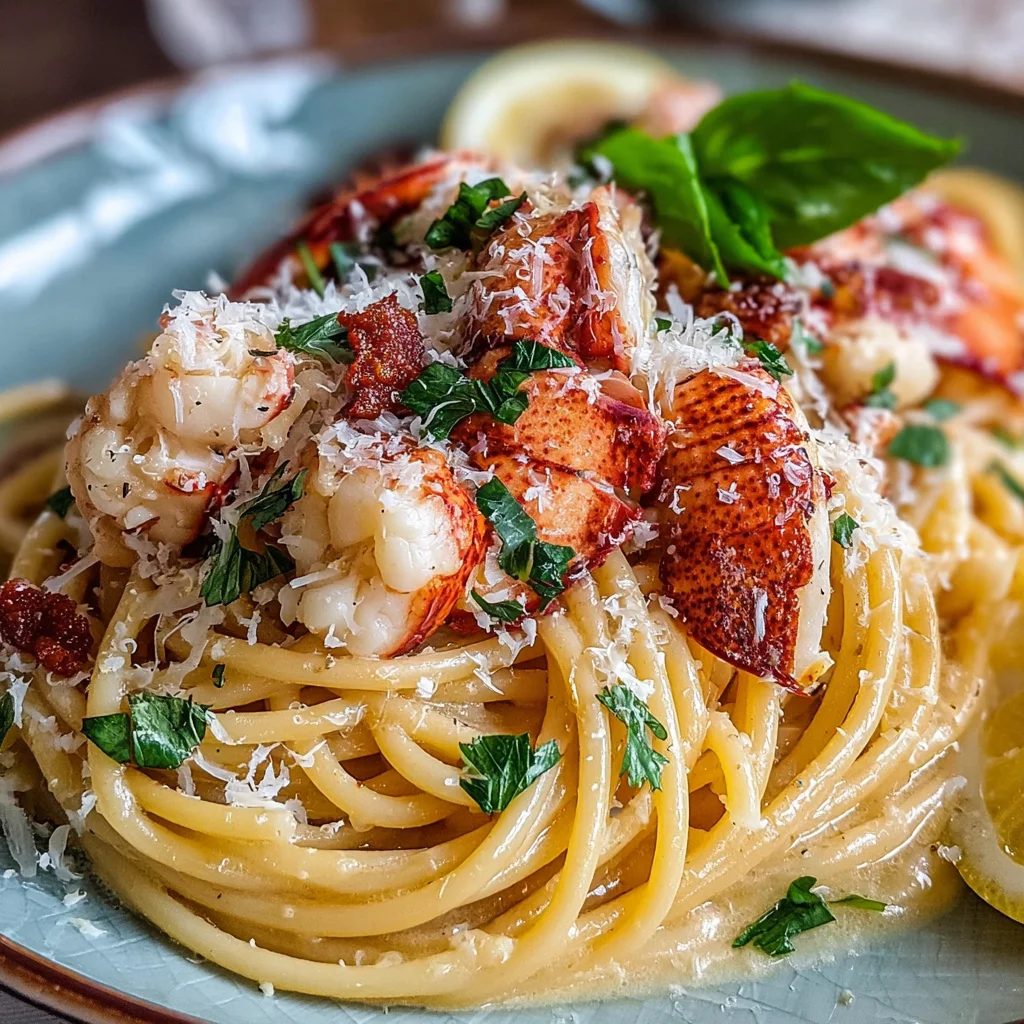
Why This Recipe Delivers
- Transforms simple ingredients into a gourmet experience.
- Surprisingly quick to prepare for such an elegant dish.
- Packed with rich, delicate flavors of fresh lobster and a creamy wine sauce.
- Perfect for special occasions or an impressive weeknight meal.
- Versatile with optional add-ins to customize to your taste.
Ingredients
- 450 grams (1 pound) bucatini pasta
- 2 whole lobster tails, about 170-200 grams (6-7 ounces) each, thawed if frozen
- 56 grams (4 tablespoons) unsalted butter, divided
- 45 milliliters (3 tablespoons) extra virgin olive oil
- 4 cloves garlic, minced finely
- 2 whole shallots, diced small
- 120 milliliters (½ cup) dry white wine (e.g., Pinot Grigio or Sauvignon Blanc)
- 120 milliliters (½ cup) heavy cream
- Zest and juice from half of 1 whole lemon
- 3 grams (½ teaspoon) crushed red pepper flakes, optional, for a hint of warmth
- 60 milliliters (¼ cup) fresh parsley, finely chopped
- Handful of fresh basil leaves, torn
- Grated Parmesan cheese, for serving
- Freshly ground black pepper, to taste
- Sea salt, for pasta water and seasoning
- Optional Add-Ins:
- 150 grams (1 cup) cherry tomatoes, halved
- 50 grams (1 handful) baby spinach
- 100 grams (approx. ½ cup) roasted red peppers, sliced
- 200 grams (approx. 7 ounces) mixed shrimp and scallops
Instructions
- Begin by preparing the lobster. If frozen, thaw the lobster tails completely, preferably overnight in the refrigerator or by placing them in a sealed bag under cold running water for 30-60 minutes. Once thawed, carefully remove the meat from the shells using kitchen shears or a sharp knife, then cut the lobster meat into even, bite-sized chunks to ensure uniform cooking. Set aside.
- Bring a large pot of heavily salted water to a rolling boil. Add the bucatini pasta and cook according to package directions until it is al dente, meaning it is firm to the bite but not hard. This usually takes about 8-10 minutes. Before draining, reserve approximately 250 milliliters (1 cup) of the starchy pasta water; this will be crucial for emulsifying and loosening the sauce later. Drain the pasta and set aside.
- While the pasta cooks, prepare the sauce base. In a large, deep skillet or Dutch oven, melt 28 grams (2 tablespoons) of the butter with the 45 milliliters (3 tablespoons) of olive oil over medium heat. Once shimmering, add the minced garlic and diced shallots. Sauté for 2-3 minutes until the shallots are softened and translucent and the garlic is fragrant, being careful not to brown them.
- Increase the heat slightly and pour in the 120 milliliters (½ cup) of dry white wine. Scrape the bottom of the pan with a wooden spoon to deglaze, lifting any browned bits which add depth of flavor to the sauce. Let the wine simmer and reduce by about half, which should take 2-3 minutes.
- Add the prepared lobster pieces to the pan. Sear them gently for 1-2 minutes per side, just until they turn opaque and are barely cooked through. Overcooking lobster will make it rubbery, so be mindful of the cooking time. Remove the lobster from the pan and set aside on a clean plate.
- Return the pan to medium heat. Add the remaining 28 grams (2 tablespoons) of butter, the 120 milliliters (½ cup) of heavy cream, the zest and juice from half a lemon, and the optional 3 grams (½ teaspoon) of crushed red pepper flakes. Stir well and bring the sauce to a gentle simmer.
- Add the drained bucatini pasta to the skillet with the sauce. Toss vigorously to coat the pasta evenly. If using any optional add-ins like halved cherry tomatoes or sliced roasted red peppers, incorporate them now.
- Gradually add a few tablespoons of the reserved pasta water, tossing continually, until the sauce reaches your desired consistency – glossy and clinging to the pasta. Return the cooked lobster pieces and the chopped fresh parsley to the pan. Gently toss to combine, allowing the lobster to warm through. If using baby spinach, add it now and toss until just wilted.
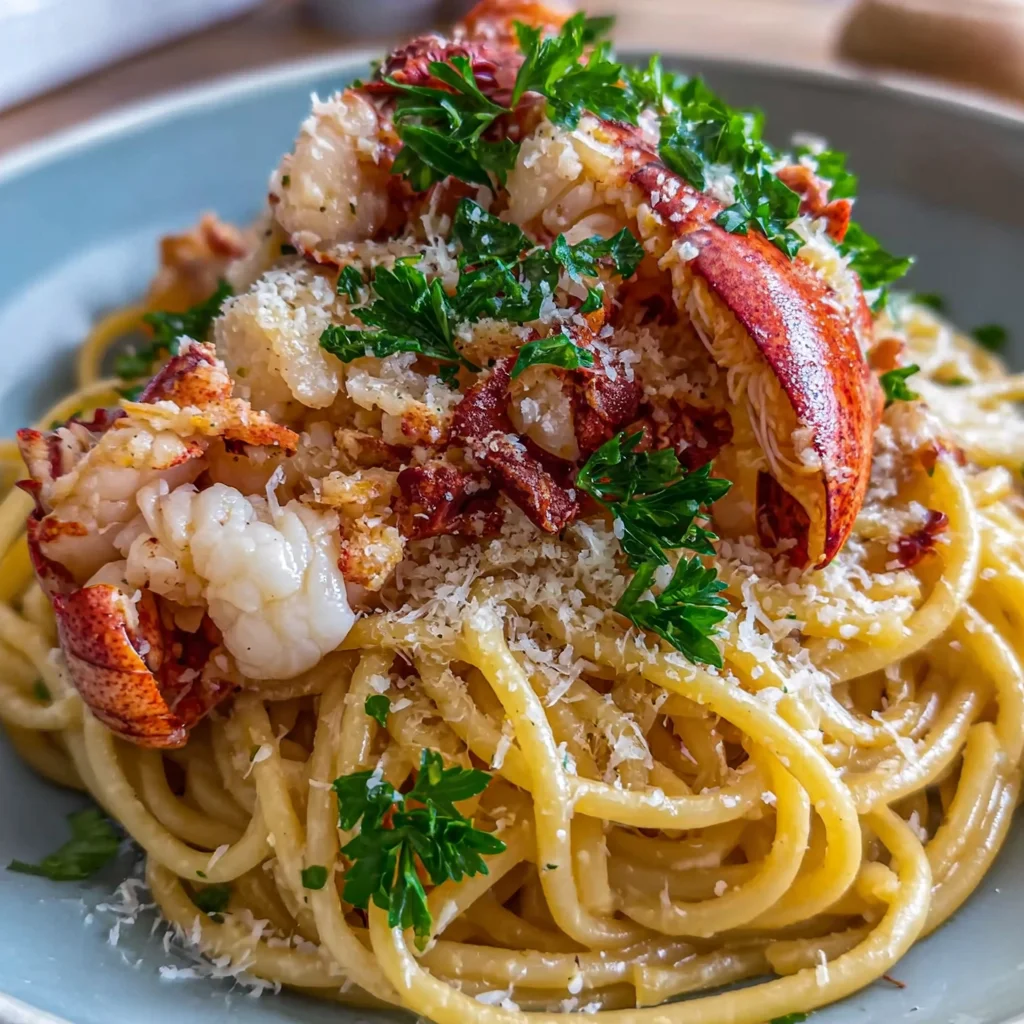
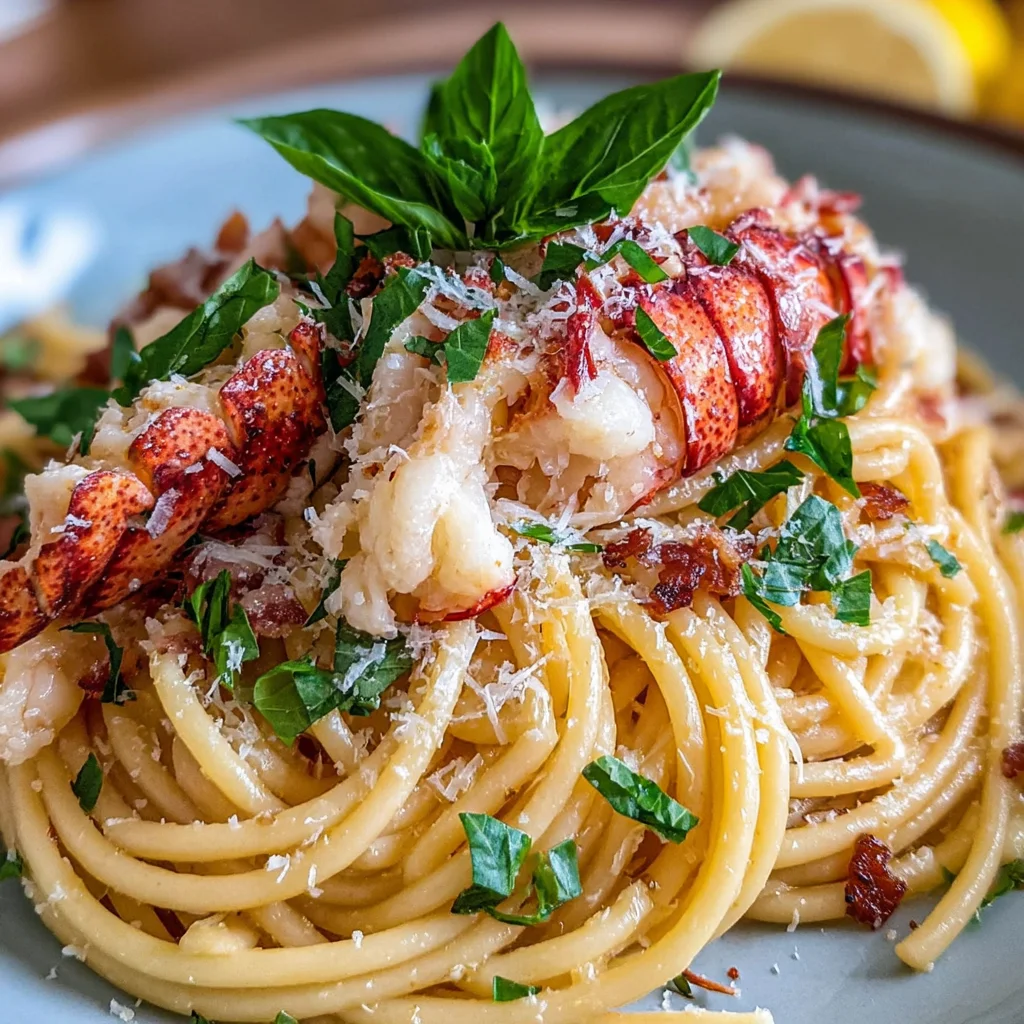
- Taste the dish and adjust seasoning with freshly ground black pepper and additional salt if needed. Serve the Delicious Lobster Bucatini immediately in warm bowls, garnished with torn fresh basil leaves and a generous sprinkle of grated Parmesan cheese.
Tools You’ll Need
- Large pot for pasta
- Large, deep skillet or Dutch oven
- Wooden spoon or tongs
- Cutting board
- Sharp knife
- Measuring cups and spoons
- Lemon zester (optional)
- Kitchen shears (optional, for lobster)
Essential Success Tips
- Do not overcook the lobster; it becomes tough very quickly. Cook it just until opaque.
- Always salt your pasta water generously; it's the only chance to season the pasta itself.
- Reserve plenty of pasta water. Its starch helps emulsify the sauce, making it silky and ensuring it clings beautifully to the bucatini.
- Use a good quality dry white wine that you would enjoy drinking, as its flavor will concentrate in the sauce.
- Finish the dish by tossing the pasta directly in the sauce. This allows the pasta to absorb the flavors and creates a harmonious blend.
Professional Cooking Secrets
- To get the most flavor from your lemon, zest it first before cutting and juicing. The zest contains potent aromatic oils that add brightness without adding acidity.
- When preparing lobster tails, if you have access to whole lobsters, consider saving the shells to make a quick lobster stock. This stock can be used instead of some pasta water for an even deeper lobster flavor in the sauce.
- For an extra layer of flavor and texture, briefly toast the bucatini in the dry skillet for a minute or two before adding it to the boiling water. This brings out a nutty aroma in the pasta.
Notes
- Storage: Leftover Lobster Bucatini is best enjoyed fresh. If you have leftovers, store them in an airtight container in the refrigerator for up to 1 day. Reheat gently on the stovetop with a splash of water or broth to loosen the sauce.
- Variations: Feel free to experiment with other seafood like shrimp or scallops, added either in place of or in addition to the lobster. A pinch of saffron can also be added to the sauce for an elevated aroma and golden hue. For a lighter sauce, you can reduce the amount of heavy cream or substitute some with vegetable broth.
Frequently Asked Questions
Can I use frozen lobster tails for this recipe?
Yes, absolutely. Just ensure they are fully thawed before you begin preparing them. Thawing overnight in the refrigerator is ideal, or in a sealed bag under cold running water for quicker thawing.
What kind of white wine is best for the sauce?
A dry white wine works best, such as Pinot Grigio, Sauvignon Blanc, or an unoaked Chardonnay. Avoid sweet wines, as they will alter the flavor profile of the savory sauce.
How can I make this dish spicier?
You can increase the amount of crushed red pepper flakes to 1 teaspoon or more, according to your preference. Adding a fresh finely diced chili pepper along with the garlic and shallots would also introduce a vibrant heat.
Nutrition Facts (Per Serving)
Calories: 650, Protein: 40g, Fat: 35g, Carbs: 50g. (Estimates based on typical ingredient quantities)
Allergy Information
Contains shellfish (lobster), dairy (butter, cream, Parmesan), and gluten (bucatini pasta). For a gluten-free version, use gluten-free bucatini or another pasta shape. For a dairy-free option, use plant-based butter and cream alternatives, though the flavor and texture will vary.




No comment