
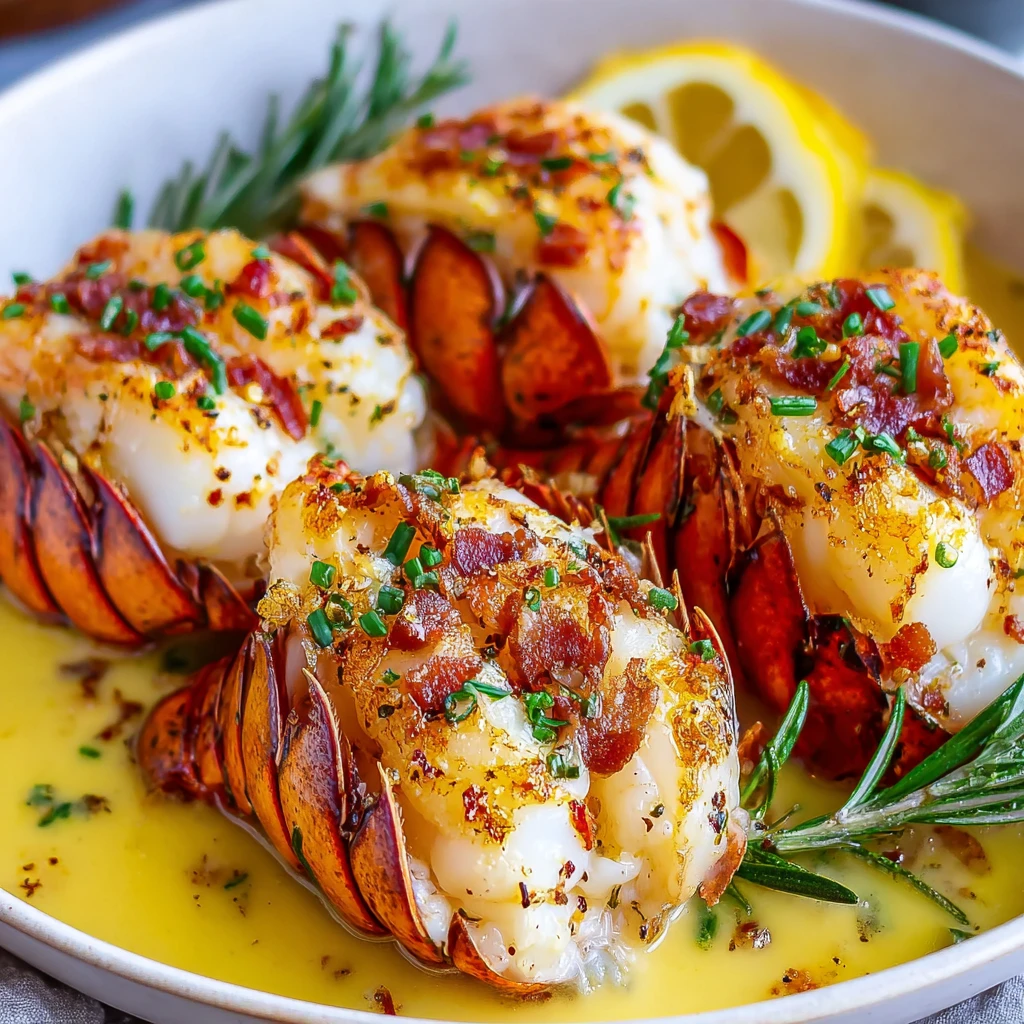
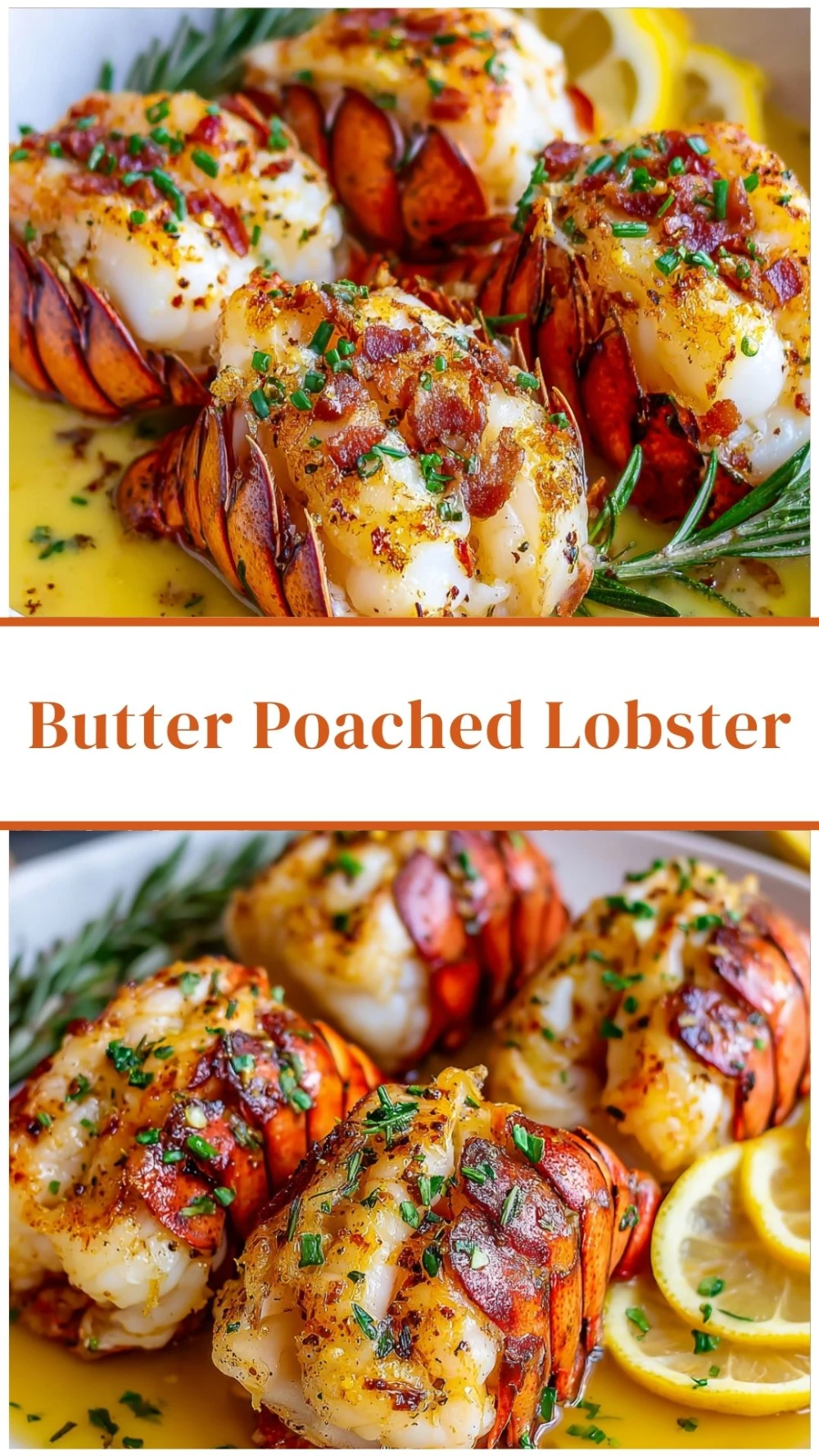
Butter Poached Lobster
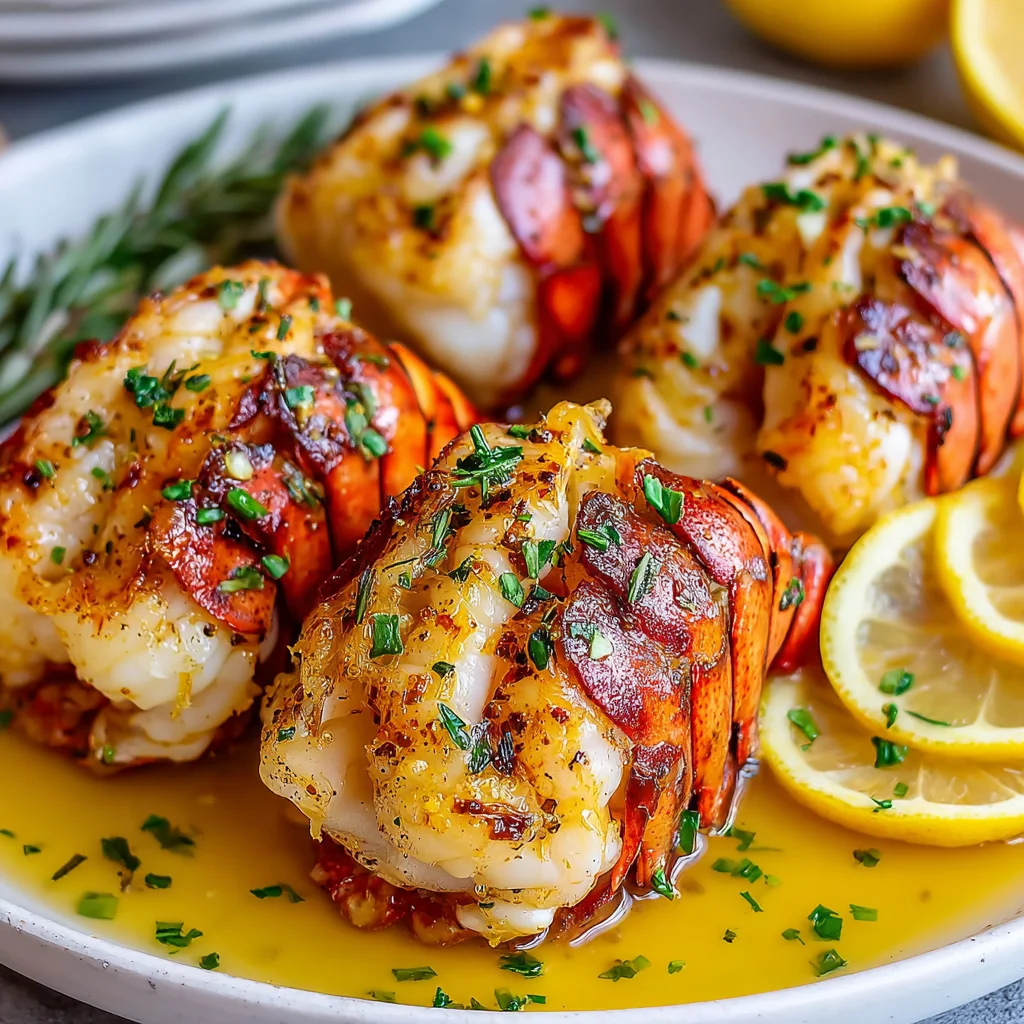
Indulge in the exquisite luxury of butter-poached lobster, a dish that celebrates the natural sweetness and tender texture of premium lobster tails. Gently cooked in a fragrant bath of herb-infused butter, this recipe elevates the seafood experience to an art form. It's an elegant yet surprisingly simple preparation, perfect for impressing guests or savoring a special meal.
Prep Time
15 minutes
Cook Time
8 minutes
Total Time
23 minutes
Servings
4 servings
Keywords
Why This Recipe Delivers
- Achieves incredibly tender, melt-in-your-mouth lobster meat every time.
- Infuses rich butter with aromatic herbs and garlic for unparalleled flavor.
- An elegant dish that looks impressive but is surprisingly straightforward to prepare.
- Highlights the natural sweetness of fresh lobster with minimal fuss.
- Perfect for romantic dinners, holidays, or any celebratory meal.
Ingredients
- 4 lobster tails, shells removed
- 150-170 grams (10-12 tablespoons) unsalted butter, cut into cubes
- 6 cloves garlic, crushed or sliced in half
- 3-4 sprigs fresh rosemary
- 4-5 sprigs fresh thyme
- 2.5 grams (1/2 teaspoon) sea salt or citrus salt
- 5 grams (1 teaspoon) black pepper
- 1 lemon, sliced and zested
- 2 grams (1/2 teaspoon) chili flakes
- 30 grams (2 tablespoons) minced chives
Instructions
- Prepare the lobster tails by putting on gloves for a better grip. Using sharp kitchen shears, carefully cut along the thin, underside membrane of each lobster tail shell. Gently use your hands to loosen and lift the pristine tail meat entirely out of the shells. Separate the meat from the shells and set the empty shells aside for another use if desired. Thoroughly pat the lobster meat dry with paper towels to ensure a beautiful sear and prevent butter splatter.
- Season the prepared lobster meat evenly on all sides with 2.5 grams (1/2 teaspoon) sea salt or citrus salt and 5 grams (1 teaspoon) freshly ground black pepper. This initial seasoning layer is crucial for enhancing the lobster's natural flavor.
- In a medium-sized, heavy-bottomed saucepan, add the 150-170 grams (10-12 tablespoons) of unsalted butter, cut into cubes. Place the saucepan over medium heat. Allow the butter to melt completely and just begin to foam, indicating it's reaching the ideal temperature for infusion.
- Once the butter is melted and foaming, carefully skim off and discard any white foam that rises to the surface. This step is important for clarity and purity of the butter sauce.
- Reduce the heat to medium-low. Add the 6 crushed or halved garlic cloves, 3-4 sprigs of fresh rosemary, 4-5 sprigs of fresh thyme, and 2 grams (1/2 teaspoon) of chili flakes to the infused butter. Gently swirl the pan or stir the mixture for 1-2 minutes, allowing the aromatics to deeply infuse their flavors into the warm butter without browning. It is crucial to keep the butter hot but prevent it from turning brown, which would impart a nutty rather than fresh, herbaceous flavor.
- Carefully add the seasoned lobster tail meat to the infused butter in a single layer, ensuring not to overcrowd the pan. Using a spoon, continuously baste or spoon the flavored butter over the lobster meat. Alternatively, you can gently tilt the pan and use the pooling butter to repeatedly coat the lobster, ensuring even cooking and maximum flavor penetration.
- Continue to cook the lobster, flipping each tail once, and basting continuously. The lobster is perfectly cooked when the meat turns opaque throughout and feels firm but still tender to the touch, typically taking about 4-6 minutes total, depending on the thickness of the tails. Adjust cooking time as necessary; overcooked lobster can become rubbery.
- Once cooked, immediately transfer the lobster tails to a clean serving plate. Using a slotted spoon, carefully remove and discard the rosemary and thyme sprigs and the garlic pieces from the butter sauce.
- Place a fine-mesh sieve over a medium bowl. Carefully pour the remaining melted butter from the saucepan through the sieve, straining out any small solids or herb fragments. This process yields a beautifully clear, aromatic butter sauce. Reserve this strained butter sauce.
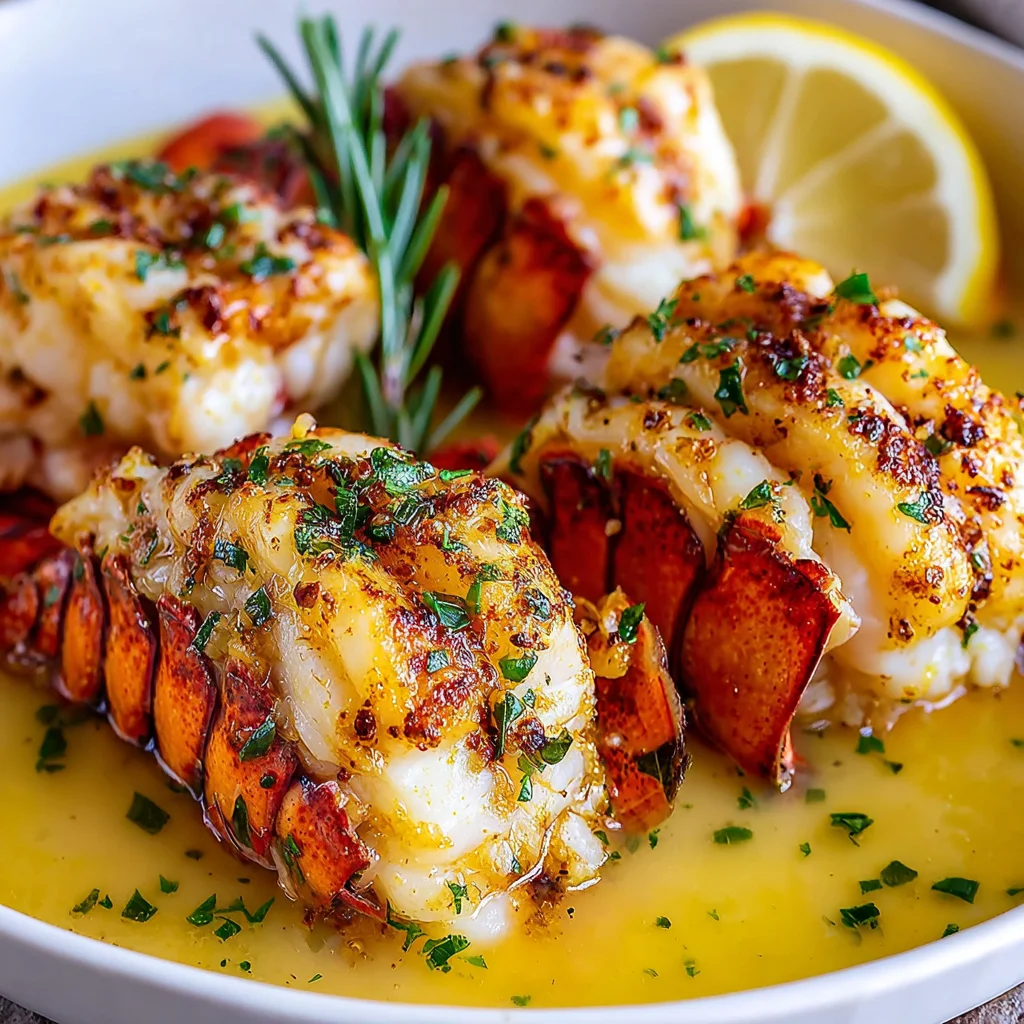
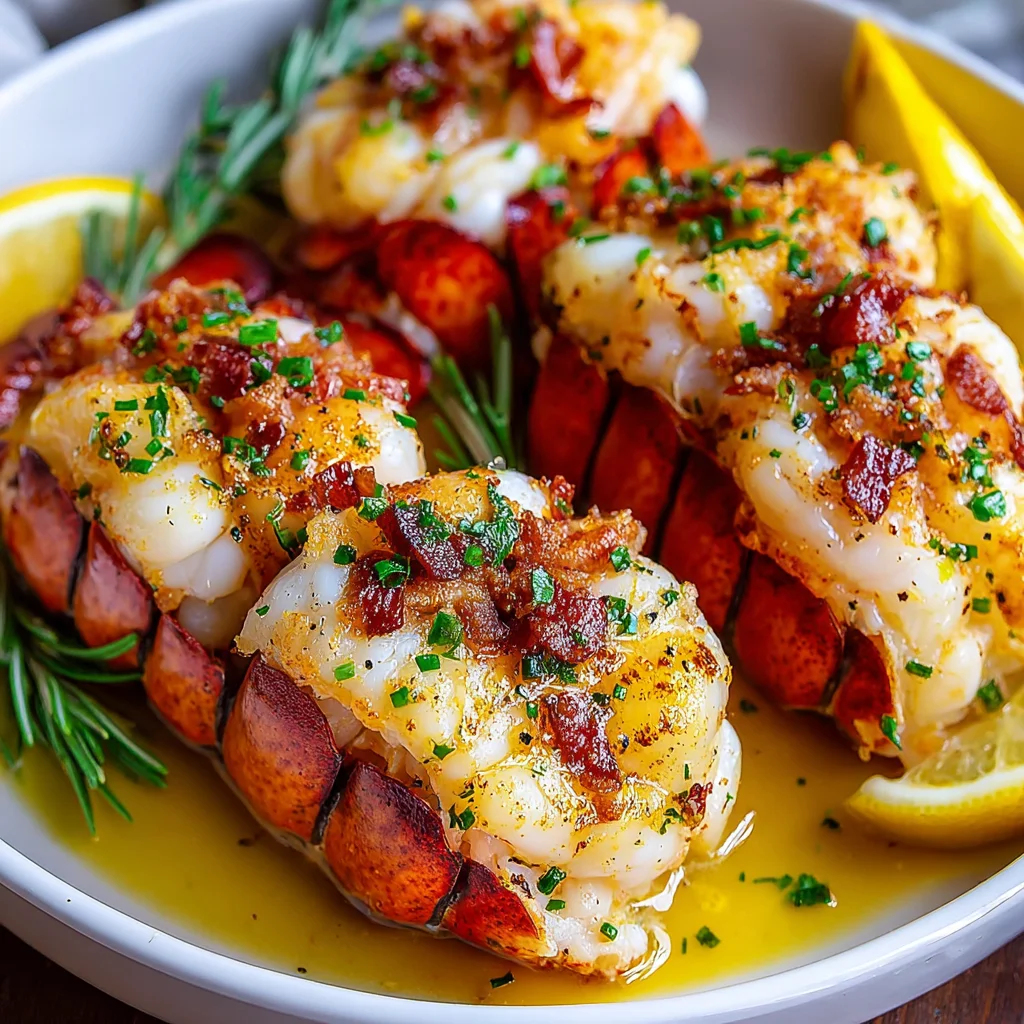
- Arrange the perfectly cooked lobster on individual serving plates. Generously spoon the warm, strained butter sauce over each tail, allowing it to pool around the succulent meat.
- Garnish the finished dish with fresh lemon slices, a sprinkle of bright lemon zest, and 30 grams (2 tablespoons) of freshly minced chives. If desired, add a final flourish of freshly ground black pepper to taste. Serve immediately, encouraging diners to spoon more of the exquisite butter sauce over their lobster as they enjoy.
Tools You’ll Need
- Sharp kitchen shears
- Medium-sized heavy-bottomed saucepan
- Slotted spoon
- Fine-mesh sieve
- Medium bowl
- Tongs or serving spoon
- Measuring spoons and cups
- Cutting board
- Chef's knife
Essential Success Tips
- Pat the lobster meat extremely dry before seasoning; this helps prevent the butter from splattering and ensures the seasoning adheres properly.
- Do not allow the butter to brown during the infusion process; keep the heat low enough to simply warm and infuse the herbs without caramelizing the milk solids.
- Baste continuously: constantly spooning the butter over the lobster is key to even cooking and maximum flavor absorption.
- Avoid overcooking: lobster cooks quickly. Once opaque and firm, it's done. Overcooked lobster becomes rubbery and loses its delicate texture.
- Serve immediately: butter-poached lobster is best enjoyed fresh off the stove while warm and succulent.
Professional Cooking Secrets
- For an extra touch of luxury, consider clarifying your butter first. This removes milk solids, preventing potential browning and leaving you with pure, golden liquid gold for poaching.
- Experiment with different herb combinations; tarragon and dill can also complement lobster beautifully. A hint of orange zest instead of lemon can offer a unique aromatic twist.
- Save the lobster shells! They are a treasure trove of flavor perfect for making a rich lobster stock, which can then be used in risottos, bisques, or sauces.
Notes
- Leftovers can be stored in an airtight container in the refrigerator for up to 1 day. Reheat gently in a pan with a little butter or in a low oven to prevent toughness.
- For a spicier kick, increase the amount of chili flakes. For a milder version, omit them entirely.
- This dish pairs wonderfully with a side of creamy risotto, delicate pasta, steamed asparagus, or crusty bread to soak up the exquisite butter sauce.
Frequently Asked Questions
Can I use frozen lobster tails for this recipe?
Yes, you can. Ensure they are fully thawed in the refrigerator overnight before preparing. Pat them very dry before proceeding with the recipe.
What's the best way to tell if the lobster is cooked through?
The lobster meat will turn opaque white throughout and feel firm when gently pressed, but still springy. If it's translucent or jelly-like, it needs more time. Be careful not to cook too long, or it will become tough.
Can I prepare the butter sauce ahead of time?
While you can infuse the butter with herbs and garlic ahead of time, it's best to poach the lobster just before serving for optimal texture and warmth. You can prepare the aromatic butter base and gently reheat it when ready to cook the lobster.
Nutrition Facts (Per Serving)
Calories: 420, Protein: 28g, Fat: 35g, Carbs: 2g (Estimated values per serving, based on 4 servings and typical ingredient amounts.)
Allergy Information
Contains shellfish (lobster) and dairy (butter). This recipe is naturally gluten-free if served without bread or gluten-containing sides.

No comment