

Best Cozy Winter Dinner Recipes to Warm Your Soul Tonight
As the days grow shorter and the temperatures drop, there's nothing quite like a hearty, soul-warming dinner to bring comfort and joy. This collection of cozy winter dinner ideas focuses on rich flavors, tender proteins, and creamy textures, designed to chase away the chill and leave you feeling utterly satisfied. Embrace the season with dishes that are both deeply flavorful and wonderfully comforting.
Prep Time
Approximately 30-45 minutes (depending on chosen dish components)
Cook Time
Approximately 30 minutes to 8 hours (depending on chosen cooking method, e.g., baking vs. slow cooking)
Total Time
Varies from 1 hour to 8.5 hours depending on chosen recipe type
Servings
Varies by specific dish, typically 4-6 servings per main component
Keywords
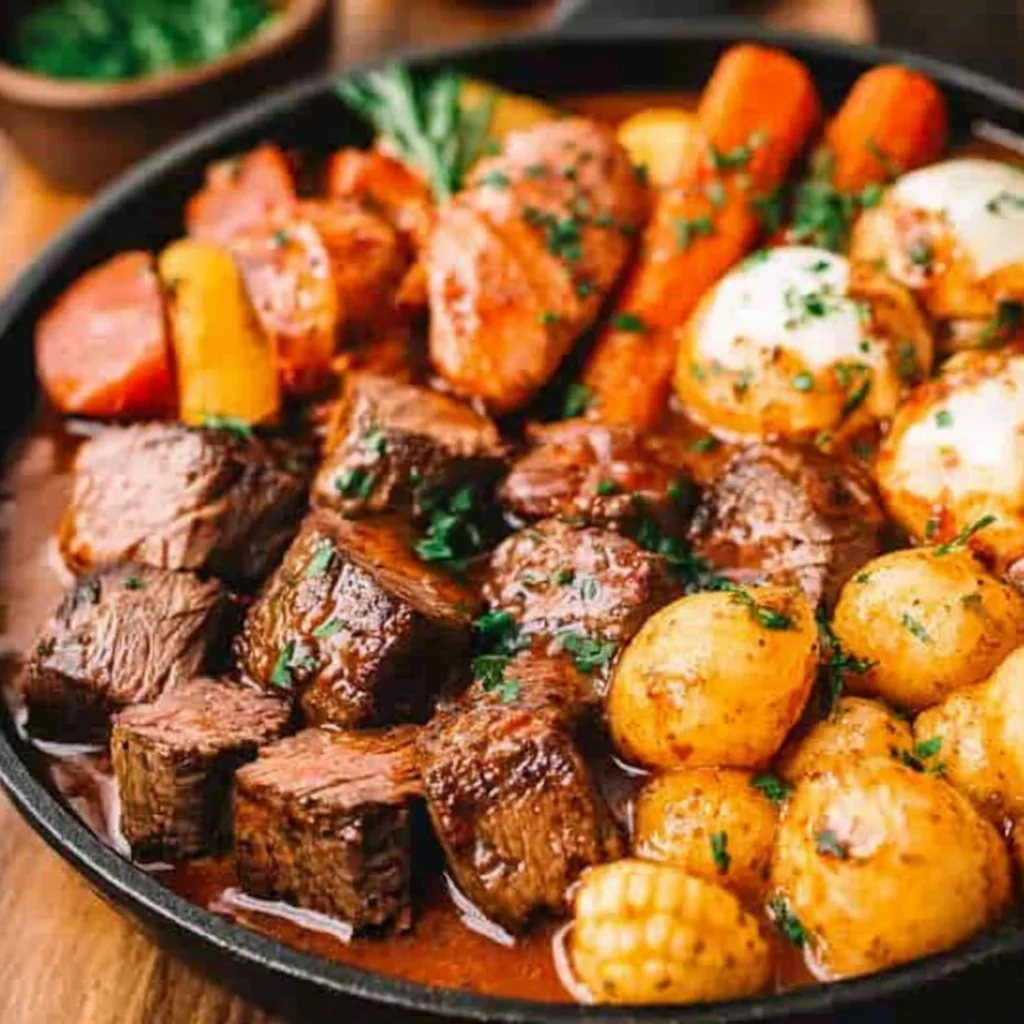
Why This Recipe Delivers
- Delivers ultimate comfort and warmth on cold evenings.
- Offers versatile options for various tastes and dietary needs.
- Features rich, deeply satisfying flavors that are perfect for the season.
- Provides hearty, filling meals that nourish the body and soul.
- Many options are perfect for meal prepping or feeding a crowd.
Ingredients
- 450 grams (1 pound) Beef Tenderloin or Steak Tips
- 2 pieces Chicken Breast, about 340-450 grams (12-16 ounces) total
- 225 grams (8 ounces) Smoked Meats (such as bacon, sausage, or ham), diced or sliced
- 900 grams (2 pounds) Slow Cooker / Instant Pot Beef Roast
- 240 milliliters (1 cup) Parmesan Cheese, freshly grated
- 480 milliliters (2 cups) Mozzarella and Cheddar Cheese, shredded
- 240 milliliters (1 cup) Heavy or Cooking Cream
- 480 milliliters (2 cups) Caramelized Onions (prepared)
- 960 milliliters (4 cups) Potatoes (e.g., Russet or Yukon Gold), prepared for au gratin, roasting, or mashing
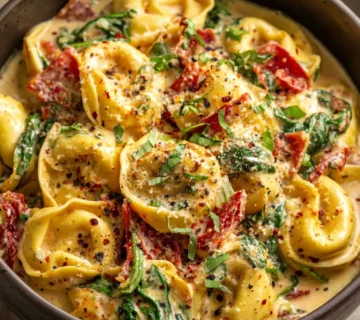
- 450 grams (16 ounces) Tortellini, Gnocchi, or your preferred Pasta
- 480 milliliters (2 cups) Seasonal Vegetables (e.g., cubed butternut squash, halved cherry tomatoes, green beans)
- 15 milliliters (1 tablespoon) Chili Oil and Spices (e.g., paprika, cumin, cayenne), optional
- Fresh Herbs (e.g., parsley, thyme, rosemary) for garnish
- Crispy Bacon Crumbles for garnish
- 480 milliliters (2 cups) Rice, uncooked (for side dishes)
- 240 milliliters (1 cup) Pumpkin puree or diced pumpkin
- Salt, to taste
- Freshly ground Black Pepper, to taste
- Olive oil or butter, for cooking
Instructions
- Prepare Proteins for Sealing or Slow Cooking. Begin by trimming any excess fat from your beef tenderloin, steak tips, chicken breasts, or beef roast. Pat the protein pieces thoroughly dry with paper towels to ensure a proper sear. Season generously on all sides with kosher salt, freshly ground black pepper, and your choice of dried herbs like rosemary or thyme, allowing the flavors to penetrate.
- Slowly Caramelize Onions. In a heavy-bottomed pan or Dutch oven, add a touch of olive oil or butter. Cook thinly sliced onions over very low heat, stirring occasionally, until they become deeply golden brown, incredibly sweet, and softened. This process can take 20-30 minutes but is crucial for developing profound flavor.
- Sear Meats to Build Flavor. Heat a large, sturdy skillet over medium-high heat with a tablespoon of olive oil or butter until shimmering. Carefully place your seasoned beef tenderloin, steak tips, or chicken breasts into the hot pan. Sear each side for 2-4 minutes until a rich, dark crust forms. This browning step, known as the Maillard reaction, creates incredible depth of flavor.
- Craft Creamy Cheese Sauces. In a saucepan over medium-low heat, gently warm the heavy or cooking cream. Gradually whisk in grated Parmesan cheese, shredded mozzarella, and cheddar until the cheese is completely melted and the sauce is smooth and luxurious. Season with a pinch of salt and pepper to taste. Keep warm until ready to assemble.
- Thoughtfully Assemble Layered Dishes. For casseroles or slow-cooker meals, begin by layering your chosen base, such as cooked pasta, gnocchi, or pre-baked potato slices. Follow with generous dollops of the creamy cheese sauce, then arrange your seared meats, caramelized onions, and any chosen vegetables. Repeat layers for a robust and satisfying dish.
- Engage Slow Cooking or Pressure Cooking. If preparing a beef roast, transfer it to a slow cooker with aromatics and liquid, cooking on low for 6-8 hours until fork-tender. Alternatively, use an Instant Pot for a faster cooking time, following your appliance's specific instructions for roasts.
- Prepare Complementary Sides. While your main dish is cooking, prepare your chosen side. This could involve making a velvety mashed potato puree, assembling a decadent potato au gratin for baking, or roasting cubed butternut squash or other vegetables with olive oil and herbs until tender and caramelized.
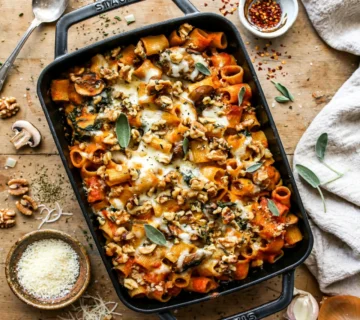
- Bake Until Golden and Bubbly. For assembled casseroles or pasta bakes, preheat your oven to 175°C (350°F). Bake the dish uncovered for 20-30 minutes, or until the top is golden brown, the cheese is bubbling vigorously, and the flavors have melded together beautifully.
- Gently Simmer Hearty Soups. If crafting a soup, such as a tortellini soup or a pumpkin curry, combine all ingredients in a large pot or Dutch oven. Bring to a gentle simmer and cook until the pasta (if using) is al dente and the vegetables are tender. Stir occasionally to prevent sticking and allow the flavors to deepen.
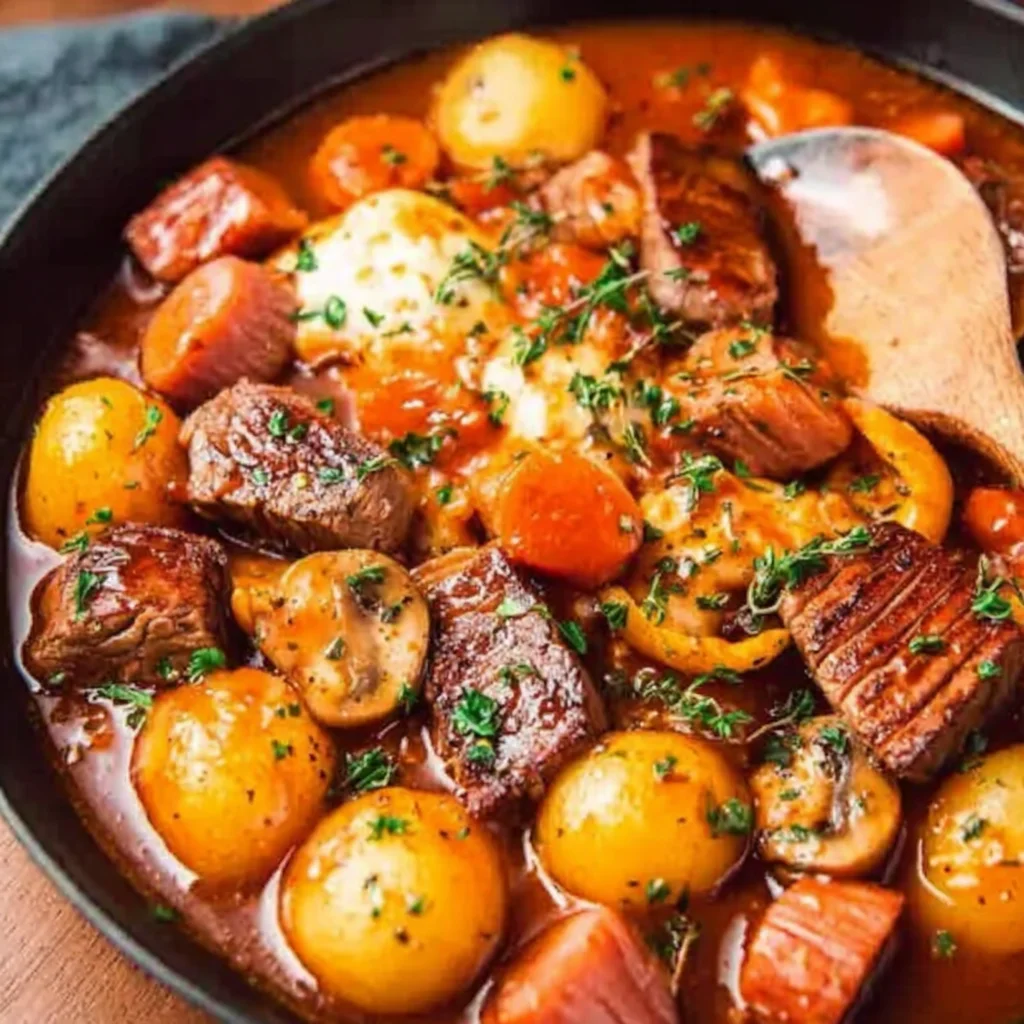
Tools You’ll Need
- Large skillet or cast-iron pan
- Heavy-bottomed pot or Dutch oven
- Saucepan
- Casserole dish(es)
- Slow cooker or Instant Pot (optional, depending on recipe)
- Cutting board and sharp knives
- Measuring cups and spoons
- Whisk
- Grater (for cheese)
- Baking sheets (for roasted vegetables)
Essential Success Tips
- Always pat proteins dry before searing; moisture inhibits browning and flavor development.
- Caramelize onions slowly and patiently; rush this step, and you'll miss out on their incredible depth of sweetness.
- Taste and adjust seasoning throughout the cooking process, especially with sauces and soups, to ensure perfect flavor balance.
- Don't overcrowd your pan when searing meats or roasting vegetables; work in batches if necessary to ensure even cooking and browning.
- Allow baked casseroles or roasts to rest for a few minutes after cooking; this helps redistribute juices and makes for easier serving.
Professional Cooking Secrets
- To enhance the savory depth of pan-seared meats, deglaze the pan after searing with a splash of wine, broth, or even water. Scrape up the browned bits (fond) from the bottom of the pan to create a flavorful base for sauces or to add to your slow cooker.
- When making creamy sauces, incorporate cold butter pieces at the end off the heat for extra richness and a silky, glossy finish, known as 'monter au beurre'.
- Layering flavors is key: start with aromatics, build with seared proteins, add sweet elements like caramelized onions, and finish with fresh herbs or a bright acid just before serving to lift the dish.
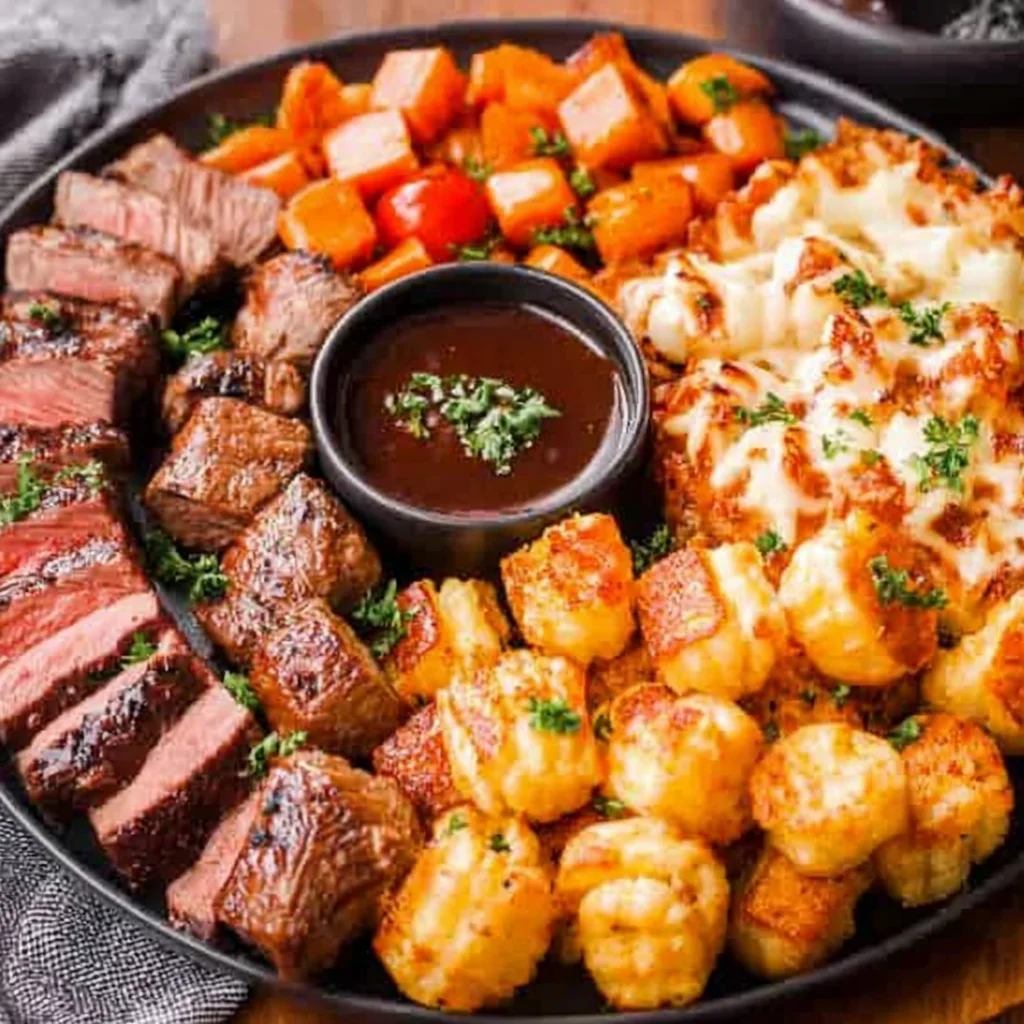
Notes
- Many of these dishes are excellent for meal prepping. Cook larger batches of protein or sauce and assemble individual portions for quick weeknight dinners.
- Leftovers can typically be stored in airtight containers in the refrigerator for 3-4 days. Reheat gently in the oven or microwave.
- For vegetarian options, swap out proteins for hearty mushrooms (like portobello or cremini), lentils, or robust root vegetables. Use vegetable broth instead of meat-based broths.
Frequently Asked Questions
What are the best vegetables to include in cozy winter dinners?
Root vegetables like butternut squash, carrots, parsnips, and potatoes are excellent choices. Hearty greens like kale and spinach, or even roasted brussels sprouts, also pair wonderfully with rich winter meals.
Can I make these dishes ahead of time?
Absolutely! Many casseroles and slow-cooked dishes are ideal for making ahead. Assemble them the day before and bake/cook when ready, or prepare components like caramelized onions and sauces in advance to speed up dinner prep on busy nights.
How can I make my winter dishes even more flavorful?
Don't skimp on aromatics like garlic, onions, and celery. Use high-quality broths, fresh herbs, and a good amount of seasoning. A splash of wine or a dollop of tomato paste can also add significant depth. Always remember to build flavors in layers.
Nutrition Facts (Per Serving)
Due to the variety of dishes presented, exact nutritional facts will vary. Generally, these cozy winter dinners tend to be rich in calories and macronutrients, often providing significant protein (25-40g+ per serving), carbohydrates (30-60g+), and healthy fats (15-30g+). Specific values depend on ingredient choices and portion sizes.
Allergy Information
This collection of recipes contains common allergens such as dairy (cheese, cream) and gluten (pasta, gnocchi, flour in some sauces). For gluten-free versions, use gluten-free pasta or gnocchi and ensure any broths or sauces are gluten-free. For dairy-free, substitute with plant-based creams and cheeses, or focus on recipes that are naturally dairy-free.



No comment