
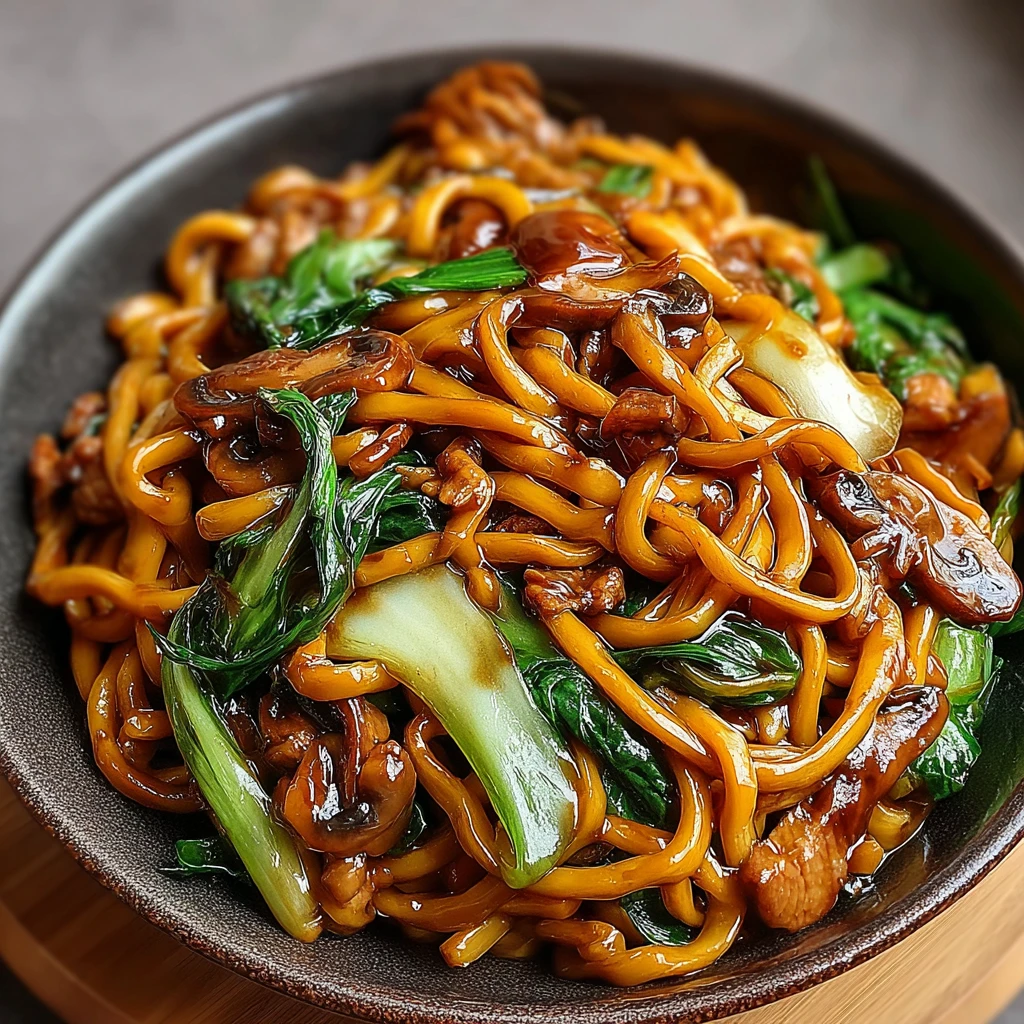
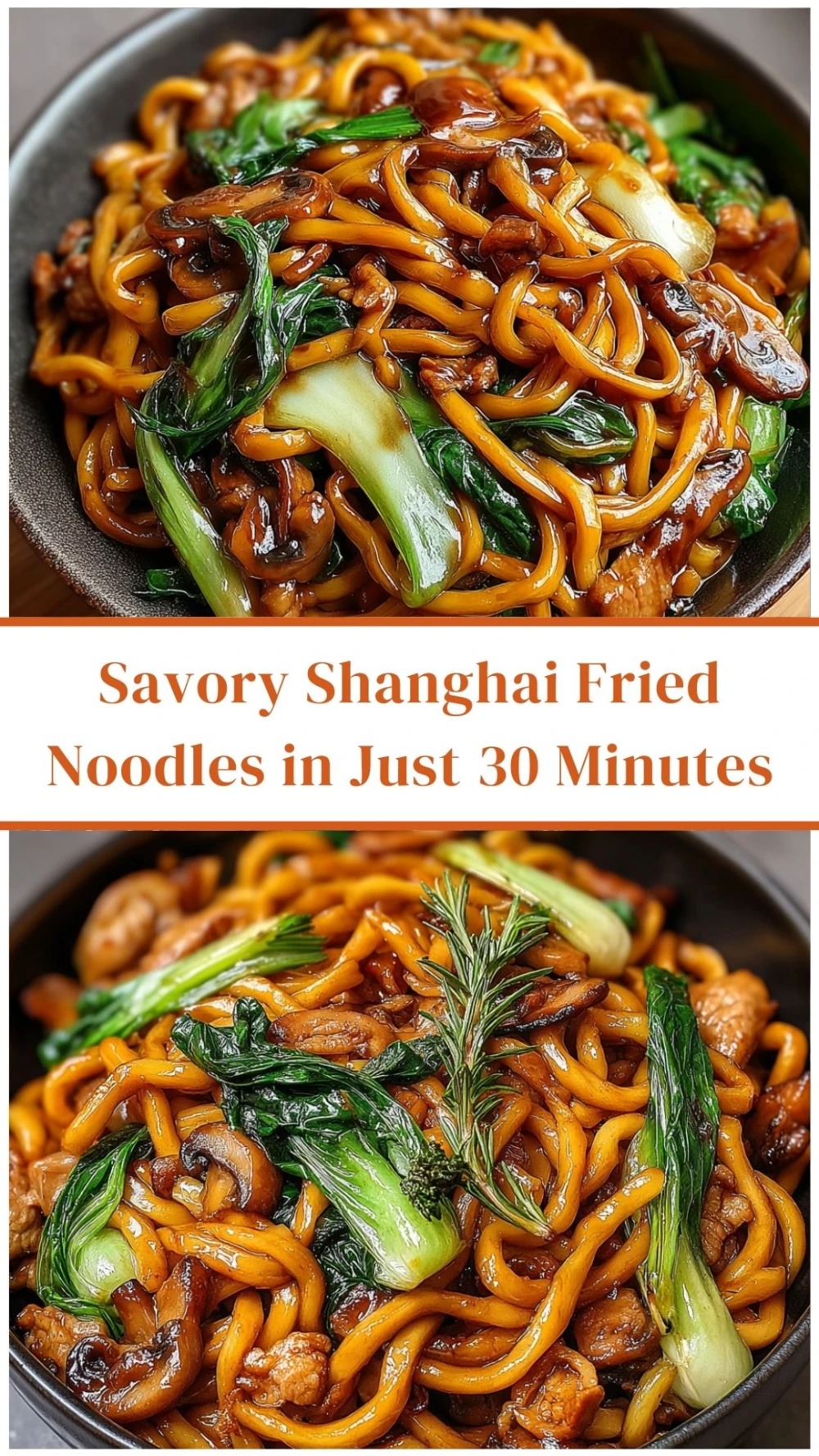
Savory Shanghai Fried Noodles in Just 30 Minutes
Craving authentic, stir-fried goodness but short on time? These Savory Shanghai Fried Noodles deliver a flavor-packed experience in under 30 minutes. Featuring tender marinated pork, crisp vegetables, and chewy thick noodles coated in a savory sauce, this dish brings the vibrant tastes of Shanghai to your kitchen with incredible ease.
Prep Time
15 minutes
Cook Time
15 minutes
Total Time
30 minutes
Servings
4 generous servings
Keywords
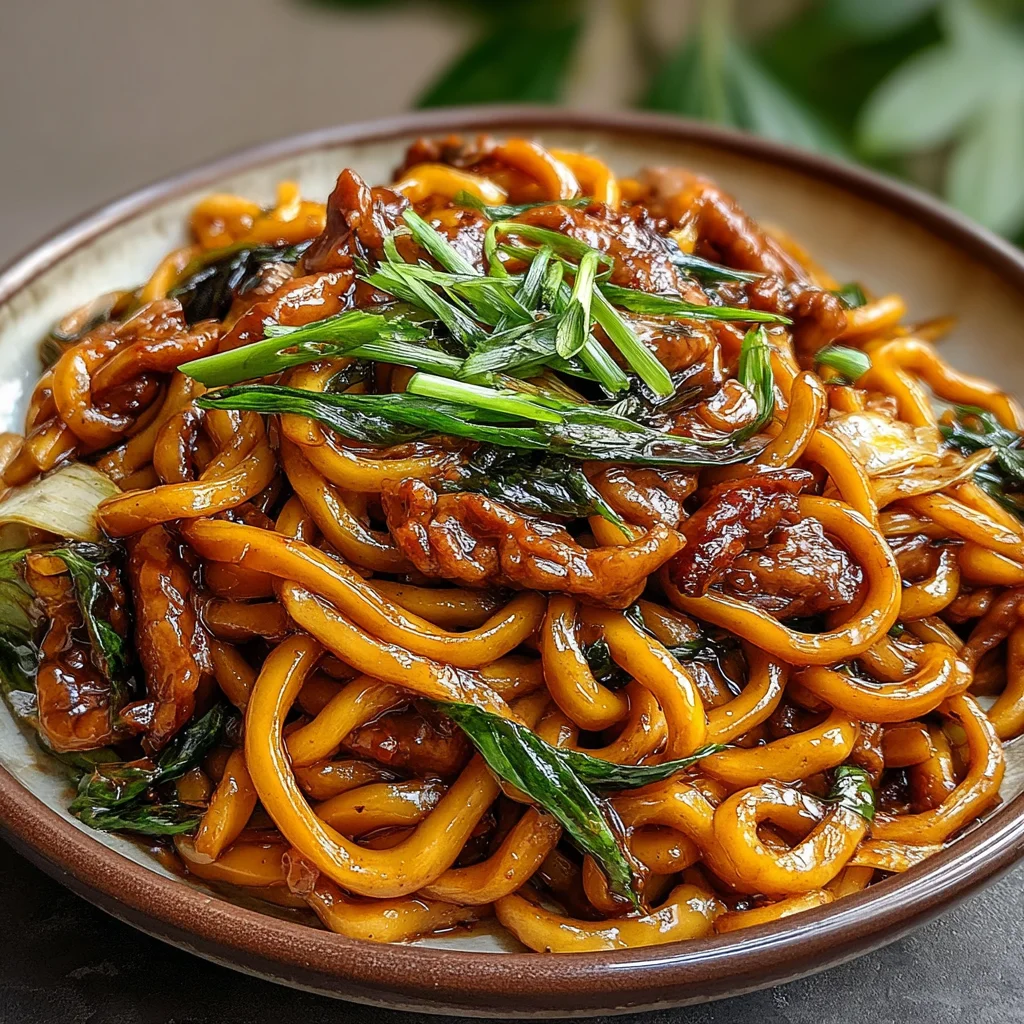
Why This Recipe Delivers
- Achieve authentic flavor in minimal time, perfect for busy evenings.
- Highly customizable with your choice of protein and a wide array of vegetables.
- A hearty and satisfying one-pan meal that comes together incredibly fast.
- Offers a fantastic opportunity to utilize leftover vegetables in a delicious way.
- Guaranteed to impress with its rich, savory taste and delightful texture contrast.
Ingredients
- 225 g (8 oz) Thick Noodles (Chow Mein or Lo Mein)
- 450 g (1 lb) Pork (thinly sliced), such as tenderloin or shoulder. Can substitute with chicken breast, shrimp, or firm tofu.
- 200 g (2 cups) Cabbage (chopped or shredded). Can substitute with bok choy or bell peppers.
- 80 g (1 cup) Mushrooms (sliced), shiitake or button mushrooms work well.
- 50 g (1 cup) Green Onions (chopped), plus extra for garnish. Shallots can be used if unavailable.
- 60 ml (1/4 cup) Soy Sauce (low-sodium for a healthier option)
- 3 cloves Garlic (minced), approximately 15 g
- 15 g (1 tbsp) Ginger (freshly grated)
- 30 ml (2 tbsp) neutral cooking oil (like canola or peanut oil), divided
Instructions
- Begin by combining the thinly sliced pork with 30 ml (2 tbsp) of the soy sauce, the minced garlic, and the freshly grated ginger in a medium bowl. Toss thoroughly to coat all the pork pieces. Allow the mixture to marinate at room temperature for at least 10 minutes to infuse the flavors.
- While the pork marinates, bring a large pot of generously salted water to a rolling boil over high heat. Add the thick chow mein or lo mein noodles and cook according to the package instructions until they are al dente, typically about 5-7 minutes. It is crucial not to overcook them as they will be stir-fried later. Drain the noodles thoroughly in a colander and rinse them with cold water to stop the cooking process and prevent sticking.
- Heat a large wok or a deep, heavy-bottomed skillet over high heat until it begins to smoke lightly. Add 15 ml (1 tbsp) of the neutral cooking oil. Once the oil is shimmering, add the marinated pork in a single layer. Stir-fry for about 3-4 minutes, breaking up any clumps, until the pork is browned and cooked through. Remove the cooked pork from the pan and set it aside, leaving any residual oil and flavorful bits in the wok.
- In the same wok, add the remaining 15 ml (1 tbsp) of cooking oil if necessary. Immediately add the chopped cabbage, sliced mushrooms, and most of the chopped green onions (reserve some for garnish). Stir-fry for about 4-5 minutes, tossing continuously, until the vegetables are tender-crisp, maintaining a slight bite.
- Return the cooked pork to the pan with the sautéed vegetables. Add the drained and rinsed noodles. Pour in the remaining 30 ml (2 tbsp) of soy sauce. Using tongs or two spatulas, toss everything together vigorously for an additional 2-3 minutes, ensuring the noodles, pork, and vegetables are well combined and coated in the savory sauce. The noodles should heat through and absorb the flavors.
- Taste the noodles and adjust seasoning if needed. Transfer the Savory Shanghai Fried Noodles immediately to plates or a large serving platter. Garnish generously with the reserved chopped green onions or a sprinkle of toasted sesame seeds for an added touch of aroma and texture. Serve hot and enjoy.
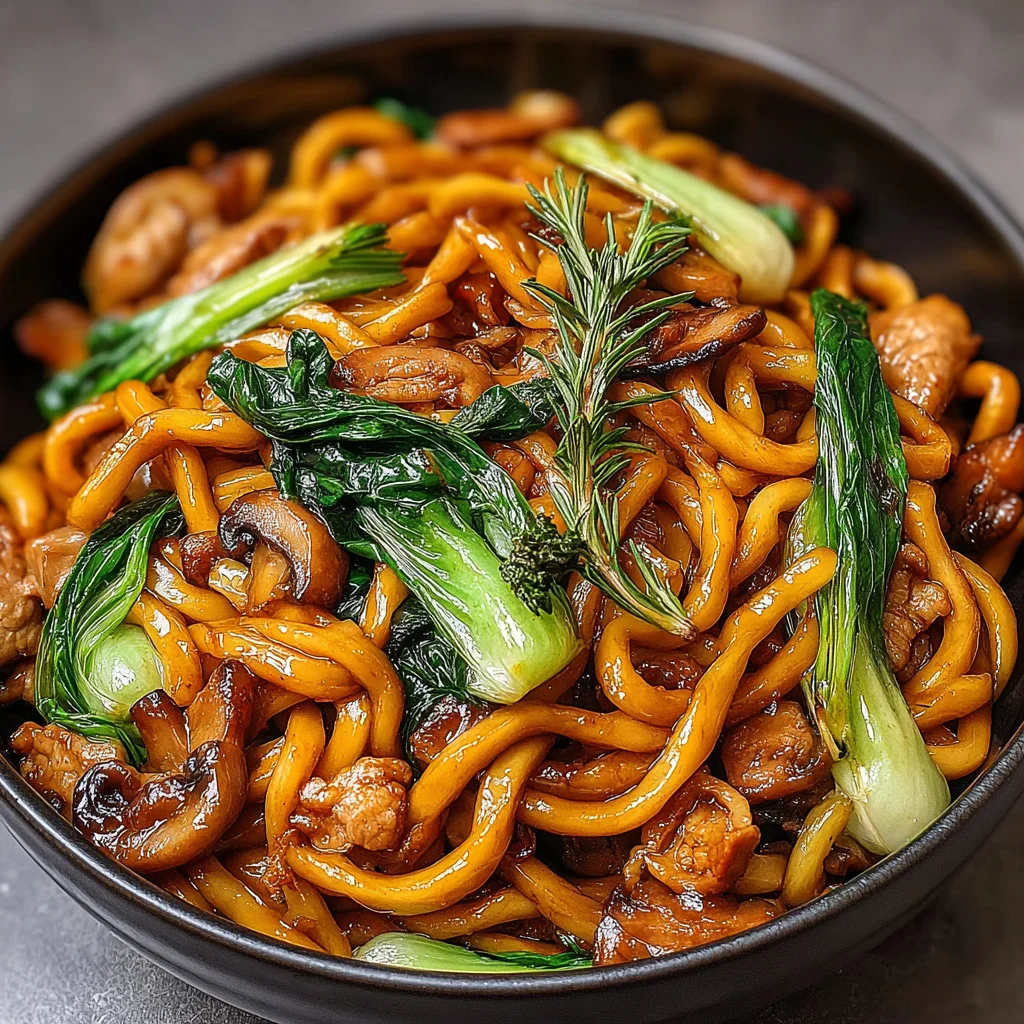
Tools You’ll Need
- Large pot for boiling noodles
- Large wok or deep skillet
- Cutting board
- Sharp knife
- Measuring spoons and cups
- Mixing bowls
- Colander
- Spatula or stir-fry utensil
- Tongs
Essential Success Tips
- Ensure your wok or pan is piping hot before adding ingredients. This is key to achieving that desirable 'wok hei' flavor and preventing food from steaming instead of stir-frying.
- Avoid overcrowding the pan, especially when cooking the pork and vegetables. If necessary, stir-fry in smaller batches to ensure even cooking and proper browning.
- Practice 'mise en place' by having all your ingredients prepped, chopped, and measured before you begin cooking, as stir-frying is a very rapid cooking method.
- Cook noodles only until al dente; they will finish cooking and absorb flavors when combined with the hot ingredients in the wok, preventing them from becoming mushy.
- Always taste the marinade and sauce components before adding them to the pan. Adjust seasonings, particularly the soy sauce, to your preference for optimal flavor.
Professional Cooking Secrets
- For extra depth of flavor in the pork, consider marinating it for an hour or even overnight in the refrigerator. This longer marination allows the ginger and garlic to deeply penetrate the meat, yielding a more tender and aromatic result.
- A subtle yet impactful pro tip is to add a small amount of toasted sesame oil (approximately 5 ml / 1 tsp) just before serving. Drizzle it over the finished noodles right off the heat, as cooking sesame oil directly can diminish its delicate flavor.
- If possible, use fresh, refrigerated noodles from an Asian market for superior texture. If using dried, ensure they are thick and robust enough to withstand the vigorous stir-frying without breaking apart. Rinsing boiled noodles with cold water is essential to remove excess starch and prevent sticking.
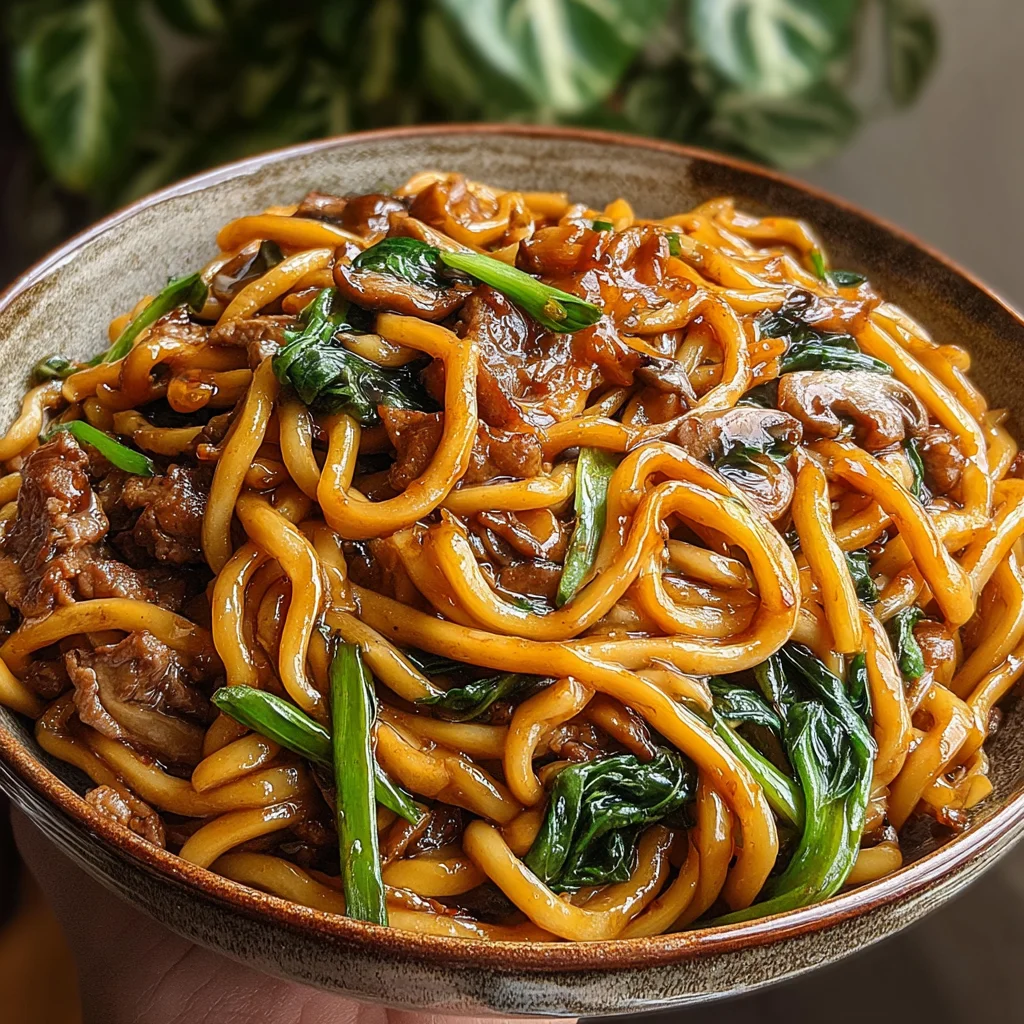
Notes
- Storage: Leftover Shanghai Fried Noodles can be stored in an airtight container in the refrigerator for up to 3 days. Reheat gently in a pan over medium heat or in the microwave until warmed through.
- Variations: Feel free to customize this dish with other vegetables such as snap peas, shredded carrots, bell pepper strips, or broccoli florets. For a vegetarian version, substitute pork with extra-firm tofu (pressed and cubed), increasing the amount of mushrooms for added texture. For a spicy kick, add a dash of chili oil or a pinch of red pepper flakes during the final stir-fry.
Frequently Asked Questions
Can I use different types of noodles for this dish?
Absolutely! While thick chow mein or lo mein noodles are traditionally used for Shanghai Fried Noodles, you can experiment with other sturdy varieties like udon, ramen, or even thick spaghetti in a pinch. The key is to ensure they are cooked al dente according to package directions so they hold up well during stir-frying.
How can I make this dish gluten-free?
To easily make these Shanghai Fried Noodles gluten-free, simply substitute regular soy sauce with tamari, which is a widely available gluten-free alternative. Additionally, ensure that the noodles you choose are certified gluten-free, as many conventional noodles contain wheat. Always check ingredient labels for hidden gluten.
What kind of pork is best for stir-frying?
For stir-frying, lean cuts of pork that cook quickly are ideal to ensure tenderness and avoid toughness. Pork tenderloin, boneless pork loin, or even thinly sliced pork shoulder (Boston butt) work wonderfully. Always slice the pork thinly and against the grain to maximize tenderness and quick cooking.
Nutrition Facts (Per Serving)
Calories: 480, Protein: 35g, Fat: 22g, Carbs: 38g, Sodium: 1200mg (can be reduced significantly with low-sodium soy sauce)
Allergy Information
Contains soy and gluten (from soy sauce and most conventional noodles). For a gluten-free version, use tamari and gluten-free noodles. Always check all ingredient labels for hidden allergens.


No comment