

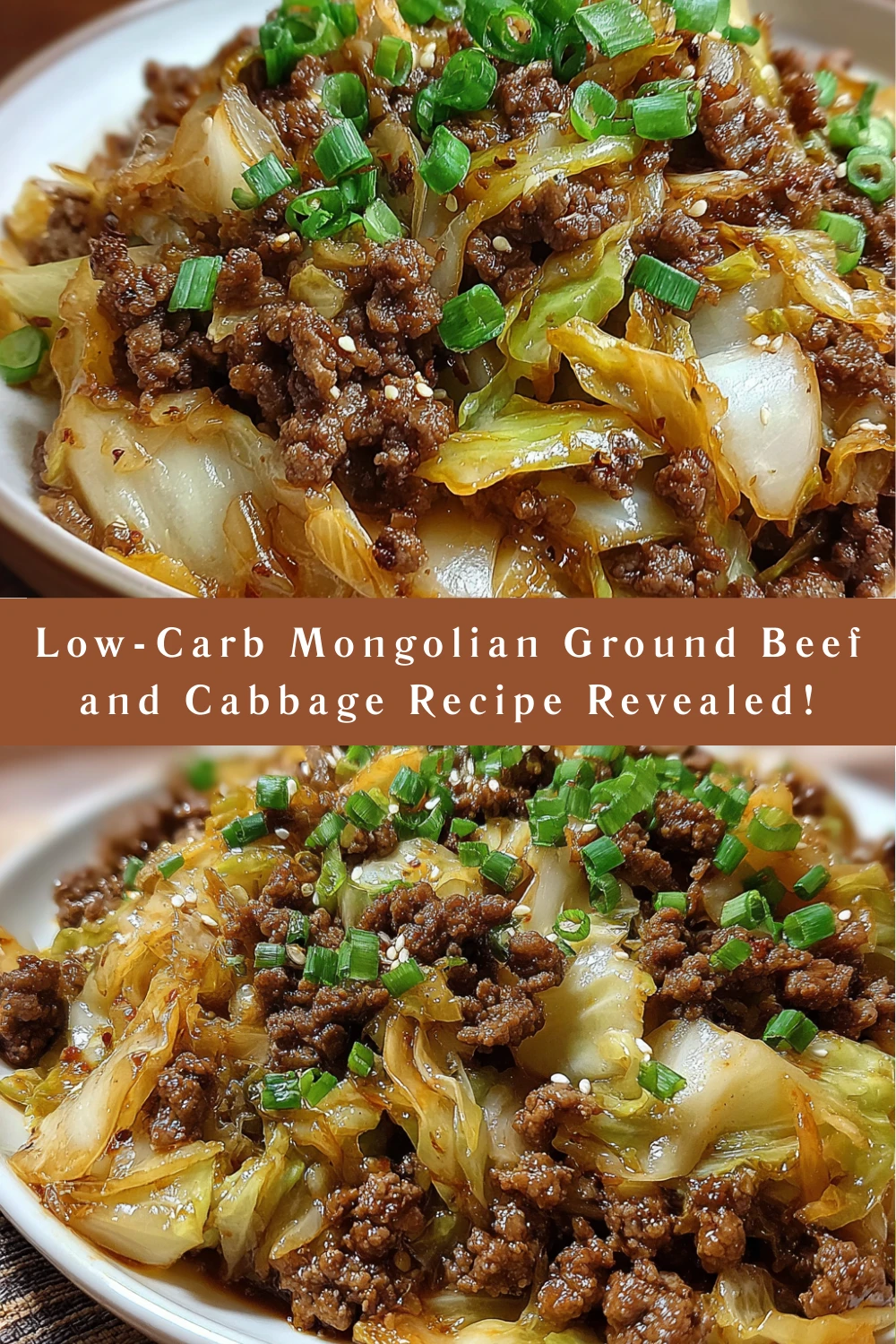
Low-Carb Mongolian Ground Beef and Cabbage Recipe Revealed!
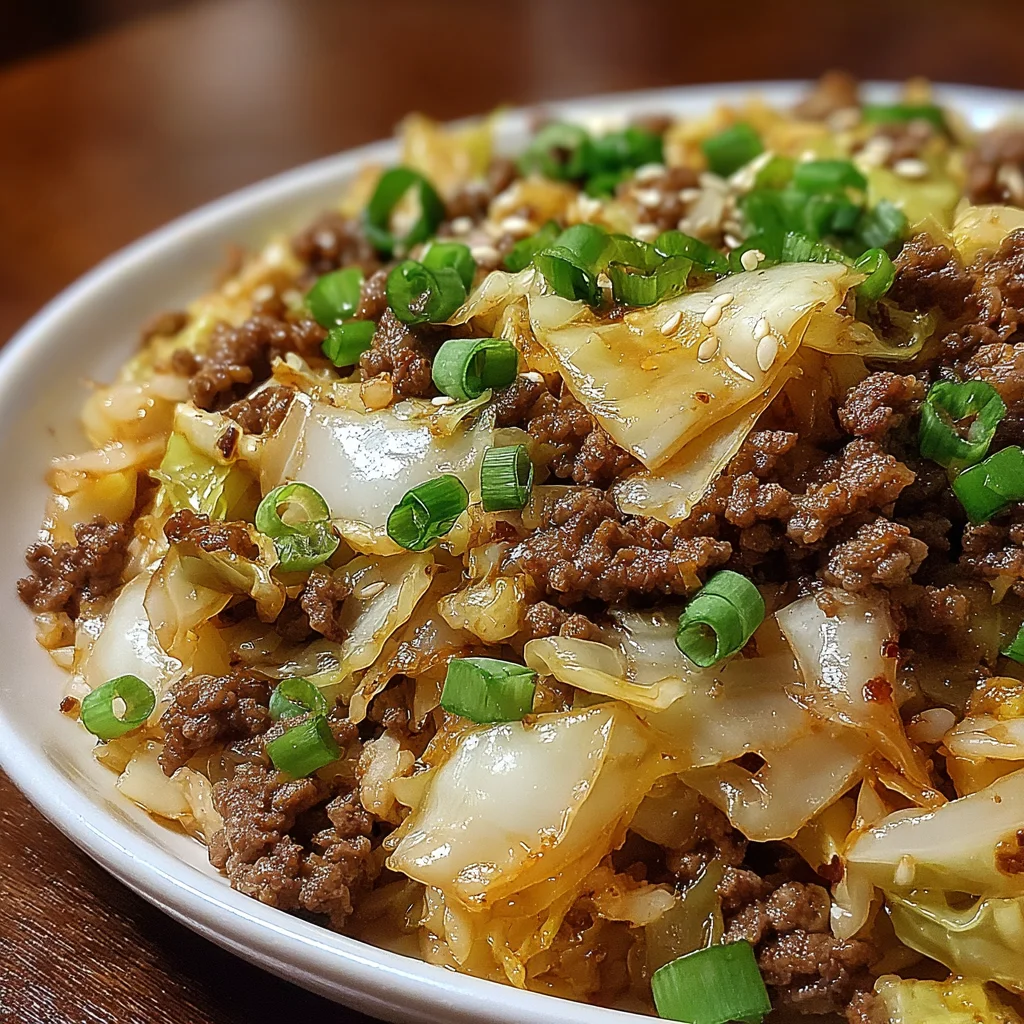
Experience the vibrant flavors of a classic Mongolian dish reimagined for a low-carb lifestyle. This recipe transforms ground beef and crisp cabbage into a sensationally savory and slightly sweet stir-fry, delivering a satisfying meal that's both quick to prepare and incredibly flavorful. It's the perfect weeknight solution for anyone craving bold Asian-inspired tastes without the added carbs.
Prep Time
15 minutes
Cook Time
15-20 minutes
Total Time
30-35 minutes
Servings
4 servings
Keywords

Why This Recipe Delivers
- Achieves authentic Mongolian BBQ flavors with a fraction of the carbs, perfect for keto and low-carb diets.
- Incredibly quick to prepare, making it an ideal solution for busy weeknights without compromising on taste.
- Packed with nutrient-rich vegetables like cabbage and garlic, offering a wholesome and satisfying meal.
- Highly versatile; easily adaptable with different vegetables or protein sources.
- A single skillet meal, simplifying cleanup and maximizing your time.
Ingredients
- 500g (1 lb) lean ground beef
- 75g (1/2 small) onion, finely diced
- 225g (3 cups) green cabbage, shredded
- 3 cloves garlic, minced
- 30ml (2 tablespoons) soy sauce (or coconut aminos for a soy-free, lower sodium option)
- 15ml (1 tablespoon) sesame oil
- 15ml (1 tablespoon) rice vinegar
- 5ml (1 teaspoon) ground ginger
- 1.25ml (1/4 teaspoon) red pepper flakes (optional, for a touch of heat)
- Salt and freshly ground black pepper to taste
- 2 green onions, thinly sliced (for garnish)
- 15g (1 tablespoon) toasted sesame seeds (optional, for garnish)
Instructions
- In a large, heavy-bottomed skillet or wok, brown the ground beef over medium-high heat. Break it apart with a spoon as it cooks, ensuring it's evenly browned and cooked through. This step develops deep, savory notes and eliminates any raw meat flavor. Once fully cooked, carefully drain any excess fat from the skillet to prevent a greasy final dish and set the beef aside.
- Reduce the heat to medium. Add the finely diced onion to the same skillet, stirring frequently, and cook for 2-3 minutes until it softens and becomes translucent, releasing its aromatic sweetness. Then, add the minced garlic and cook for another minute until fragrant, being careful not to burn it.
- Introduce the shredded green cabbage to the skillet. Toss it with the cooked onions and garlic, and sauté for approximately 5 minutes until the cabbage begins to wilt and soften slightly, but still retains a pleasant crunch. This ensures the cabbage isn't overly soft or mushy.
- Return the cooked ground beef to the skillet with the cabbage mixture. Pour in the soy sauce (or coconut aminos), sesame oil, rice vinegar, ground ginger, and red pepper flakes if using. Mix all ingredients thoroughly, ensuring the beef and cabbage are well coated with the flavorful sauce. Continue to cook for another 2-3 minutes, allowing the sauce to meld with the ingredients and the cabbage to become tender-crisp.
- Taste the dish and adjust seasoning with salt and freshly ground black pepper as needed. Transfer the Mongolian ground beef and cabbage to serving bowls. Garnish generously with thinly sliced green onions and a sprinkle of toasted sesame seeds before serving hot. Enjoy immediately for the best texture and flavor.

Tools You’ll Need
- Large skillet or wok
- Spatula or wooden spoon
- Cutting board
- Sharp knife
- Measuring spoons and cups
Essential Success Tips
- Do not overcrowd the skillet when browning the ground beef. If cooking a larger batch, brown in two smaller batches to ensure proper searing and browning, preventing the meat from steaming.
- Ensure your cabbage is shredded thinly and uniformly. This allows it to cook evenly and quickly, achieving that tender-crisp texture. A mandoline can be very helpful here.
- Taste the sauce before adding salt. Soy sauce (or coconut aminos) can be quite salty, so adjust any additional salt to your preference after the main ingredients are combined.
- For a deeper flavor, allow the ground beef to caramelize slightly before adding other ingredients. This creates a rich base for the dish.
- If you prefer a saucier dish, you can add an extra tablespoon of soy sauce or a splash of broth during the final cooking stage.
Professional Cooking Secrets
- To elevate the umami, consider adding a tiny dash of fish sauce or a pinch of mushroom powder to the sauce mixture. These subtle additions deepen the savory profile without altering the main flavor.
- For an extra layer of texture and richness, toast your sesame seeds gently in a dry pan until golden and fragrant before using them as a garnish. This intensifies their nutty flavor.
- If you want to introduce a touch of heat that's more complex than red pepper flakes, finely mince a fresh bird's eye chili or a small amount of serrano pepper and add it with the garlic.
Notes
- Storage: Leftovers can be stored in an airtight container in the refrigerator for up to 3-4 days. Reheat gently on the stovetop or in the microwave.
- Variations: Feel free to add other low-carb vegetables like bell peppers, mushrooms, or snap peas. For a vegetarian version, substitute ground beef with firm tofu or tempeh, crumbled.
- Serving Suggestion: Serve this dish on its own, or alongside cauliflower rice or steamed broccoli for a complete low-carb meal.
Frequently Asked Questions
Can I make this recipe ahead of time?
Yes, this dish holds up well. You can prepare it up to 2-3 days in advance and store it in the refrigerator. Reheat gently in a skillet over medium heat until warmed through, or in the microwave.
What can I use instead of soy sauce for a gluten-free or soy-free diet?
Coconut aminos are an excellent soy-free and gluten-free alternative to soy sauce. Tamari is another great gluten-free option if you are only avoiding gluten and not soy.
How can I make this dish spicier?
To increase the heat, you can add more red pepper flakes, a dash of sriracha, or a few slices of fresh chili peppers when sautéing the garlic and onion. You can also drizzle chili oil over the finished dish.
Nutrition Facts (Per Serving)
Calories: Approximately 380-420, Protein: 35-40g, Fat: 25-30g, Carbs: 8-10g (Net Carbs: 5-7g)
Allergy Information
Contains soy (if using soy sauce) and sesame. For a soy-free option, use coconut aminos. For a sesame-free version, omit sesame oil and sesame seeds, substituting a neutral oil like avocado oil for cooking.



No comment