
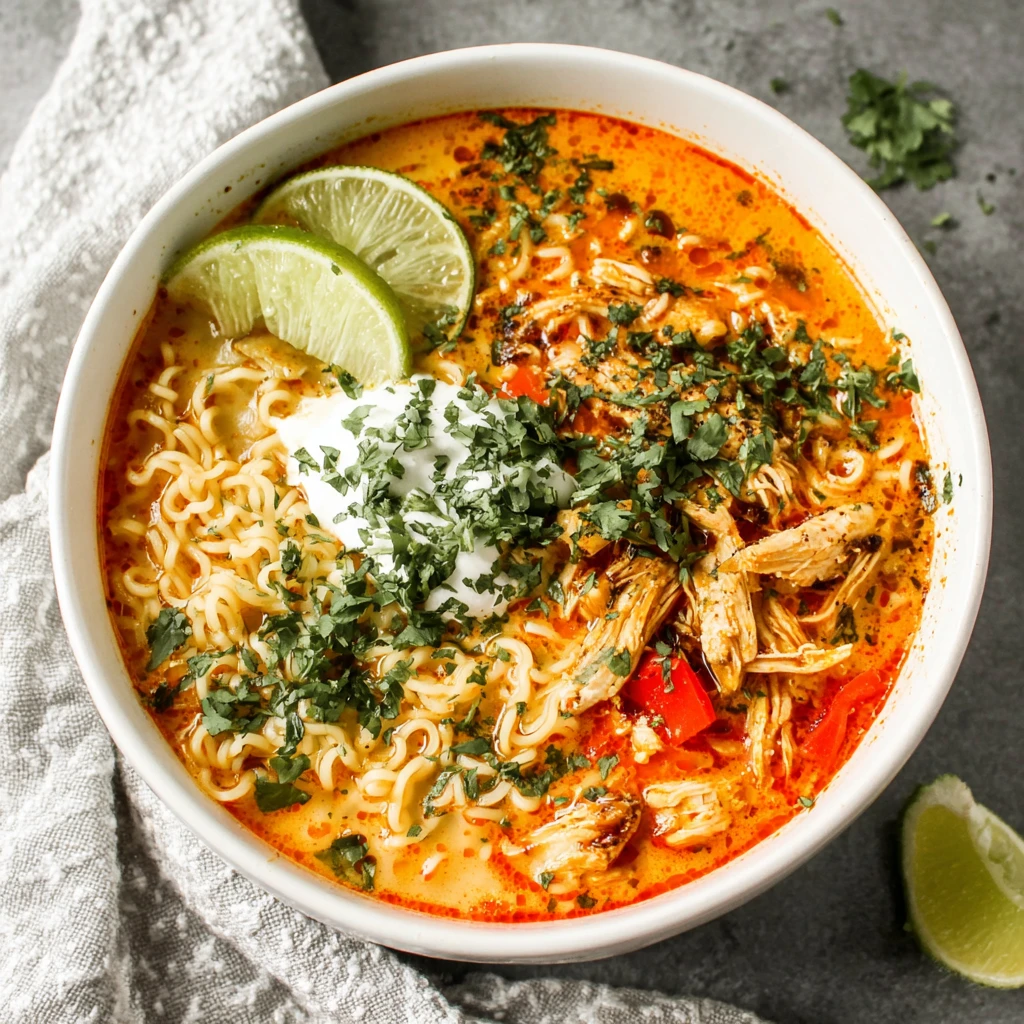
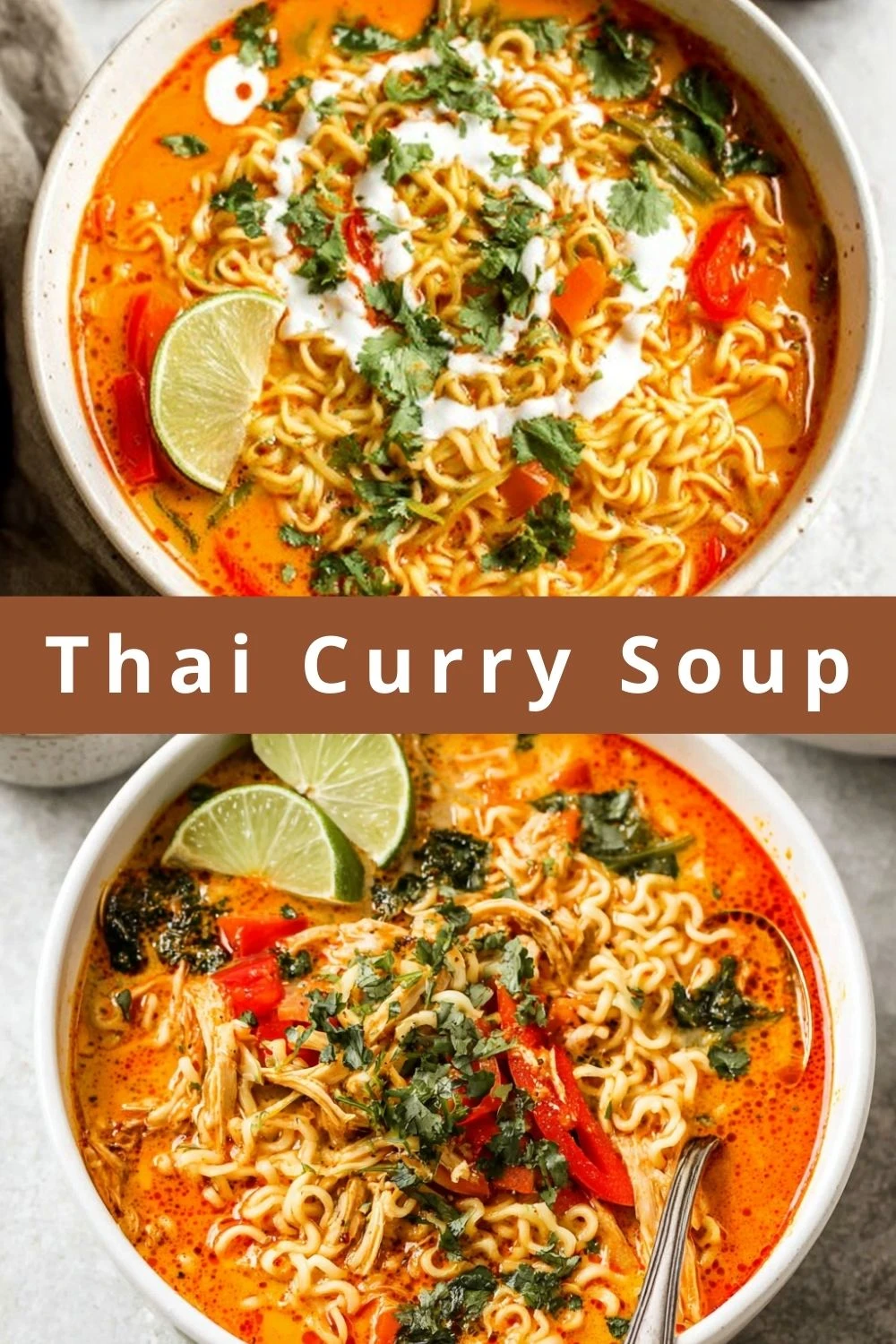
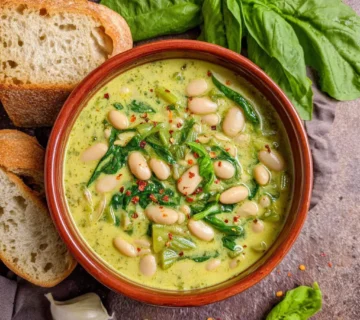
Thai Curry Soup
Dive into the vibrant, aromatic world of Thai cuisine with this rich and comforting Thai Curry Noodle Soup. Bursting with the complex flavors of red curry paste, creamy coconut milk, and zesty lime, this dish offers a perfect balance of sweet, spicy, salty, and sour notes. It's an incredibly satisfying meal that comes together surprisingly quickly, making it ideal for a flavorful weeknight dinner or an impressive culinary endeavor.
Prep Time
20 minutes
Cook Time
25 minutes
Total Time
45 minutes
Servings
4 generous servings
Keywords
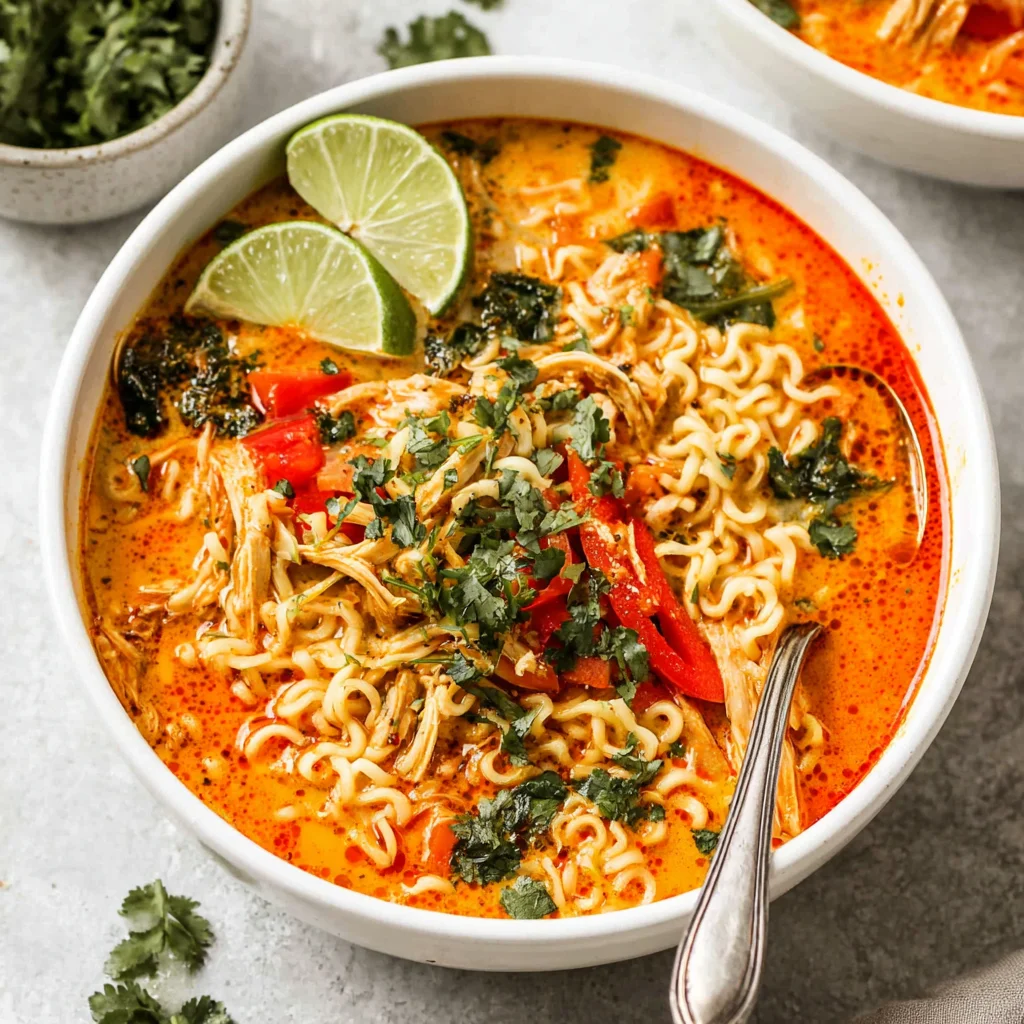
Why This Recipe Delivers
- A vibrant explosion of authentic Thai flavors in every spoonful.
- Quick to prepare, making it a perfect gourmet meal for busy evenings.
- Creamy and comforting, yet light and incredibly satisfying.
- Easily customizable with your favorite proteins or vegetables.
- Offers a perfect balance of sweet, spicy, salty, and sour.
Ingredients
- 30 ml (2 Tbsp.) avocado oil or olive oil
- 75 g (½ cup) yellow onion, finely diced
- 75 g (½ cup) red bell pepper, finely diced
- 70 g (½ cup) carrots, finely diced
- 3 large garlic cloves, minced
- 15 g (1 Tbsp.) fresh ginger, freshly grated
- 60 g (¼ cup) red curry paste (ensure good quality for authentic flavor)
- 1.4 liters (6 cups) chicken broth or vegetable stock, low sodium
- 400 ml (14 oz.) can full-fat coconut milk
- 45 ml (3 Tbsp.) fish sauce (adjust to taste)
- 115-140 g (4-5 oz.) ramen or rice noodles (such as vermicelli or flat rice noodles)
- 15 ml (1 Tbsp.) fresh lime juice, plus more to taste
- 15 g (½ cup) fresh cilantro, roughly chopped, plus more for garnish
- Salt and freshly ground black pepper, to taste
- Lime wedges, for serving
Instructions
- Prepare the aromatic base. In a heavy-bottomed Dutch oven or large pot, heat the 30 ml (2 Tbsp.) of avocado oil or olive oil over medium heat. Once shimmering, add the finely diced yellow onion, red bell pepper, and carrots. Sauté them gently for about 5-7 minutes, stirring occasionally, until the vegetables begin to soften and the onion turns translucent. This step builds the foundational flavor of the soup.
- Introduce the aromatics and curry paste. Stir in the minced garlic and freshly grated ginger along with the 60 g (¼ cup) of red curry paste. Cook for approximately 1 minute, stirring constantly. It is crucial to stir frequently during this phase to prevent the garlic from burning and to allow the curry paste to toast slightly, which deepens its flavor and releases its potent aromas.
- Simmer the broth. Pour in the 1.4 liters (6 cups) of chicken broth or vegetable stock, the 400 ml (14 oz.) can of full-fat coconut milk, and the 45 ml (3 Tbsp.) of fish sauce. Season the mixture with a pinch of salt and freshly ground black pepper to taste, keeping in mind the fish sauce is quite salty. Bring the soup to a gentle simmer, then reduce the heat and let it cook uncovered for 5 minutes, allowing the flavors to meld beautifully.
- Cook the noodles. Carefully add the 115-140 g (4-5 oz.) of ramen or rice noodles directly into the simmering soup. Continue to simmer until the noodles are tender yet still have a slight chew. The cooking time will vary significantly based on the type and thickness of the noodles; always refer to the package directions for precise cooking times.
- Finish with fresh flavors. Remove the pot from the heat. Stir in the 15 ml (1 Tbsp.) of fresh lime juice and the 15 g (½ cup) of fresh chopped cilantro. Taste the soup and adjust seasonings as needed, adding more lime juice for brightness, fish sauce for umami, or a pinch of salt if desired.
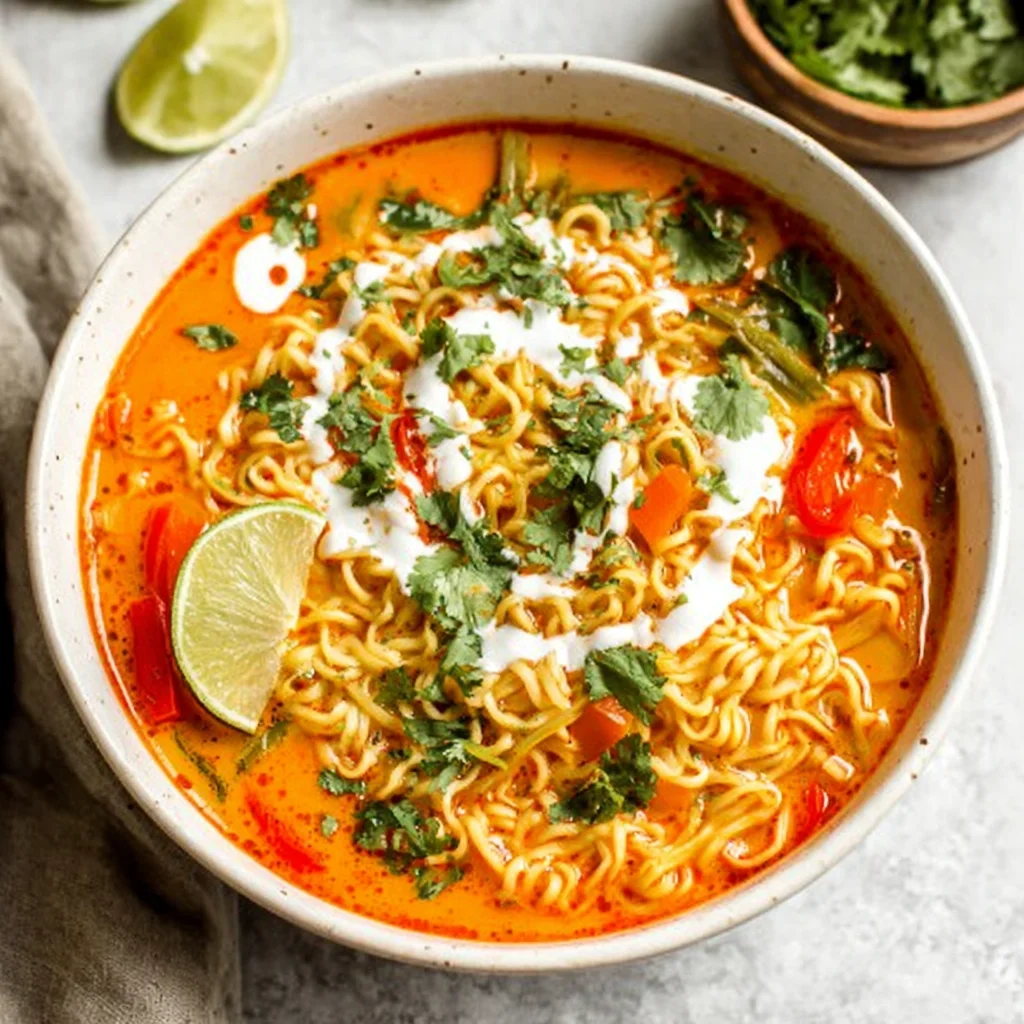
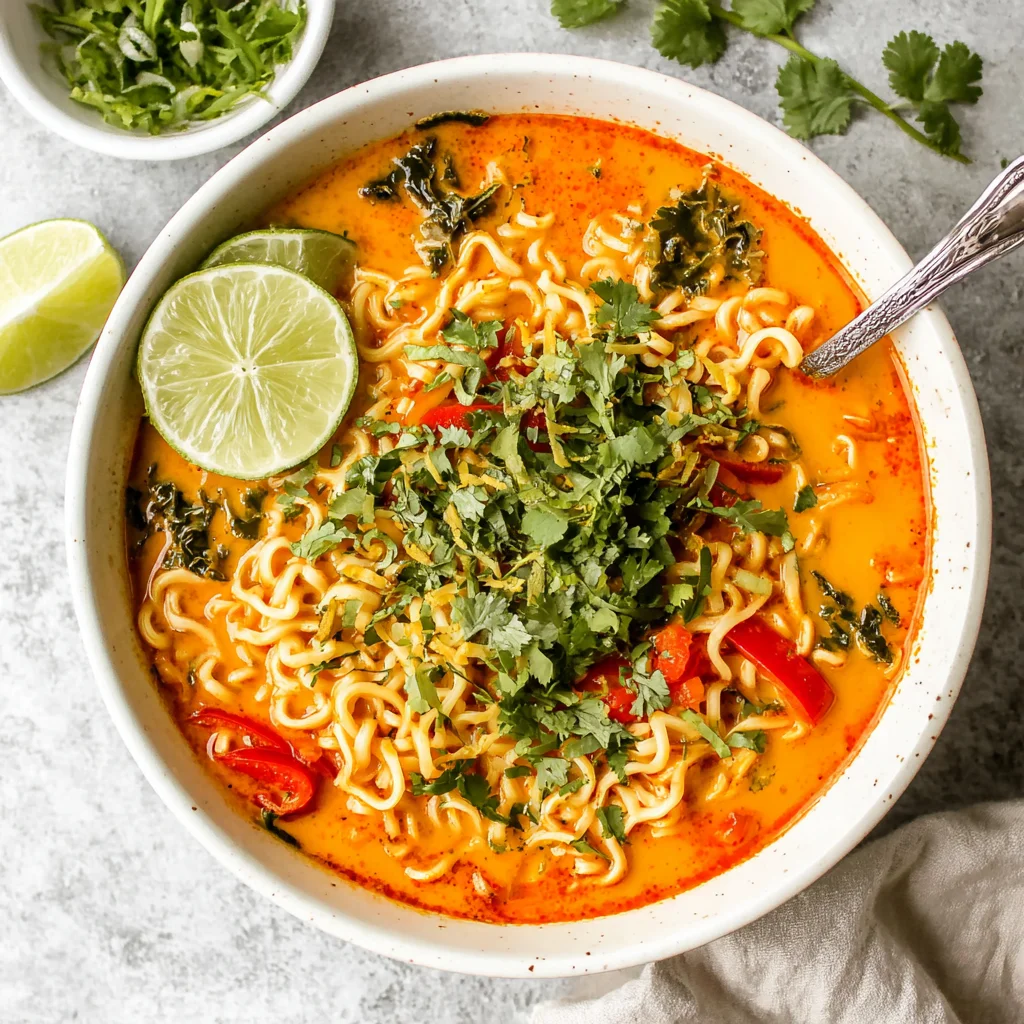
- Serve and garnish. Ladle the hot Thai Curry Noodle Soup into bowls. Garnish generously with additional fresh cilantro and serve immediately with extra lime wedges on the side for squeezing.
Tools You’ll Need
- Dutch oven or large pot
- Sharp knife
- Cutting board
- Measuring cups and spoons
- Grater (for ginger)
- Ladle
Essential Success Tips
- Use a high-quality red curry paste. The flavor backbone of the soup relies heavily on this ingredient, so investing in a good brand makes a significant difference.
- Do not rush sautéing the vegetables and toasting the curry paste. These initial steps are crucial for developing deep, complex flavors.
- Taste and adjust seasonings frequently. Thai cuisine thrives on balancing sweet, spicy, sour, and salty. Adjust lime juice, fish sauce, and a pinch of sugar (if desired) until it's perfect for your palate.
- Avoid overcooking the noodles. They should be tender but still have a slight bite. If preparing in advance, cook noodles separately and add just before serving to prevent them from becoming mushy.
- Fresh cilantro and lime juice added at the very end preserve their vibrant freshness and bright, aromatic notes.
Professional Cooking Secrets
- For an extra layer of richness and depth, lightly toast the red curry paste in a dry pan for 30 seconds before adding it to the oil and vegetables. This intensifies its aromatic compounds.
- To elevate the umami, add a small splash of light soy sauce (about 5 ml or 1 tsp) along with the fish sauce, especially if using vegetable stock, to create a more profound savory base.
- Infuse Kaffir lime leaves. If available, add 2-3 kaffir lime leaves (bruised slightly to release oils) during the simmering stage with the broth and coconut milk. Remove them before serving for an authentic citrusy aroma.
Notes
- Storage: Leftovers can be stored in an airtight container in the refrigerator for up to 3 days. Reheat gently on the stovetop. It is recommended to store noodles separately and add them fresh when reheating to avoid them becoming overly soft.
- Noodle Choice: This recipe is versatile with noodles. Vermicelli rice noodles cook quickly, while ramen or flat rice noodles offer a different texture. Always check package instructions as cooking times vary significantly.
- Protein Boost: Feel free to add cooked chicken, shrimp, or tofu during the last few minutes of simmering for a heartier meal.
Frequently Asked Questions
Can I make this soup vegetarian or vegan?
Absolutely! To make it vegetarian, simply use vegetable stock instead of chicken broth. For a vegan version, also omit the fish sauce and replace it with a plant-based alternative like a vegan 'fish' sauce, or use an additional teaspoon of soy sauce and a pinch of dried seaweed (like kombu) for umami.
What kind of red curry paste should I use?
The quality of your red curry paste significantly impacts the final flavor. Look for an authentic Thai brand that lists ingredients like red chili, lemongrass, galangal, and kaffir lime. Brands like Maesri or Mae Ploy are often recommended for their robust and genuine flavor profiles.
Can I freeze Thai Curry Noodle Soup?
While the broth base freezes well for up to 3 months, it's best to cook and add the noodles fresh when reheating. Freezing cooked noodles in soup can alter their texture, often making them mushy upon thawing and reheating. Freeze the broth separately, then cook fresh noodles when ready to serve.
Nutrition Facts (Per Serving)
Approximate per serving: Calories: 480, Protein: 18g, Fat: 30g, Carbs: 35g, Fiber: 4g. (Varies based on specific ingredients and noodle type).
Allergy Information
Contains fish (fish sauce) and coconut (coconut milk). For a gluten-free version, ensure your red curry paste is gluten-free and use rice noodles. For a dairy-free dish, this recipe is naturally dairy-free.



No comment