
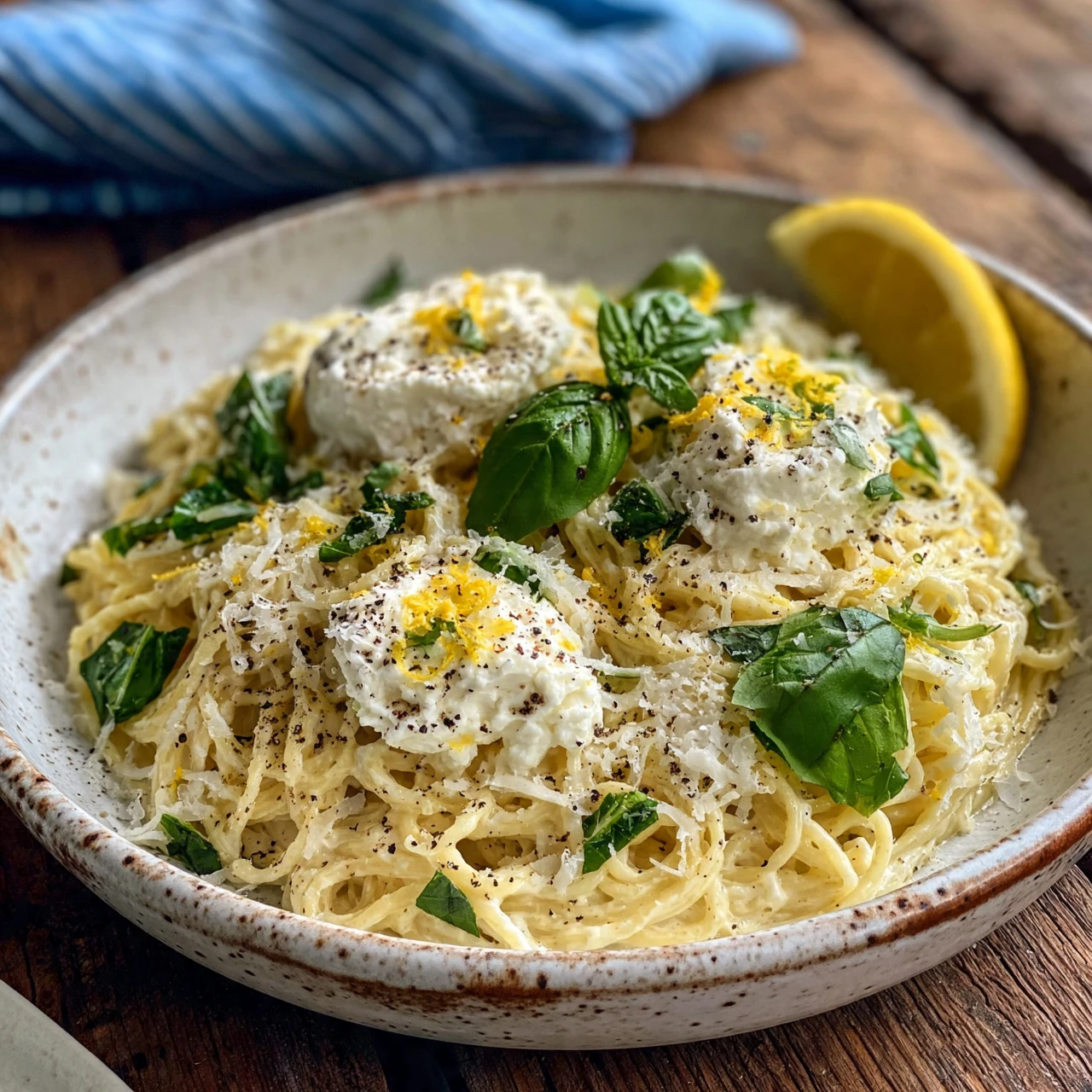
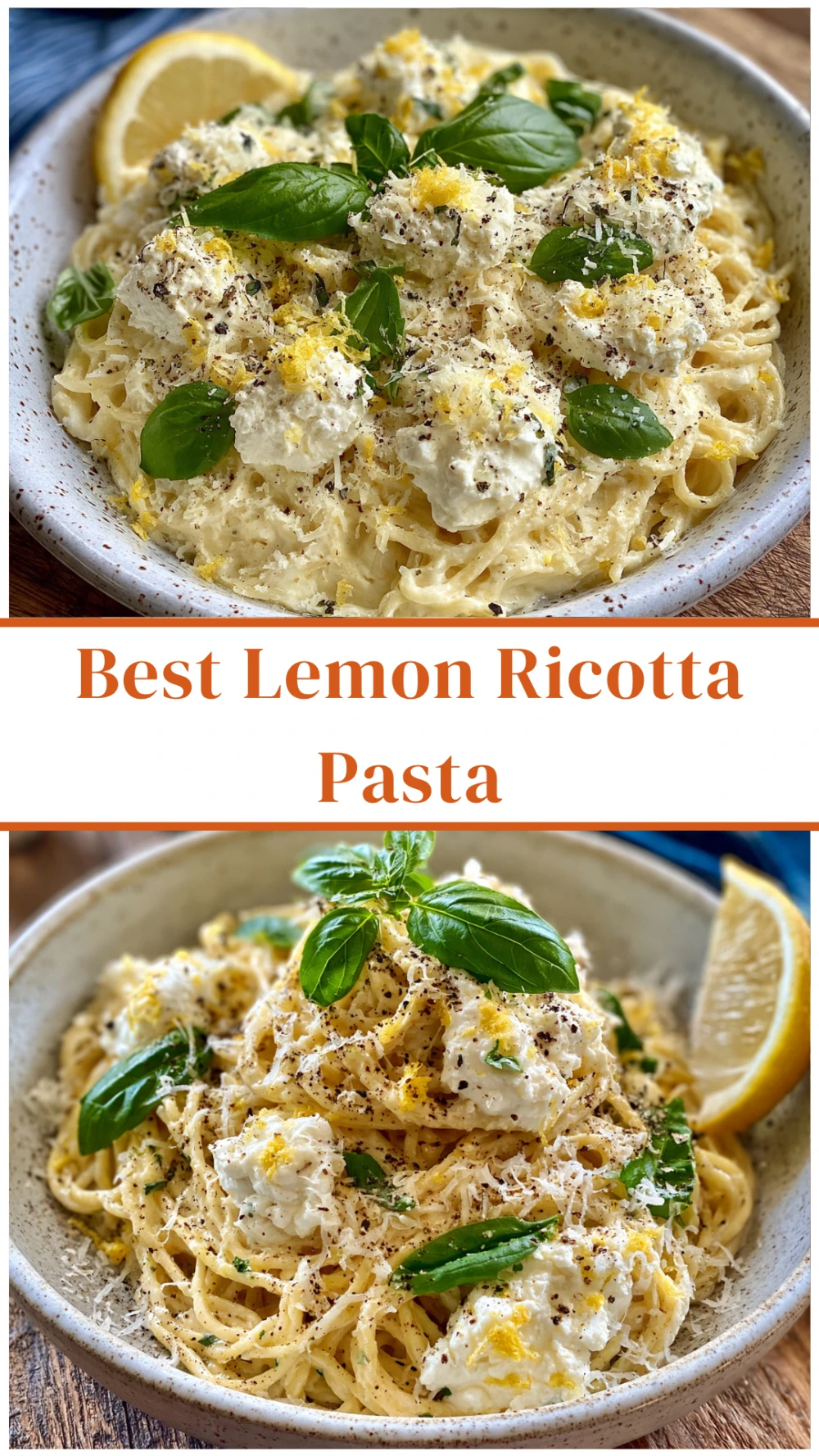
Best Lemon Ricotta Pasta
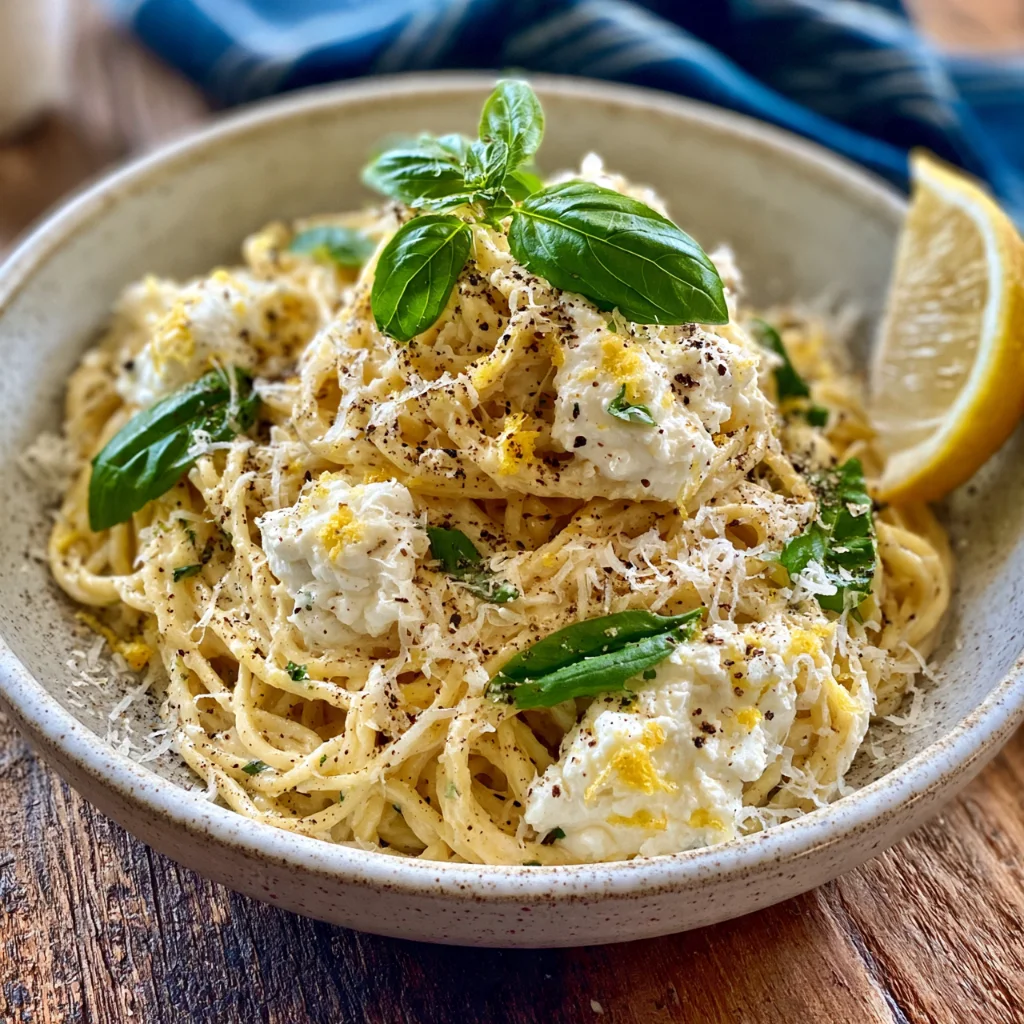
Experience the ultimate comfort in a bowl with this vibrant Lemon Ricotta Pasta. This dish combines creamy ricotta and tangy lemon with al dente pasta, creating a surprisingly light yet deeply satisfying meal. It's an effortlessly elegant weeknight dinner that will transport your taste buds straight to the sun-drenched Italian coast.
Prep Time
10 minutes
Cook Time
15 minutes
Total Time
25 minutes
Servings
4 servings
Keywords
Why This Recipe Delivers
- Incredibly quick to prepare, perfect for busy weeknights.
- Achieves a luxurious, creamy texture without heavy cream.
- Bright, zesty lemon flavor beautifully balances the richness of the ricotta.
- Versatile and easily adaptable with various additions.
- Uses simple, fresh ingredients for maximum impact.
Ingredients
- 340 grams (12 ounces) spaghetti, linguine, or fettuccine
- 15 grams (1 tablespoon) salt, for pasta water
- 360 grams (1½ cups) whole milk ricotta cheese
- 100 grams (1 cup) freshly grated Parmesan cheese, plus more for garnish
- 30 ml (2 tablespoons) olive oil
- 3 cloves garlic, minced
- Zest of 2 lemons
- 60-80 ml (juice of 2 lemons)
- 2.5 grams (½ teaspoon) salt
- 1.25 grams (¼ teaspoon) black pepper
- 1.25 grams (¼ teaspoon) red pepper flakes (optional)
- 120 ml (½ cup) reserved pasta water, plus more as needed
- 8-10 grams (2 tablespoons) fresh parsley, chopped
- Additional lemon zest, for garnish
Instructions
- Bring a large pot of generously salted water to a rolling boil. A good rule of thumb is to use enough water for the pasta to swim freely, and to salt it until it tastes like the sea; this seasons the pasta from within.
- Add the pasta to the boiling water and cook according to package directions until it reaches an al dente consistency. This means it should be tender but still have a slight bite.
- Before draining the pasta, carefully scoop out and reserve 120 ml (½ cup) of the starchy pasta water. This liquid is a secret weapon for emulsifying sauces and achieving a luxurious texture.
- Drain the cooked pasta thoroughly in a colander and set it aside while you prepare the sauce.
- In a large, heatproof bowl, combine the whole milk ricotta cheese, freshly grated Parmesan cheese, the vibrant zest of 2 lemons, and the freshly squeezed juice of 2 lemons. Using fresh ingredients here makes a significant difference in flavor.
- Stir the ricotta mixture vigorously until it is smooth and creamy. Ensure there are no lumps, creating a uniform base for your sauce.
- Place a large skillet, preferably a wide, shallow one, over medium heat. This will be where the sauce and pasta come together.
- Add the olive oil to the heated skillet, then add the minced garlic. Cook for about 30 seconds, stirring constantly, until the garlic is fragrant but not browned. Browning garlic can make it bitter.
- Stir in the salt, black pepper, and if using, the red pepper flakes. Allow these seasonings to toast briefly in the warm oil with the garlic to release their full aroma.
- Crucially, remove the skillet from the heat immediately. This step is vital to prevent the delicate ricotta cheese from separating or curdling when it's added, ensuring a smooth, cohesive sauce.
- Transfer the cooked, drained pasta directly into the skillet with the garlic and seasonings.
- Spoon the prepared lemon ricotta mixture over the pasta in the skillet.
- Thirteenth Step: Pour in about half of the reserved pasta water. This starchy water will help bind the sauce to the pasta and create a silky texture.
- Fourteenth Step: Using tongs, toss the pasta thoroughly, lifting and turning the strands until every piece is evenly coated with the creamy lemon ricotta sauce. Be gentle but efficient.
- Fifteenth Step: If the sauce appears too thick or needs a looser consistency, gradually add additional reserved pasta water, a tablespoon at a time, continuing to toss until your desired creaminess is achieved.
- Sixteenth Step: Taste the pasta and adjust the seasoning as needed. You might want a little more lemon juice for brightness, additional salt to enhance flavors, or more pepper for a gentle kick.
- Seventeenth Step: Stir in the fresh chopped parsley, incorporating its herbaceous notes throughout the dish.
- Eighteenth Step: Transfer the pasta to serving bowls and garnish generously with extra grated Parmesan cheese and a final sprinkle of fresh lemon zest for an aromatic finish.
- Nineteenth Step: Allow the pasta to sit for just 2 minutes before serving. This brief rest allows the sauce to fully meld with the pasta and slightly thicken, enhancing its creaminess.
- Twentieth Step: Serve immediately while the pasta is warm and the sauce is at its peak creamy, luscious texture.
Tools You’ll Need
- Large pot
- Colander
- Large heatproof mixing bowl
- Whisk or spoon
- Large skillet or sauté pan
- Tongs
- Microplane or zester
- Citrus juicer
Essential Success Tips
- Use good quality whole milk ricotta for the best texture and flavor. Low-fat ricotta can result in a grainy or watery sauce.
- Do not overcook the garlic; it should only be fragrant, not browned, to avoid bitterness.
- Always remove the skillet from the heat before adding the ricotta mixture. This is the key to preventing the sauce from breaking or curdling.
- Don't skip reserving the pasta water. It's essential for achieving the perfect consistency and helping the sauce cling to the pasta.
- Taste and adjust seasonings at the end. Lemon juice, salt, and pepper can be added incrementally to suit your preference.
Professional Cooking Secrets
- To achieve an even creamier, richer sauce, try lightly whipping the ricotta cheese with a tablespoon of milk or a tiny splash of olive oil before combining it with the other sauce ingredients. This helps aerate it slightly.
- When zesting lemons, be sure to only get the bright yellow part, avoiding the bitter white pith beneath. A fine microplane zester works best for this.
- For an extra layer of flavor complexity, gently toast the red pepper flakes in the olive oil with the garlic for about 15 seconds before adding the other seasonings. This awakens their heat and aroma.
Notes
- Storage: Leftovers can be stored in an airtight container in the refrigerator for up to 2-3 days. Reheat gently on the stovetop with a splash of water or broth to loosen the sauce.
- Variations: Feel free to customize this dish with optional additions. Grilled chicken or sautéed shrimp add protein, while roasted asparagus, baby spinach, or peas can boost the vegetable content.
- Serving Suggestion: This pasta pairs wonderfully with a simple green salad and a crusty baguette to sop up any leftover sauce.
Frequently Asked Questions
Can I make this dish gluten-free?
Absolutely! Simply substitute the regular pasta with your favorite gluten-free spaghetti, linguine, or fettuccine. Follow the package directions for cooking, and the rest of the recipe remains the same.
Why does my ricotta sauce sometimes curdle?
Ricotta can curdle if it's subjected to high, direct heat for too long. The critical step is to remove the skillet from the heat before adding the ricotta mixture. The residual heat from the pasta and the reserved pasta water will be enough to warm the sauce without causing it to separate.
Can I add other herbs besides parsley?
Yes, fresh basil or a mix of basil and parsley would also be delicious in this dish. Stir them in at the end, just like the parsley, to preserve their fresh flavor and color.
Nutrition Facts (Per Serving)
Calories: 480, Protein: 28g, Fat: 22g, Carbs: 45g (approximate per serving)
Allergy Information
Contains dairy and gluten. For a gluten-free version, use gluten-free pasta. To reduce dairy, a plant-based ricotta alternative can be used, though the texture may vary slightly.

No comment