
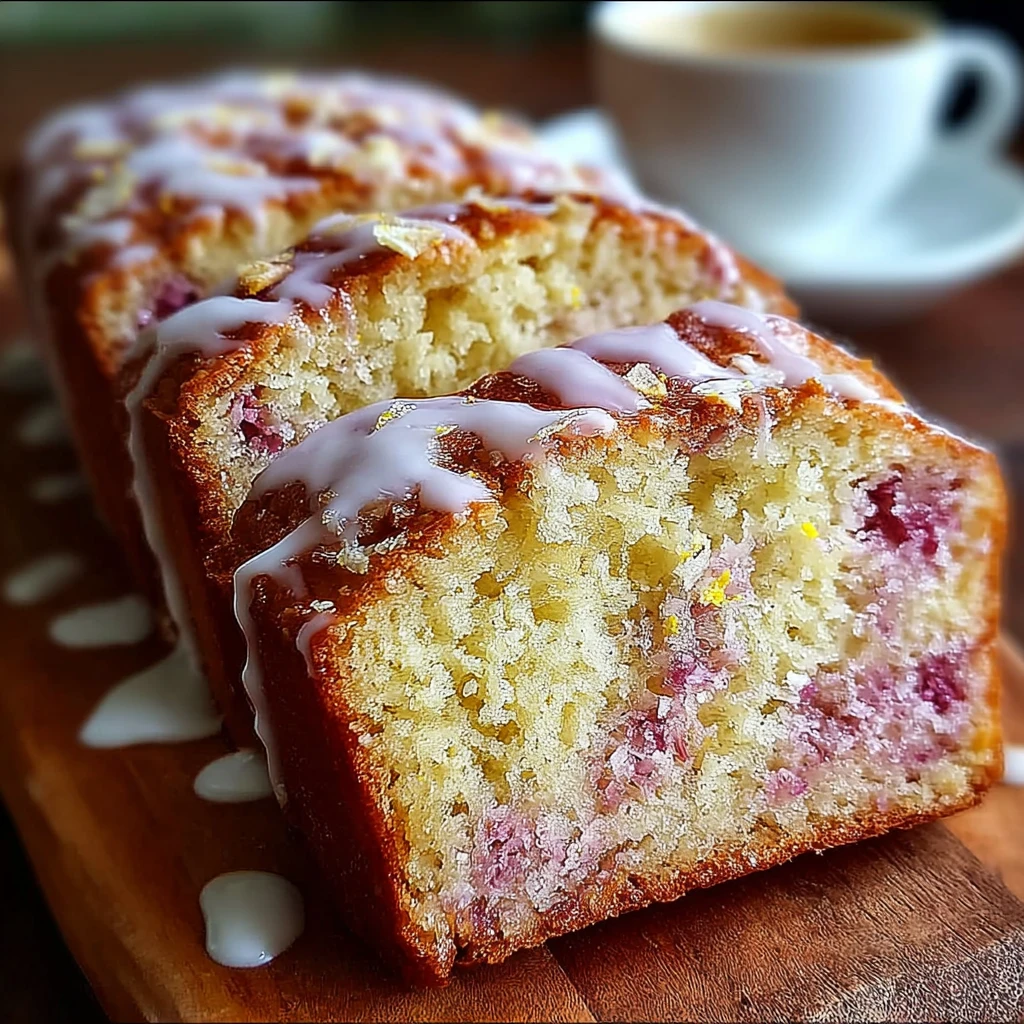
Zesty Lemon Rhubarb Loaf
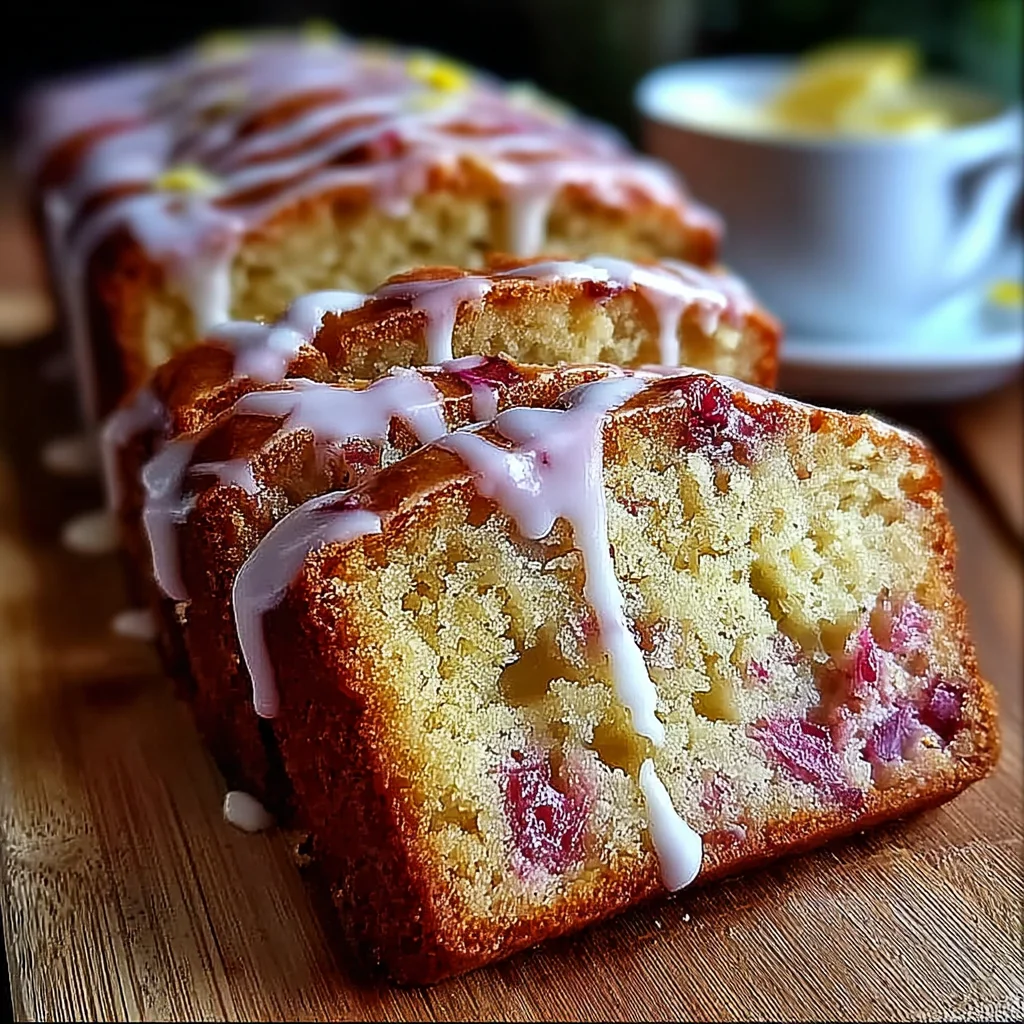
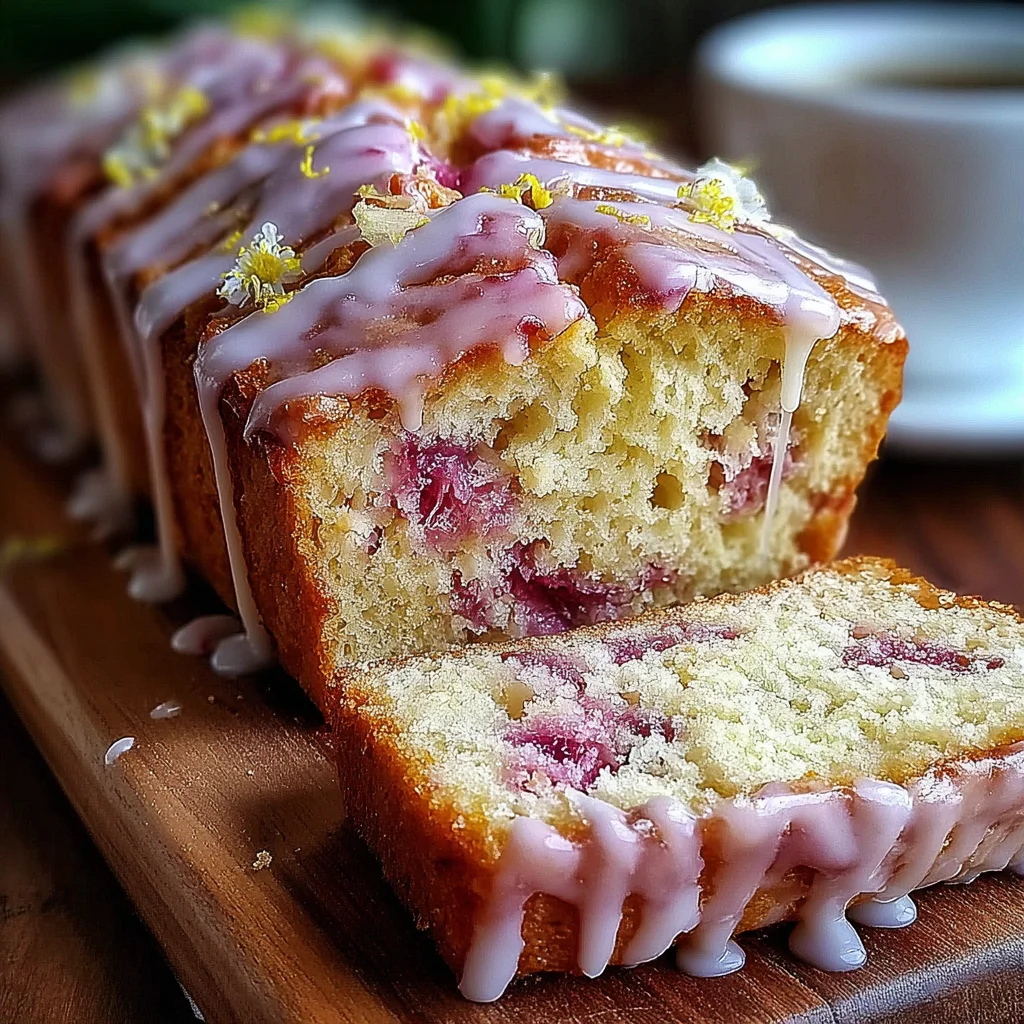
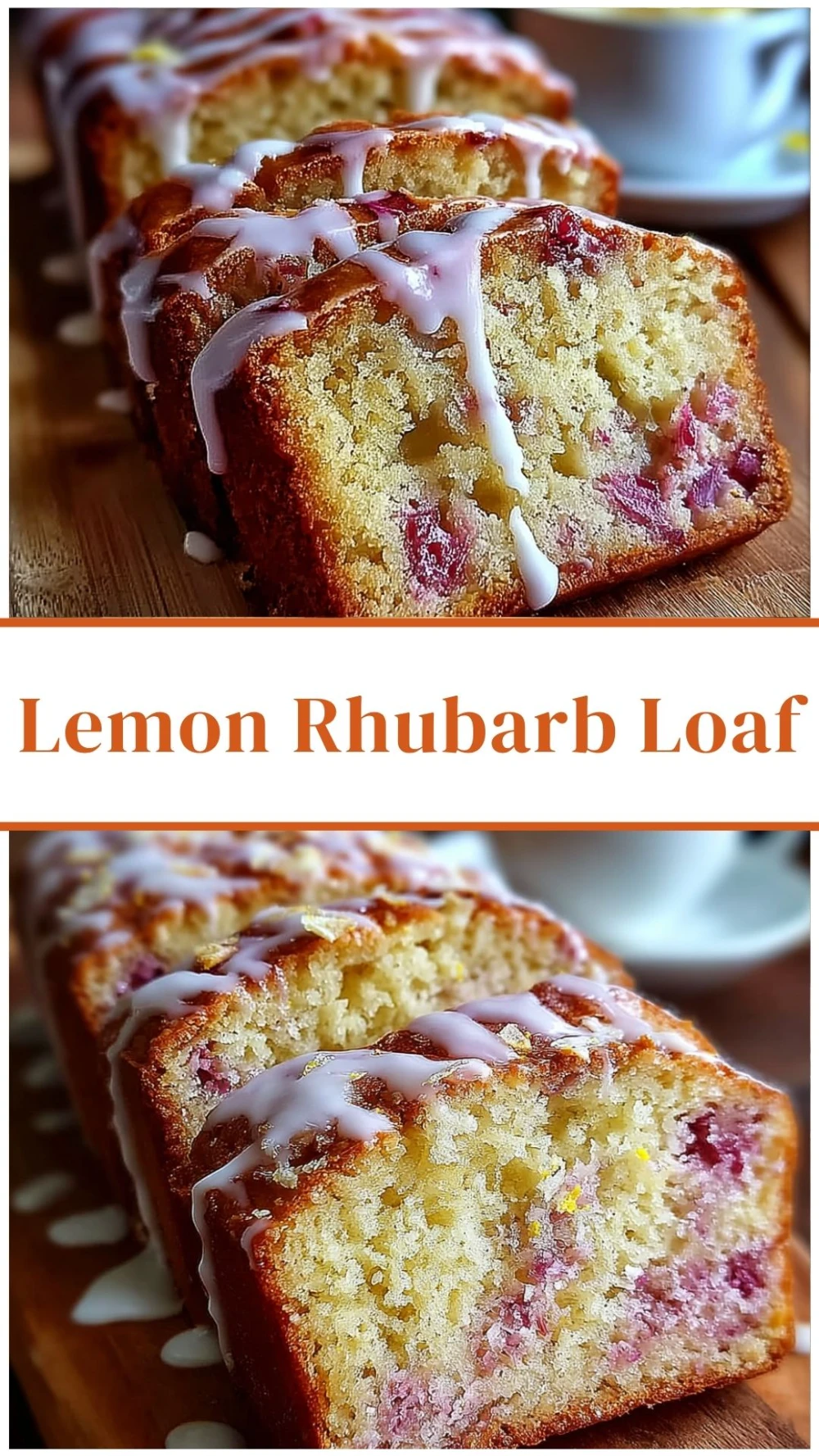
Indulge in the bright, refreshing flavors of spring with this delightful Lemon Rhubarb Loaf. This tender, moist cake perfectly balances the tartness of fresh rhubarb with the vibrant zest and juice of lemons, creating an irresistible treat. It is an ideal companion for your morning coffee, afternoon tea, or as a light dessert.
Prep Time
20 minutes
Cook Time
50-60 minutes
Total Time
1 hour 30 minutes (including cooling)
Servings
8-10 slices
Keywords

Why This Recipe Delivers
- Features a harmonious blend of sweet, tart, and zesty flavors, perfect for spring.
- Incredibly moist and tender crumb thanks to the sour cream and butter.
- Relatively simple to prepare, making it accessible for bakers of all skill levels.
- Versatile and adaptable with optional additions like nuts or spices.
- A beautiful loaf that makes an excellent centerpiece or gift.
Ingredients
- 190g (1.5 cups) all-purpose flour
- 5g (1 teaspoon) baking powder
- 2.5g (0.5 teaspoon) baking soda
- 1.25g (0.25 teaspoon) salt
- 113g (0.5 cup) unsalted butter, softened
- 200g (1 cup) granulated sugar
- 2 large eggs, at room temperature
- 60ml (0.25 cup) fresh lemon juice
- 5g (1 tablespoon) lemon zest (from 1-2 lemons)
- 120g (0.5 cup) sour cream or full-fat Greek yogurt
- 5ml (1 teaspoon) vanilla extract
- 150g (1 cup) chopped fresh rhubarb (about 1-2 stalks)
- 50g (0.5 cup) chopped walnuts or pecans (optional)
- 1g (1 pinch) ground cinnamon or ginger (optional)
- 50g (0.25 cup) raisins or dried cranberries (optional)
Instructions
- Preheat your oven to 175°C (350°F). Prepare a 23×13 cm (9×5-inch) loaf pan by lightly greasing it, or line it with parchment paper, leaving an overhang on the sides to easily lift the loaf out later. This ensures easy removal and cleanup.
- In a medium-sized bowl, thoroughly whisk together the all-purpose flour, baking powder, baking soda, and salt. Whisking ensures these dry ingredients are evenly distributed, which is crucial for a consistent rise and texture. Set this bowl aside.
- In a large mixing bowl, using an electric mixer, cream together the softened unsalted butter and granulated sugar until the mixture becomes light, fluffy, and pale in color. This process incorporates air, contributing to the loaf's tender crumb.
- Beat in the large eggs one at a time, ensuring each egg is fully incorporated before adding the next. Then, add the fresh lemon juice, lemon zest, sour cream (or Greek yogurt), and vanilla extract. Mix on low speed until all the wet ingredients are just combined, being careful not to overmix.
- Gradually add the reserved dry ingredients to the wet mixture, mixing on low speed until just combined. Stop mixing as soon as no streaks of flour remain to avoid developing the gluten too much, which can result in a tough loaf.
- Gently fold in the chopped fresh rhubarb and any optional add-ons, such as chopped nuts, spices, raisins, or dried cranberries, using a spatula. Fold until the rhubarb is evenly distributed throughout the batter. Overmixing here can bruise the rhubarb and make the batter watery.
- Pour the prepared batter into the greased or parchment-lined loaf pan. Use the back of a spoon or a small offset spatula to smooth the top of the batter, ensuring an even rise.
- Bake the loaf for 50–60 minutes. The exact baking time may vary based on your oven. To test for doneness, insert a wooden skewer or toothpick into the center of the loaf; it should come out clean, with no wet batter attached. If the top browns too quickly, you can loosely tent it with aluminum foil.
- Once baked, remove the loaf from the oven and allow it to cool in the pan for 10 minutes. This resting period allows the loaf to set and firm up before it is moved. After 10 minutes, carefully lift the loaf out of the pan using the parchment overhang (if used) or invert it onto a wire rack. Let it cool completely on the wire rack before slicing and serving. Cooling completely prevents steaming and ensures a perfectly moist texture.
Tools You’ll Need
- 9×5-inch (23×13 cm) loaf pan
- Large mixing bowl
- Medium mixing bowl
- Electric mixer (stand or hand-held)
- Whisk
- Rubber spatula
- Measuring cups and spoons
- Grater (for lemon zest)
- Wire cooling rack
- Parchment paper (optional)
Essential Success Tips
- Ensure your butter is truly softened to room temperature, not melted. This is key for proper creaming with the sugar and achieving a light, airy texture.
- Do not overmix the batter once the dry ingredients are added. Overmixing develops gluten, which can lead to a tough, dense loaf.
- Use fresh lemon juice and zest for the most vibrant and authentic lemon flavor. Avoid bottled lemon juice if possible.
- Chop your rhubarb into roughly 1.5 cm (0.5 inch) pieces for even distribution and cooking throughout the loaf.
- Oven temperatures can vary; check for doneness using the toothpick test slightly before the minimum baking time, and adjust as needed to prevent overbaking.
Professional Cooking Secrets
- For an extra layer of flavor and moisture, brush the warm loaf with a simple lemon glaze (powdered sugar mixed with lemon juice) immediately after removing it from the pan. The warm loaf will absorb the glaze beautifully.
- If your rhubarb is particularly watery, you can lightly toss it with a teaspoon of flour before folding it into the batter. This helps prevent the rhubarb from sinking to the bottom and ensures a more even distribution.
- To enhance the citrus aroma even further, gently rub the lemon zest into the granulated sugar with your fingertips before creaming it with the butter. This releases the essential oils from the zest, intensifying the lemon fragrance and flavor in the final product.
Notes
- Storage: The Lemon Rhubarb Loaf can be stored at room temperature in an airtight container for up to 3-4 days. For longer storage, wrap it tightly and freeze for up to 3 months. Thaw at room temperature.
- Serving Suggestions: Enjoy slices plain, with a dollop of whipped cream, a scoop of vanilla ice cream, or a dusting of powdered sugar.
- Variations: Consider adding a crumble topping made from flour, sugar, butter, and a pinch of cinnamon for added texture and flavor before baking.
Frequently Asked Questions
Can I use frozen rhubarb?
Yes, you can use frozen rhubarb. There's no need to thaw it beforehand; simply chop it if the pieces are too large and toss it directly into the batter. However, be aware that frozen rhubarb may release more moisture, so the baking time might be slightly longer.
What if I don't have sour cream or Greek yogurt?
Buttermilk or even regular milk (though it may slightly alter the texture) can be used as a substitute for sour cream or Greek yogurt. For buttermilk, use the same quantity. If using regular milk, you might want to add a teaspoon of lemon juice or white vinegar to it and let it sit for 5 minutes before adding, to create a 'soured milk' effect.
How do I prevent the rhubarb from sinking to the bottom?
To help prevent the rhubarb from sinking, you can toss the chopped pieces with a teaspoon of the flour mixture from the dry ingredients before folding them into the batter. This light coating helps them suspend more evenly throughout the loaf as it bakes.
Nutrition Facts (Per Serving)
Calories: 350-400, Protein: 5g, Fat: 18-22g, Carbs: 45-50g (per serving, estimated without optional add-ins).
Allergy Information
Contains dairy (butter, sour cream/yogurt), eggs, and gluten (all-purpose flour). For a gluten-free version, substitute with a 1:1 gluten-free baking flour blend containing xanthan gum. If including nuts, it will contain tree nuts.





No comment