
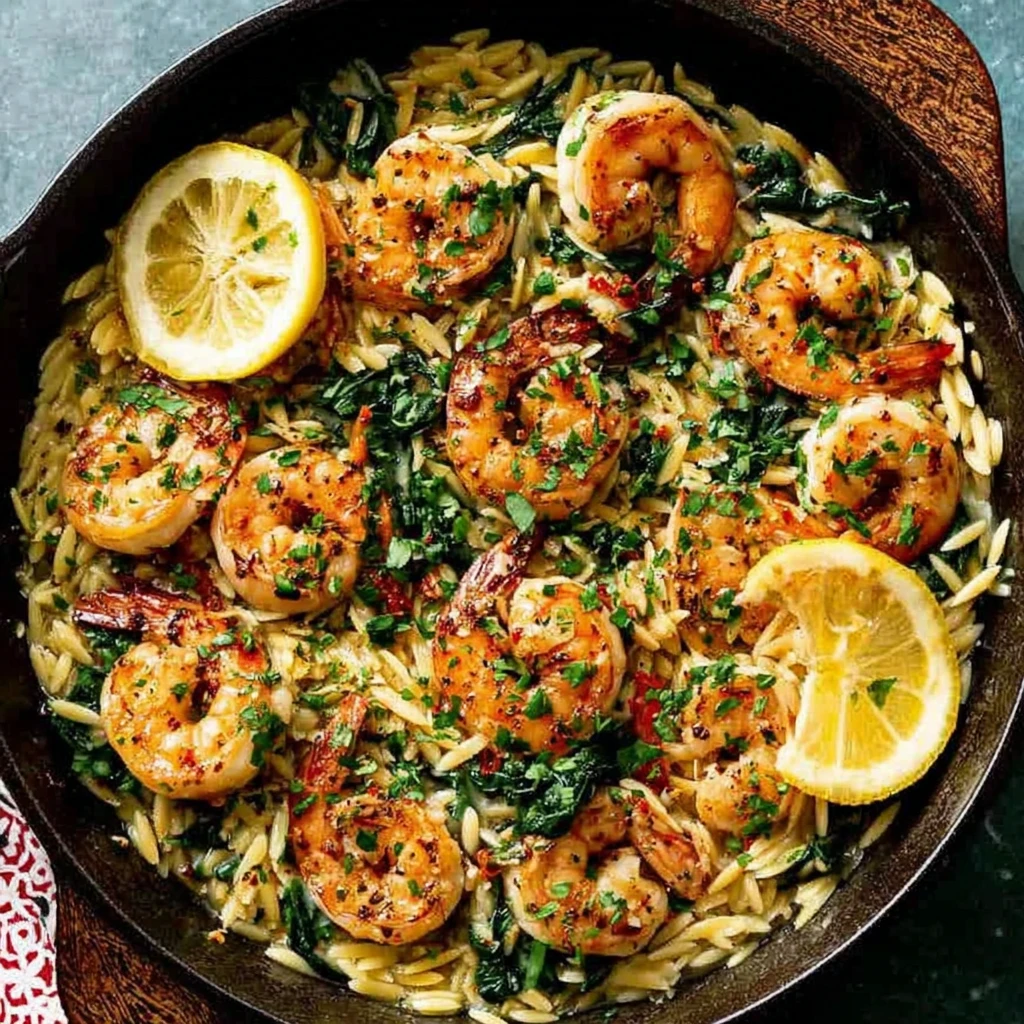
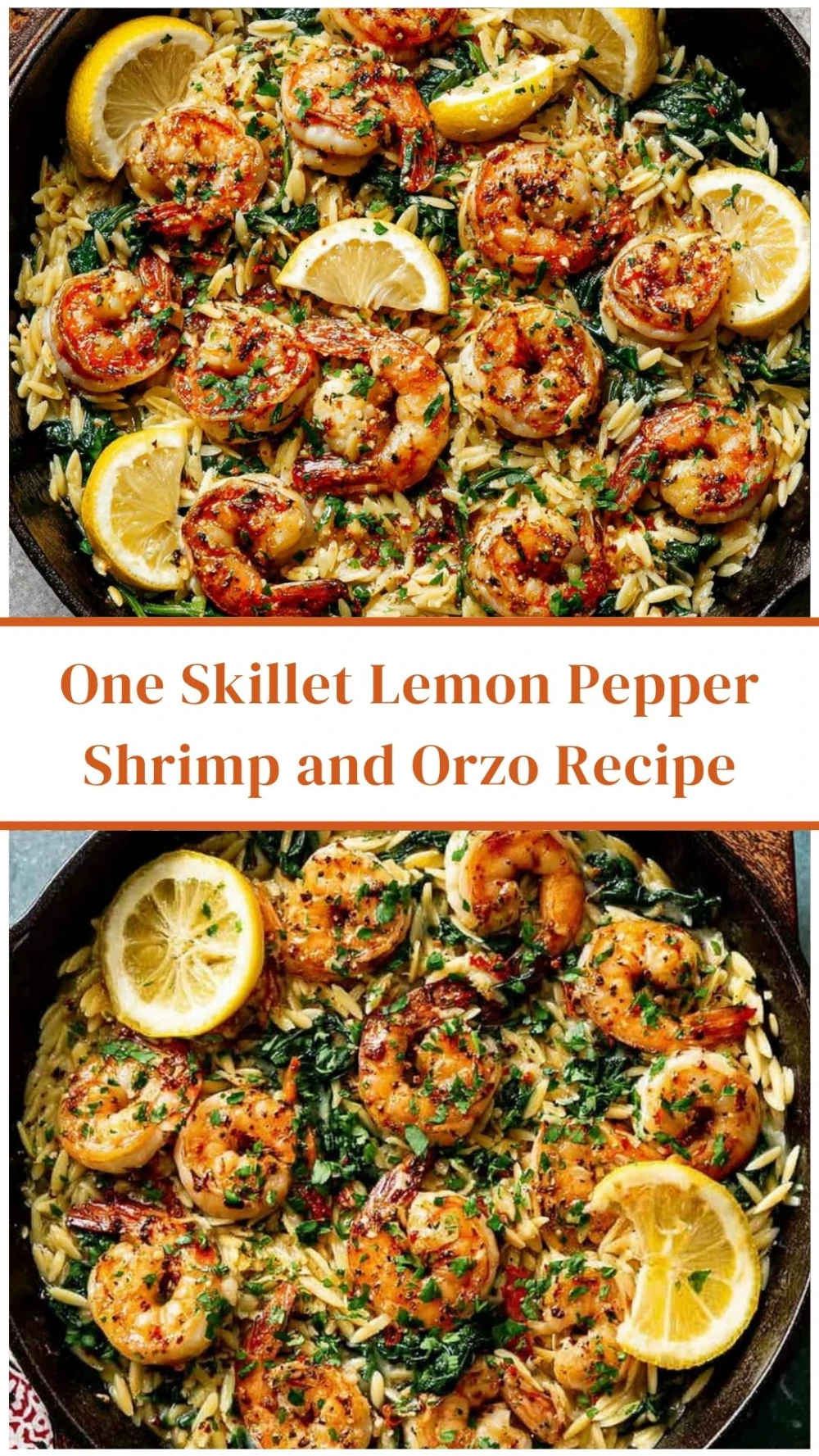
One Skillet Lemon Pepper Shrimp and Orzo
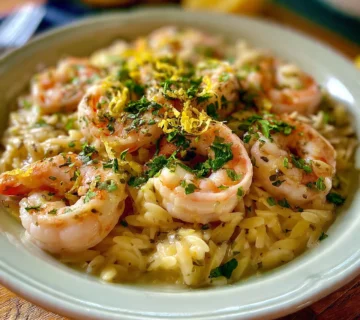
This one-skillet marvel brings together succulent, perfectly seared shrimp, tender orzo, and vibrant lemon pepper flavors in a dish that's both elegant and incredibly easy to make. It's an ideal weeknight meal that doesn't compromise on taste, delivering a restaurant-quality experience right to your table. The creamy orzo provides a comforting base, beautifully complementing the bright citrus notes and savory shrimp.
Prep Time
15 minutes
Cook Time
20 minutes
Total Time
35 minutes
Servings
4 servings
Keywords
Why This Recipe Delivers
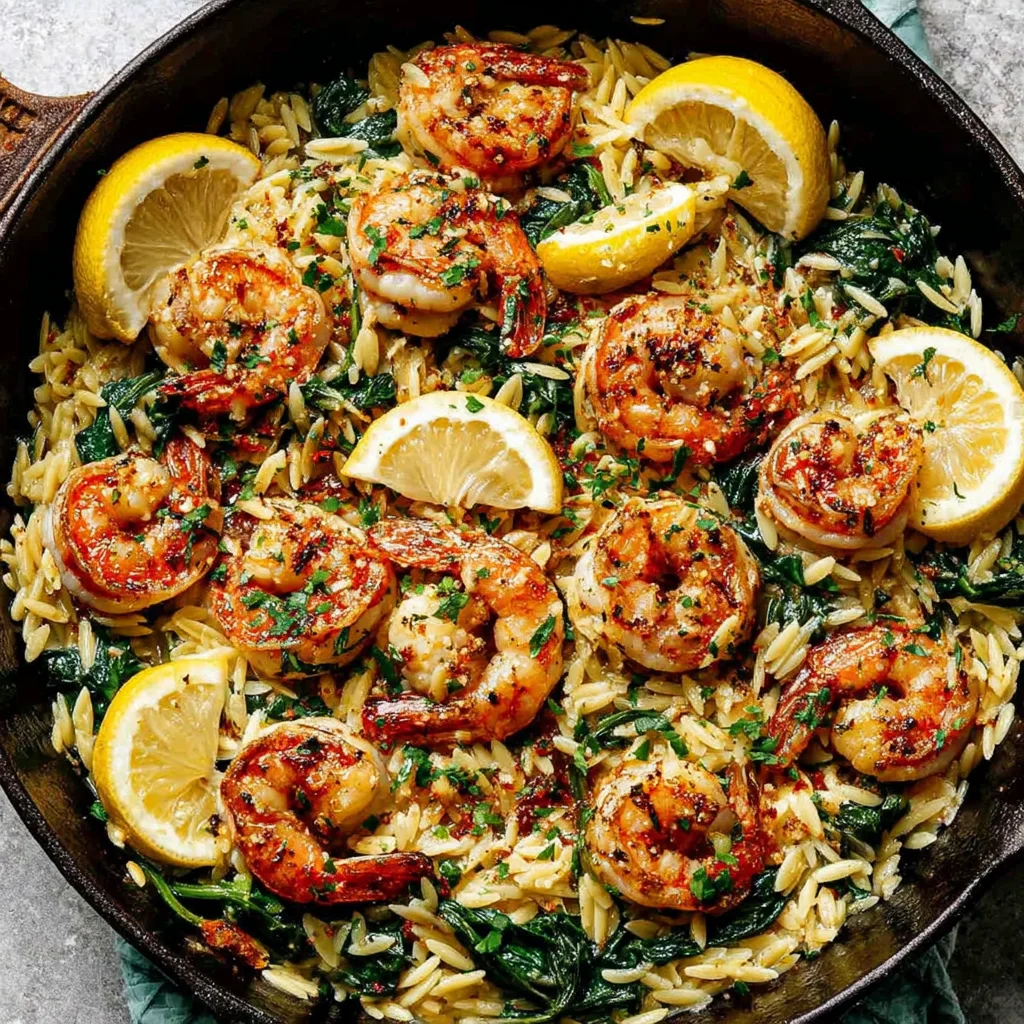
- Effortless elegance: This dish looks and tastes gourmet but comes together with minimal fuss in just one pan.
- Rapid preparation: From start to finish, you can have a delicious, wholesome meal on the table in under 40 minutes.
- Balanced flavors: The bright zest of lemon and pungent pepper beautifully complement the sweet, tender shrimp and creamy orzo.
- Nutrient-rich: Packed with lean protein from shrimp and vibrant vegetables, making it a wholesome choice.
- Customizable: Easily adapt with different greens or a touch of spice to suit your preference.
Ingredients
- 450 g (1 lb) shrimp, peeled and deveined (use fresh if possible; if using frozen, thaw completely for best texture and even cooking)
- 200 g (1 cup) orzo pasta (toasting it before adding broth adds a nutty depth)
- Zest and juice from 1 large fresh lemon (avoid bottled lemon juice for the freshest, brightest flavor)
- 2 medium shallots, finely chopped (approximately 100 g), milder than onions, they add a subtle sweetness without overpowering the dish
- 3 cloves garlic, minced (approximately 15 g), fresh garlic gives a more potent, aromatic punch than pre-minced
- 30 g (2 tbsp) unsalted butter, divided (balances the tang of lemon with a rich, creamy finish)
- 30 ml (2 tbsp) extra-virgin olive oil, divided (helps to beautifully sear the shrimp at a higher temperature without burning the butter)
- 350 ml (1 ½ cups) vegetable or chicken broth, warmed (warming before adding speeds up cooking and maintains consistent temperature)
- 60 g (2 cups) fresh baby spinach or 150 g (1 cup) chopped asparagus, tough ends removed (do not use frozen spinach as it releases too much water and dilutes flavor)
- Kosher salt, to taste (season in layers for better overall flavor development)
- Freshly cracked black pepper, to taste (freshly cracked delivers significantly more aroma and pungent flavor)
- 10 g (2 tbsp) fresh parsley, chopped, optional garnish (adds a burst of vibrant freshness and color at the end)
Instructions
- Thoroughly pat the peeled and deveined shrimp dry with paper towels. This crucial step ensures they achieve a beautiful sear and caramelization rather than steaming in their own moisture. Lightly season the shrimp on all sides with kosher salt and freshly cracked black pepper to build foundational flavor.
- Heat 15 g (1 tbsp) of unsalted butter and 15 ml (1 tbsp) of extra-virgin olive oil in a large, heavy-bottomed skillet over medium-high heat until the butter is melted and just beginning to sizzle. Add the seasoned shrimp to the hot skillet in a single layer, being careful not to overcrowd the pan. Cook for approximately 2-3 minutes per side, until they turn opaque and pink, developing a slight golden crust. Immediately remove the shrimp from the skillet and set aside on a plate to prevent them from overcooking and becoming rubbery.
- Using the same skillet, reduce the heat to medium and add the remaining 15 g (1 tbsp) unsalted butter and 15 ml (1 tbsp) extra-virgin olive oil. Add the finely chopped shallots to the skillet and sauté for 2-3 minutes until they soften and become translucent. Then, add the minced garlic and cook for an additional minute until fragrant, being careful not to burn it. The aroma at this stage forms a wonderfully sweet and savory base for the orzo.
- Stir the orzo pasta into the skillet with the sautéed shallots and garlic. Allow the orzo to toast for 1-2 minutes, stirring constantly. This step, known as 'toasting' or 'risotto-style,' brings out a subtle nutty flavor in the pasta, adding a layer of depth to the finished dish.
- Pour the warmed vegetable or chicken broth into the skillet, along with a pinch more kosher salt and freshly cracked black pepper. Bring the liquid to a gentle boil, then immediately reduce the heat to low, cover the skillet, and let it simmer for approximately 10-12 minutes. Stir occasionally to prevent sticking and ensure even cooking, until the orzo has absorbed most of the liquid and is tender with a slight al dente bite.
- In the final 2-3 minutes of the orzo's cooking time, stir in the fresh baby spinach or chopped asparagus. Cover the skillet again and allow the vegetables to wilt and soften, or become tender-crisp in the case of asparagus, while retaining their vibrant green color.
- Remove the skillet from the heat. Stir in the fresh lemon zest and lemon juice, ensuring it is thoroughly incorporated for a bright, zesty finish. Return the seared shrimp to the skillet and gently toss with the orzo mixture, just long enough to warm the shrimp through. Serve immediately, garnished with freshly chopped parsley if desired, for an extra burst of freshness.
Tools You’ll Need
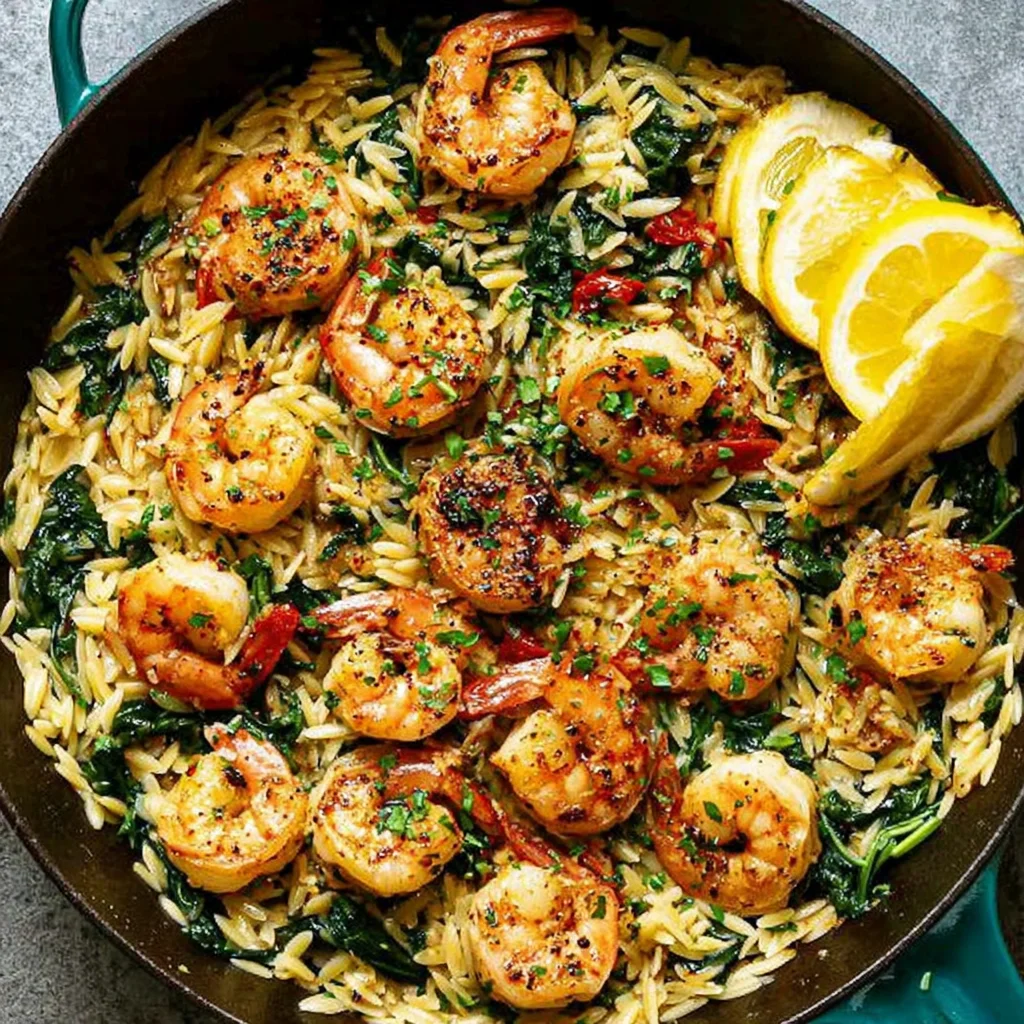
- Large, heavy-bottomed skillet (preferably cast iron or stainless steel with a lid)
- Cutting board
- Sharp knife
- Measuring cups and spoons
- Lemon zester/grater
- Citrus juicer (optional)
- Spatula or wooden spoon
- Paper towels
Essential Success Tips
- Ensure shrimp are completely dry before searing; this is key to achieving a beautiful golden crust and preventing a rubbery texture.
- Do not overcrowd the skillet when cooking shrimp. If necessary, sear them in two batches to allow for proper caramelization.
- Warm your broth before adding it to the orzo. This prevents a drop in temperature that can shock the pasta and lead to uneven cooking.
- Taste and adjust seasoning frequently. Layering salt and pepper at different stages ensures a well-balanced flavor throughout the dish.
- Avoid overcooking the orzo; it should be tender yet still have a slight bite (al dente) for the best texture.
Professional Cooking Secrets
- The Maillard reaction: Patting shrimp dry and searing them hot creates the Maillard reaction, developing deep, complex flavors. Don't rush this step.
- Layering aromatics: Starting with shallots and garlic before the orzo creates a deep, aromatic base that infuses the entire dish with flavor. Toasting the orzo further amplifies this nutty foundation.
- Finishing with fresh lemon: Adding lemon zest and juice off the heat preserves its bright, volatile aromatics, delivering a vibrant finish that truly makes the lemon pepper profile sing. Cooking lemon too long can dull its flavor.
Notes
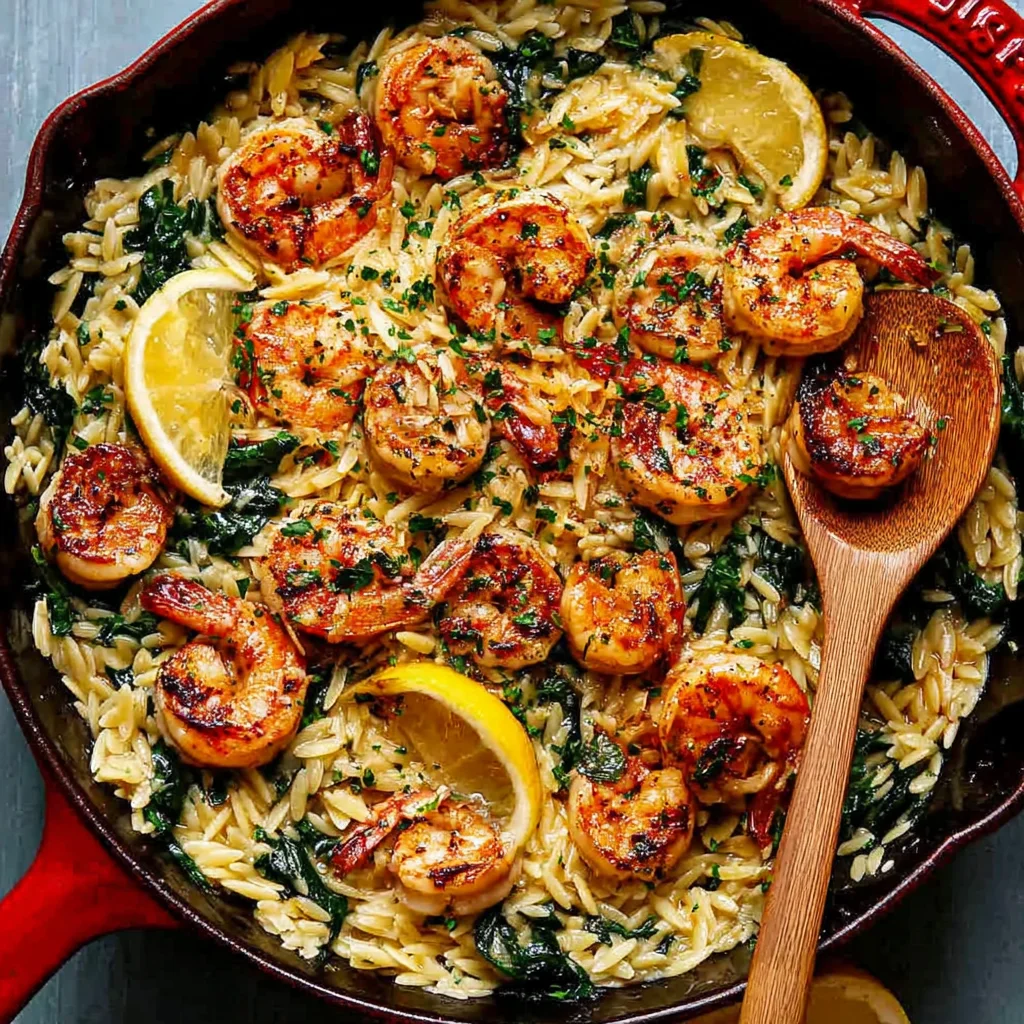
- Storage: Leftovers can be stored in an airtight container in the refrigerator for up to 2-3 days. Reheat gently on the stovetop with a splash of extra broth or water to loosen the orzo.
- Variations: For a spicier kick, add a pinch of red pepper flakes with the garlic. You can also add a sprinkle of grated Parmesan cheese at the end for an extra savory, umami boost.
- Gluten-Free Option: While orzo is typically wheat-based, you can substitute with a gluten-free orzo alternative or even short-grain rice (like Arborio) for a similar creamy texture, though cooking times may vary slightly.
Frequently Asked Questions
Can I use frozen shrimp for this recipe?
Yes, absolutely! Just ensure the frozen shrimp are fully thawed and thoroughly patted dry before cooking. This is crucial for achieving a good sear and preventing the dish from becoming watery.
What can I use instead of orzo pasta?
If you don't have orzo, you can substitute it with another small pasta shape like ditalini or even small pearl couscous. For a gluten-free option, short-grain rice such as Arborio can work, but adjust the broth quantity and cooking time as rice absorbs liquid differently.
How can I make this dish spicier?
To add a delightful kick, simply add a quarter to half a teaspoon of red pepper flakes along with the minced garlic and shallots. The heat will infuse into the olive oil and butter, spreading evenly throughout the dish.
Nutrition Facts (Per Serving)
Calories: 480, Protein: 35g, Fat: 22g, Carbs: 38g, Fiber: 4g. (Estimates vary based on exact brands and quantities.)
Allergy Information
Contains shellfish (shrimp) and gluten (orzo). For a gluten-free option, use a certified gluten-free orzo or substitute with rice. This recipe is dairy-free if butter is replaced with a dairy-free alternative or all olive oil.

No comment