
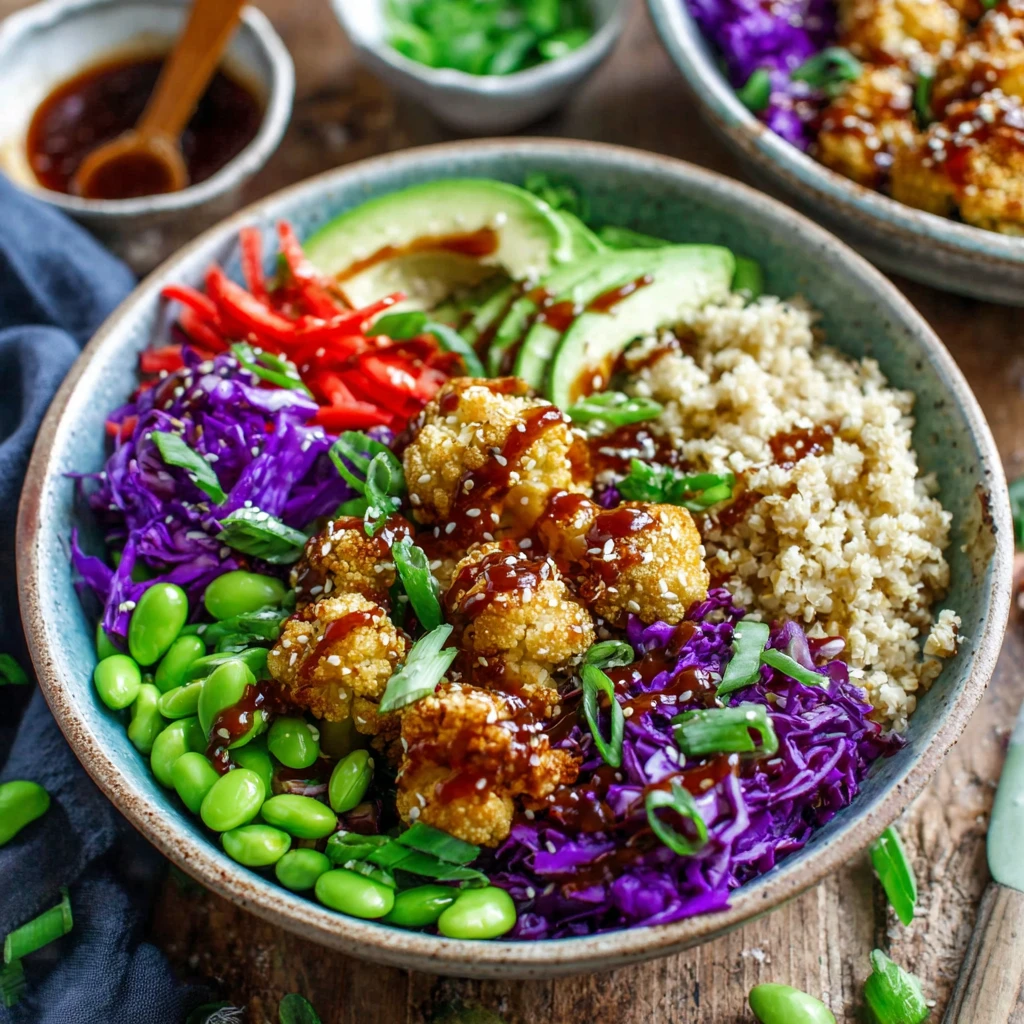
Teriyaki Cauliflower Power Bowls
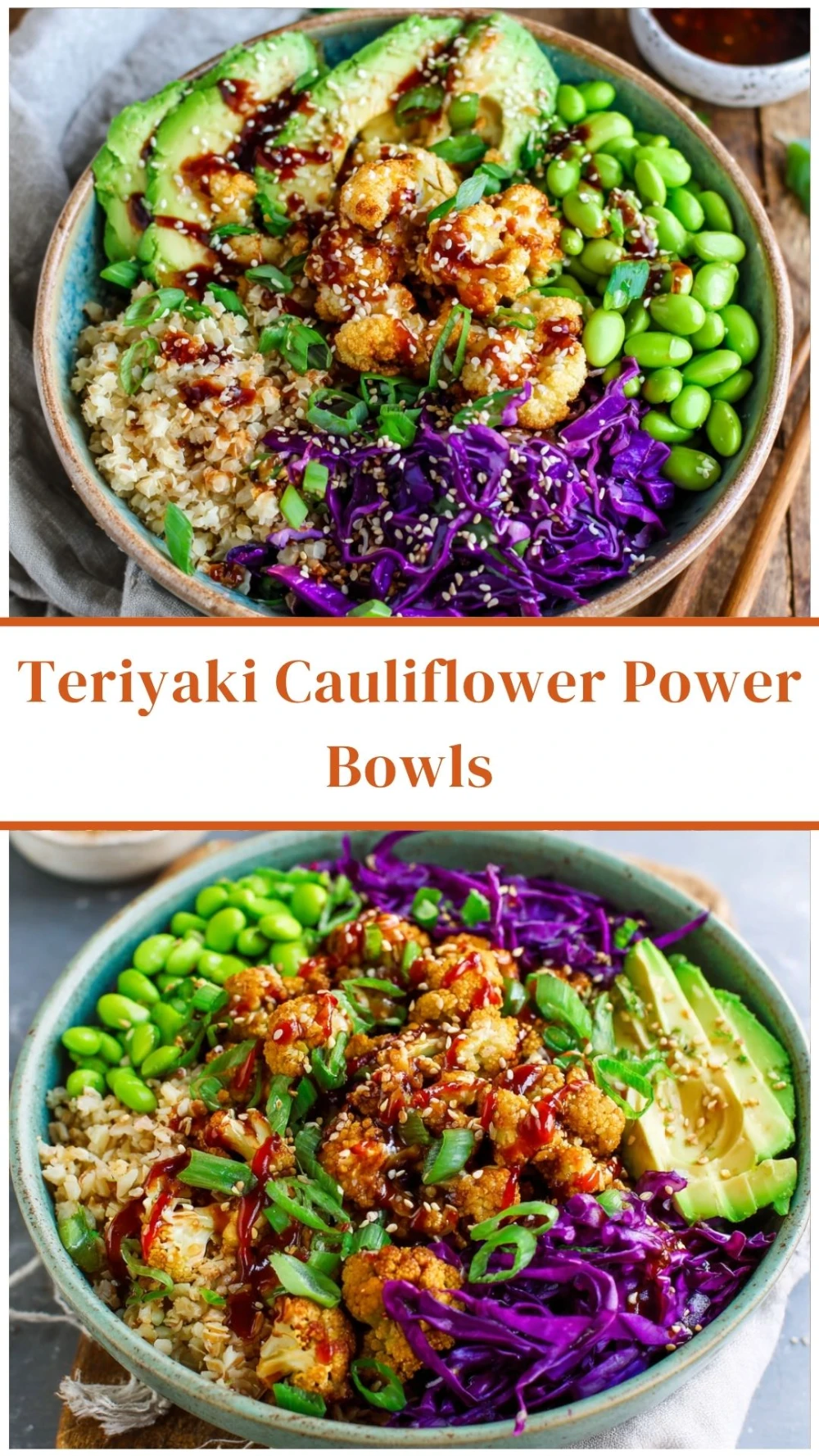
Discover a vibrant and incredibly satisfying Teriyaki Cauliflower Power Bowl that brings together tender, caramelized roasted cauliflower coated in a rich, savory homemade teriyaki sauce with a medley of fresh vegetables and hearty grains. This dish is not only a feast for the eyes but also a nutritious and flavor-packed meal that will leave you feeling energized and deeply content. It's an ideal choice for a wholesome weeknight dinner or a delightful meal prep option.
Prep Time
20 minutes
Cook Time
40 minutes
Total Time
60 minutes
Servings
4 servings
Keywords
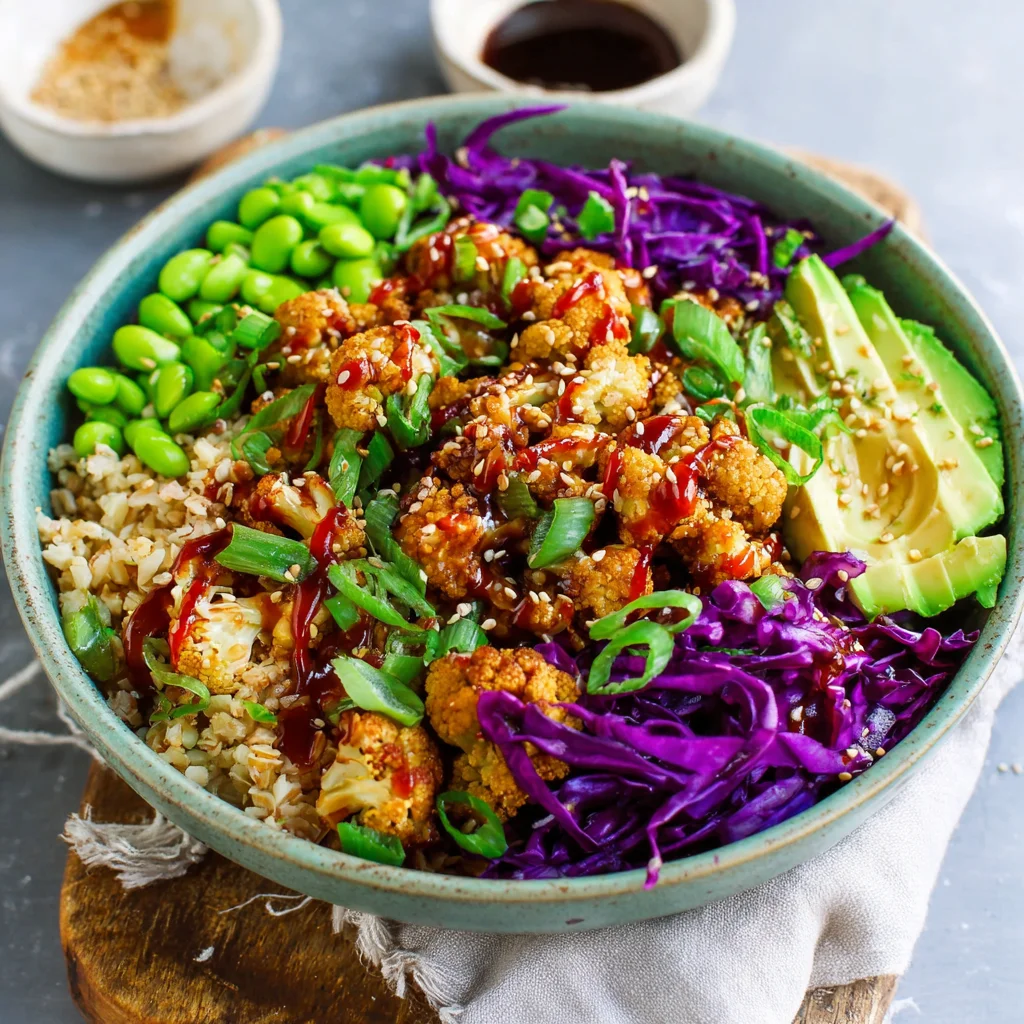
Why This Recipe Delivers
- Packed with robust umami flavor from the homemade teriyaki sauce.
- A nutrient-dense meal, rich in fiber, vitamins, and plant-based protein.
- Highly customizable with your choice of grains and additional fresh toppings.
- Perfect for meal prepping, allowing for delicious and healthy lunches or dinners throughout the week.
- An excellent way to enjoy vegetables, making cauliflower the star of the show.
Ingredients
- 1 medium head cauliflower (approximately 900g-1.1kg), trimmed and cut into bite-sized florets
- 30ml (2 tablespoons) extra-virgin olive oil
- 2.5g (1/2 teaspoon) kosher salt
- 120ml (1/2 cup) water
- 10g (1 tablespoon) cornstarch
- 60ml (1/4 cup) lower-sodium tamari or soy sauce
- 25g (2 tablespoons) light brown sugar, packed
- 15g (1 tablespoon) fresh garlic, minced (about 3-4 cloves)
- 30ml (2 tablespoons) Hoisin sauce
- 30ml (2 tablespoons) rice vinegar
- 350g-400g (2 cups) cooked whole grain (such as farro, brown rice, or quinoa)
- 150g (1 cup) frozen shelled edamame, thawed
- 150g (2 cups) shredded red cabbage
- 30g (1/3 cup) thinly sliced green onion, for garnish
- Optional toppings: toasted sesame seeds, 1-2 ripe avocados, sliced or diced
Instructions
- Preheat your oven to 220°C (425°F). Prepare a large baking sheet by lining it with parchment paper for easier cleanup and to prevent sticking, ensuring the cauliflower roasts evenly.
- In a spacious mixing bowl, combine the cauliflower florets with the 30ml (2 tablespoons) of extra-virgin olive oil and 2.5g (1/2 teaspoon) of kosher salt. Toss thoroughly until every floret is lightly coated. Spread the seasoned cauliflower in a single layer on the prepared baking sheet. Roast for 30 minutes, turning the florets gently with a spatula after 20 minutes to promote even browning and caramelization on all sides.
- While the cauliflower roasts, prepare the cornstarch slurry. In a small bowl, whisk together the 120ml (1/2 cup) of water and 10g (1 tablespoon) of cornstarch until smooth and no lumps remain. This slurry will be added to the sauce later to thicken it, providing that signature glossy, rich teriyaki texture. Set this mixture aside.
- In a small saucepan, combine the 60ml (1/4 cup) lower-sodium tamari or soy sauce, 25g (2 tablespoons) brown sugar, 15g (1 tablespoon) minced fresh garlic, 30ml (2 tablespoons) Hoisin sauce, and 30ml (2 tablespoons) rice vinegar. Place the saucepan over medium heat, stirring frequently until the brown sugar has completely dissolved, which typically takes about 1 to 2 minutes. This initial heating helps the flavors meld.
- Give the reserved cornstarch mixture another quick whisk to ensure the cornstarch hasn't settled. Pour the cornstarch slurry into the simmering sauce in the saucepan. Continue to whisk vigorously and constantly to prevent scorching and ensure even thickening. Bring the sauce to a gentle boil, then reduce the heat to medium-low and allow it to simmer for approximately 2 to 3 minutes, or until the sauce becomes noticeably viscous and thickened to your desired consistency. Remove the sauce from the heat once it reaches the proper thickness.
- Carefully remove the roasted cauliflower from the oven. Using a pastry brush, generously coat the cauliflower florets with half of the prepared teriyaki sauce. Return the cauliflower to the oven and bake for an additional 10 minutes, or until the cauliflower is beautifully caramelized and the sauce is bubbling and slightly sticky. This second bake helps the sauce adhere and develop a deep, rich flavor on the florets.
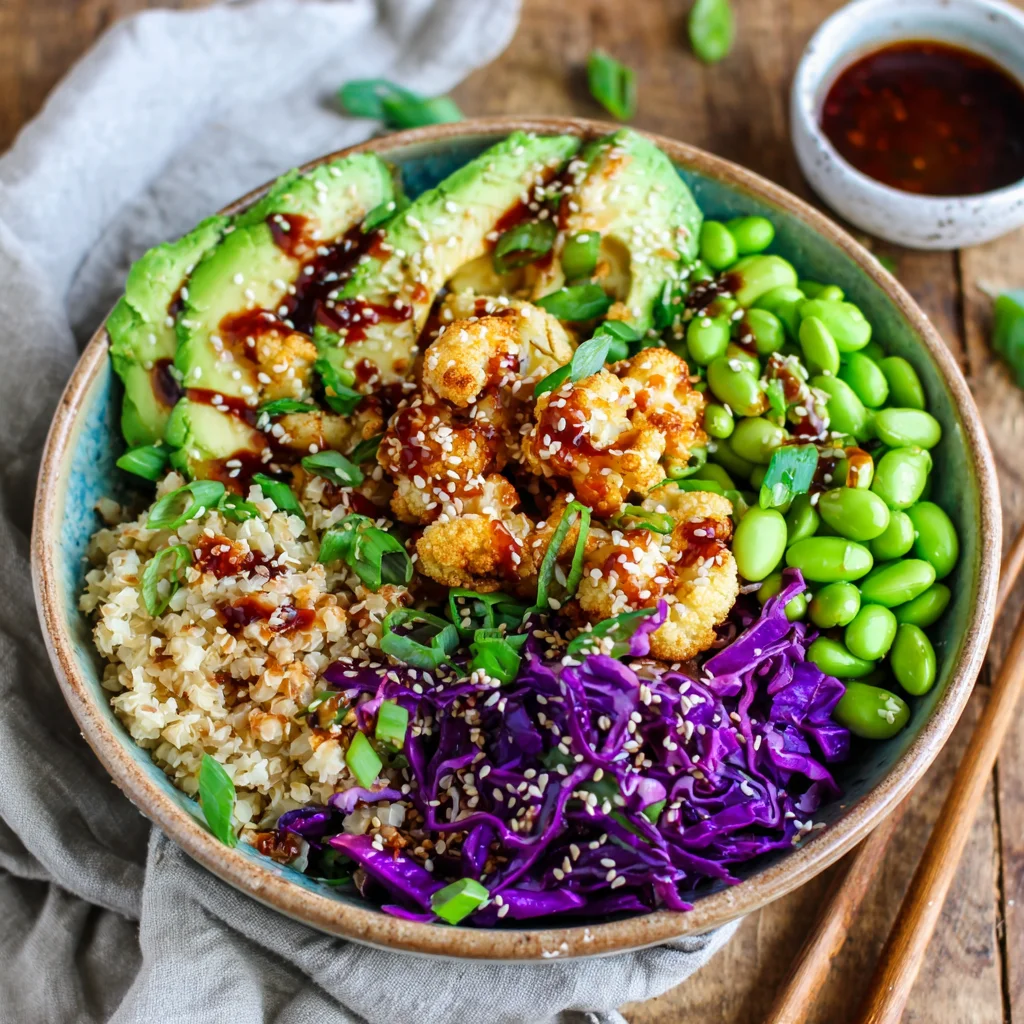
- To assemble the power bowls, divide the cooked whole grain (farro, rice, or quinoa) evenly among four serving bowls. Distribute the teriyaki cauliflower, thawed shelled edamame, and shredded red cabbage into each bowl, arranging them appealingly. Drizzle the remaining teriyaki sauce evenly over all the ingredients in the bowls. Garnish generously with thinly sliced green onion and any additional toppings of your choice, such as toasted sesame seeds or sliced avocado, for added flavor and texture. Serve immediately and enjoy the harmonious blend of flavors and textures.
Tools You’ll Need
- Large baking sheet
- Parchment paper
- Large mixing bowl
- Small mixing bowl
- Whisk
- Small saucepan
- Spatula
- Pastry brush
- Four serving bowls
Essential Success Tips
- For perfectly crisp cauliflower, ensure florets are spread in a single layer on the baking sheet to allow for proper air circulation. Overcrowding will steam them instead of roasting.
- Achieving the right sauce consistency is key; if it's too thick, add a touch more water; if too thin, simmer a little longer or create another small cornstarch slurry.
- Don't skip the second bake for the cauliflower after adding the sauce; this step allows the teriyaki to caramelize and truly cling to the florets, deepening their flavor.
- Choose a firm, fresh head of cauliflower for the best texture. Avoid any with soft spots or discoloration.
- Taste the teriyaki sauce before adding the slurry and adjust sweetness or saltiness if needed. Some prefer a tangier or sweeter profile.
Professional Cooking Secrets
- To infuse more depth into your teriyaki sauce, lightly toast the sesame seeds before sprinkling them on top. For an extra layer of complexity, add a tiny dash of grated fresh ginger to the sauce while it simmers.
- When roasting vegetables, a slightly higher oven temperature (like 220°C/425°F) promotes faster caramelization and a more intense roasted flavor, crucial for cauliflower to develop its sweetness and texture.
- For meal prep, keep the sauce separate from the cauliflower and grains until serving. This prevents the cauliflower from becoming soggy and allows you to reheat components individually for optimal freshness.
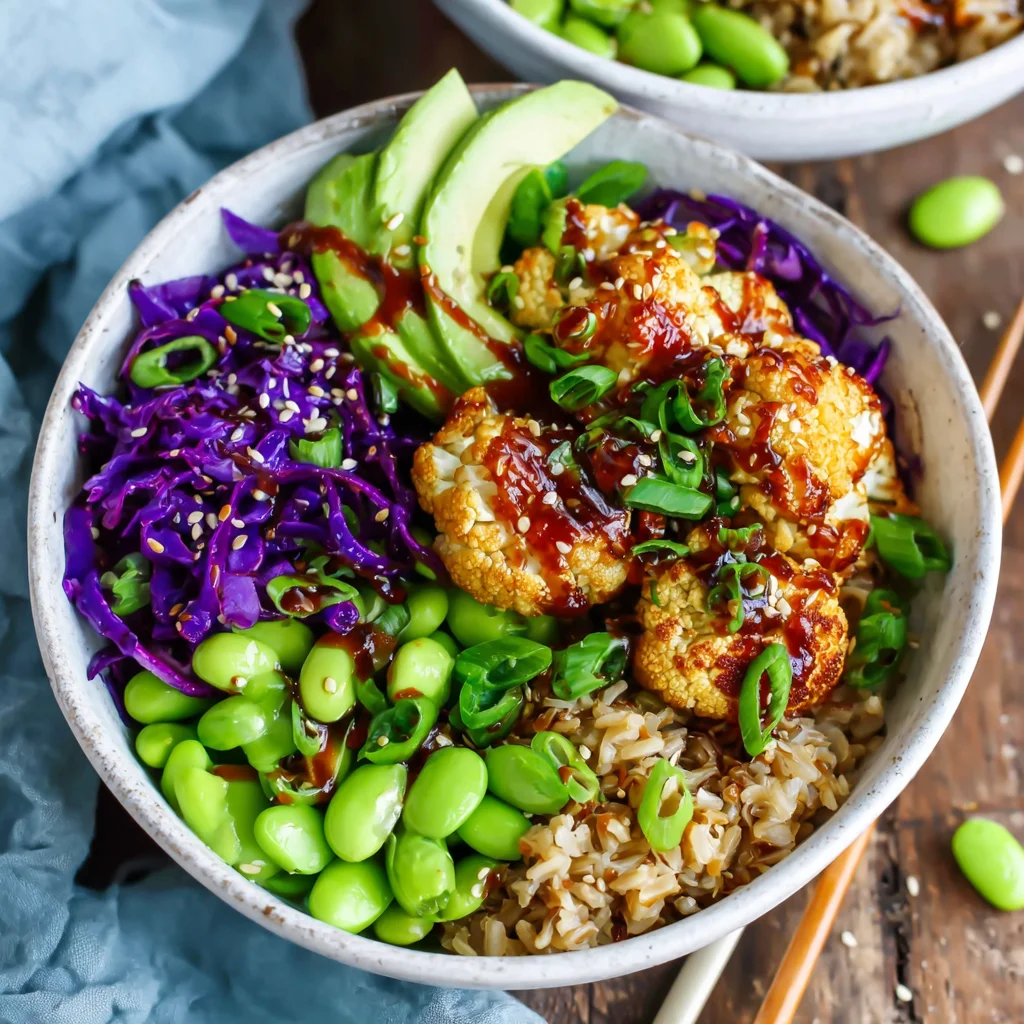
Notes
- Storage: Leftovers can be stored in an airtight container in the refrigerator for up to 3-4 days. Reheat gently in a microwave or oven.
- Variations: Feel free to swap out the edamame for chickpeas or black beans for a different protein source. Add other roasted vegetables like broccoli or bell peppers for more color and nutrients. A sprinkle of chili flakes can add a pleasant heat.
Frequently Asked Questions
Can I make this recipe gluten-free?
Absolutely! By ensuring you use tamari (which is naturally gluten-free) instead of traditional soy sauce, and checking that your Hoisin sauce does not contain gluten, this recipe becomes entirely gluten-free. Most other ingredients are naturally GF.
What are some good substitutions for farro?
Excellent grain substitutions include brown rice, quinoa, or even millet. Each offers a slightly different texture and nutritional profile, but all will work wonderfully as a hearty base for your power bowl.
Can I prepare the components ahead of time?
Yes, this dish is fantastic for meal prep! You can roast the cauliflower, cook the grains, and prepare the teriyaki sauce a few days in advance. Store them separately in airtight containers in the refrigerator, then assemble and briefly reheat when ready to serve.
Nutrition Facts (Per Serving)
Per serving (estimated): Calories: 480-550, Protein: 20-25g, Fat: 15-20g, Carbohydrates: 65-75g, Fiber: 10-12g.
Allergy Information
Contains soy (from tamari/soy sauce and Hoisin sauce). May contain sesame (if Hoisin sauce contains it or if sesame seeds are used as a topping). For a gluten-free version, use tamari and ensure Hoisin sauce is gluten-free. For a vegan dish, all ingredients listed are plant-based.




No comment