

Zimtschnecken Käsekuchen mit Frischkäse
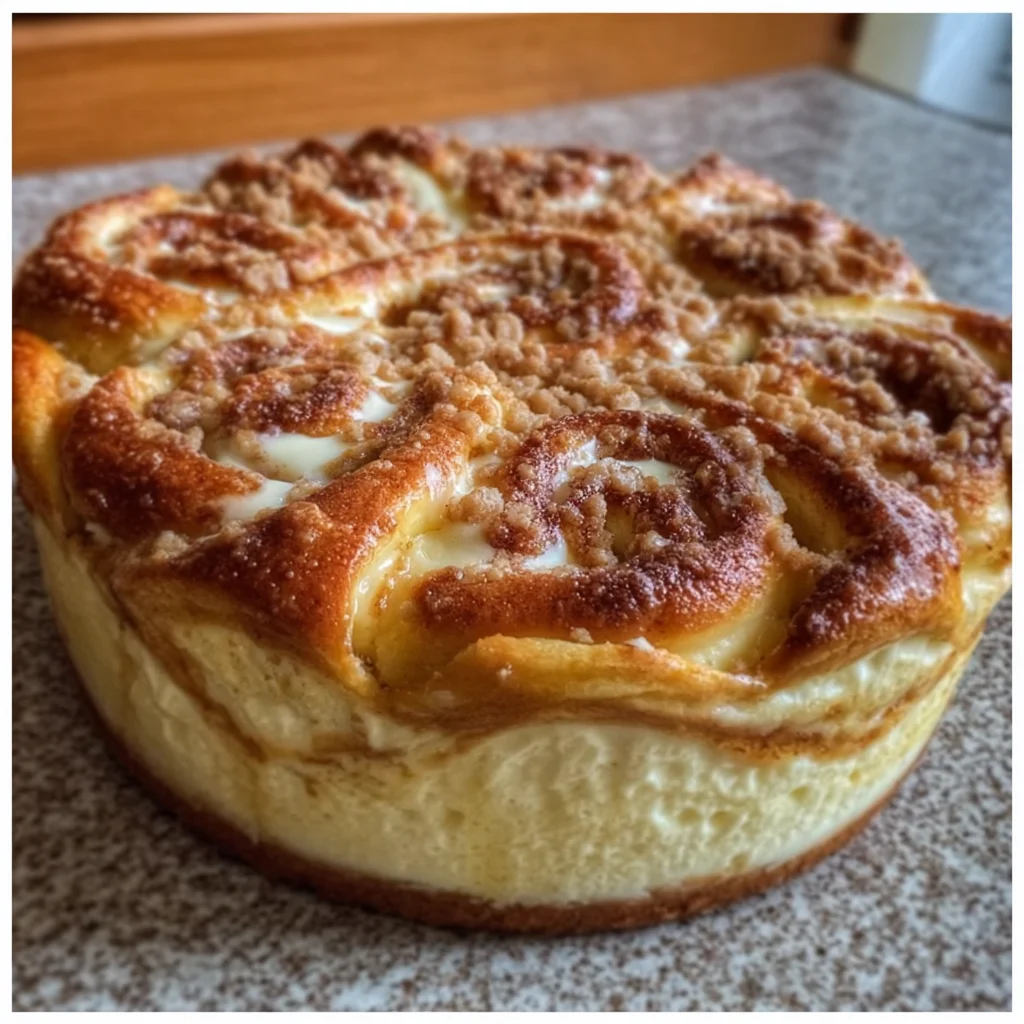
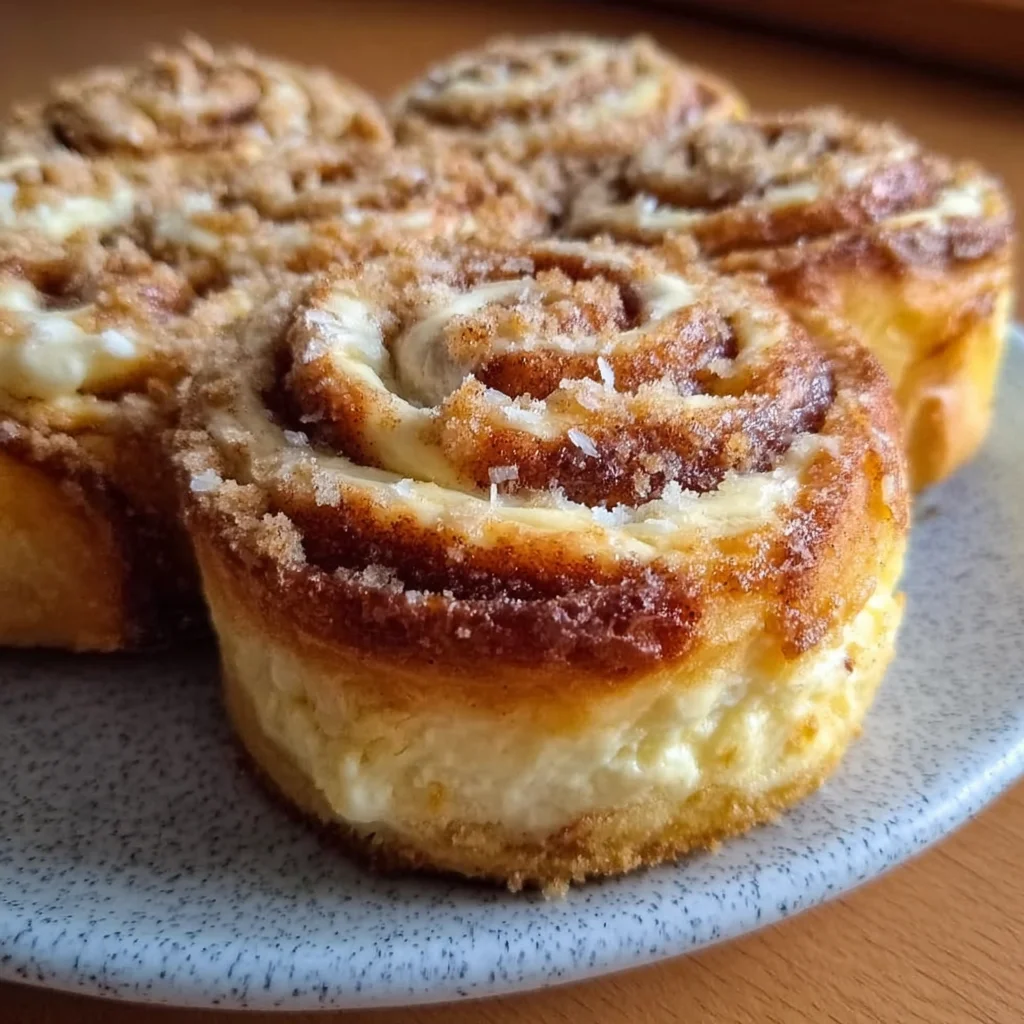
Indulge in the best of both worlds with this exquisite Zimtschnecken Käsekuchen, a delightful fusion of a classic German cheesecake and the beloved cinnamon roll. Each slice offers a rich, creamy texture intertwined with a sweet, spiced cinnamon swirl, all resting on a perfectly crisp biscuit base. It's a comforting dessert that brings warmth and sophisticated flavor to any occasion, guaranteed to impress.
Prep Time
25 minutes
Cook Time
60 minutes
Total Time
1 hour 25 minutes active, plus a minimum of 4 hours chilling
Servings
12 generous slices
Keywords
Why This Recipe Delivers
- A perfect fusion of two beloved desserts: creamy cheesecake and aromatic cinnamon rolls.
- Rich, velvety texture paired with a delightful spiced swirl, offering a unique flavor profile.
- Impressive presentation with minimal effort, making it ideal for gatherings or special treats.
- Customizable with your choice of biscuit base for an added personal touch.
- Comforting and satisfying, perfect for a cozy afternoon or a decadent evening dessert.
Ingredients
- 250 g (8.8 oz) digestive biscuits or speculoos cookies
- 100 g (3.5 oz) unsalted butter, melted
- 450 g (16 oz) low-fat quark (or plain Greek yogurt, strained overnight)
- 750 g (26.5 oz) full-fat cream cheese, softened to room temperature
- 250 ml (1 cup) heavy cream
- 3 large eggs, at room temperature
- 50 ml (3.4 tbsp) neutral cooking oil (e.g., canola, sunflower)
- 80 g (0.4 cup) granulated sugar
- 1 packet (approx. 8-10 g / 2 tsp) vanilla sugar (or 1 tsp pure vanilla extract)
- 1 packet (approx. 35-40 g / 3-4 tbsp) vanilla pudding powder (cornstarch based, or substitute with 2 tablespoons cornstarch and 1 teaspoon vanilla extract)
- 50 g (0.4 cup / 4 tbsp) cornstarch
- 100 g (3.5 oz) unsalted butter, softened
- 100 g (0.5 cup) light brown sugar, packed
- 2 tablespoons ground cinnamon
- 2 tablespoons all-purpose flour
- Cinnamon sugar for topping (mixture of granulated sugar and ground cinnamon)
Instructions
- Prepare the biscuit base by finely crushing the digestive biscuits or speculoos cookies in a food processor for about 10 seconds on a high setting (e.g., speed 8). The goal is fine, sand-like crumbs for a uniform crust.
- Add the 100 g (3.5 oz) of melted unsalted butter to the crushed biscuits. Mix for another 10 seconds on a medium setting (e.g., speed 4) until the crumbs are thoroughly moistened and resemble wet sand. This ensures the crust holds together well.
- Firmly press the biscuit-butter mixture into the bottom of a 24-26 cm (9.5-10 inch) springform pan. Use the back of a spoon or the bottom of a glass to create an even, compact layer. Place the pan in the refrigerator for at least 10 minutes to allow the base to firm up while you prepare the filling.
- For the cheesecake filling, combine the low-fat quark, softened full-fat cream cheese, heavy cream, room temperature eggs, neutral cooking oil, granulated sugar, vanilla sugar (or vanilla extract), vanilla pudding powder, and 50 g (4 tbsp) cornstarch in a large mixing bowl. Beat vigorously with an electric mixer or whisk for about 30 seconds on a medium setting (e.g., speed 5) until the mixture is completely smooth and well combined, being careful not to overmix, which can introduce too much air.
- Gently pour the prepared cheesecake filling evenly over the chilled biscuit base in the springform pan. Smooth the top with a spatula if necessary to ensure an even surface for the swirl.
- To create the cinnamon topping, combine the 100 g (3.5 oz) softened unsalted butter, packed light brown sugar, 2 tablespoons of ground cinnamon, and 2 tablespoons of all-purpose flour in a small bowl. Mix for about 20 seconds on a low setting (e.g., speed 3) with a hand mixer, or stir with a spoon, until a uniform, crumbly paste forms. This creates the signature cinnamon roll flavor.
- Carefully drop spoonfuls of the cinnamon topping onto the surface of the cheesecake filling. Using a thin knife or a skewer, gently swirl the topping into the cheesecake mixture. Do not overmix; aim for distinct swirls. Finally, sprinkle a generous layer of cinnamon sugar over the entire top of the cheesecake for an extra touch of sweetness and spice.
- Preheat your oven to 180°C (350°F) with both top and bottom heat (Ober-/Unterhitze). Bake the cheesecake for approximately 60 minutes. The cheesecake is done when the edges are set and slightly golden brown, but the center still has a slight wobble. This indicates it will be perfectly creamy when cooled.
- Once baked, remove the cheesecake from the oven and allow it to cool completely at room temperature on a wire rack. This slow cooling prevents cracking. After it has reached room temperature, transfer the cheesecake, still in its springform, to the refrigerator and chill for a minimum of 4 hours, preferably overnight, before carefully removing it from the springform pan and serving. Chilling is crucial for the cheesecake to fully set and achieve its ideal texture and flavor.
Tools You’ll Need
- 24-26 cm (9.5-10 inch) springform pan
- Food processor or sturdy zip-top bag and rolling pin
- Large mixing bowl
- Electric mixer (stand or hand mixer)
- Rubber spatula
- Measuring cups and spoons (or kitchen scale for metric precision)
- Wire rack for cooling
- Thin knife or skewer for swirling
Essential Success Tips
- Ensure all cold ingredients, especially cream cheese and eggs, are at room temperature. This helps achieve a smooth, lump-free filling and prevents cracking during baking.
- Do not overmix the cheesecake batter. Mix only until just combined to prevent incorporating too much air, which can cause the cheesecake to puff up and then crack as it cools.
- Avoid opening the oven door frequently during baking. Consistent heat is key to an even bake and preventing cracks.
- After baking, allow the cheesecake to cool gradually in the oven with the door ajar, or on a wire rack at room temperature, before chilling. Rapid temperature changes are a common cause of cracks.
- Chilling is non-negotiable! A minimum of 4 hours, or ideally overnight, in the refrigerator allows the cheesecake to fully set, firm up, and develop its optimal flavor and texture.
Professional Cooking Secrets
- To prevent a soggy crust, you can blind bake the biscuit base for 8-10 minutes at 175°C (350°F) before adding the filling, though chilling alone usually suffices for this recipe.
- For an extra layer of flavor and aroma, lightly toast your ground cinnamon in a dry pan for 30 seconds before mixing it into the topping. This intensifies its fragrance.
- If you're concerned about cracking, place a pan of hot water on the bottom rack of your oven while the cheesecake bakes. The steam helps create a moist environment, reducing the risk of cracks.

Notes
- Storage: Store the Zimtschnecken Käsekuchen covered in the refrigerator for up to 4-5 days.
- Freezing: This cheesecake freezes beautifully! Once completely chilled and firm, wrap individual slices or the whole cheesecake (without the pan) tightly in plastic wrap and then aluminum foil. Freeze for up to 1-2 months. Thaw in the refrigerator overnight.
- Variations: Experiment with different biscuit types for the base, such as Graham crackers or even ginger snaps for a spicier kick. You can also add a cream cheese frosting drizzle on top after chilling for extra indulgence.
Frequently Asked Questions
What is quark, and can I substitute it?
Quark is a fresh dairy product, similar to cream cheese but with a lighter texture and tangy flavor, often low in fat. In this recipe, you can substitute it with an equal amount of plain Greek yogurt that has been strained overnight in a cheesecloth to remove excess moisture, or with an equivalent amount of fromage blanc.
My cheesecake cracked! What went wrong?
Cracking is often caused by overmixing the batter (introducing too much air), baking at too high a temperature, or rapid temperature changes during cooling. Ensure your ingredients are at room temperature, mix just until combined, avoid opening the oven door frequently, and allow for slow, gradual cooling.
Can I make this cheesecake gluten-free?
Absolutely! To make this dish gluten-free, simply use gluten-free digestive biscuits or a gluten-free cookie alternative for the crust. Ensure your vanilla pudding powder and cornstarch are certified gluten-free, as some brands may contain traces.
Nutrition Facts (Per Serving)
Approximate per slice (based on 12 servings): Calories: 480, Protein: 12g, Fat: 35g, Saturated Fat: 20g, Carbohydrates: 30g, Sugars: 22g.
Allergy Information
Contains dairy, eggs, and gluten. For a gluten-free version, use gluten-free biscuits and verify other ingredients. Nut-free if no nut-containing biscuits are used.


No comment