
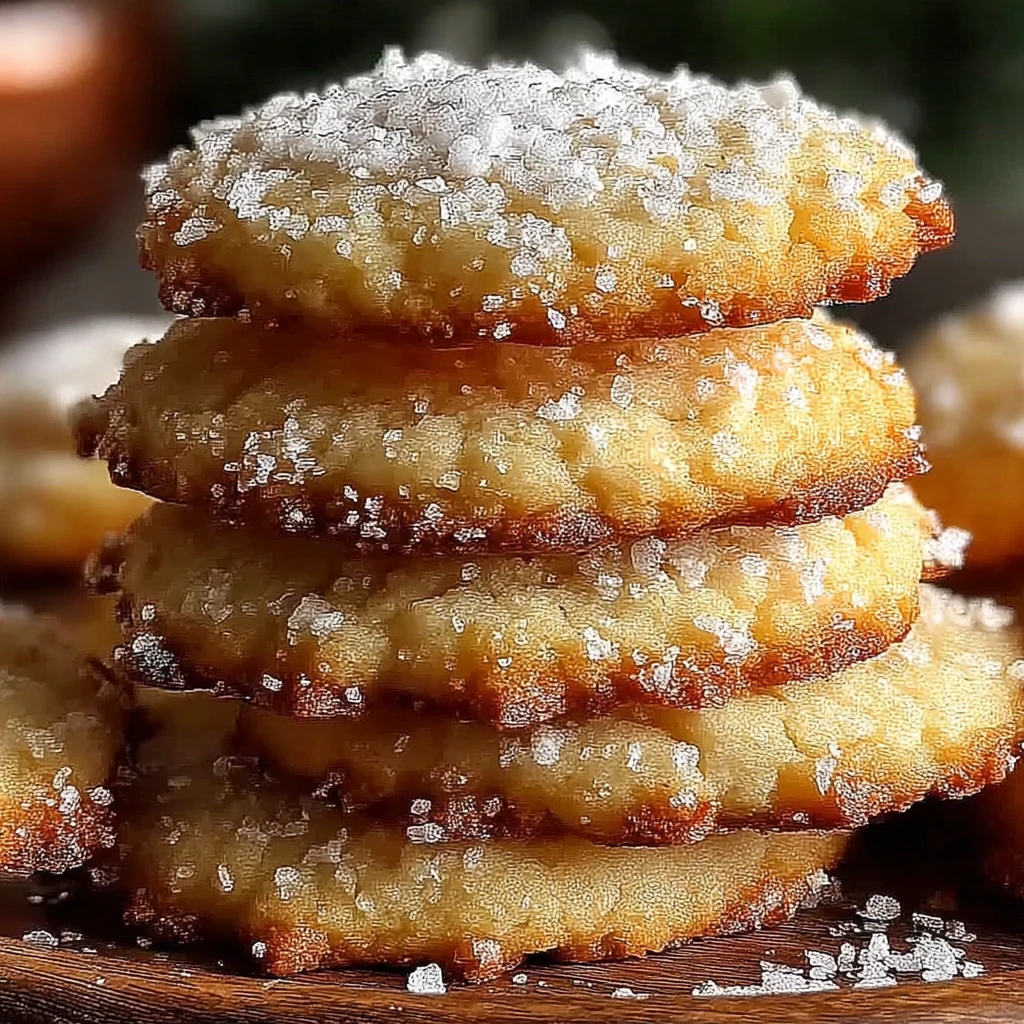
French Salted Butter Cookies: An Incredible Ultimate Recipe
Indulge in the pure, simple luxury of these French Salted Butter Cookies, a classic sable-style treat that melts in your mouth. Crafted with rich French butter, a delicate balance of sweetness, and a hint of sea salt, these cookies offer an unparalleled buttery flavor and tender, crisp texture. This ultimate recipe guides you to perfect, irresistible cookies every single time.
Prep Time
25 minutes active, plus 30 minutes chilling
Cook Time
10-12 minutes
Total Time
Approximately 1 hour and 5 minutes
Servings
Makes about 24 cookies
Keywords

Why This Recipe Delivers
- Boasts an incredibly rich, buttery flavor thanks to high-quality French butter.
- Achieves a perfect balance of sweet and salty, creating an addictive taste.
- Features a delightfully tender, crisp, and melt-in-your-mouth texture.
- Requires minimal ingredients and straightforward steps, making it accessible for all skill levels.
- A versatile cookie, perfect for gifting, holiday platters, or an everyday treat.
Ingredients
- 226 grams (1 cup) unsalted French butter, softened to room temperature
- 150 grams (¾ cup) granulated sugar
- 250 grams (2 cups) all-purpose flour
- 5 grams (1 teaspoon) fine sea salt (for the dough)
- 5 ml (1 teaspoon) pure vanilla extract
- 1 large egg yolk
- Additional flaky sea salt for sprinkling on top (optional, but highly recommended)
Instructions
- Prepare your baking station by preheating your oven to 175°C (350°F). Line a large baking sheet with parchment paper to prevent sticking and ensure even baking.
- In a spacious mixing bowl, combine the softened French butter and granulated sugar. Cream them together using an electric mixer on medium speed until the mixture becomes notably light, fluffy, and pale yellow. This process incorporates air, contributing to the cookies' delicate texture.
- Introduce the large egg yolk and the vanilla extract into the creamed butter and sugar. Continue to beat until all ingredients are thoroughly incorporated and smooth. The egg yolk adds richness and helps bind the dough, while vanilla infuses a warm, aromatic note.
- In a separate, medium-sized bowl, whisk together the all-purpose flour and the 5 grams (1 teaspoon) of fine sea salt. Whisking ensures these dry ingredients are evenly distributed before being added to the wet mixture.
- Gradually add the dry flour mixture to the wet butter mixture, stirring on low speed or by hand until a cohesive dough begins to form. Be careful not to overmix, as overdeveloping the gluten can lead to tough cookies.
- Once the dough comes together, wrap it tightly in plastic wrap and refrigerate for a minimum of 30 minutes. This chilling period is crucial; it firms up the butter, making the dough much easier to handle and preventing excessive spreading during baking.
- After the dough has sufficiently chilled, unwrap it and roll it into small, uniform balls, each approximately 2.5 cm (1 inch) in diameter. Place these dough balls onto your prepared baking sheet, ensuring they are spaced a few centimeters (about 2 inches) apart to allow for slight expansion.
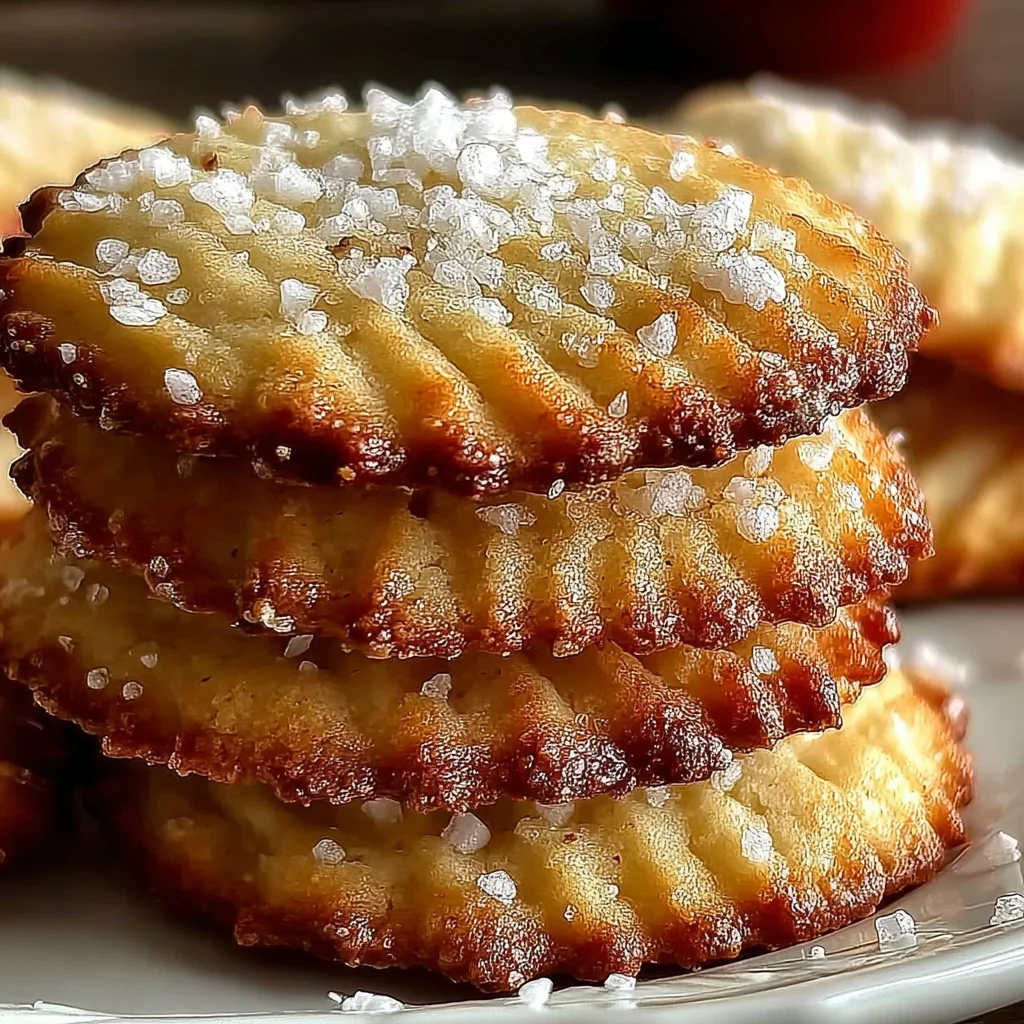
- Gently flatten each cookie ball. You can use the back of a fork to create a classic crosshatch pattern, or simply press down lightly with your fingers. This slight flattening helps ensure even baking and a pleasant texture.
- For an elevated flavor and presentation, sprinkle a small pinch of flaky sea salt on top of each cookie before baking. This extra touch enhances the buttery sweetness with a delightful savory counterpoint.
- Bake the cookies in the preheated oven for 10-12 minutes. Keep a close eye on them; they are ready when their edges are lightly golden, but the centers still appear soft. Overbaking can make them dry.
- Once baked, remove the cookies from the oven and allow them to cool on the baking sheet for a few minutes. This initial cooling period allows them to firm up. Afterward, carefully transfer them to a wire rack to cool completely, ensuring a perfectly crisp texture.
- These simple steps will guide you in creating these incredible cookies effortlessly, ensuring success with every batch. Enjoy the fruits of your labor!

Tools You’ll Need
- Large mixing bowl
- Medium mixing bowl
- Electric mixer (handheld or stand mixer)
- Whisk
- Rubber spatula
- Plastic wrap
- Baking sheet
- Parchment paper
- Wire cooling rack
Essential Success Tips
- Always use high-quality butter, ideally French, as it's the star ingredient. Ensure it's truly softened, but not melted, for optimal creaming.
- Do not skip the chilling step for the dough. This prevents the cookies from spreading too much and helps them maintain their shape and tender texture.
- Measure your flour accurately, preferably by weight (grams), to avoid adding too much, which can lead to dry, crumbly cookies.
- Watch the cookies carefully during the last few minutes of baking. They should only be lightly golden at the edges; overbaking will result in a tougher texture.
- Allow the cookies to cool completely on a wire rack to achieve maximum crispness and prevent them from becoming soggy from residual heat.
Professional Cooking Secrets
- For an extra layer of flavor complexity, consider browning a small portion of the butter before adding it to the creamed mixture. This 'beurre noisette' adds a nutty depth that complements the salt.
- A trick to perfectly uniform cookies is to lightly flour your hands and roll the dough into a log first, then slice it into even rounds before shaping. This ensures consistent baking.
- Experiment with different types of flaky sea salt for the topping, such as Maldon or fleur de sel, to find your favorite texture and salinity that truly elevates the cookie.
Notes
- Storage: Store cooled cookies in an airtight container at room temperature for up to one week. They also freeze beautifully for up to 2 months.
- Flavor Variations: You can add citrus zest (lemon or orange) to the dough for a bright twist, or a pinch of cardamom for an exotic note.
- Dough Ahead: The cookie dough can be made up to 2-3 days in advance and stored in the refrigerator, or frozen for up to a month. Thaw in the refrigerator before shaping and baking.
Frequently Asked Questions
What is the difference between unsalted French butter and regular unsalted butter?
French butter typically has a higher butterfat content (around 82-84% compared to 80% in American butter), giving it a richer flavor and a silkier texture. This higher fat content contributes significantly to the melt-in-your-mouth quality of these cookies.
Why is chilling the dough so important for these cookies?
Chilling the dough allows the butter to firm up, preventing the cookies from spreading excessively in the oven. It also helps the flavors meld and results in a more tender, crisp texture by slowing down gluten development.
Can I make these cookies gluten-free?
Yes, you can substitute the all-purpose flour with a 1:1 gluten-free baking flour blend that contains xanthan gum. The texture might vary slightly, but they will still be delicious.
Nutrition Facts (Per Serving)
Per cookie (estimated): Calories: 135-145, Total Fat: 9-10g, Saturated Fat: 6g, Cholesterol: 30mg, Sodium: 50mg, Total Carbohydrates: 14-15g, Dietary Fiber: <1g, Sugars: 8-9g, Protein: 1-2g.
Allergy Information
Contains dairy, eggs, and gluten. For a gluten-free version, use a 1:1 gluten-free flour blend. Always check ingredient labels if you have severe allergies.



No comment