
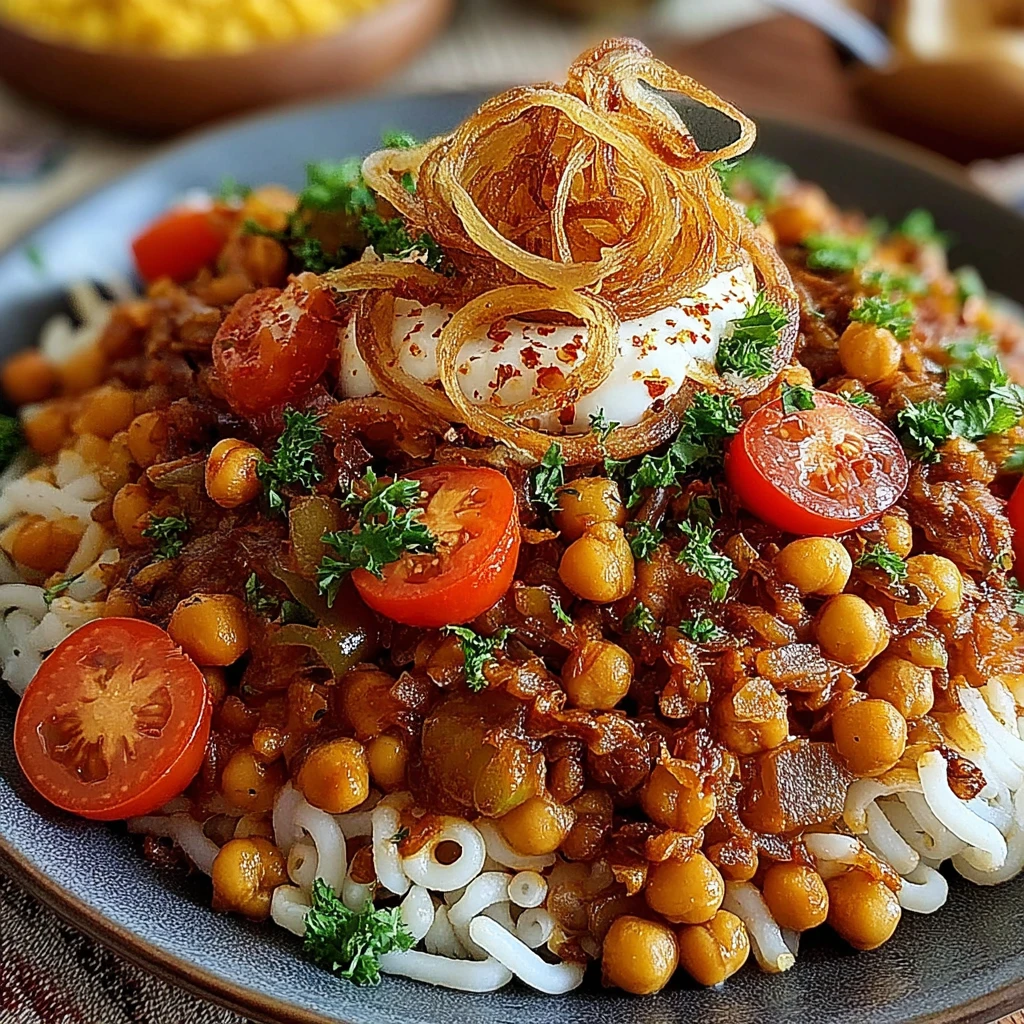
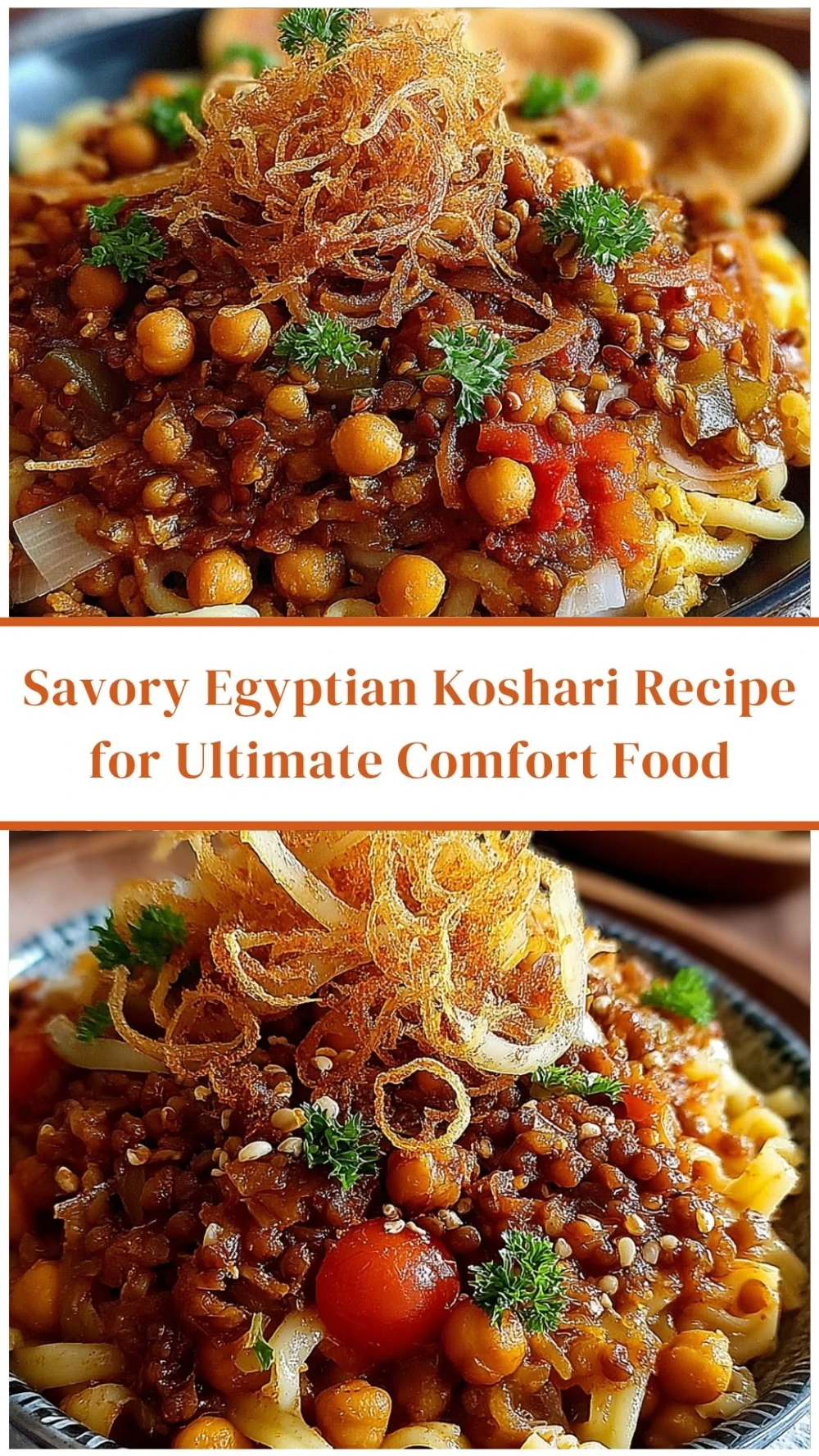
Savory Egyptian Koshari Recipe for Ultimate Comfort Food
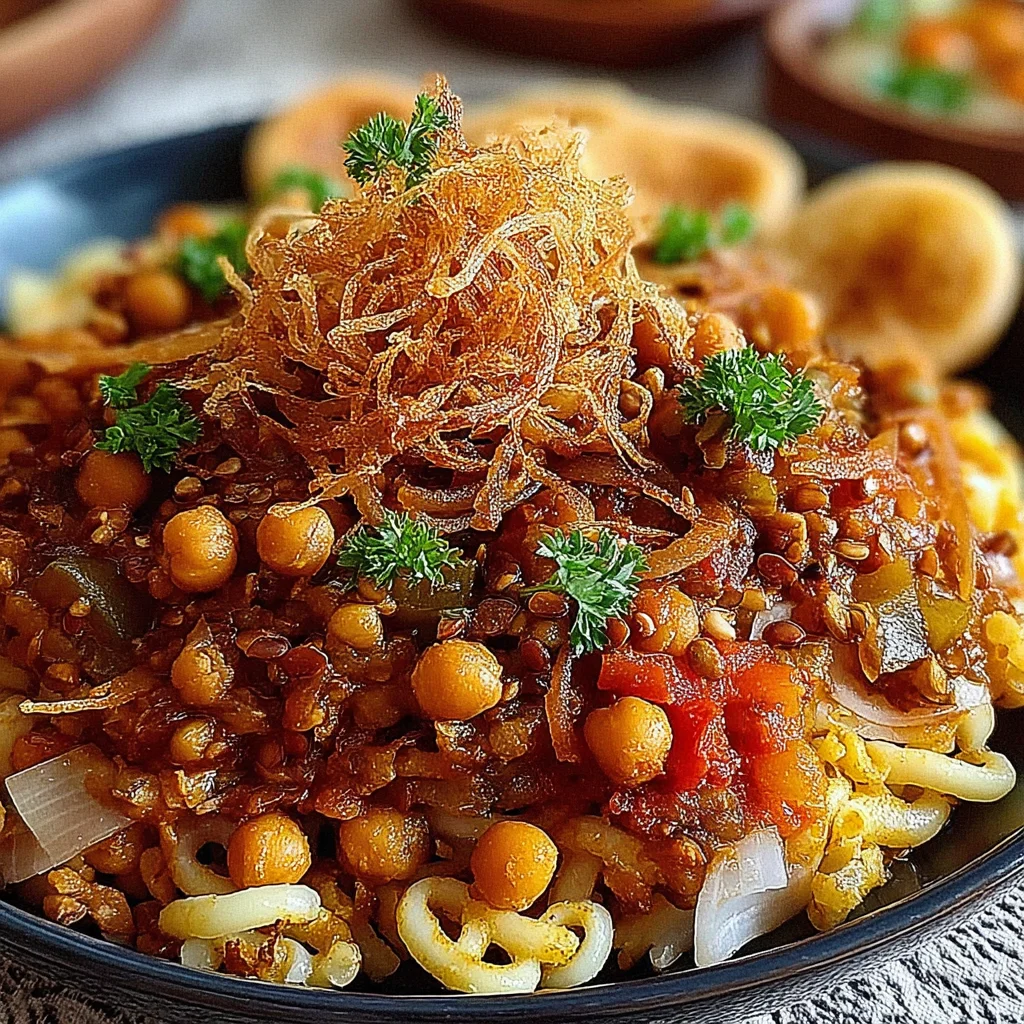
Dive into the heartwarming layers of Egyptian Koshari, a beloved street food classic that brings together a symphony of textures and flavors. This robust and satisfying vegan dish features a delicious blend of rice, lentils, chickpeas, and pasta, all smothered in a tangy tomato sauce and crowned with crispy fried onions. It's the ultimate comfort food experience, perfect for a cozy night in or a vibrant gathering.
Prep Time
45 minutes, plus overnight soaking for chickpeas
Cook Time
1 hour 30 minutes
Total Time
2 hours 15 minutes, plus overnight soaking
Servings
6-8 generous servings
Keywords
Why This Recipe Delivers
- A symphony of textures from crispy onions to tender lentils and al dente pasta.
- Packed with robust, savory, and tangy flavors that are incredibly satisfying.
- A complete and hearty plant-based meal, rich in fiber and protein.
- Offers a truly authentic taste of Egyptian culinary heritage.
- Customizable with various toppings and spice levels to suit any palate.
Ingredients
- 250 grams (1.25 cups) dried chickpeas, soaked overnight
- 230 grams (1.25 cups) dried brown lentils
- 470 grams (2.5 cups) short-grain rice
- 280 grams (10 ounces) elbow pasta
- 280 grams (10 ounces) dried spaghetti
- 500 grams (1.1 lbs) ripe tomatoes, fresh preferred
- 185 grams (6.5 ounces) green bell pepper
- 3-4 medium cloves garlic (approximately 17.5 grams), minced, for sauce
- 50 mL (3.25 tablespoons) tomato paste
- 50 mL (3.25 tablespoons) white vinegar
- 3 grams (0.6 teaspoon) granulated sugar
- 5.5 grams (1.1 teaspoons) ground coriander
- 5.5 grams (1.1 teaspoons) ground cumin
- 750 grams (1.65 lbs) yellow onions, thinly sliced for frying
- 1 hot chili pepper, optional, for topping
- 5.5 grams (1.1 teaspoons) chili flakes, optional, for topping
- Neutral frying oil, as needed for frying onions
- 35 grams (2.25 tablespoons) ghee
- 10 cloves additional garlic (approximately 50 grams), minced, for rice/lentils
- Salt, to taste
- Black pepper, to taste
- Lime wedges, for serving (optional)
Instructions
- Begin by placing the dried chickpeas in a large bowl. Cover them generously with cool water, ensuring they are fully submerged, and let them soak overnight for at least 8-12 hours. This crucial step softens the chickpeas and significantly reduces their cooking time.
- Thinly slice the yellow onions into delicate rings. In a bowl, toss the sliced onions with a light dusting of flour, which helps achieve a wonderfully crispy texture. Heat a generous amount of neutral frying oil in a deep pan or pot over medium-high heat. Carefully add the floured onions in batches to avoid overcrowding, frying until they turn a beautiful golden brown and become perfectly crispy. Remove them with a slotted spoon and drain thoroughly on paper towels, then season lightly with salt. Set aside for topping.
- For the tomato sauce, combine the ripe tomatoes, green bell pepper, and the first portion of minced garlic (3-4 cloves) in a blender. Process until the mixture is completely smooth and uniform. This forms the flavorful base for your rich sauce.
- Pour the blended tomato mixture into a saucepan over medium heat. Stir in the ground coriander and ground cumin. Bring the mixture to a gentle simmer and let it cook for about 10 minutes, allowing the flavors to meld and deepen.
- After simmering, stir in the tomato paste and white vinegar. Continue to cook for an additional 5 minutes, ensuring the tomato paste is well incorporated and its raw flavor cooks out, while the vinegar adds a delightful tang.
- Add the granulated sugar, along with salt and black pepper to taste. The sugar balances the acidity of the tomatoes. Let the sauce simmer for another 2-3 minutes, adjusting seasonings as needed until it reaches your desired flavor profile.
- Rinse the brown lentils thoroughly under cold running water. Place them in a bowl, cover with fresh water, and let them soak for about 15 minutes. Drain them completely.
- In a large pot, bring plenty of salted water to a boil. Add the short-grain rice and cook according to package directions, typically until tender but not mushy. Drain the rice well and set aside.
- In another large pot, bring a generous amount of salted water to a rolling boil. Cook the elbow pasta and dried spaghetti until both are al dente. Drain the pasta thoroughly and gently combine the two types in a serving bowl to prevent sticking.
- Return the soaked and drained lentils to a pot and cover with fresh water. Bring to a boil, then reduce heat and simmer until the lentils are tender, which usually takes 20-30 minutes. Once cooked, drain any excess water and then stir the tender lentils directly into the prepared tomato sauce.
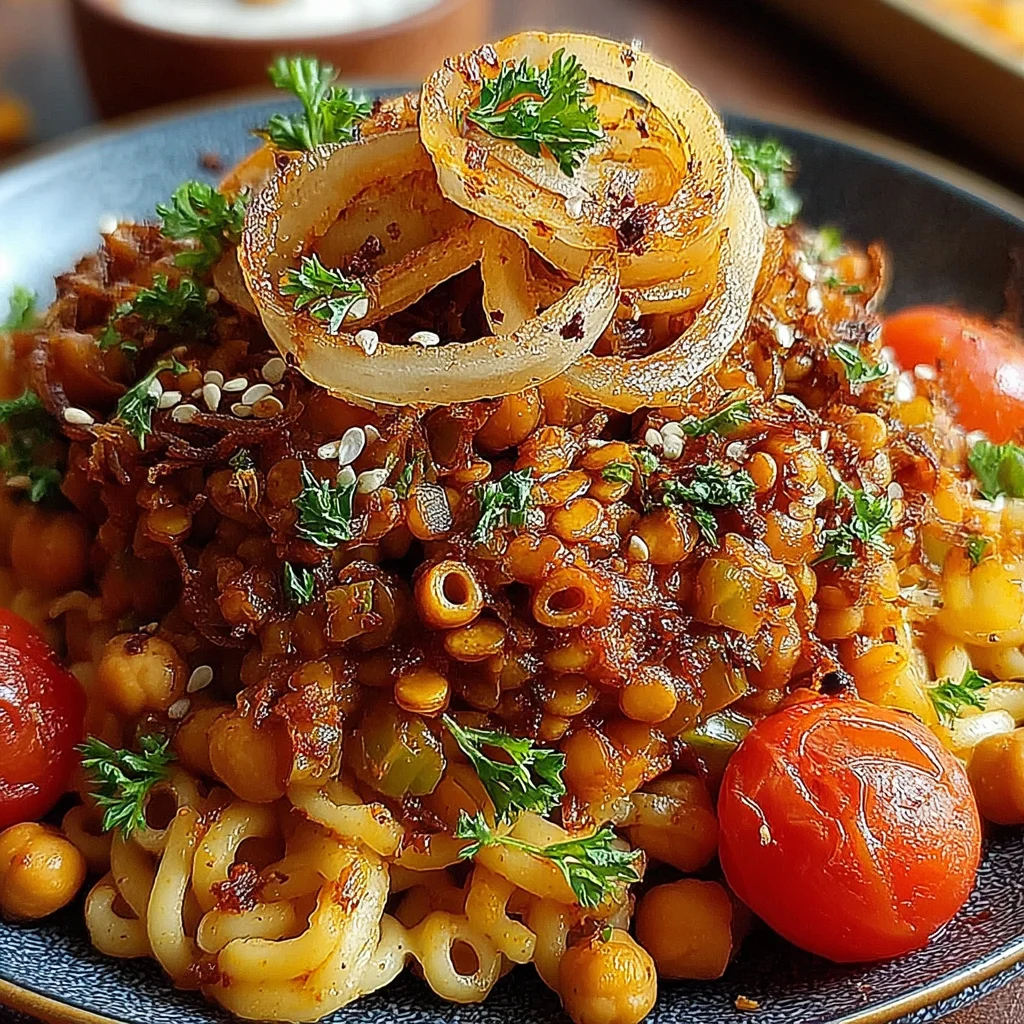
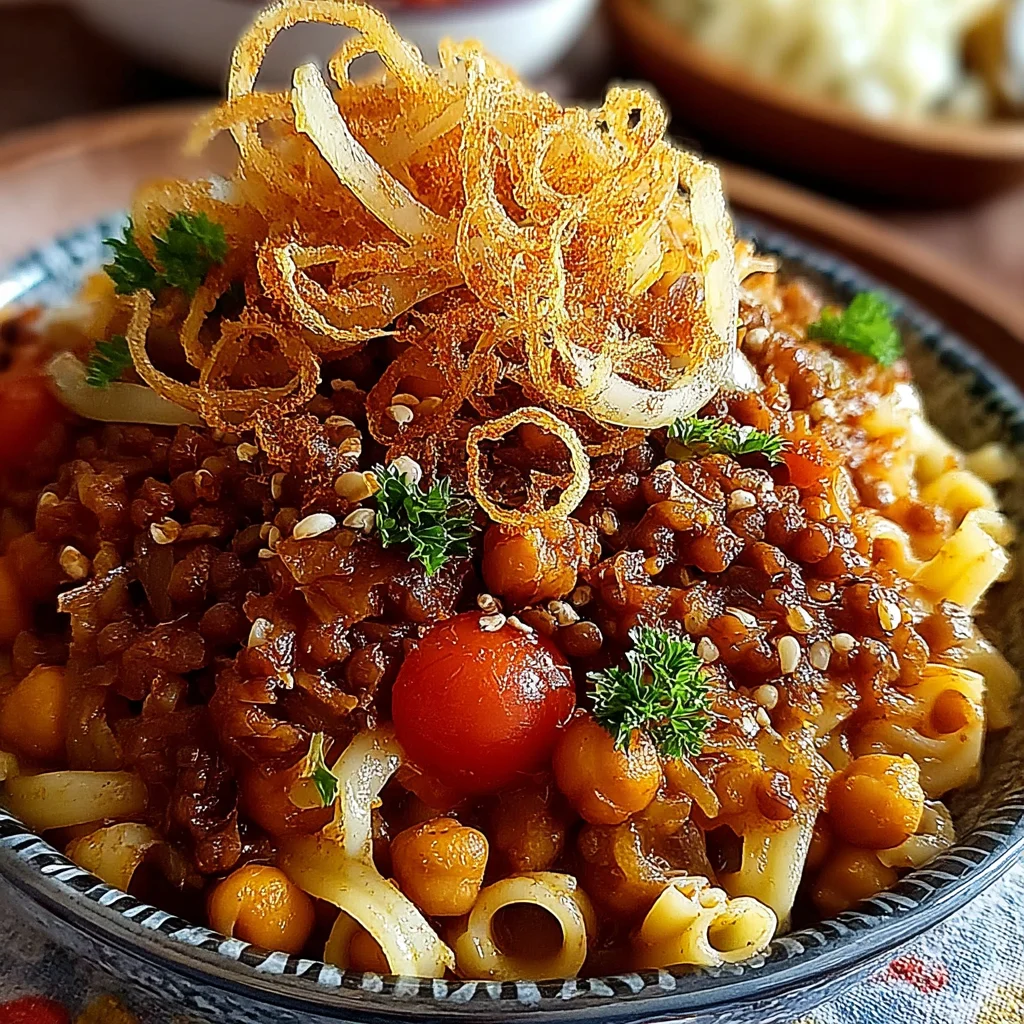
- To assemble the Koshari, begin by layering the cooked rice at the bottom of a large serving dish or individual bowls. Next, add a layer of the combined elbow pasta and spaghetti. Finish with a generous pouring of the lentil-tomato sauce over the pasta. Top generously with the crispy fried onions you prepared earlier.
- Serve the Koshari warm. For an extra kick, you can garnish with thinly sliced hot chili pepper or a sprinkle of chili flakes. A squeeze of fresh lime juice over the top before eating brightens all the flavors beautifully.
Tools You’ll Need
- Large mixing bowls
- Deep pan or pot for frying
- Blender
- Saucepan
- Large cooking pots (x3 for rice, pasta, lentils)
- Slotted spoon
- Colander
- Measuring cups and spoons
- Sharp knife and cutting board
Essential Success Tips
- Ensure your onions are sliced uniformly thin for even crisping; overcrowding the pan will steam them instead of frying them crisp.
- Cook each component (rice, pasta, lentils) separately and to perfection before combining to maintain distinct textures.
- Taste the tomato sauce frequently while simmering and adjust salt, pepper, and sugar to achieve a balanced sweet and tangy profile.
- For the crispiest fried onions, make sure to drain them thoroughly on paper towels immediately after frying and season while hot.
- Don't skip the overnight chickpea soak; it's essential for proper cooking and digestion.
Professional Cooking Secrets
- To elevate the fried onions, add a pinch of baking soda to the flour mixture before coating; it helps them achieve an even deeper golden color and extraordinary crispness.
- For a more complex flavor in the tomato sauce, consider dry-toasting the coriander and cumin seeds before grinding them, then add a tiny splash of smoked paprika.
- A common Egyptian touch is to prepare a 'Dakka' (garlic-vinegar sauce) and a 'Shatta' (spicy chili oil) on the side for guests to customize their Koshari with extra zing and heat.
Notes
- Leftover Koshari stores well in an airtight container in the refrigerator for up to 3-4 days. It can be gently reheated on the stovetop or in the microwave.
- For a gluten-free variation, substitute traditional pasta with gluten-free alternatives and ensure the flour for the onions is gluten-free.
- Feel free to experiment with different types of pasta, such as small macaroni or vermicelli, to vary the texture.
Frequently Asked Questions
Can I make Koshari ahead of time?
Yes, many components of Koshari can be prepared in advance. The sauce can be made 2-3 days ahead, and the chickpeas and lentils can be cooked a day prior. Store components separately and assemble just before serving for the best texture.
What is ghee, and can I substitute it?
Ghee is clarified butter, prized for its nutty flavor and high smoke point. While it adds a rich depth, you can substitute it with an equal amount of olive oil or another neutral cooking oil if needed, though the flavor profile will be slightly different.
Is Koshari always spicy?
Authentic Koshari often has a mild to moderate spice level, but its heat is highly customizable. The optional hot chili pepper and chili flakes are added as toppings, allowing each diner to adjust the spice to their preference.
Nutrition Facts (Per Serving)
Calories: Approximately 650-700 per serving, Protein: 25g, Fat: 25g, Carbs: 85g, Fiber: 15g. (Estimates vary based on exact portion size and oil absorbed during frying).
Allergy Information
This dish contains gluten (from pasta and flour for onions) and may contain dairy if using ghee without a dairy-free alternative. For a gluten-free version, use gluten-free pasta and a gluten-free flour blend for the onions. For a fully vegan version, ensure any ghee used is plant-based or substitute with olive oil.


No comment