
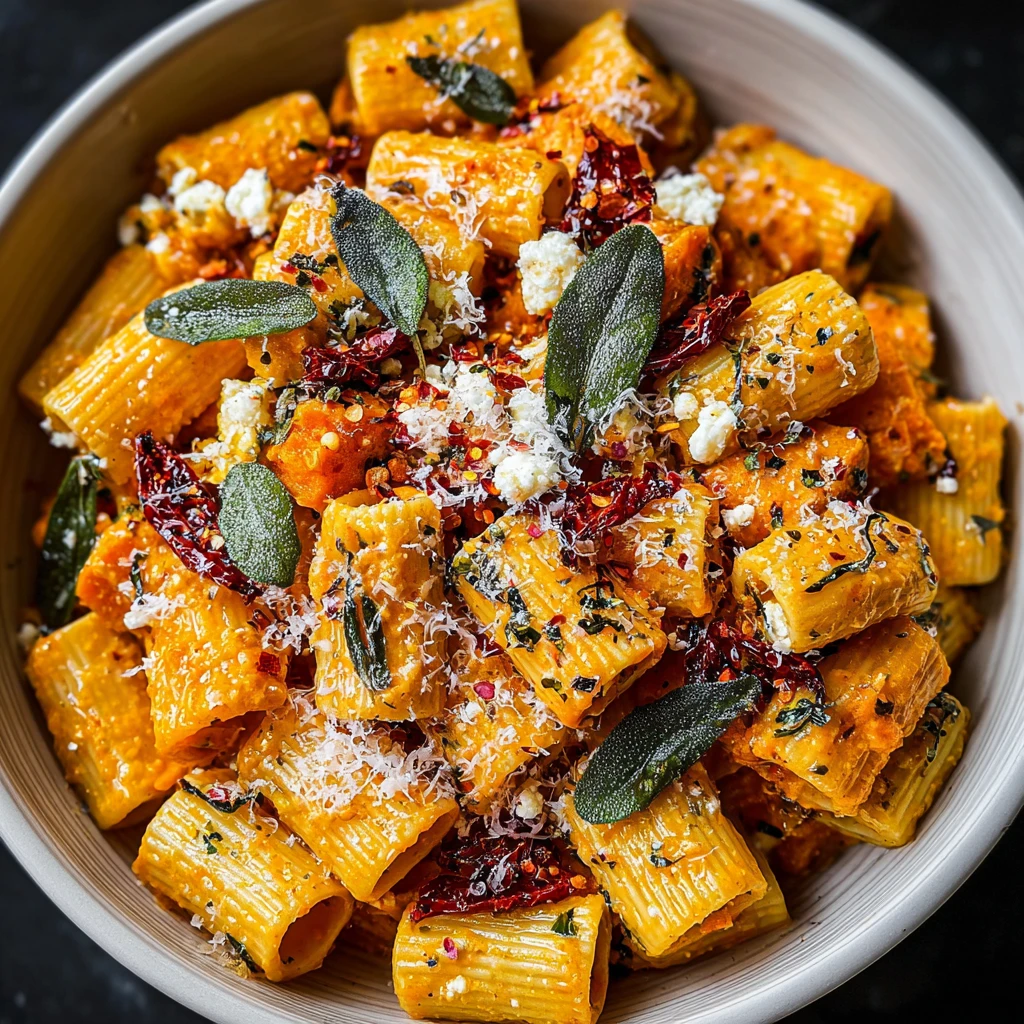
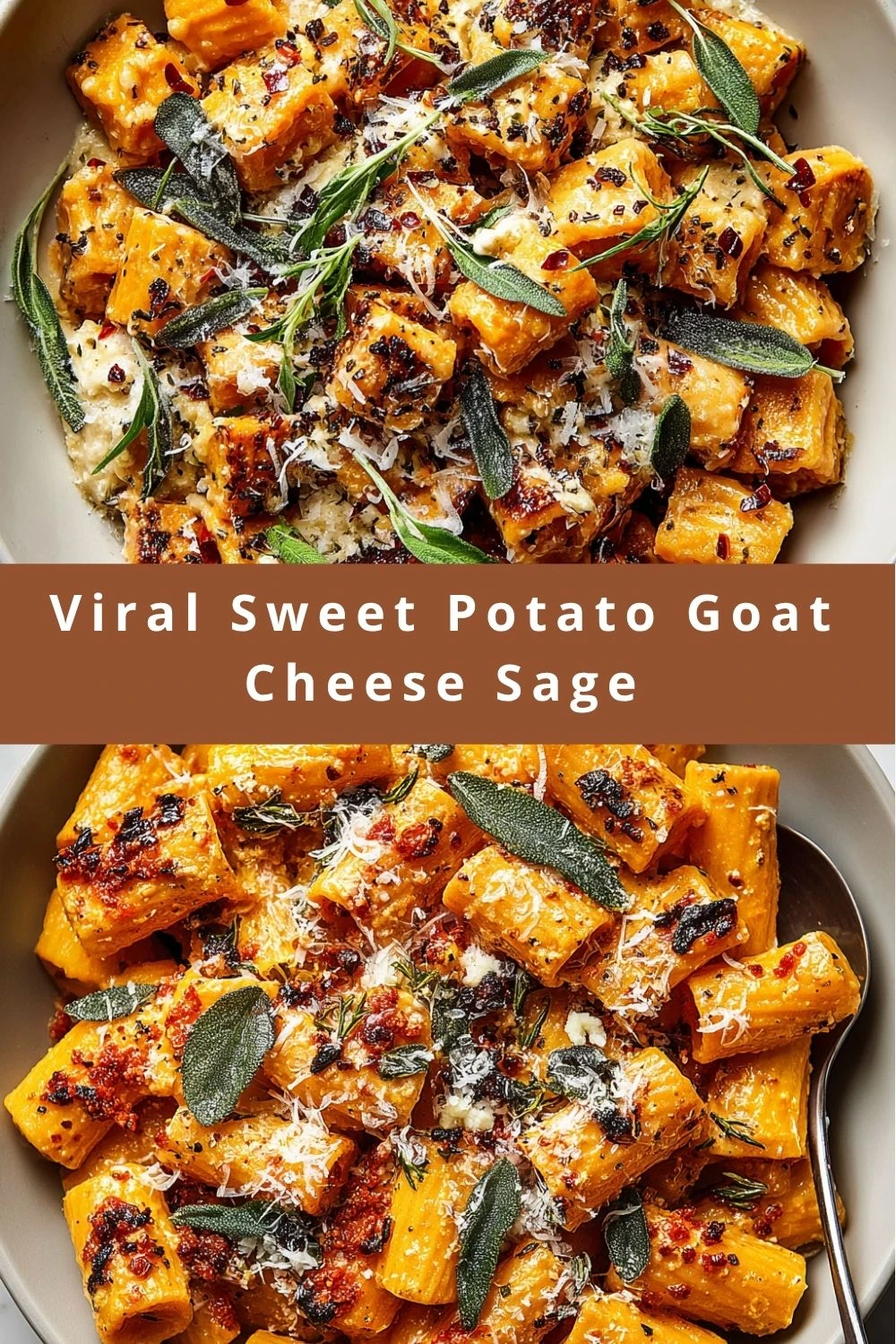
Viral Sweet Potato Goat Cheese Sage
Discover the delightful combination of earthy sweet potatoes, tangy goat cheese, and fragrant crispy sage in this incredibly popular pasta dish. It's a harmonious blend of sweet and savory, offering a rich, creamy texture with pops of vibrant flavor that will captivate your palate. This recipe is surprisingly simple to prepare, making it a perfect weeknight meal or an elegant dish to impress guests.
Prep Time
15 minutes
Cook Time
30-35 minutes
Total Time
45-50 minutes
Servings
4 servings
Keywords
Why This Recipe Delivers
- A perfect balance of sweet, savory, and tangy flavors in every bite.
- Achieves a restaurant-quality taste with minimal effort.
- Ready in under an hour, making it ideal for busy evenings.
- Customizable with various short pasta shapes.
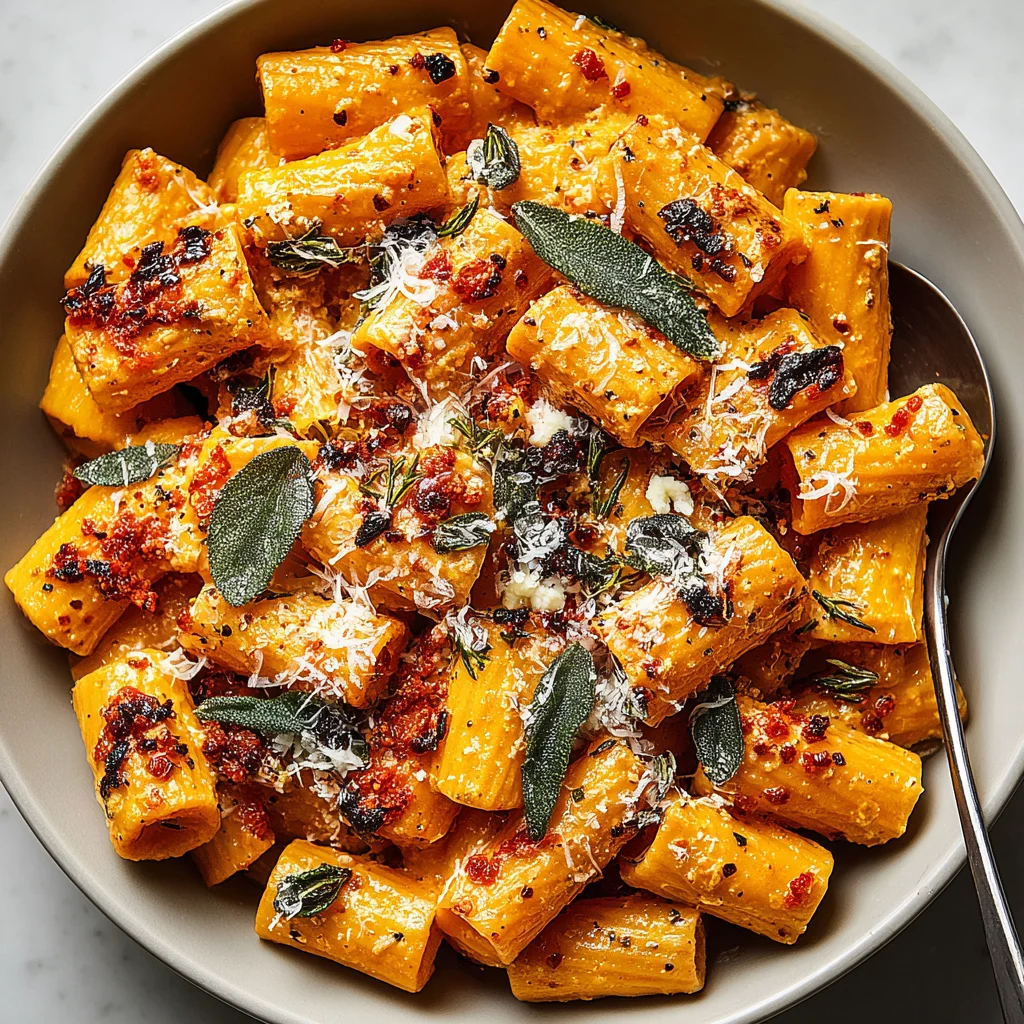
- Visually appealing with vibrant colors and crispy sage garnish.
Ingredients
- 500g (about 2 medium) sweet potatoes, peeled and diced into 1.5 cm (0.6 inch) cubes
- 2 cloves garlic, minced
- 340g (12 ounces) short pasta, such as rigatoni, penne, or fusilli
- 120g (4.2 ounces) goat cheese, crumbled
- 60ml (1/4 cup) heavy cream
- 20 fresh sage leaves
- 30ml (2 tablespoons) olive oil, plus extra for drizzling
- 15g (1 tablespoon) unsalted butter
- Salt, to taste
- Freshly ground black pepper, to taste
- 28g (1 ounce) grated Parmesan cheese, for garnish (optional)
- Crushed red pepper flakes, for garnish (optional)
Instructions
- Preheat your oven to 220°C (430°F). On a large baking sheet, combine the diced sweet potatoes and minced garlic. Drizzle with 15ml (1 tablespoon) of olive oil, then season generously with salt and freshly ground black pepper. Toss everything together to ensure the vegetables are evenly coated. Spread the mixture in a single layer on the baking sheet to promote even roasting and caramelization. Roast for 20 to 25 minutes, stirring the sweet potatoes halfway through the cooking time, until they are tender and slightly caramelized at the edges.
- While the sweet potatoes are roasting, bring a large pot of heavily salted water to a rolling boil. Add your chosen short pasta and cook according to the package directions until it is perfectly al dente, meaning it's firm to the bite but still cooked through. Before draining, reserve approximately 160ml (2/3 cup) of the starchy pasta cooking water. This liquid is essential for creating a smooth, creamy sauce. Then, thoroughly drain the pasta.
- Heat the remaining 15ml (1 tablespoon) of olive oil and the 15g (1 tablespoon) of unsalted butter in a large skillet or frying pan over medium heat. Once the butter has melted and begins to shimmer, add the fresh sage leaves to the hot fat. Fry the sage for 1 to 2 minutes, turning once, until they become wonderfully crispy and fragrant. Be careful not to burn them, as they can turn bitter quickly. Using a slotted spoon, carefully remove the crispy sage leaves from the skillet and place them on a paper towel-lined plate to drain any excess oil.
- Transfer the roasted sweet potatoes and garlic from the baking sheet directly into the skillet where you fried the sage. Using a fork or a potato masher, gently mash about half of the roasted sweet potatoes in the skillet. This step creates a creamy base for the sauce while leaving the remaining sweet potato chunks intact, providing delightful textural contrast.
- Add the drained cooked pasta to the skillet with the mashed and chunky sweet potatoes. Pour in the 60ml (1/4 cup) of heavy cream and sprinkle in the crumbled goat cheese. Begin to toss and stir the ingredients together, adding about half of the reserved pasta cooking water. Continue to toss until the goat cheese melts, creating a creamy sauce that beautifully coats every piece of pasta. Add more of the reserved pasta water, a tablespoon at a time, if the sauce appears too thick or needs more lubrication.
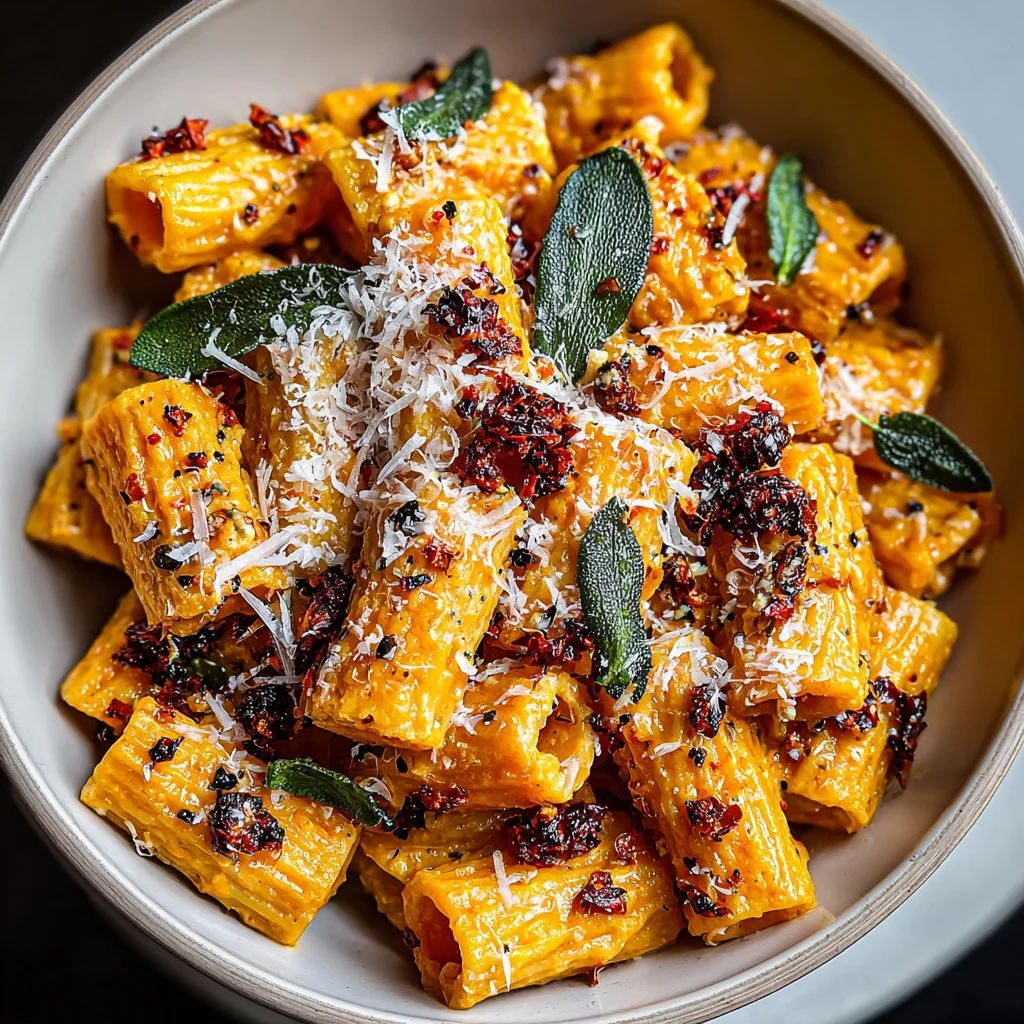
- Taste the pasta and season with additional salt and freshly ground black pepper as needed. The goat cheese and pasta water will already contribute some salinity, so adjust carefully. Serve the pasta immediately in warm bowls, garnishing each portion generously with the crispy sage leaves, a sprinkle of grated Parmesan cheese, a delicate drizzle of good quality olive oil, and a pinch of crushed red pepper flakes if you enjoy a touch of heat.
Tools You’ll Need
- Large baking sheet
- Large pot for pasta
- Large skillet or frying pan
- Slotted spoon
- Fork or potato masher
- Measuring cups and spoons
- Cutting board and knife
Essential Success Tips
- Do not overcrowd the sweet potatoes on the baking sheet; use two sheets if necessary to ensure they roast rather than steam, leading to better caramelization.
- Cook your pasta to a perfect al dente. It will finish cooking slightly in the sauce, and overcooked pasta will become mushy.
- Watch the sage carefully when frying; it can go from perfectly crispy to burnt in a matter of seconds. Keep the heat at medium.
- The reserved pasta water is your secret weapon. Its starch helps emulsify the sauce, making it silky and creamy without adding excessive fat.
- Taste and adjust seasoning frequently. Goat cheese varies in saltiness, so always taste the final dish before serving to ensure perfect balance.
Professional Cooking Secrets
- For an extra layer of depth, add a splash of dry white wine (about 60ml / 1/4 cup) to the skillet after the sweet potatoes, letting it reduce slightly before adding the cream and goat cheese. This adds a subtle acidity and complexity.
- Infuse your olive oil. Before frying the sage, gently warm the oil with a smashed garlic clove (removed before sage addition) or a tiny pinch of red pepper flakes for an aromatic base.
- Consider adding a handful of toasted pecans or walnuts along with the crispy sage for an additional textural crunch and nutty flavor that complements the sweet potatoes beautifully.
Notes
- Storage: Leftovers can be stored in an airtight container in the refrigerator for up to 3 days. Reheat gently on the stovetop with a splash of milk or water to loosen the sauce.
- Variations: Feel free to add cooked spinach or kale to the pasta at the very end for added greens. You can also experiment with other soft, tangy cheeses like feta if goat cheese isn't available.
- Gluten-Free Option: Use your favorite gluten-free short pasta to make this dish suitable for those with gluten sensitivities.
Frequently Asked Questions
Can I use frozen sweet potatoes instead of fresh?
While fresh sweet potatoes are recommended for optimal flavor and texture, you can use frozen diced sweet potatoes. They may require a slightly longer roasting time and might not caramelize as intensely due to higher water content, but they will still be delicious.
What if I don't like goat cheese?
If goat cheese is not to your liking, a good substitute would be crumbled feta cheese, which offers a similar tangy and salty profile. For a milder flavor, try ricotta or even a soft cream cheese, though you might need to adjust the seasoning.
Can I make this dish vegan?
Yes, you can adapt this recipe to be vegan. Substitute the goat cheese with a vegan cream cheese or crumbled vegan feta. Replace the heavy cream with a full-fat unsweetened plant-based cream (like cashew or oat cream), and use olive oil instead of butter for frying the sage.
Nutrition Facts (Per Serving)
Per serving (estimated): Calories: 480, Protein: 18g, Fat: 25g, Carbs: 49g, Fiber: 6g
Allergy Information
Contains dairy and gluten. For a gluten-free version, use gluten-free pasta. Dairy-free alternatives can be used for cream and goat cheese to accommodate lactose intolerance or dairy allergies.




No comment