
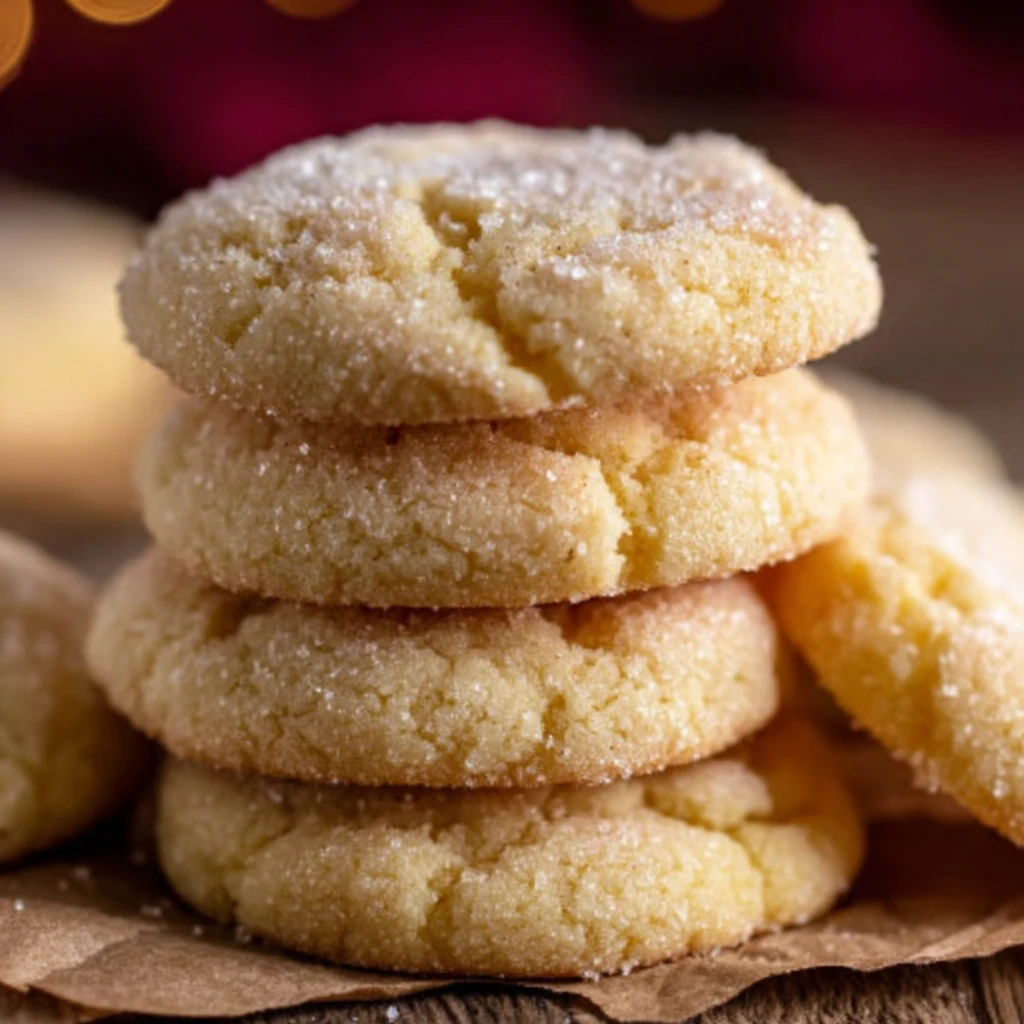
Soft and Chewy Sugar Cookies
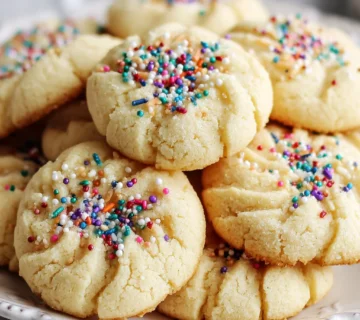
Indulge in the simple perfection of these classic Soft and Chewy Sugar Cookies. With a delicate balance of sweetness and a melt-in-your-mouth texture, these cookies are incredibly easy to make yet deliver a gourmet experience. They are perfect for any occasion, from a casual treat to a festive gathering, offering a comforting flavor that appeals to all ages.
Prep Time
45 minutes (including chilling time)
Cook Time
8-10 minutes
Total Time
55 minutes
Servings
Makes approximately 24 cookies
Keywords
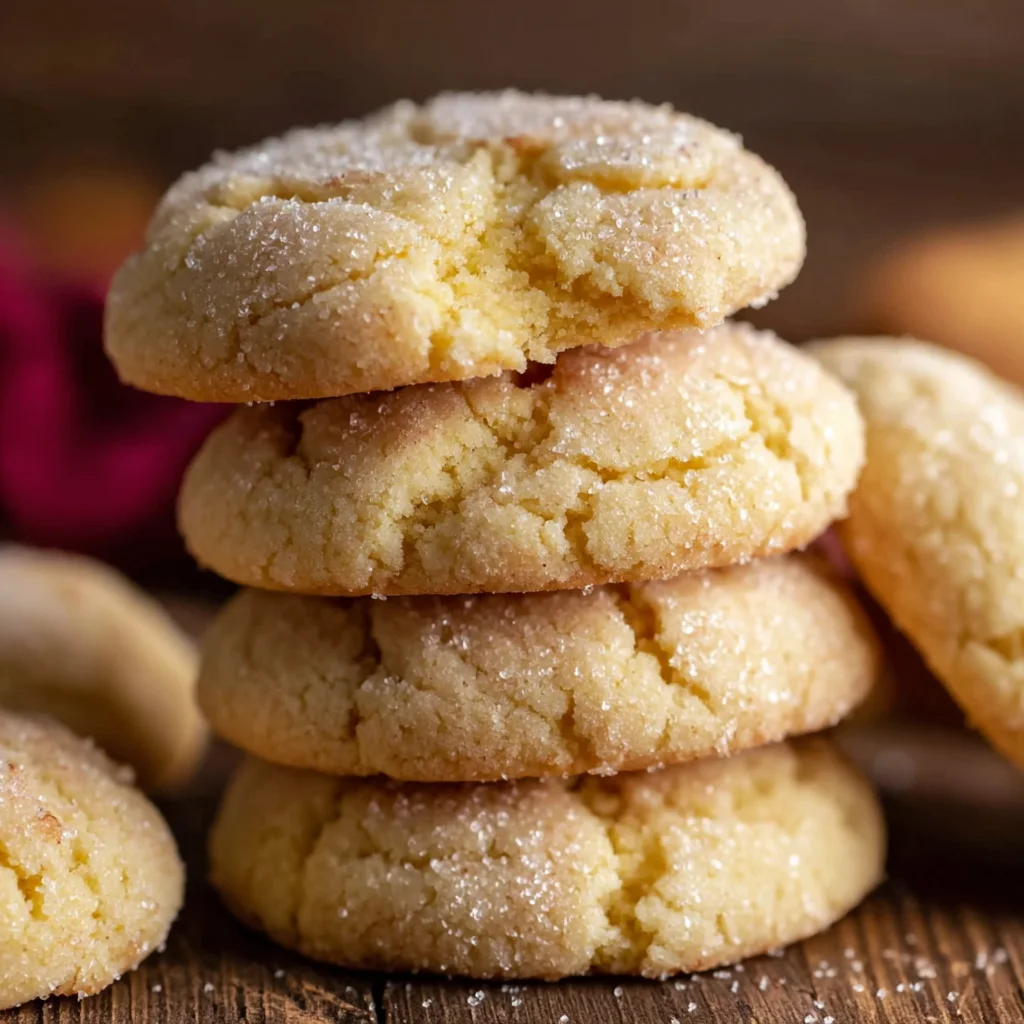
Why This Recipe Delivers
- Achieves the perfect balance of soft, chewy texture with slightly crisp edges.
- Simple ingredients and straightforward steps make it accessible for all skill levels.
- Versatile for any occasion, from everyday snacking to holiday decorating.
- Features a comforting, classic flavor that appeals to everyone.
- Offers a truly satisfying homemade cookie experience.
Ingredients
- 226 grams (1 cup) unsalted butter, softened to room temperature (can be substituted with a dairy-free alternative)
- 150 grams (3/4 cup) granulated sugar, plus extra for rolling (optional)
- 150 grams (3/4 cup) light brown sugar, packed
- 1 large egg, at room temperature
- 5 mL (1 teaspoon) vanilla extract
- 300 grams (2 1/2 cups) all-purpose flour (can be substituted for gluten-free all-purpose flour blend)
- 5 grams (1 teaspoon) baking powder
- 2.5 grams (1/2 teaspoon) fine sea salt
Instructions
- In the bowl of a stand mixer fitted with the paddle attachment, or using a large bowl and a hand mixer, combine the softened unsalted butter with both the granulated and light brown sugars. Beat on medium-high speed for 3-5 minutes, or until the mixture becomes remarkably light, fluffy, and pale in color. This creaming process incorporates air, which is essential for the cookies' soft texture.
- Reduce the mixer speed to low and add the large egg and vanilla extract. Continue to mix until they are thoroughly combined, scraping down the sides of the bowl as needed. Ensure no streaks of egg yolk remain.
- In a separate medium-sized bowl, whisk together the all-purpose flour, baking powder, and salt. Whisking dry ingredients separately ensures they are evenly distributed throughout the dough, preventing pockets of leavening agents or salt.
- Gradually add the dry flour mixture into the creamy butter and sugar batter, mixing on low speed until just combined. It is crucial to mix only until the flour streaks disappear. Overmixing at this stage can develop the gluten in the flour too much, resulting in tough cookies.
- Gently scrape the cookie dough out of the bowl and form it into a disk. Wrap the dough tightly in plastic wrap and refrigerate for at least 30 minutes. Chilling the dough helps firm up the butter, which prevents the cookies from spreading too much during baking and contributes to a chewier texture.
- While the dough is chilling, preheat your oven to 175°C (350°F). Line a baking sheet with parchment paper or a silicone baking mat. Preparing your baking surface beforehand ensures a non-stick result and easy cleanup.
- Remove the chilled dough from the refrigerator. Scoop the dough into uniform balls, about 30 grams (1.5 tablespoons) each. For extra sparkle and a slight textural crunch, gently roll each dough ball in extra granulated sugar if desired. Place the dough balls onto the prepared baking sheet, leaving about 5 centimeters (2 inches) of space between each cookie to allow for spreading.
- Bake for 8–10 minutes, or until the edges of the cookies are set and lightly golden, but the centers still appear soft and slightly underbaked. The residual heat from the baking sheet will continue to cook the cookies after they are removed from the oven, resulting in that coveted soft and chewy interior. Let them cool on the baking sheet for 5 minutes before transferring to a wire rack to cool completely.
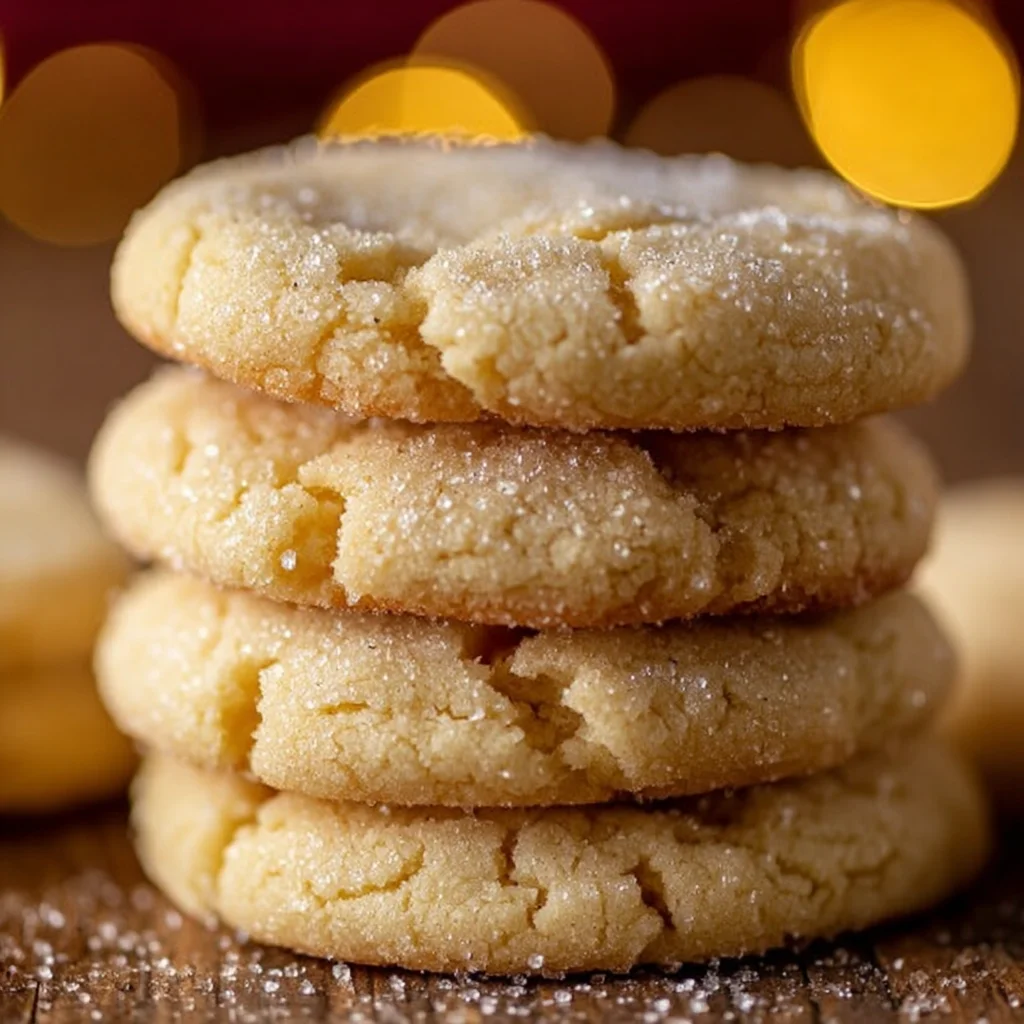
Tools You’ll Need
- Stand mixer with paddle attachment or hand mixer
- Large mixing bowl
- Medium mixing bowl
- Whisk
- Rubber spatula
- Plastic wrap
- Baking sheets
- Parchment paper or silicone baking mats
- Cookie scoop (optional, for uniform size)
- Wire cooling rack
Essential Success Tips
- Ensure your butter is truly at room temperature. It should yield slightly to the touch when pressed, but not be greasy or melted. This is crucial for proper creaming.
- Do not overmix the dough once the flour is added. Overmixing develops gluten, leading to tougher cookies. Mix just until the flour disappears.
- Chilling the dough is a non-negotiable step for these cookies. It prevents excessive spreading and contributes significantly to their chewy texture.
- Bake cookies one tray at a time in the center of the oven for even heat distribution, rotating halfway through if your oven has hot spots.
- Resist the urge to overbake. The cookies are meant to be slightly underdone in the center when removed from the oven; they will continue to set as they cool.
Professional Cooking Secrets
- For an extra layer of flavor and chewiness, use a combination of granulated sugar and light brown sugar, as specified. The molasses in brown sugar adds moisture and depth.
- A small touch of almond extract (about 1/4 teaspoon) can elevate the vanilla flavor, adding a subtle complexity without tasting overtly almond-y.
- If you want perfectly round cookies, use a large round cookie cutter (slightly larger than your cookies) to gently reshape the edges immediately after they come out of the oven, while they are still warm and pliable.
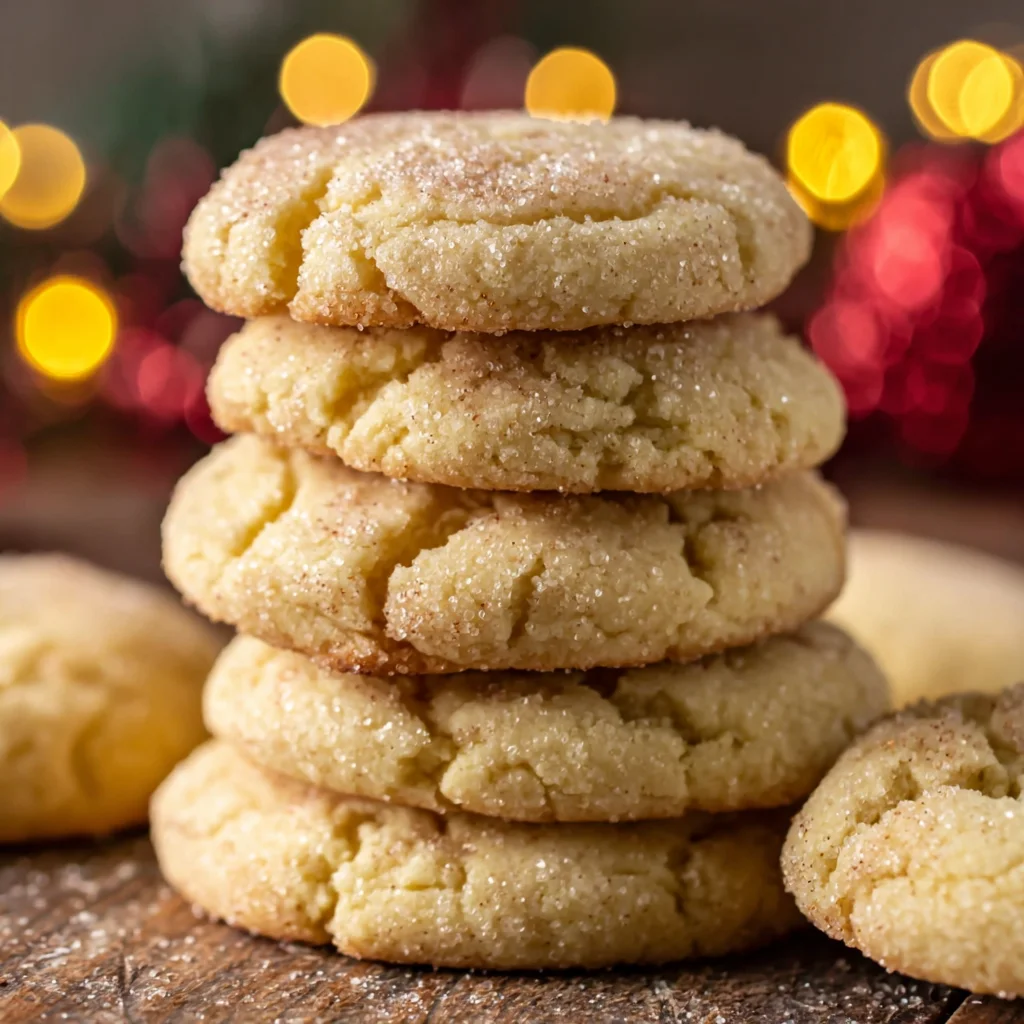
Notes
- Storage: Store cooled cookies in an airtight container at room temperature for up to 5 days. For longer storage, freeze baked cookies for up to 3 months; thaw at room temperature.
- Dough Freezing: Unbaked cookie dough balls can be frozen for up to 3 months. Arrange on a baking sheet until solid, then transfer to a freezer-safe bag. Bake from frozen, adding 2-3 minutes to the baking time.
- Variations: For a citrus twist, add 1 tablespoon of lemon or orange zest to the dough with the wet ingredients.
Frequently Asked Questions
Why did my cookies spread too much?
This can happen for several reasons: your butter might have been too warm, the dough wasn't chilled long enough (or at all), or your oven temperature might be slightly off. Ensure butter is room temperature, chill dough thoroughly, and consider using an oven thermometer to verify accuracy.
Can I make these cookies gluten-free or dairy-free?
Yes, absolutely! The recipe provides notes for both. For a gluten-free version, substitute the all-purpose flour with a 1:1 gluten-free all-purpose flour blend. For dairy-free, use a high-quality dairy-free butter alternative that's suitable for baking.
How do I get the perfect soft and chewy texture?
The key is not to overbake them. Remove the cookies when the edges are just set and lightly golden, but the centers still look slightly soft or underdone. They will continue to firm up as they cool on the baking sheet.
Nutrition Facts (Per Serving)
Per cookie (estimated): Calories: 180-200, Protein: 2g, Fat: 10-12g, Saturated Fat: 6-7g, Carbohydrates: 20-25g, Sugar: 15-18g, Sodium: 80-100mg.
Allergy Information
Contains dairy and gluten. For a gluten-free version, use gluten-free all-purpose flour. For a dairy-free version, use a dairy-free butter substitute. Always check labels for other potential allergens if concerns exist.




No comment