
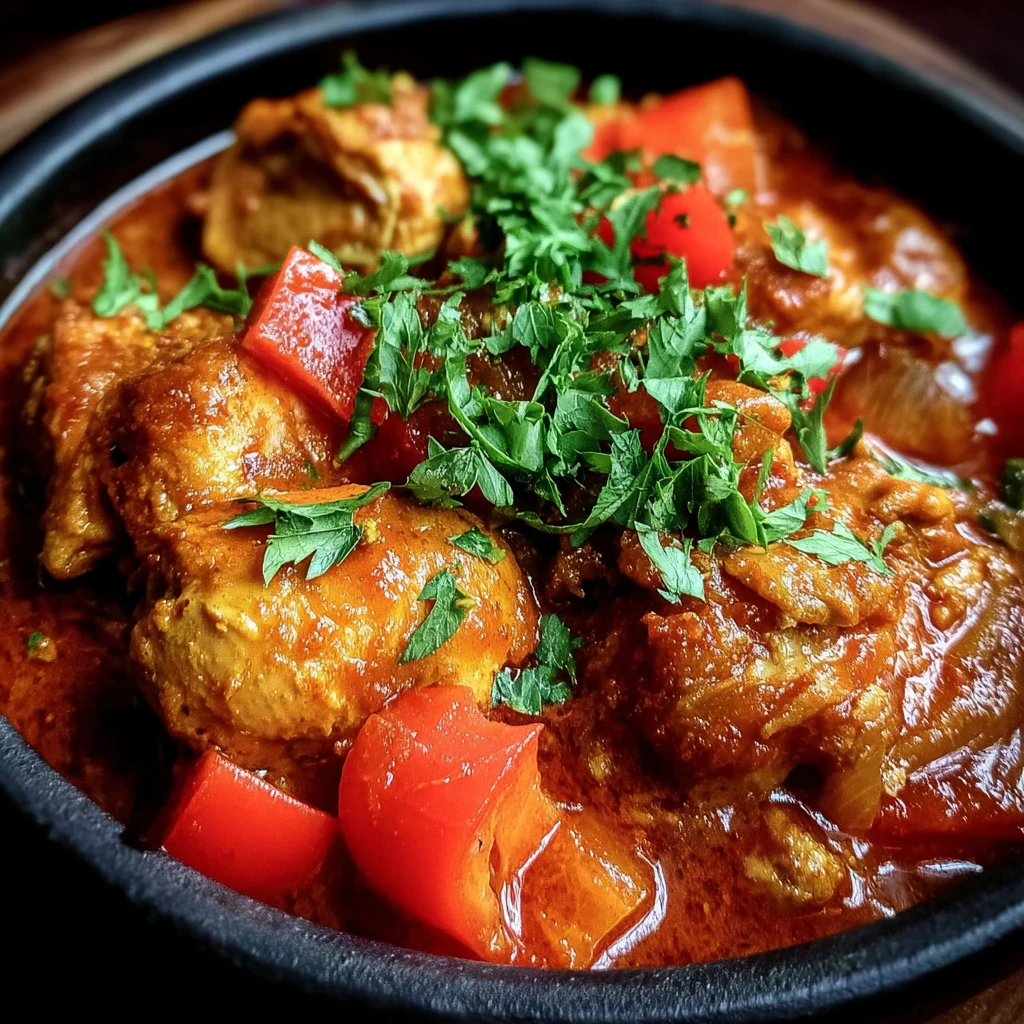
Slow Cooker Chicken Curry
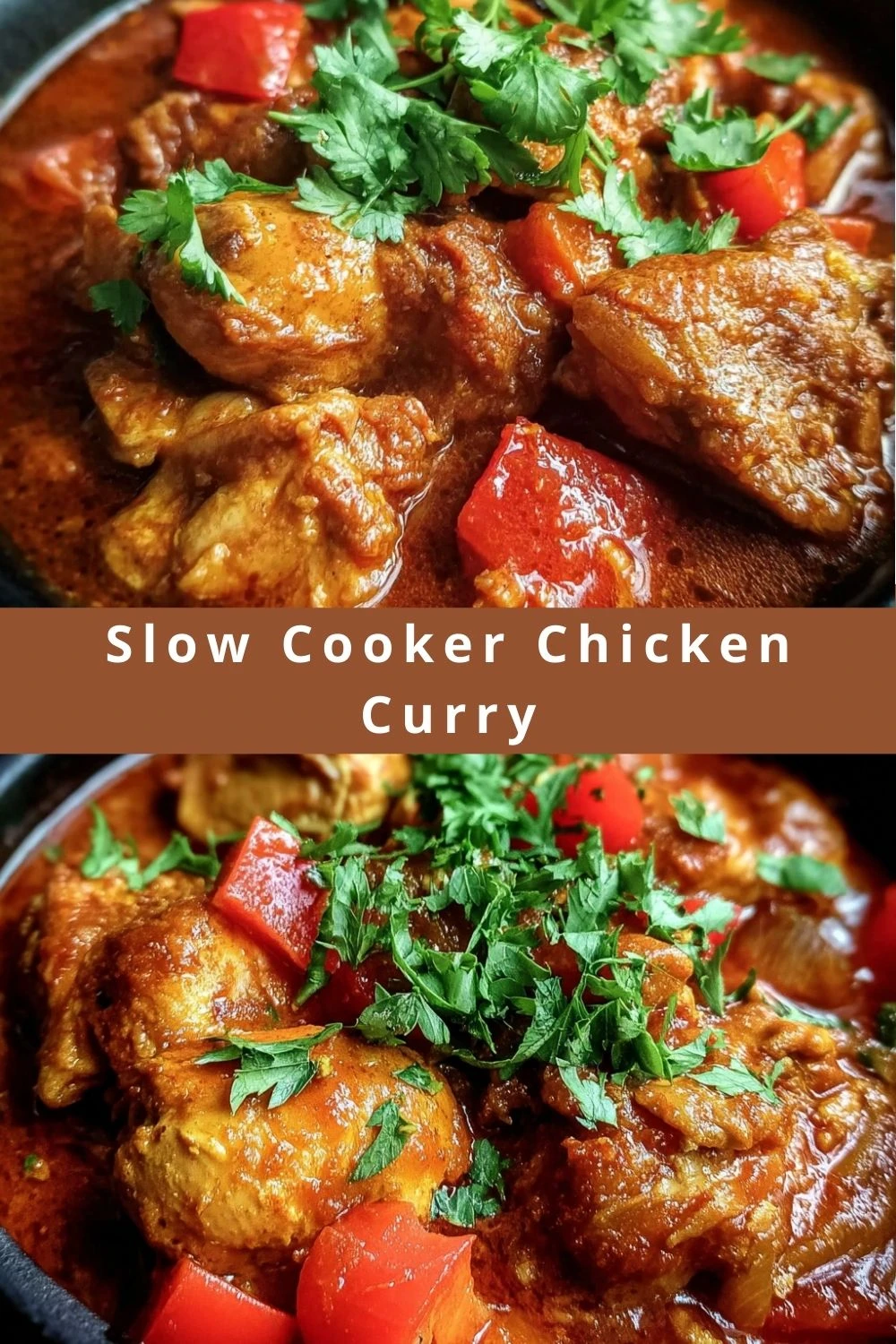
Embark on a culinary journey with this incredibly simple yet profoundly flavorful Slow Cooker Chicken Curry. This dish masterfully combines tender, succulent chicken thighs with a rich, aromatic coconut milk sauce, infused with a vibrant blend of warming spices. It's the perfect weeknight meal, delivering restaurant-quality taste with minimal hands-on effort, allowing the slow cooker to transform simple ingredients into a deeply satisfying and comforting meal.
Prep Time
20 minutes
Cook Time
6-8 hours on low or 3-4 hours on high
Total Time
Approximately 6 hours 20 minutes to 8 hours 20 minutes
Servings
4-6 generous servings
Keywords
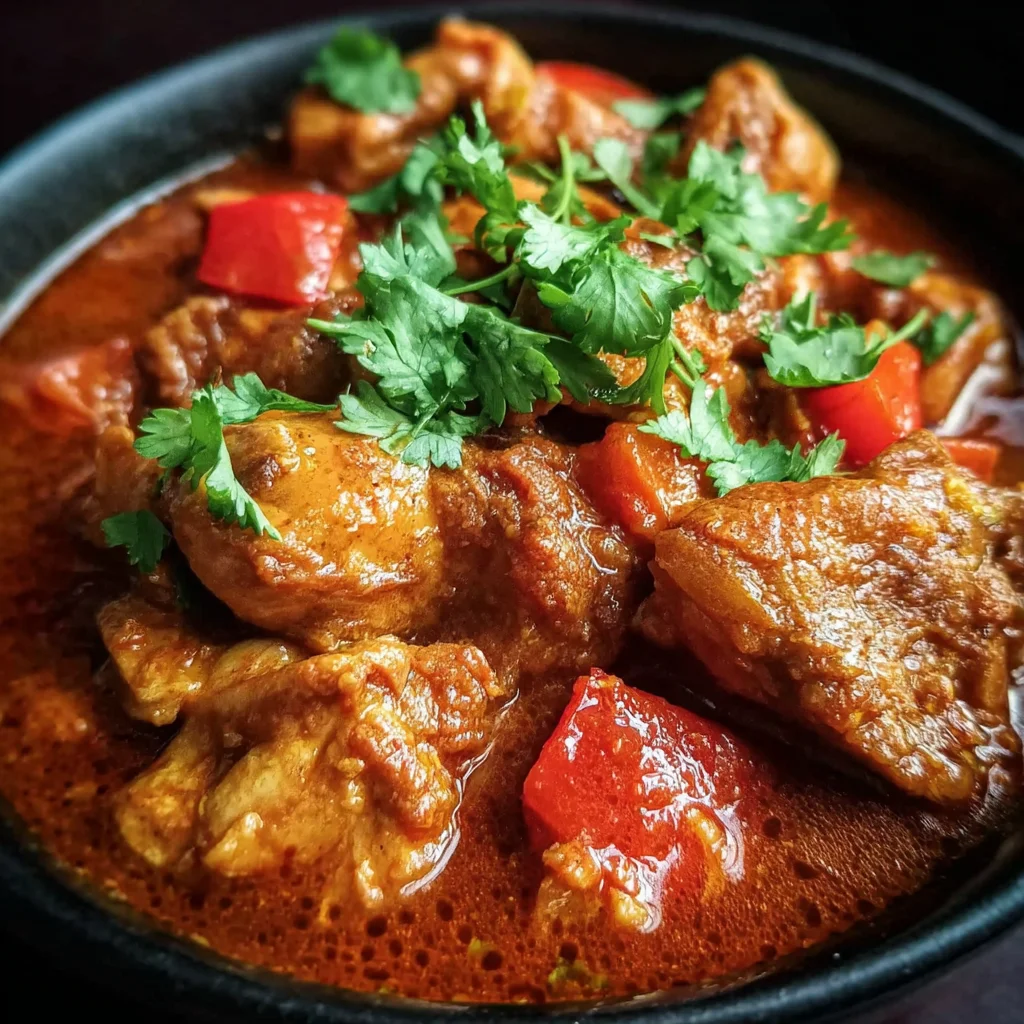
Why This Recipe Delivers
- Effortless Elegance: Achieve deeply flavorful, tender chicken curry with minimal hands-on time, thanks to the magic of the slow cooker.
- Rich & Creamy: Full-fat coconut milk creates an irresistibly luscious sauce that beautifully coats every piece of chicken.
- Aromatic Bliss: A carefully balanced blend of spices, from turmeric to garam masala, infuses the dish with exotic, comforting aromas.
- Versatile & Satisfying: Perfect for meal prep, family dinners, or entertaining, and pairs wonderfully with various sides.
- Set-It-and-Forget-It: Enjoy the convenience of preparing a gourmet-quality meal while you go about your day.
Ingredients
- 700g (1.5 lbs) boneless, skinless chicken thighs, cut into 2.5 cm (1-inch) pieces. Chicken thighs are ideal for slow cooking as they retain moisture and become incredibly tender, unlike leaner cuts that can dry out.
- 200g (1 large) yellow onion, finely chopped. This forms the aromatic foundation, lending sweetness and depth as it slowly caramelizes.
- 10g (2 cloves) garlic, minced. Essential for its pungent, savory notes that are characteristic of many curries.
- 10g (1 inch piece) fresh ginger, peeled and minced. Adds a warm, spicy, and slightly zesty complexity.
- 150g (1 medium) red bell pepper, chopped into 2.5 cm (1-inch) pieces. Provides a sweet counterpoint, vibrant color, and a subtle textural element.
- 400g (14.5 oz) can diced tomatoes, undrained. Their acidity and liquid create a rich, tangy base for the sauce.
- 400ml (13.5 oz) can full-fat coconut milk. Crucial for the creamy texture and characteristic subtle sweetness that balances the spice blend.
- 20g (2 tbsp) quality curry powder. The core spice blend that defines the curry's flavor profile.
- 5g (1 tsp) turmeric powder. Delivers warm, earthy notes and a beautiful golden hue, along with its known health benefits.
- 5g (1 tsp) ground cumin. Imparts a deep, earthy, and slightly smoky flavor, foundational to many spice mixtures.
- 2.5g (0.5 tsp) garam masala. A fragrant finishing spice blend, added for its warming aromatics and depth.
- 1g (0.25 tsp) red pepper flakes, optional, for a gentle heat. Adjust to your preferred spice level.
- Salt and freshly ground black pepper, to taste. Essential for enhancing and balancing all the flavors.
- 30ml (2 tbsp) vegetable oil (or coconut oil). For sautéing the aromatics and blooming the spices, building the initial flavor layers.
- Fresh cilantro, chopped (optional), for garnish. Adds a bright, herbaceous finish upon serving.
Instructions
- Sauté Aromatics. Heat the 30ml (2 tbsp) of vegetable oil in a large skillet or pot over medium heat. Add the chopped onion and cook for 5-7 minutes, stirring occasionally, until it softens and turns translucent. This initial sautéing step is critical as it coaxes out the natural sweetness from the onions, creating a more profound and flavorful base for the curry.
- Add Garlic and Ginger. Stir in the minced garlic and ginger to the skillet. Continue to cook for just 1 minute until their fragrant aromas are released. Be vigilant not to burn the garlic, as it can quickly become bitter and negatively impact the overall flavor of the curry.
- Bloom the Spices. Reduce the heat slightly. Add the 20g (2 tbsp) curry powder, 5g (1 tsp) turmeric powder, 5g (1 tsp) ground cumin, 2.5g (0.5 tsp) garam masala, and 1g (0.25 tsp) red pepper flakes (if using) to the skillet. Cook for 1 minute, stirring constantly. This process, known as “blooming” the spices, gently toasts them, intensifying their flavors and releasing their complex aromas into the oil, which will then infuse the entire dish.
- Transfer to Slow Cooker. Carefully transfer the sautéed onion, garlic, ginger, and bloomed spice mixture from the skillet into the basin of your slow cooker. This rich, aromatic foundation is now ready to permeate the chicken and vegetables as they slow cook.
- Add Remaining Ingredients. Add the 400g (14.5 oz) can of undrained diced tomatoes, the 400ml (13.5 oz) can of full-fat coconut milk, and the chopped red bell pepper to the slow cooker. Stir all these ingredients thoroughly until they are well combined, ensuring the spices and vegetables are evenly distributed.
- Incorporate Chicken. Gently add the 700g (1.5 lbs) pieces of chicken thighs to the slow cooker. Stir again, making sure that each piece of chicken is submerged and thoroughly coated with the flavorful sauce. This step is key to ensuring the chicken absorbs all the wonderful flavors during the long cooking process.
- Slow Cook. Secure the lid on your slow cooker. Cook the curry on the low heat setting for 6-8 hours, or if you're in a bit more of a hurry, cook on the high heat setting for 3-4 hours. The curry is ready when the chicken is exceptionally tender and can be easily shredded with a fork. Cooking on low for the longer duration generally yields the most succulent results.
- Shred Chicken (Optional). For an even creamier, more integrated curry texture, use two forks to gently shred the cooked chicken directly in the slow cooker. This allows the chicken fibers to absorb even more of the rich sauce. You can skip this step if you prefer distinct chunks of chicken in your curry.
- Season and Serve. Before serving, taste the curry and season generously with salt and freshly ground black pepper as needed. Stir well to integrate the seasonings. Ladle the hot curry into bowls, garnishing with freshly chopped cilantro if desired. Serve immediately with fluffy basmati rice, warm naan bread, or other complementary sides.
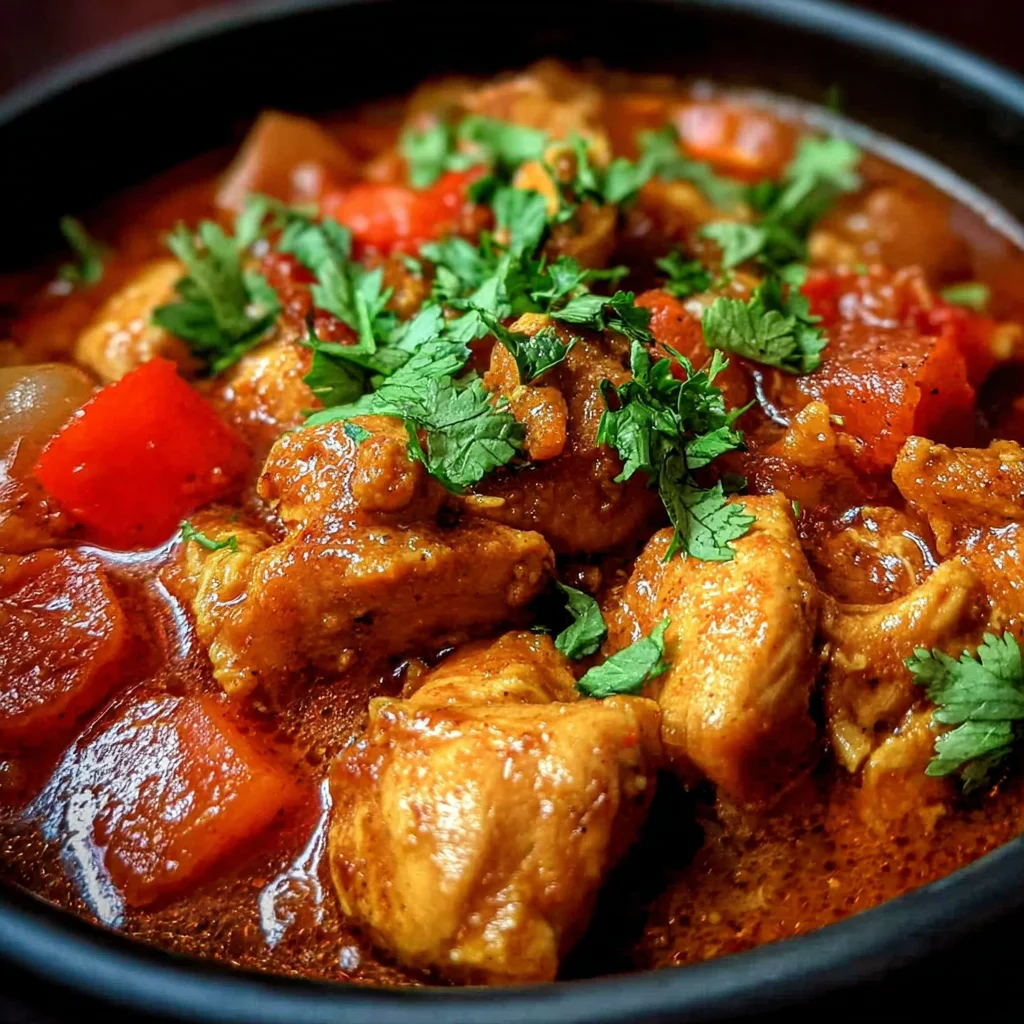
Tools You’ll Need
- Large skillet or pot (for sautéing aromatics)
- Slow cooker (Crock-Pot)
- Cutting board
- Sharp knife
- Measuring spoons and cups
- Spatula or wooden spoon
- Two forks (if shredding chicken)
Essential Success Tips
- Don't Skip the Sauté: Even though it's a slow cooker recipe, taking the few minutes to sauté the onions, garlic, ginger, and bloom the spices on the stovetop vastly deepens the flavor profile of the final curry.
- Full-Fat Coconut Milk is Key: For the richest, creamiest texture and most authentic flavor, always opt for full-fat coconut milk. Light versions will result in a thinner, less satisfying sauce.
- Taste and Adjust Seasoning: Slow cooking can sometimes mellow flavors. Always taste your curry at the end and adjust salt, pepper, and even a pinch more garam masala or red pepper flakes if desired, before serving.
- Cut Chicken Evenly: Ensure your chicken thigh pieces are roughly the same size (around 2.5 cm or 1 inch) to promote even cooking and tenderness throughout the batch.
- Consider Marinating: For an extra layer of flavor, you can marinate the chicken in a tablespoon of curry powder and a pinch of salt for 30 minutes to an hour before adding it to the slow cooker.
Professional Cooking Secrets
- Layering the Spice: Rather than dumping all spices in, bloom them in oil first. This fat-soluble process extracts and intensifies their essential oils, creating a more potent and aromatic base that permeates the entire dish.
- The Acid Test: A squeeze of fresh lime or lemon juice right before serving can brighten and lift all the flavors in a slow-cooked dish, cutting through the richness and adding a delightful tang. It's a secret weapon for balancing and enhancing.
- Toast Your Rice: If serving with rice, lightly toasting the uncooked rice grains in a bit of oil or ghee for a minute or two before adding water can add a subtle nutty depth and prevent stickiness, perfectly complementing the curry.
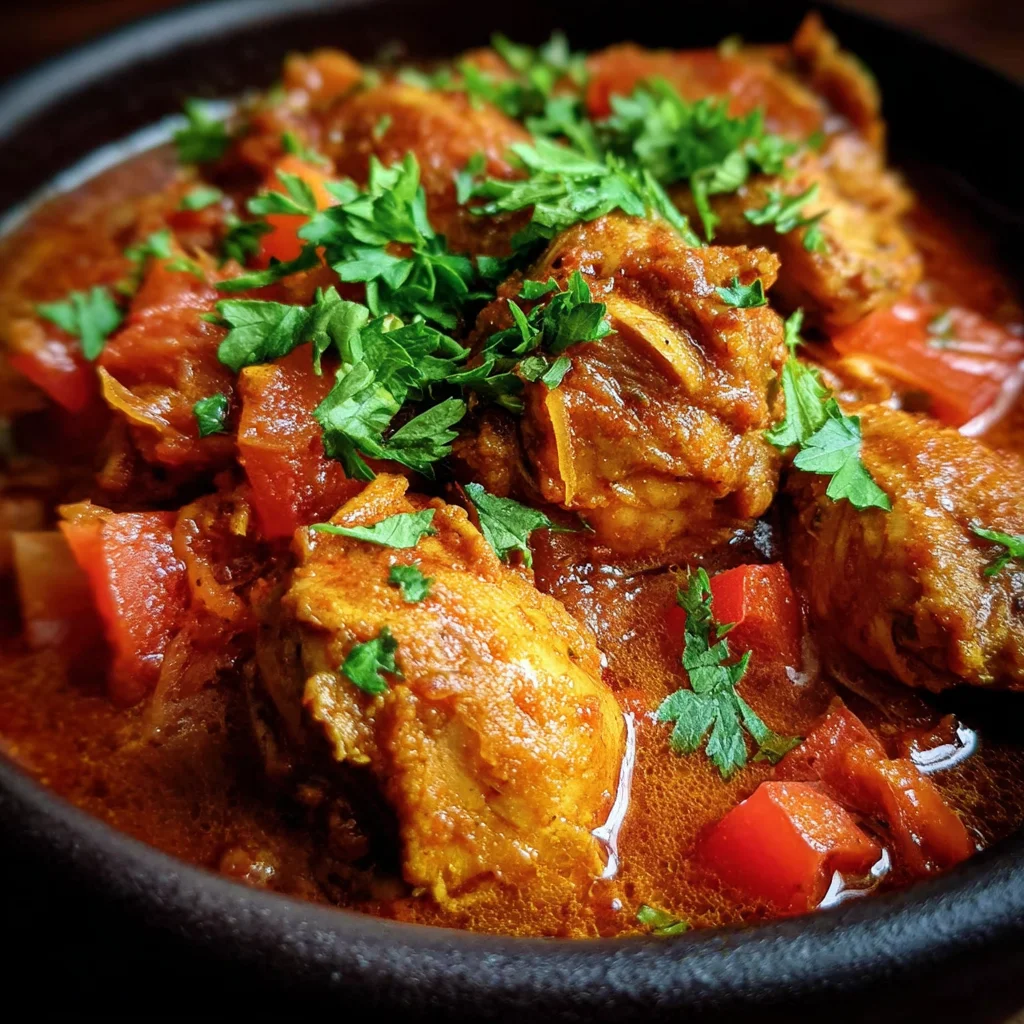
Notes
- Storage: Leftover Slow Cooker Chicken Curry stores beautifully in an airtight container in the refrigerator for up to 3-4 days. It often tastes even better the next day as the flavors continue to meld.
- Freezing Instructions: This curry freezes exceptionally well. Allow it to cool completely, then transfer to freezer-safe containers or bags. It can be frozen for up to 3 months. Thaw overnight in the refrigerator and reheat gently on the stovetop or in the microwave.
- Vegetable Variations: Feel free to add other slow-cooker friendly vegetables like diced carrots, potatoes, or spinach (added in the last 30 minutes of cooking) to boost the nutritional content and volume.
- Serving Suggestions: Beyond rice and naan, this curry is excellent with quinoa, couscous, or even over steamed vegetables for a lighter meal.
Frequently Asked Questions
Can I use chicken breasts instead of thighs?
While chicken thighs are recommended for their ability to stay moist and tender during long slow cooking, you can use boneless, skinless chicken breasts. Be aware they may dry out more easily; you might want to reduce the cooking time slightly or shred them earlier.
Is this curry very spicy?
The heat level is mild to moderate as written, primarily from the curry powder and optional red pepper flakes. You can increase the red pepper flakes for more heat, or add a minced green chili alongside the garlic and ginger for a spicier kick.
Can I make this dairy-free or gluten-free?
This recipe is naturally dairy-free thanks to the use of coconut milk. It is also gluten-free, provided your curry powder and garam masala blends do not contain any gluten-derived ingredients, which is usually the case but always check labels if you have a strict dietary need.
Nutrition Facts (Per Serving)
Approximate per serving (based on 6 servings): Calories: 420, Protein: 35g, Fat: 25g (15g saturated), Carbohydrates: 20g, Fiber: 4g. (These values are estimates and can vary based on specific ingredients and portion sizes.)
Allergy Information
Contains coconut (tree nut). This recipe is naturally dairy-free and gluten-free (verify spice blends for strict gluten-free diets). If you have a severe coconut allergy, dairy cream can be substituted, but the flavor profile will change significantly.

No comment