

Savor the South with Cajun Chicken Étouffée Bliss
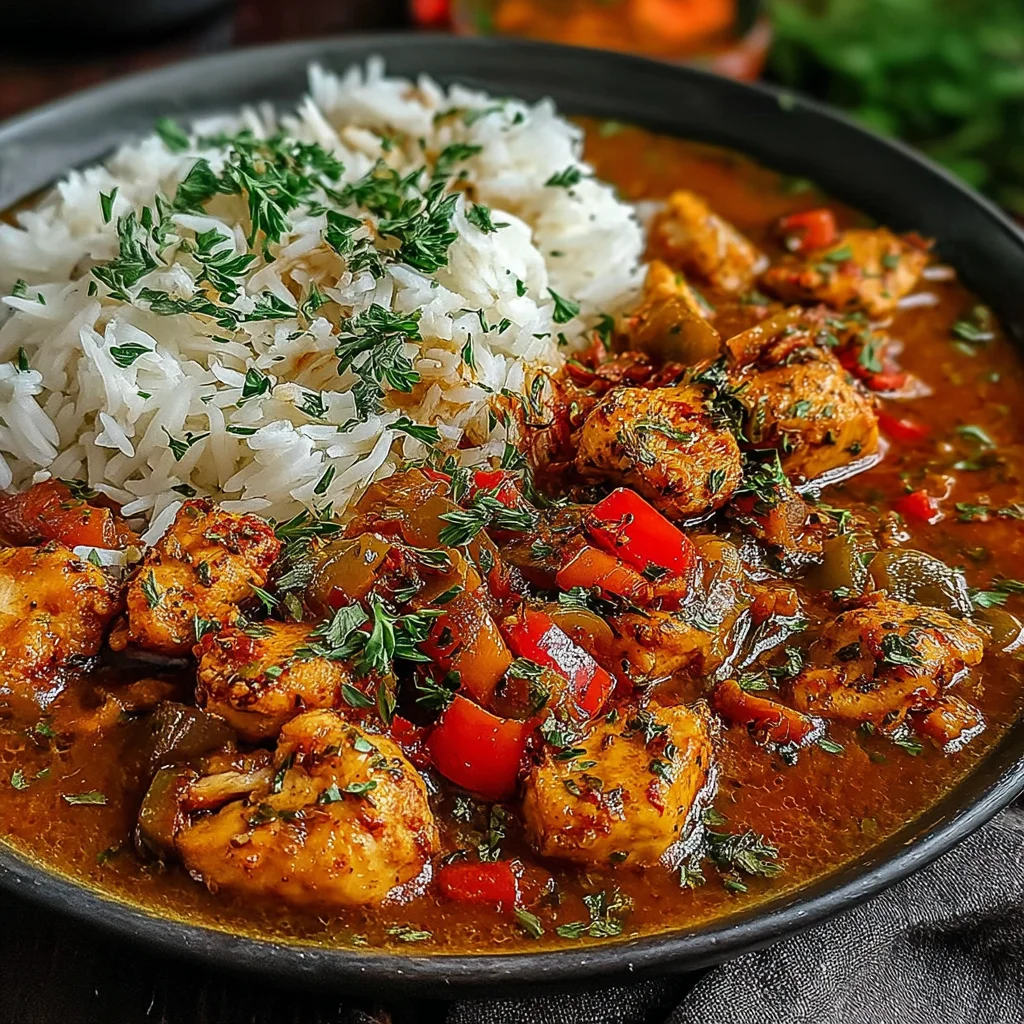
Embark on a culinary journey to the heart of Louisiana with this exquisite Cajun Chicken Étouffée. This rich, flavorful stew features tender chicken enveloped in a deeply savory, dark roux-based sauce, brimming with the 'Holy Trinity' of Cajun cooking. Perfect for a comforting meal, it promises a taste of Southern hospitality in every spoonful.
Prep Time
25 minutes
Cook Time
1 hour 15 minutes
Total Time
1 hour 40 minutes
Servings
4 servings
Keywords
Why This Recipe Delivers
- Boasts an incredibly rich and complex flavor profile thanks to the patiently cooked dark roux.
- Features tender, seasoned chicken in a deeply savory, aromatic sauce.
- Perfectly balances spicy, earthy, and savory notes, true to Cajun tradition.
- Offers a comforting, hearty meal that's ideal for family dinners or entertaining.
- Versatile enough to easily incorporate optional seafood like crawfish or shrimp.
Ingredients
- 450 grams (1 pound) boneless, skinless chicken thighs or breasts, cut into 2.5 cm (1-inch) cubes
- 113 grams (1/2 cup) unsalted butter
- 60 grams (1/2 cup) all-purpose flour (or gluten-free flour blend)
- 1 medium yellow or white onion, finely chopped
- 1 medium green bell pepper, cored, seeded, and diced
- 1 medium red bell pepper, cored, seeded, and diced (optional, for color and sweetness)
- 2 stalks celery, finely chopped
- 3 cloves garlic, minced
- 30 ml (2 tablespoons) Cajun seasoning (homemade or store-bought)
- 5 ml (1 teaspoon) dried thyme
- 5 ml (1 teaspoon) dried oregano
- 1.25 ml (1/4 teaspoon) cayenne pepper (adjust to desired spice level)
- 2.5 ml (1/2 teaspoon) white pepper
- 2.5 ml (1/2 teaspoon) black pepper
- 5 ml (1 teaspoon) smoked paprika
- 5 ml (1 teaspoon) salt, or to taste
- 470 ml (2 cups) chicken broth or vegetable broth
- 1 can (425 grams / 15 oz) diced tomatoes, undrained
- 15 ml (1 tablespoon) tomato paste
- 1 bay leaf
- 30 ml (2 tablespoons) fresh parsley, chopped, for garnish
- 30 ml (2 tablespoons) green onions, sliced, for garnish
- 940 ml (4 cups) hot cooked white rice or grits, for serving
Instructions
- Prepare the Chicken. Cut the chicken into uniform 2.5 cm (1-inch) bite-sized cubes. In a medium bowl, toss the chicken pieces with half of the Cajun seasoning, ensuring they are evenly coated. This initial seasoning helps build flavor from the start.
- Brown the Chicken. Heat a tablespoon of olive oil in a large, heavy-bottomed skillet or Dutch oven over medium-high heat. Add the seasoned chicken in a single layer, making sure not to overcrowd the pan. Sauté for 5-7 minutes, turning occasionally, until the chicken is golden brown on all sides. The goal here is to develop a deep, caramelized crust, not to cook it through. Remove the chicken from the skillet and set aside.
- Make the Roux. Reduce the heat to medium-low. Add the unsalted butter to the same skillet, allowing it to melt completely. Once melted, gradually whisk in the all-purpose flour until no lumps remain. This forms your roux, the essential flavor base for étouffée.
- Darken the Roux. Continue to cook the roux over medium-low heat, stirring constantly with a whisk or wooden spoon. This process is crucial and requires patience; it should take approximately 20-30 minutes. The roux will gradually darken in color, passing through stages from pale yellow to peanut butter, then to a rich, dark caramel brown. Stirring constantly prevents it from burning and ensures even cooking. The darker the roux, the deeper and nuttier the flavor.
- Cook the Vegetables. Once the roux has reached a dark caramel color, immediately add the chopped onion, green bell pepper, red bell pepper (if using), and celery. These three vegetables are known as the 'Holy Trinity' in Cajun cuisine. Sauté for 8-10 minutes, stirring occasionally, until the vegetables have softened and become translucent, absorbing the rich flavor of the roux.
- Infuse with Aromatics. Stir in the minced garlic along with the remaining Cajun seasoning, dried thyme, dried oregano, cayenne pepper, white pepper, black pepper, smoked paprika, and salt. Cook for an additional 1-2 minutes, stirring continuously, until the spices are fragrant. This brief cooking time toasts the spices, intensifying their flavors.
- Deglaze and Build the Sauce. Gradually whisk in the chicken broth, a little at a time, ensuring a smooth consistency as the roux thickens the liquid. Bring the mixture to a gentle simmer, continuously scraping the bottom of the skillet with your whisk or spoon to release any flavorful browned bits (fond).
- Incorporate Tomatoes and Simmer. Add the can of diced tomatoes (undrained), tomato paste, and the bay leaf to the skillet. Stir everything together until well combined. Allow it to simmer gently for about 5 minutes, letting the flavors meld.
- Develop Flavors. Reduce the heat to low, cover the skillet, and let the étouffée simmer for at least 30 minutes. Stir occasionally to prevent sticking and ensure even cooking. This slow simmering time is essential for the flavors to deepen and the sauce to achieve its desired consistency.
- Reintroduce the Chicken. Return the browned chicken pieces to the skillet. Stir gently to incorporate them into the simmering sauce. Continue to cook for an additional 5 minutes, or until the chicken is heated through and cooked completely.
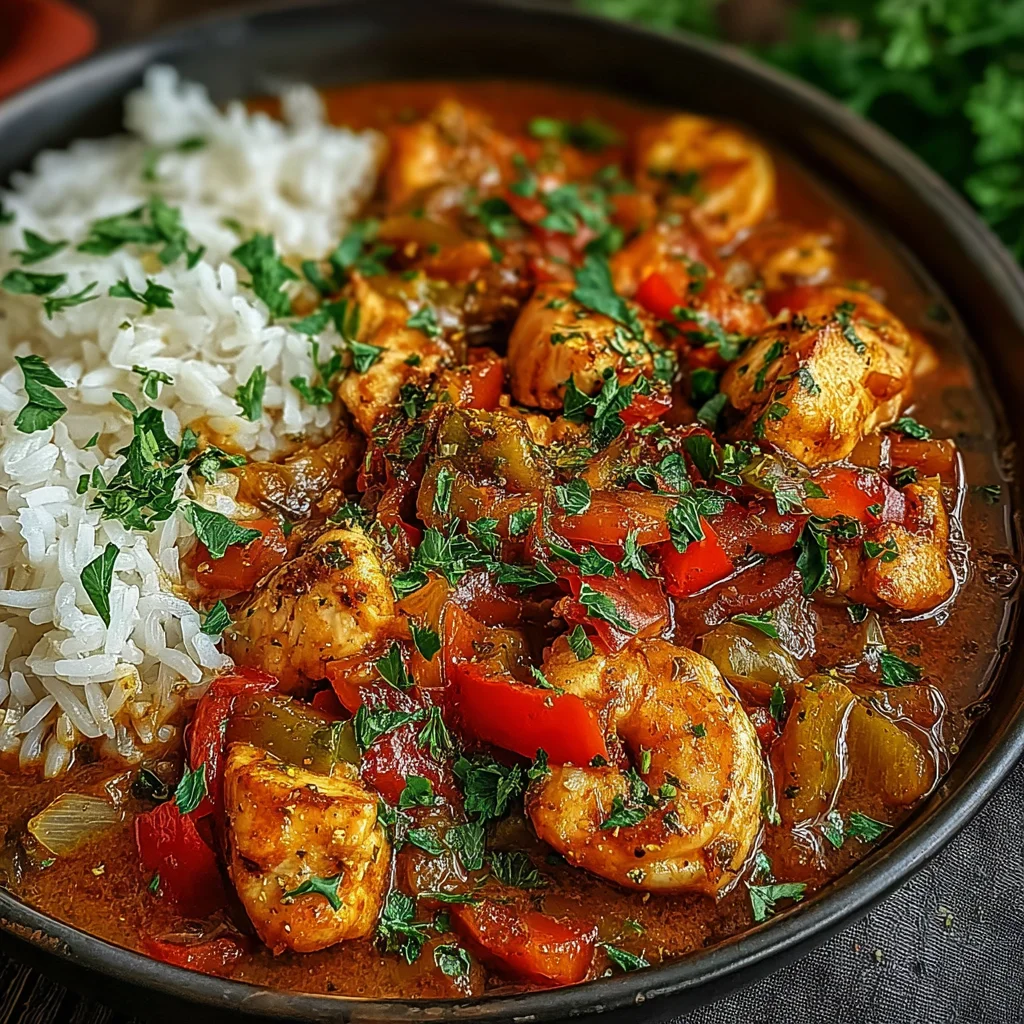
- Optional Seafood Addition. If you are adding crawfish tails or shrimp, stir them into the étouffée at this stage. Cook for an additional 5-7 minutes, or just until the shrimp turn pink and opaque, or the crawfish are heated through. Be careful not to overcook seafood.
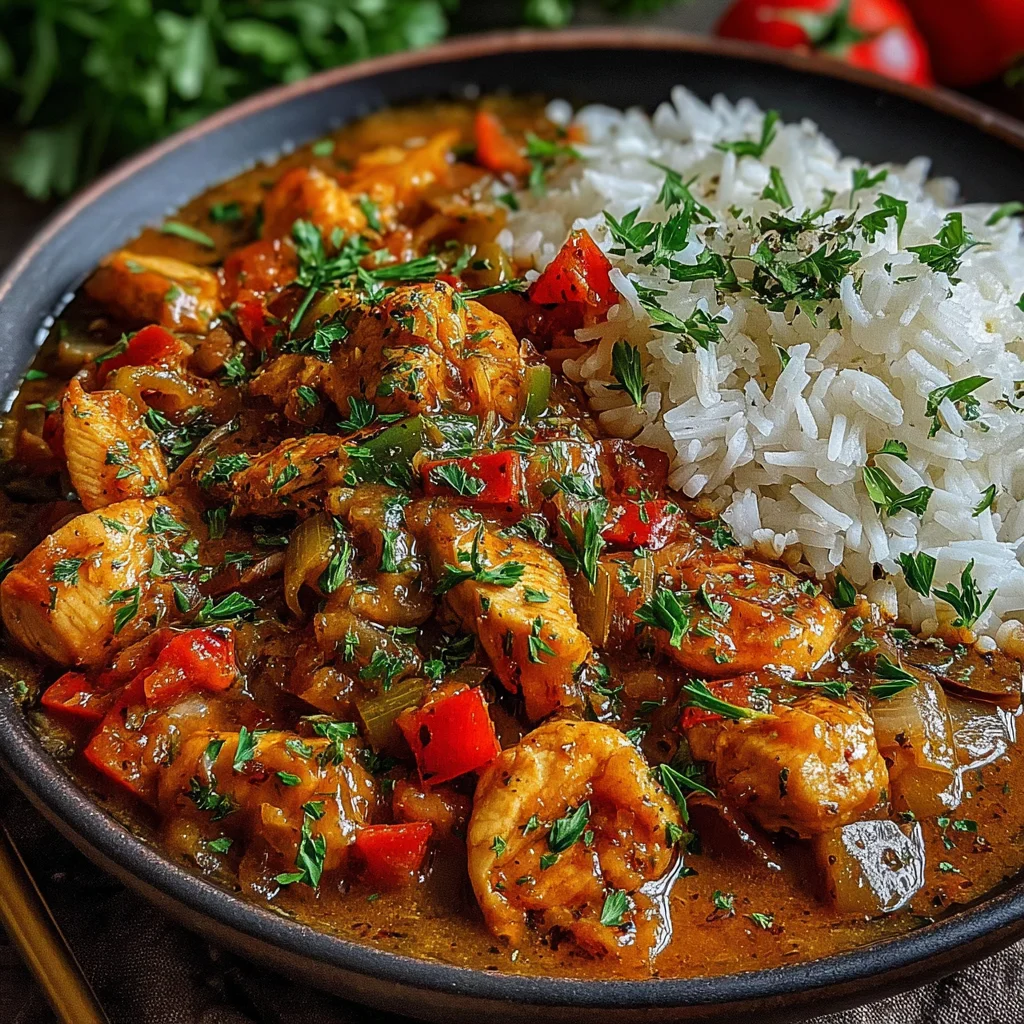
- Garnish and Serve. Carefully remove and discard the bay leaf. Stir in the fresh chopped parsley and sliced green onions. Taste and adjust seasoning if necessary. Serve the hot Cajun Chicken Étouffée generously over a bed of fluffy white rice or creamy grits. Enjoy immediately.
- Thirteenth Step: Savor and Enjoy. Present the dish with additional fresh parsley and green onions for a vibrant finish. The complex flavors of the roux, spices, and fresh aromatics truly shine, offering a genuine taste of Louisiana.
Tools You’ll Need
- Large heavy-bottomed skillet or Dutch oven
- Whisk
- Wooden spoon or spatula
- Cutting board
- Sharp knife
- Measuring cups and spoons
Essential Success Tips
- Achieving the perfect roux is key. Stir constantly and patiently until it reaches a dark caramel color, like milk chocolate or dark peanut butter. Don't rush this step, and avoid burning it. If it burns, start over.
- Ensure your 'Holy Trinity' (onions, bell peppers, celery) are finely chopped to allow them to meld seamlessly into the sauce and soften properly.
- When adding broth, whisk it in gradually to ensure a smooth sauce, preventing lumps and allowing the roux to thicken evenly.
- Don't skip the simmering time. Allowing the étouffée to simmer on low heat for at least 30 minutes (or longer) enables the flavors to fully develop and deepen, creating that signature rich taste.
- Taste and adjust seasoning throughout the cooking process. Cajun seasoning blends vary in saltiness and spice, so fine-tuning with additional salt, pepper, or cayenne at the end is crucial for balance.
Professional Cooking Secrets
- For an even richer flavor profile, consider using homemade chicken stock. Roasting chicken bones before making stock adds an unparalleled depth that packaged broth often lacks.
- To enhance the roux's flavor beyond just color, toast the flour slightly in a dry pan for a few minutes before adding it to the melted butter. This brings out a nuttier quality in the flour itself.
- If you want to add a subtle smoky kick without extra heat, incorporate a dash of liquid smoke into the broth along with the smoked paprika. A little goes a long way, so use sparingly.
Notes
- Storage: Leftover étouffée can be stored in an airtight container in the refrigerator for up to 3-4 days. It freezes beautifully for up to 3 months. Thaw in the refrigerator and reheat gently on the stovetop, adding a splash of broth or water if needed to adjust consistency.
- Variations: While this recipe focuses on chicken, feel free to substitute or combine with seafood. For a classic crawfish étouffée, omit the chicken and add 450 grams (1 pound) of cooked crawfish tails during the last 5-7 minutes of simmering.
- Spice Level: The cayenne pepper can be adjusted to your preference. For more heat, add another 1/4 teaspoon or a dash of your favorite hot sauce at the end. For less heat, reduce or omit the cayenne.
Frequently Asked Questions
What is the difference between étouffée and gumbo?
While both are rich, flavorful stews from Louisiana, étouffée is typically thicker, features a lighter roux, and emphasizes a single main ingredient (like crawfish or chicken). Gumbo, on the other hand, is generally thinner, often uses a darker roux, and incorporates a wider variety of ingredients, including multiple meats or seafood, and often okra or filé powder as a thickener.
Can I make this étouffée vegetarian or vegan?
Yes, to make it vegetarian, use vegetable broth and omit the chicken. You can add extra vegetables like mushrooms or bell peppers, or plant-based 'chicken' pieces. For a vegan version, also swap butter for a plant-based butter alternative and ensure your Cajun seasoning is vegan-friendly.
Why is constant stirring important when making a roux?
Constant stirring is critical when making a roux because it prevents the flour from burning on the bottom of the pan and ensures even cooking. If the roux burns, it will impart a bitter flavor to your entire dish, and you'll need to start over.
Nutrition Facts (Per Serving)
Calories: 480, Protein: 35g, Fat: 28g, Carbs: 28g (per serving, estimated without rice)
Allergy Information
Contains dairy and gluten (from butter and flour). For a gluten-free version, ensure to use a certified gluten-free all-purpose flour blend. Always check ingredient labels for seasoning mixes for hidden allergens.




No comment