
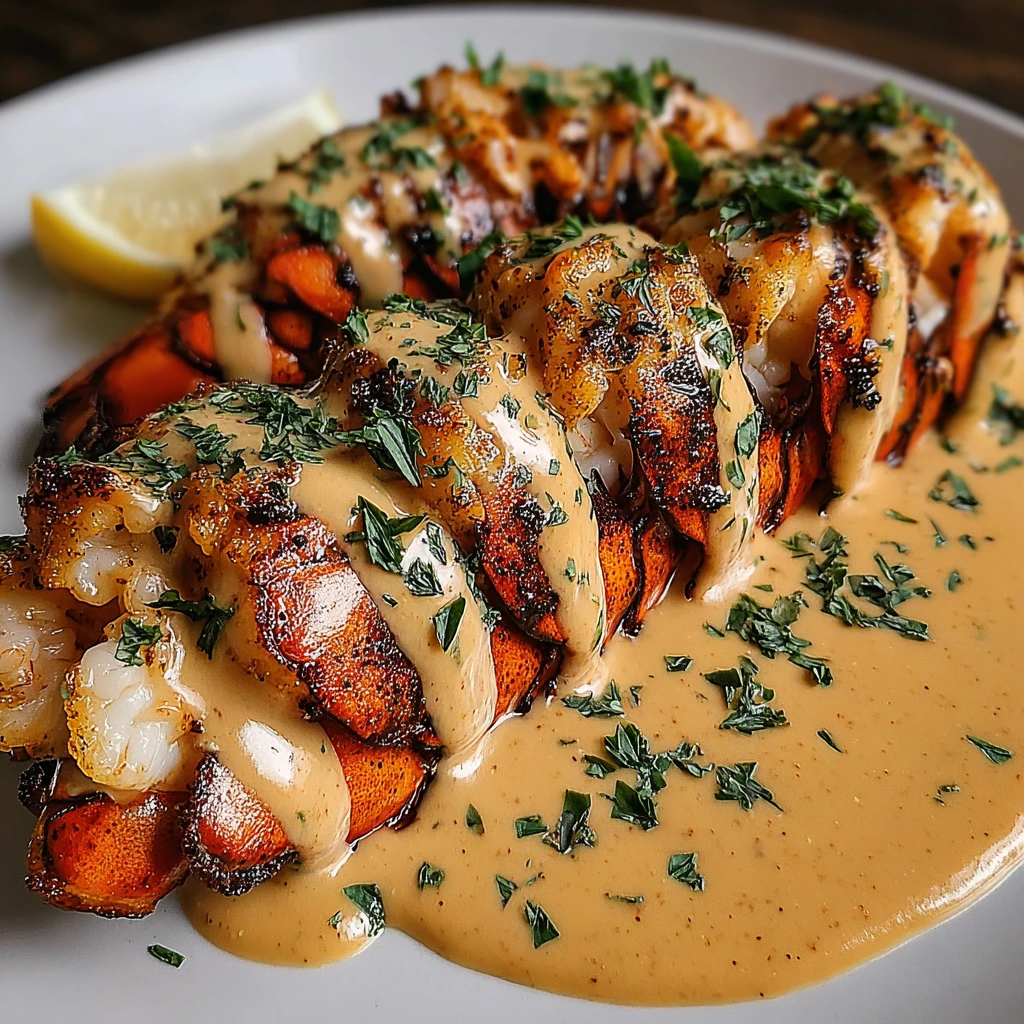
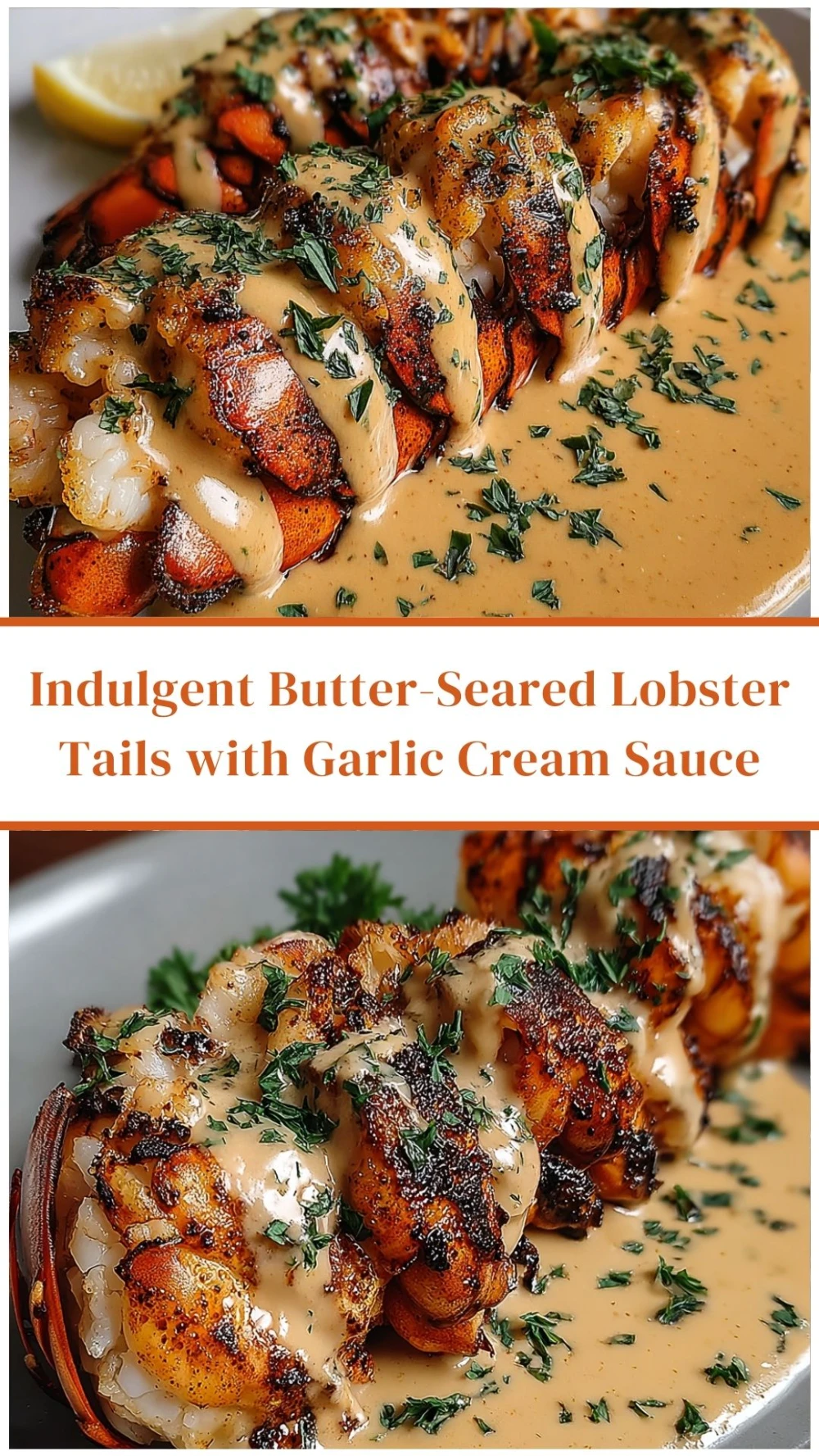
Indulgent Butter-Seared Lobster Tails with Garlic Cream Sauce
Elevate your dining experience with succulent lobster tails, perfectly seared in butter and bathed in a luxurious garlic-infused cream sauce. This dish is an exquisite balance of rich flavors and delicate textures, surprisingly simple to prepare for a gourmet meal at home. It promises an unforgettable culinary indulgence that feels decadent yet achievable.
Prep Time
15 minutes
Cook Time
18 minutes
Total Time
33 minutes
Servings
2 servings
Keywords
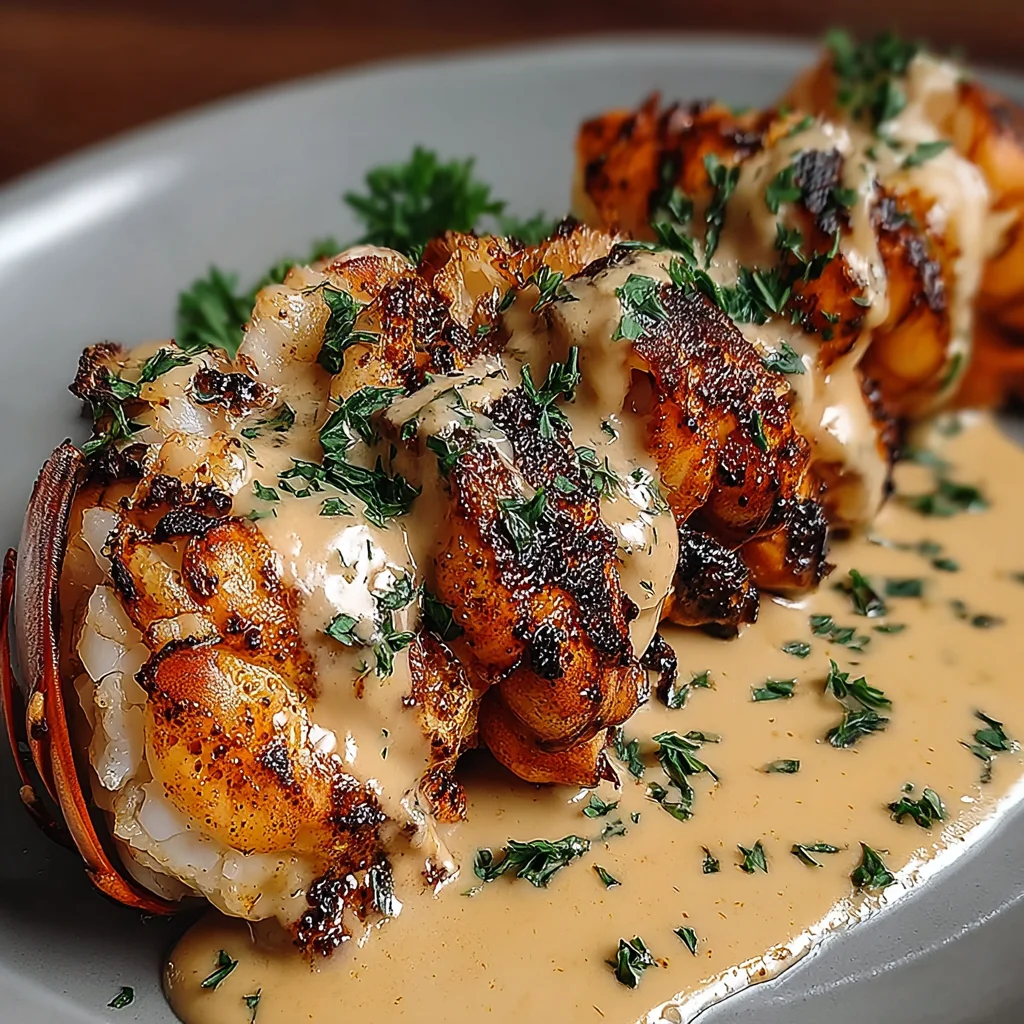
Why This Recipe Delivers
- Achieves restaurant-quality flavor and presentation at home with minimal effort.
- Combines the sweetness of lobster with a rich, aromatic garlic cream sauce.
- Perfect for special occasions or an elevated weeknight meal, ready in under 35 minutes.
- The butter-searing technique ensures perfectly tender and juicy lobster every time.
- Adaptable to dairy-free preferences without sacrificing flavor.
Ingredients
- 2 Lobster Tails (approximately 200-250 g / 7-9 oz each) – Substitute with high-quality frozen if fresh is unavailable.
- 15 ml (1 tablespoon) Olive Oil – Can substitute with butter for a richer flavor.
- Salt, to taste – Essential seasoning to enhance natural flavor.
- Freshly ground Black Pepper, to taste – Freshly cracked pepper adds depth.
- 5 ml (1 teaspoon) Paprika – Choose mild or smoked varieties for preferred depth.
- 56 g (4 tablespoons) Unsalted Butter – Dairy-free users can use vegan butter.
- 3 cloves Garlic, minced – Ensure not to burn when sautéing.
- 120 ml (1/2 cup) Dry White Wine – Can substitute with chicken or vegetable broth for an alcohol-free option.
- 240 ml (1 cup) Heavy Cream – For a dairy-free version, use full-fat coconut milk.
- 30 ml (2 tablespoons) Fresh Herbs, finely chopped (Thyme, Parsley are excellent) – Substitute with other fresh herbs like chives or tarragon if preferred.
- 30 g (1/4 cup) Grated Parmesan Cheese – Omit for dairy-free or paleo versions.
- 1 ml (1/4 teaspoon) Red Pepper Flakes – Adjust according to your spice preference.
- 15 ml (1 tablespoon) Fresh Lemon Juice – Can substitute for a small amount of white wine vinegar if fresh lemon is not available.
Instructions
- Remove the lobster tails from the refrigerator approximately 10 minutes prior to cooking. This allows them to come closer to room temperature, ensuring more even cooking and preventing the meat from becoming tough when it hits the hot pan.
- Prepare the lobster tails by butterflying. Using sharp kitchen shears, carefully cut down the center of the top shell, from the end closest to the tail fins up to, but not through, the last segment near the body. Gently open the shell and loosen the meat, pulling it up and resting it on top of the shell, creating a beautiful presentation and exposing more surface area for searing.
- Heat a large, heavy-bottomed skillet or cast-iron pan over medium-high heat. Add 15 ml (1 tablespoon) of olive oil and let it shimmer, indicating it's hot enough to create a beautiful sear. Ensure the pan is adequately hot to achieve a golden crust without overcooking the delicate lobster meat.
- Lightly brush the exposed lobster meat with a small amount of additional olive oil to promote browning. Season generously with salt, freshly ground black pepper, and the paprika, ensuring an even coating on all sides of the meat. This layering of seasoning enhances the natural sweetness of the lobster.
- Carefully place the prepared lobster tails flesh-side down in the hot skillet. Cook for approximately 3-4 minutes, allowing the meat to develop a beautiful golden-brown crust and begin to turn opaque. The direct contact with the hot pan seals in juices and adds a delightful texture.
- Flip the lobster tails over, so they are now shell-side down. Continue cooking for an additional 2-3 minutes, or until the meat is opaque throughout and firm to the touch. The shell will help to gently steam the lobster, ensuring it remains tender and juicy.
- Remove the cooked lobster tails from the skillet and set them aside on a warm plate. In the same skillet, reduce the heat to medium-low, then add the 56 g (4 tablespoons) of unsalted butter and allow it to melt completely, scraping up any delicious browned bits (fond) from the bottom of the pan.
- Add the 3 cloves of minced garlic to the melted butter. Sauté for 1-2 minutes, stirring constantly, until the garlic is fragrant and lightly golden. Be vigilant to avoid burning the garlic, as burnt garlic can impart a bitter flavor to the sauce.
- Pour in the 120 ml (1/2 cup) of dry white wine. Increase the heat slightly and deglaze the pan, stirring to scrape up any remaining flavorful fond. Allow the wine to simmer gently for 2-3 minutes, letting the alcohol cook off and the flavors concentrate.
- Gradually whisk in the 240 ml (1 cup) of heavy cream. Bring the sauce to a gentle simmer and let it cook for 3-4 minutes, stirring occasionally, until it has slightly thickened to your desired consistency. The cream will become rich and velvety.
- Stir in the 30 ml (2 tablespoons) of freshly chopped herbs and the 30 g (1/4 cup) of grated Parmesan cheese, if using. Mix until the cheese is melted and fully incorporated, and the herbs release their aromatic oils into the sauce. Add the 1 ml (1/4 teaspoon) of red pepper flakes for a subtle hint of warmth.
- Return the seared lobster tails to the skillet, nestling them into the rich garlic cream sauce. Gently spoon the sauce over the lobster meat to ensure it is thoroughly coated and warms through for about 1 minute.
- Thirteenth Step: Serve the indulgent butter-seared lobster tails immediately, with a generous squeeze of fresh lemon juice over each tail for brightness, and garnish with additional fresh herbs if desired. Enjoy this luxurious dish with a side of crusty bread to sop up every drop of the exquisite sauce.
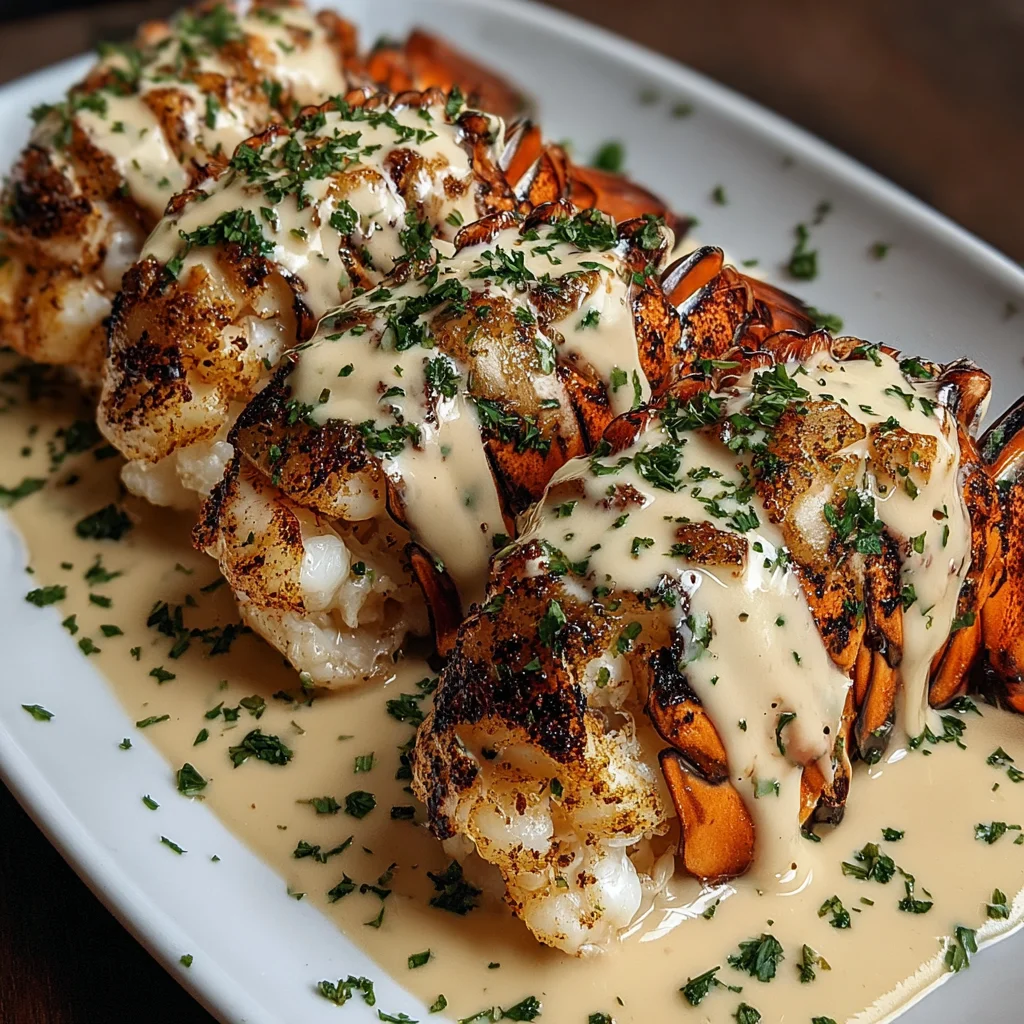
Tools You’ll Need
- Large, heavy-bottomed skillet (cast iron recommended)
- Kitchen shears
- Whisk
- Tongs or spatula
- Small bowl for seasoning
- Measuring spoons and cups
Essential Success Tips
- Do not overcook the lobster; it cooks quickly. Watch for the meat to turn opaque and firm. Overcooked lobster becomes rubbery.
- Ensure your pan is adequately hot before adding the lobster for a proper sear. If it's not hot enough, the lobster will steam rather than brown.
- When butterflying, cut through the top shell but avoid cutting into the meat deeply to keep the tail intact for presentation.
- Taste the sauce as you go and adjust seasonings (salt, pepper, red pepper flakes) to your preference before serving.
- Use a dry white wine you would enjoy drinking; its quality will impact the sauce's flavor. If using broth, opt for low-sodium.
Professional Cooking Secrets
- To maximize flavor extraction from the lobster shells, quickly roast them in the oven before discarding or use them to make a quick seafood stock for future use.
- For an even richer sauce, infuse the heavy cream with aromatics like a bay leaf or a sprig of thyme while it's heating, then strain them out before serving.
- If you want to add an extra layer of complexity, briefly sauté a finely diced shallot with the garlic before adding the wine; it adds a subtle sweetness and depth.
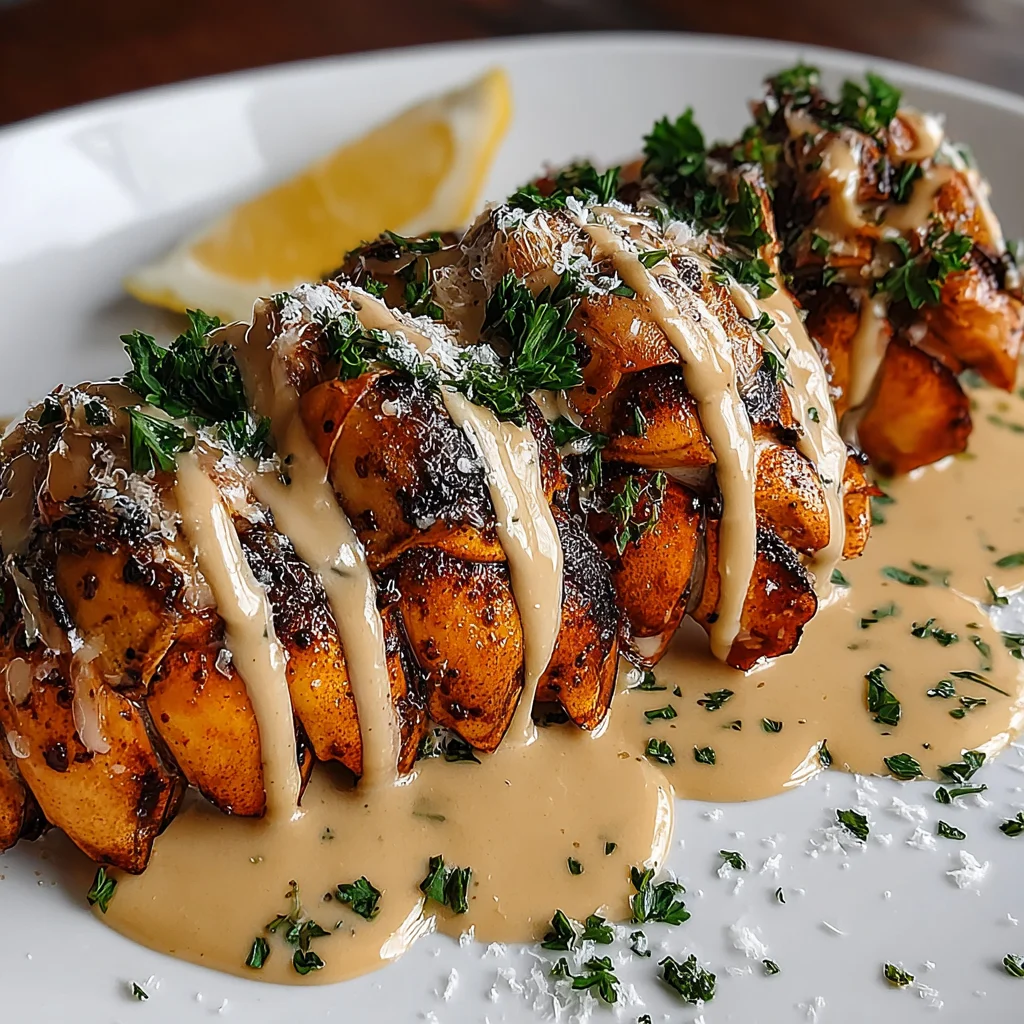
Notes
- Using high-quality, fresh lobster tails will always yield the best results, but good frozen tails can be an excellent substitute when thawed properly in the refrigerator.
- When preparing the butter-seared lobster, a little extra butter instead of olive oil in the pan can intensify the rich flavor profile.
- The salt and pepper are not just for seasoning; they play a crucial role in enhancing the natural oceanic sweetness of the lobster meat.
- Paprika not only adds a lovely color but also a subtle, earthy warmth that complements seafood beautifully. Adjust based on preference for mild or smoked notes.
- For those avoiding dairy, a full-fat canned coconut milk can replace heavy cream, yielding a surprisingly creamy and delicious sauce with a hint of tropical richness.
- Feel free to experiment with different fresh herbs; dill or tarragon also pair wonderfully with lobster and the creamy sauce.
- Parmesan cheese adds a savory, umami depth to the sauce; however, it can be omitted for those with dairy restrictions or who prefer a simpler, cleaner lobster flavor.
- Red pepper flakes are optional but provide a delightful, gentle heat that cuts through the richness of the cream sauce. Add more or less to suit your palate.
- Lemon juice is a critical finishing touch, providing a burst of acidity that brightens the entire dish and balances the richness. A dash of white wine vinegar can serve a similar purpose if lemon is unavailable.
- Leftovers can be stored in an airtight container in the refrigerator for up to 2 days. Reheat gently on the stovetop over low heat, adding a splash of broth or cream to loosen the sauce.
Frequently Asked Questions
Can I use frozen lobster tails for this recipe?
Yes, absolutely! If using frozen lobster tails, ensure they are fully thawed in the refrigerator overnight or under cold running water before preparing them. Pat them completely dry before searing for the best results.
What is the best way to tell if the lobster is cooked through?
Lobster meat is cooked when it turns opaque white and is firm to the touch. The internal temperature should reach 63°C (145°F). Be careful not to overcook, as it can become rubbery quickly.
Can I make the garlic cream sauce ahead of time?
You can prepare the sauce base (butter, garlic, wine, cream) a few hours in advance. Reheat gently on the stovetop, whisking occasionally, and then stir in the fresh herbs, Parmesan, and red pepper flakes just before serving with the freshly seared lobster.
Nutrition Facts (Per Serving)
Calories: 550, Protein: 45g, Fat: 40g, Carbs: 10g (approximate per serving, varies based on specific ingredient brands and quantities)
Allergy Information
Contains shellfish (lobster) and dairy (butter, heavy cream, Parmesan cheese). For dairy-free, substitute butter with vegan butter, heavy cream with full-fat coconut milk, and omit Parmesan cheese.

No comment