
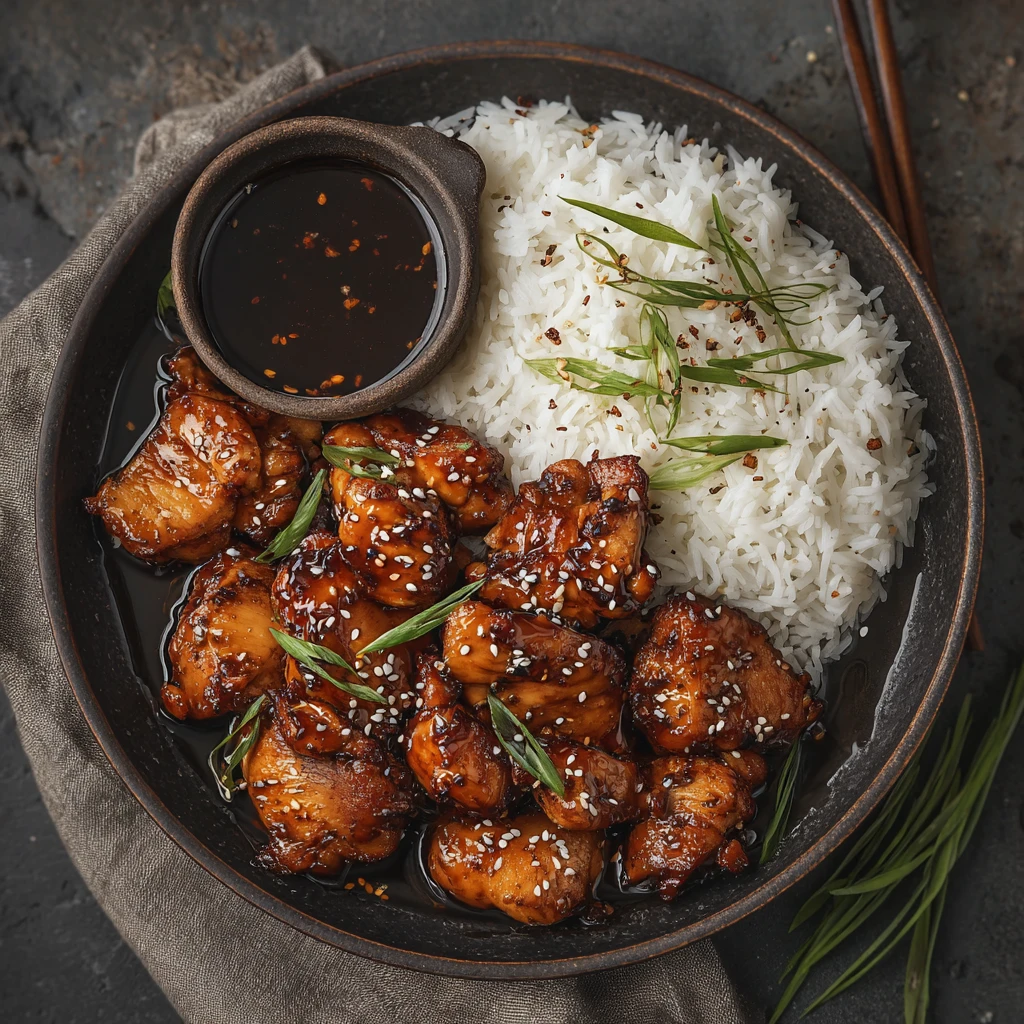
Hawaiian Shoyu Chicken
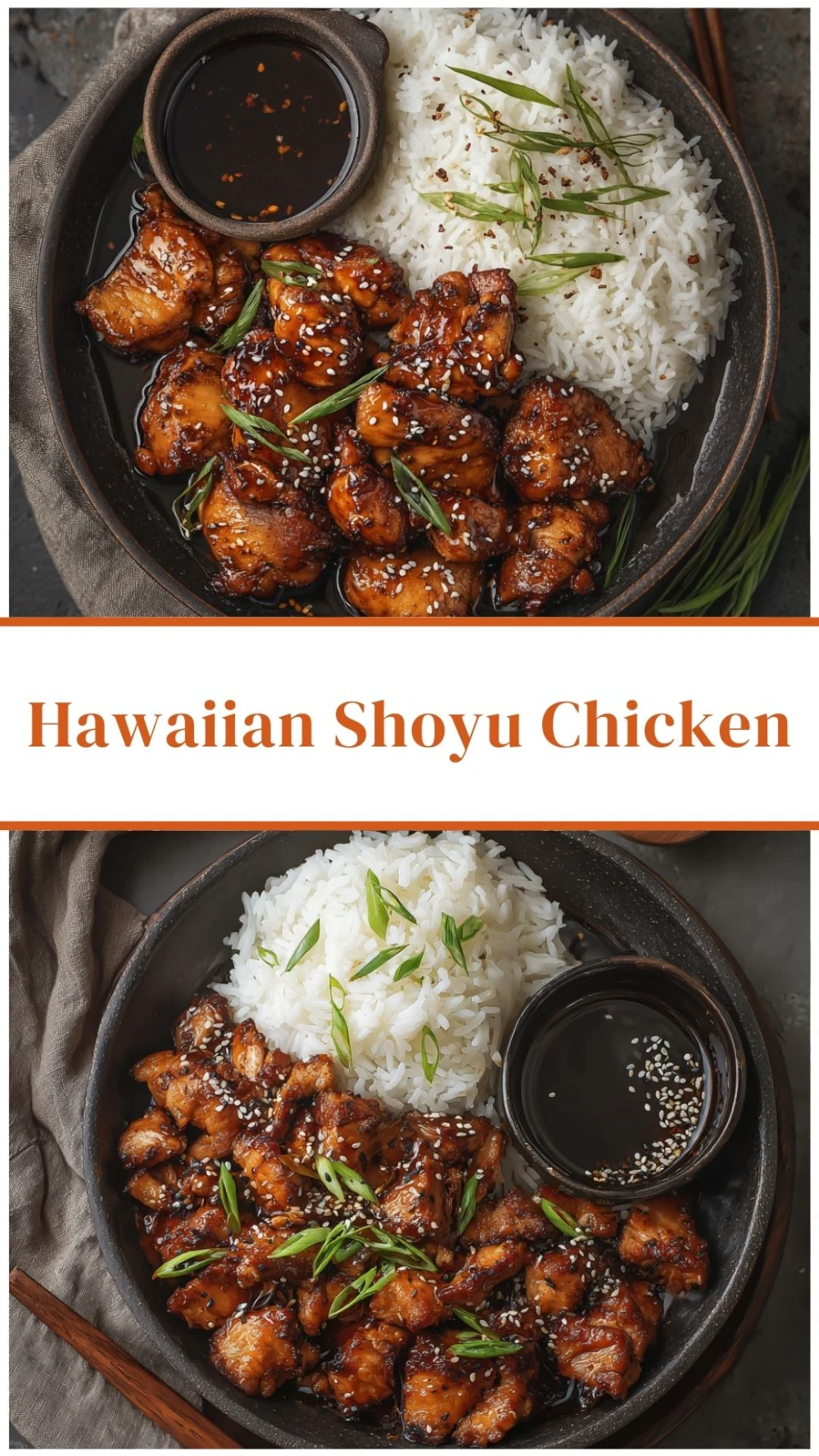
Experience a taste of the islands with this delightful Hawaiian Shoyu Chicken. Tender boneless, skinless chicken thighs are marinated in a savory-sweet blend of soy sauce, brown sugar, ginger, and pineapple juice, then seared to perfection and coated in a rich, thickened sauce. This dish is a true crowd-pleaser, delivering a vibrant fusion of flavors that brings the spirit of aloha to your dinner table.
Prep Time
1 hour 15 minutes (with 1 hour marinating)
Cook Time
Approximately 15-20 minutes
Total Time
Approximately 1 hour 30 minutes, including marinating time
Servings
4 servings
Keywords
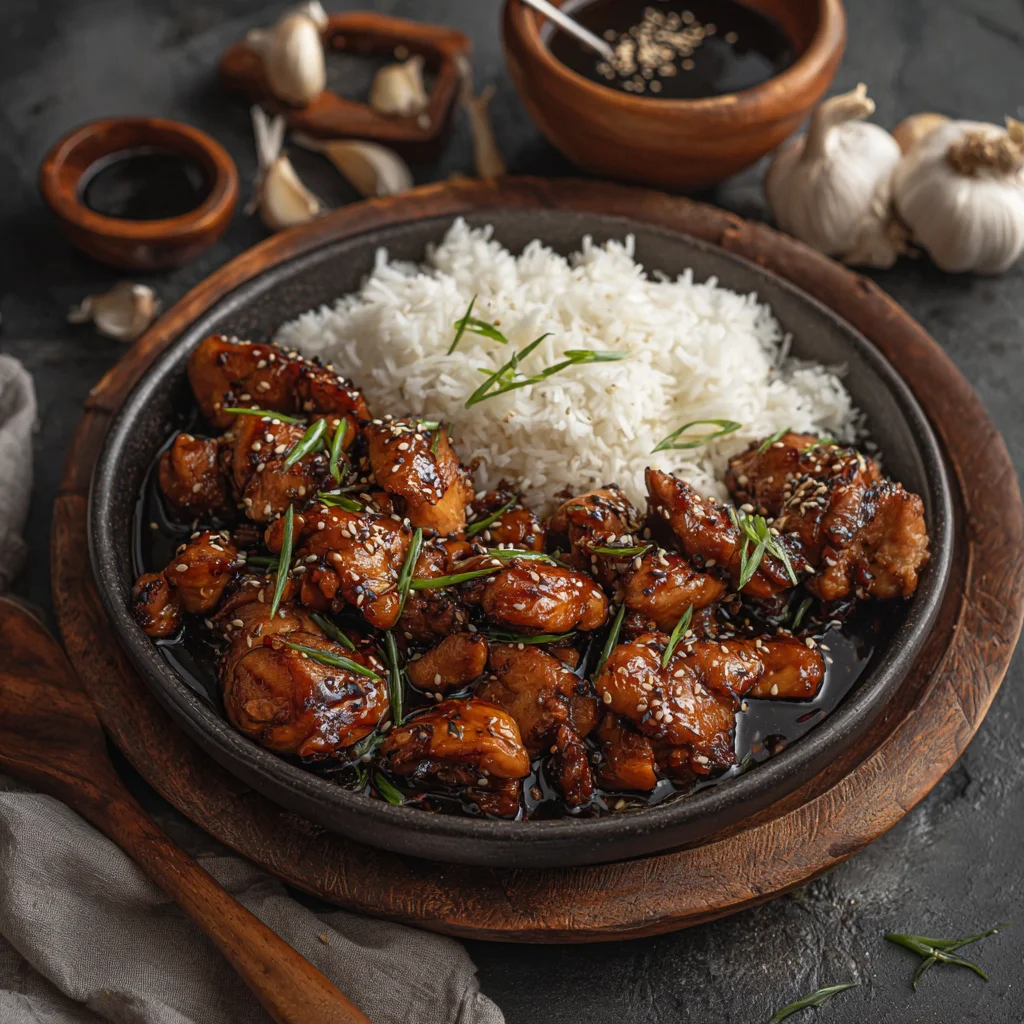
Why This Recipe Delivers
- Delivers an irresistible balance of sweet, savory, and tangy notes with an authentic island flair.
- Quick and easy to prepare, making it perfect for a flavorful weeknight dinner.
- Uses simple, accessible ingredients readily available in most grocery stores.
- Versatile enough to pair with various side dishes, from steamed rice to fresh salads.
- Offers a truly satisfying culinary experience that brings the spirit of Aloha to your table.
Ingredients
- 4 boneless, skinless chicken thighs (approx. 500-600 grams)
- 60 ml (1/4 cup) soy sauce
- 50 grams (1/4 cup) packed brown sugar
- 30 ml (2 tablespoons) rice vinegar
- 15 ml (1 tablespoon) sesame oil
- 2 cloves garlic, minced (approx. 10 grams)
- 2.5 cm (1-inch) piece of fresh ginger, grated (approx. 15 grams)
- 120 ml (1/2 cup) pineapple juice
- 10 grams (1 tablespoon) cornstarch (optional, for thickening), mixed with 30 ml (2 tablespoons) cold water to create a slurry
- Green onions, chopped (for garnish)
- Sesame seeds (for garnish)
Instructions
- In a medium-sized mixing bowl, combine the 60 ml (1/4 cup) soy sauce, 50 grams (1/4 cup) packed brown sugar, 30 ml (2 tablespoons) rice vinegar, 15 ml (1 tablespoon) sesame oil, the minced garlic, grated ginger, and 120 ml (1/2 cup) pineapple juice. Whisk all the ingredients together vigorously until the brown sugar is fully dissolved and the marinade is uniformly combined.
- Carefully place the 4 boneless, skinless chicken thighs into a large resealable plastic bag or a shallow, non-reactive dish. Pour the prepared marinade completely over the chicken, ensuring all pieces are well coated. Seal the bag, pressing out any excess air, or cover the dish tightly with plastic wrap. Refrigerate the chicken for a minimum of 1 hour to allow the flavors to penetrate, but for truly exceptional depth of flavor and tenderness, allow it to marinate overnight (8-12 hours).
- When ready to cook, remove the chicken from the refrigerator and bring it to room temperature for about 15 minutes. Heat a large skillet or frying pan over medium heat until it is hot. Carefully remove the chicken thighs from the marinade, allowing any excess marinade to drip off, and make sure to reserve the remaining marinade in the bowl or bag. Place the chicken thighs in the hot skillet without overcrowding the pan; cook in batches if necessary. Sear each side for approximately 6-7 minutes, or until the chicken is beautifully golden brown, caramelized, and thoroughly cooked through to an internal temperature of 74°C (165°F). Remove the cooked chicken from the skillet and set aside on a plate, tented loosely with foil to keep warm and allow the juices to redistribute.
- In the same skillet, pour in the reserved marinade. Bring the marinade to a gentle simmer over medium heat, using a wooden spoon or spatula to scrape up any browned bits (fond) from the bottom of the pan as it heats, which will infuse the sauce with extra flavor. Allow the sauce to simmer for about 3-4 minutes to reduce slightly and allow the flavors to meld and concentrate.
- If you desire a thicker sauce, prepare the cornstarch slurry by mixing the 10 grams (1 tablespoon) of cornstarch with 30 ml (2 tablespoons) of cold water until completely smooth. While the sauce is gently simmering, slowly pour the cornstarch slurry into the skillet, stirring continuously with a whisk, until the sauce reaches your desired thickened consistency. This process usually takes only a minute or two as the sauce heats.
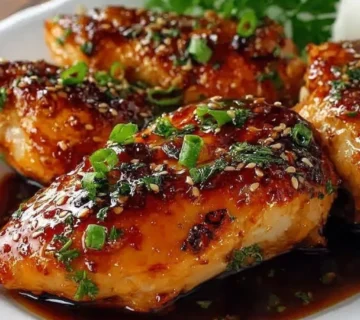
- Return the cooked chicken thighs to the skillet, spooning the rich, glossy shoyu sauce over them to coat each piece generously. Serve immediately, garnished generously with freshly chopped green onions and a sprinkle of toasted sesame seeds for added texture and aroma.
- This Hawaiian Shoyu Chicken is best enjoyed hot, paired perfectly with steamed jasmine rice and a crisp green salad or some stir-fried vegetables to complete a balanced meal.
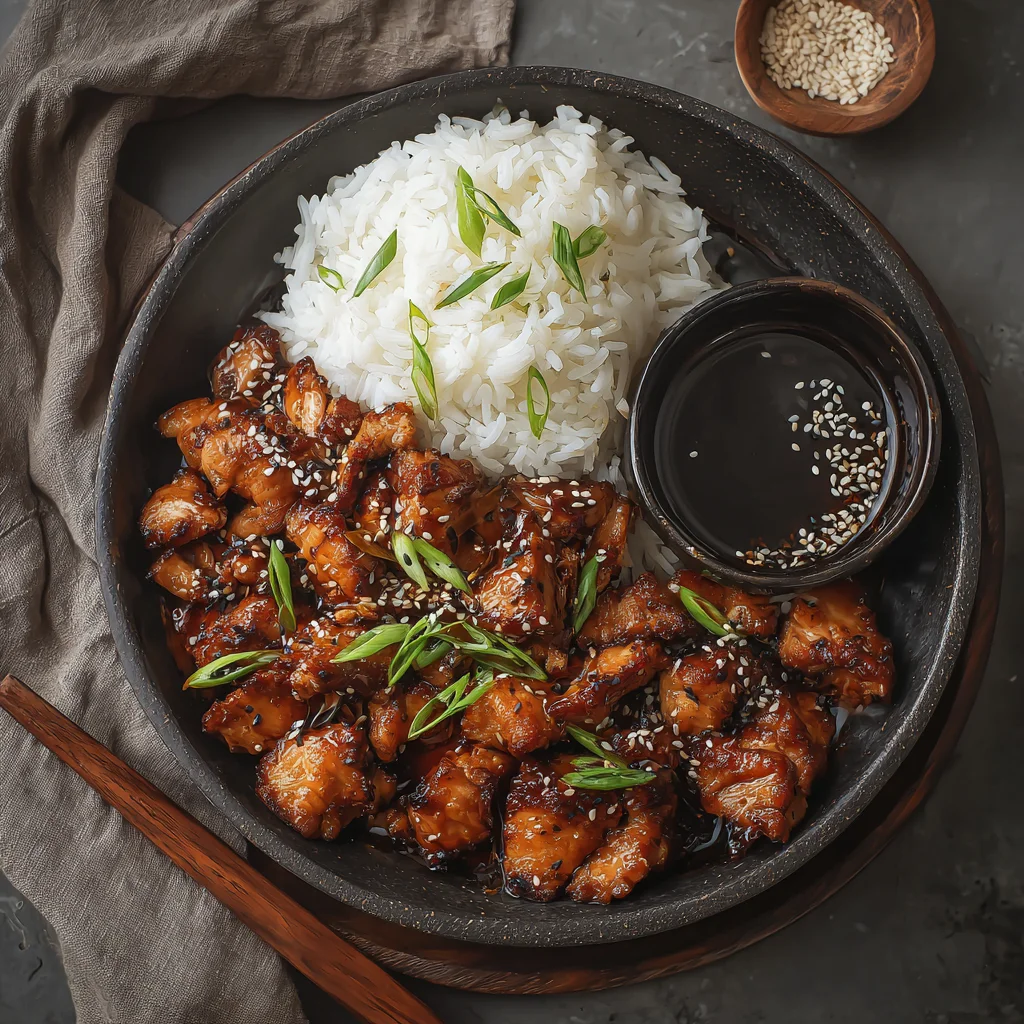
Tools You’ll Need
- Large mixing bowl
- Whisk
- Large resealable plastic bag or shallow dish
- Large skillet or frying pan (preferably non-stick or cast iron)
- Tongs
- Measuring cups and spoons
- Grater (for fresh ginger)
- Cutting board
- Sharp knife
Essential Success Tips
- Marinate for at least one hour, but overnight truly deepens the flavor profile, making the chicken incredibly tender and infused with taste.
- Do not overcrowd the pan when searing the chicken; cook in batches if necessary to ensure even browning and a beautiful crust.
- Always reserve the marinade, as it forms the rich and flavorful base for the accompanying sauce.
- When using cornstarch for thickening, always mix it with cold water first to create a smooth slurry; this prevents lumps from forming in your sauce.
- Allow the chicken to rest for a few minutes after cooking and before serving to retain its precious juices, ensuring every bite is moist and tender.
Professional Cooking Secrets
- For an extra layer of complexity and nutty aroma, toast your sesame seeds lightly in a dry pan over medium-low heat for 2-3 minutes before using them as a garnish.
- Consider adding a small dash of sriracha or a pinch of red pepper flakes to the marinade for a subtle spicy kick that beautifully complements the sweet and savory elements of the dish.
- To achieve an even more concentrated and intensely flavorful sauce, reduce the reserved marinade by about a quarter before adding the cornstarch slurry. This step evaporates excess water, intensifying the umami and sweetness.
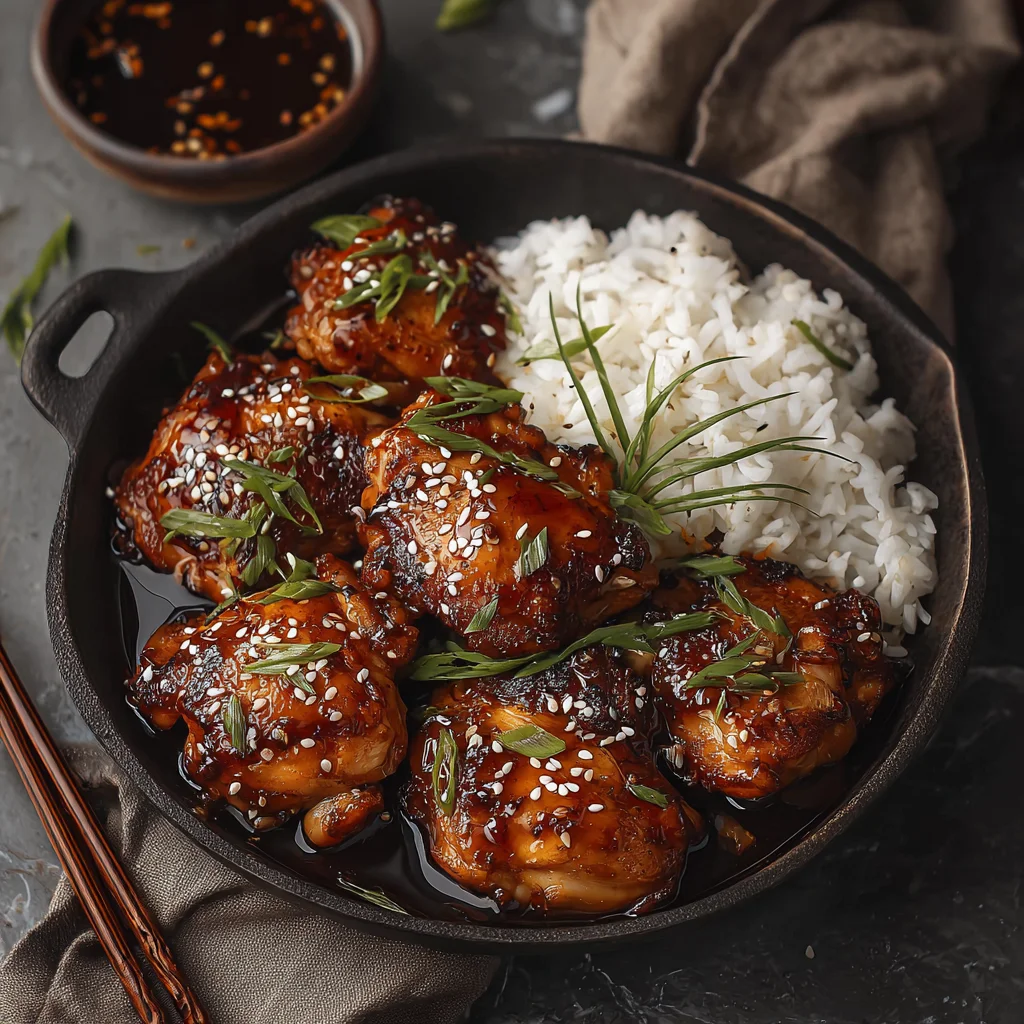
Notes
- This dish pairs wonderfully with steamed jasmine rice, a side of quick-pickled cucumber salad, or a simple stir-fry of fresh vegetables.
- Leftovers can be stored in an airtight container in the refrigerator for up to 3 days. The chicken is also excellent shredded and added to sandwiches, wraps, or even a Hawaiian-inspired taco.
- For an extra pop of freshness, garnish with a squeeze of fresh lime juice just before serving.
Frequently Asked Questions
Can I use chicken breast instead of thighs for Hawaiian Shoyu Chicken?
Yes, you can certainly use boneless, skinless chicken breasts. However, chicken thighs tend to stay exceptionally juicier and more flavorful during cooking due to their higher fat content. If opting for breasts, adjust the cooking time as they may cook faster, and be vigilant not to overcook them to prevent dryness.
How can I make the sauce thicker without cornstarch?
To achieve a thicker sauce without using cornstarch, you can simply reduce it further by simmering it for a longer period over medium-low heat. This process allows more liquid to evaporate, naturally concentrating the flavors and thickening the sauce. Remember to stir occasionally to prevent any sticking to the bottom of the skillet.
Is this dish spicy?
The traditional Hawaiian Shoyu Chicken recipe, as presented, is not inherently spicy. It is characterized by a harmonious blend of savory, sweet, and tangy flavors. If you prefer a bit of heat, feel free to add a pinch of red pepper flakes, a dash of sriracha, or a few drops of hot sauce to the marinade according to your taste.
Nutrition Facts (Per Serving)
Calories: Approximately 380 per serving, Protein: 35g, Fat: 15g, Carbs: 25g. (Note: These values are estimates and can vary based on specific ingredient brands, exact quantities, and preparation methods.)
Allergy Information
This recipe contains soy and sesame. For individuals with gluten sensitivities or allergies, ensure to use tamari (a gluten-free soy sauce alternative) instead of regular soy sauce to make the dish gluten-free. Always check ingredient labels for hidden allergens.

No comment