

Filipino Pancit
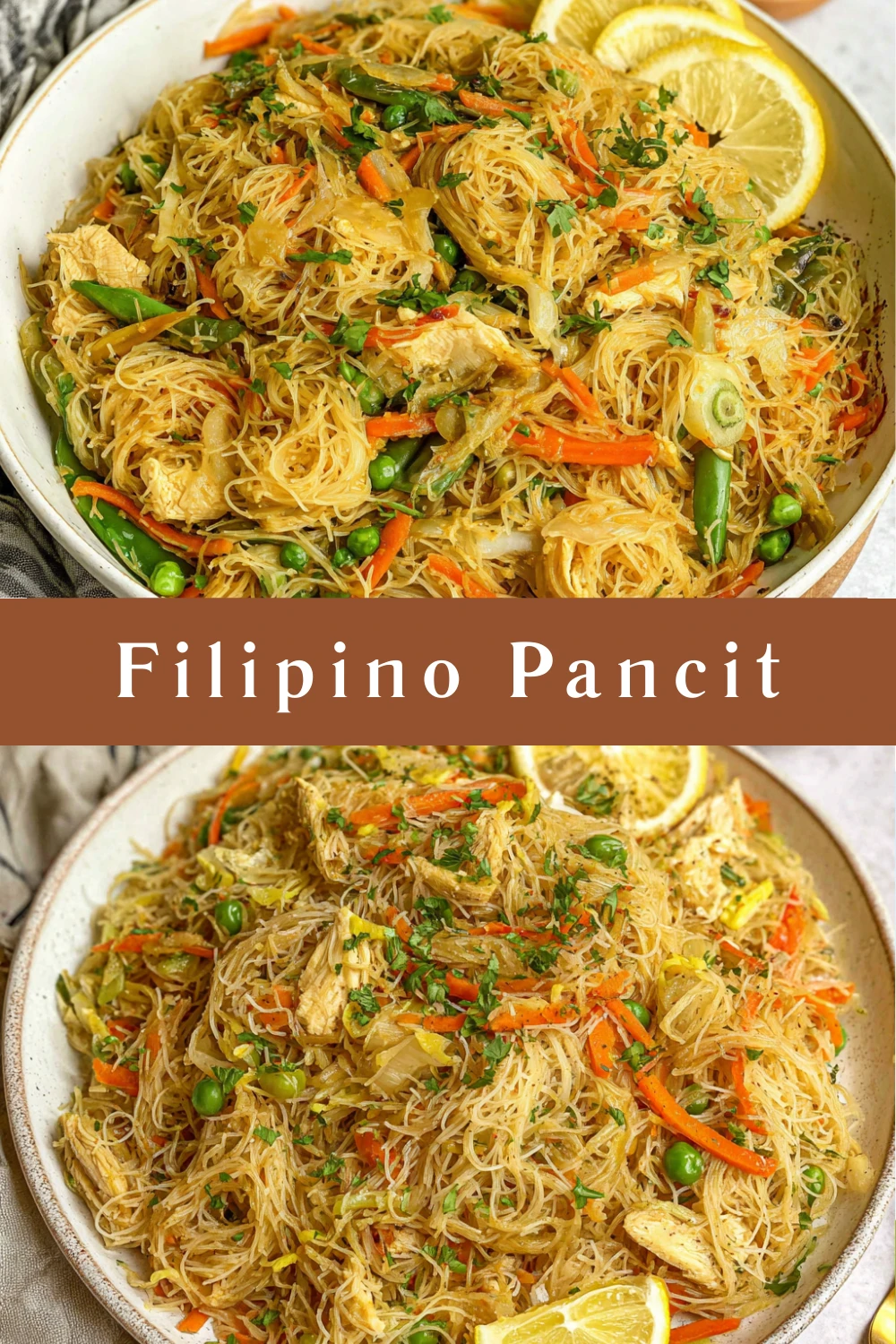
Embark on a culinary journey to the Philippines with this authentic Pancit Bihon recipe. This beloved noodle dish features tender rice vermicelli stir-fried with savory shredded chicken and a vibrant medley of crisp vegetables, all coated in a rich, umami-packed sauce. It's a comforting, flavorful, and incredibly satisfying meal perfect for any occasion, from weeknight dinners to festive gatherings.
Prep Time
15 minutes
Cook Time
15-20 minutes
Total Time
30-35 minutes
Servings
4 servings
Keywords

Why This Recipe Delivers
- A complete meal in one pan, packed with protein and vegetables.
- Delivers an irresistible balance of savory, slightly sweet, and tangy flavors.
- Quick and easy to prepare, making it ideal for busy weeknights.
- Highly customizable with your choice of proteins and vegetables.
- A true taste of Filipino home cooking that's universally loved.
Ingredients
- 225 grams (8 ounces) thin rice noodles (bihon)
- 30 milliliters (2 tablespoons) vegetable oil
- 1 large onion, thinly sliced
- 3 cloves garlic, finely minced
- 1 medium carrot, julienned (cut into thin matchsticks)
- 150 grams (½ small) green cabbage, thinly shredded
- 60 grams (½ cup) snow peas, trimmed
- 180 grams (1 cup) cooked chicken breast, shredded
- 60 milliliters (¼ cup) low-sodium soy sauce
- 30 milliliters (2 tablespoons) oyster sauce
- 2.5 milliliters (½ teaspoon) freshly ground black pepper
- 480 milliliters (2 cups) low-sodium chicken broth
- ½ lemon, cut into wedges (for serving)
- 30 grams (¼ cup) fresh cilantro or green onions, chopped (for garnish)
Instructions
- Prepare the rice noodles by placing them in a large heatproof bowl. Cover the noodles completely with warm water and let them soak for approximately 10 to 12 minutes, or until they become pliable and soft but still retain a slight bite. Once softened, drain them thoroughly in a colander and set aside, ensuring all excess water is removed to prevent a watery dish.
- Heat the vegetable oil in a large wok or a deep, wide skillet over medium heat. Once shimmering, add the thinly sliced onion and the finely minced garlic. Sauté these aromatics for about 2 to 3 minutes, stirring frequently, until the onion turns translucent and the garlic becomes fragrant, releasing its sweet aroma without browning.
- Introduce the julienned carrot, shredded cabbage, and trimmed snow peas to the wok. Increase the heat slightly to medium-high and stir-fry the vegetables for 3 to 4 minutes. Continue tossing them until they are tender-crisp, retaining some crunch and their vibrant color.
- Add the shredded cooked chicken to the wok with the vegetables. Stir and cook for another 2 minutes, allowing the chicken to heat through and its flavors to meld with the sautéed vegetables and aromatics.
- Pour in the low-sodium soy sauce and the oyster sauce. Sprinkle in the freshly ground black pepper. Stir all the ingredients together vigorously, ensuring the chicken and vegetables are thoroughly coated with the savory sauce mixture.
- Carefully pour the low-sodium chicken broth into the wok, bringing the liquid to a gentle simmer. Once simmering, add the pre-soaked and drained rice noodles. Using tongs or two spatulas, gently toss and fold the noodles with the chicken and vegetables. Continue tossing until the noodles are well coated with the broth and begin to absorb the liquid, taking on the rich color of the sauce.
- Continue cooking and tossing the noodles for an additional 3 to 5 minutes. During this time, the noodles will fully absorb the remaining liquid, plump up, and become tender. Keep tossing to prevent sticking and ensure even cooking and flavor distribution. The dish is ready when the noodles are fully cooked through and the wok is nearly dry.
- Transfer the freshly cooked Pancit Bihon to a large serving platter. Garnish generously with the chopped fresh cilantro or green onions. Serve hot with lemon wedges on the side, allowing each diner to squeeze fresh lemon juice over their portion for a bright, tangy finish.

Tools You’ll Need
- Large wok or large deep skillet
- Large bowl
- Cutting board
- Chef's knife
- Measuring cups and spoons
- Tongs or stir-frying spatulas
Essential Success Tips
- Do not oversoak the rice noodles; they should be pliable but still firm, as they will finish cooking in the broth.
- Ensure your vegetables are cut uniformly for even cooking and a beautiful presentation.
- Taste the broth before adding the noodles and adjust seasoning as needed, keeping in mind the noodles will absorb some saltiness.
- Use a large wok or skillet to allow enough space for stir-frying and tossing the noodles, preventing them from clumping.
- Serve immediately to enjoy the best texture of the noodles and crispness of the vegetables.
Professional Cooking Secrets
- For an extra layer of flavor, toast a tablespoon of annatto seeds in a little oil, then strain and use the infused oil for sautéing. This also adds a beautiful golden hue.
- To achieve a richer, more complex sauce, consider adding a splash of calamansi juice (or fresh lime juice) along with the lemon at serving time for a bright, tangy counterpoint.
- For perfectly tender chicken, gently poach chicken breasts in lightly seasoned water or broth until just cooked through before shredding. This keeps it moist and flavorful.

Notes
- Storage: Leftover Pancit can be stored in an airtight container in the refrigerator for up to 3 days. Reheat gently in a pan with a splash of water or broth to loosen the noodles.
- Variations: Feel free to add shrimp, pork belly, or thinly sliced beef. Tofu can also be used for a vegetarian option. Other great vegetable additions include bell peppers, green beans, or snap peas.
- Gluten-Free Option: Use tamari or a gluten-free soy sauce alternative and ensure your chicken broth is gluten-free.
Frequently Asked Questions
What kind of noodles should I use for Pancit Bihon?
Pancit Bihon specifically uses thin rice vermicelli noodles. They are very delicate and absorb flavors beautifully, providing the signature texture of the dish.
Can I make Pancit Bihon ahead of time?
While best enjoyed fresh, Pancit Bihon can be prepared a few hours in advance. Reheating might slightly alter the noodle texture, so if making ahead, slightly undercook the noodles initially.
What is the difference between Pancit Bihon and Pancit Canton?
Pancit Bihon uses thin rice vermicelli noodles, while Pancit Canton features thicker, egg-based wheat noodles. Both are delicious Filipino noodle dishes but have distinct textures and slight flavor variations.
Nutrition Facts (Per Serving)
Calories: 420, Protein: 28g, Fat: 15g, Carbs: 42g (per serving, estimated)
Allergy Information
Contains soy and shellfish (from oyster sauce). For a soy-free version, use coconut aminos. For a shellfish-free version, omit oyster sauce and increase soy sauce slightly, or use a mushroom-based 'oyster' sauce alternative. May contain gluten if soy sauce is not certified gluten-free.




No comment