
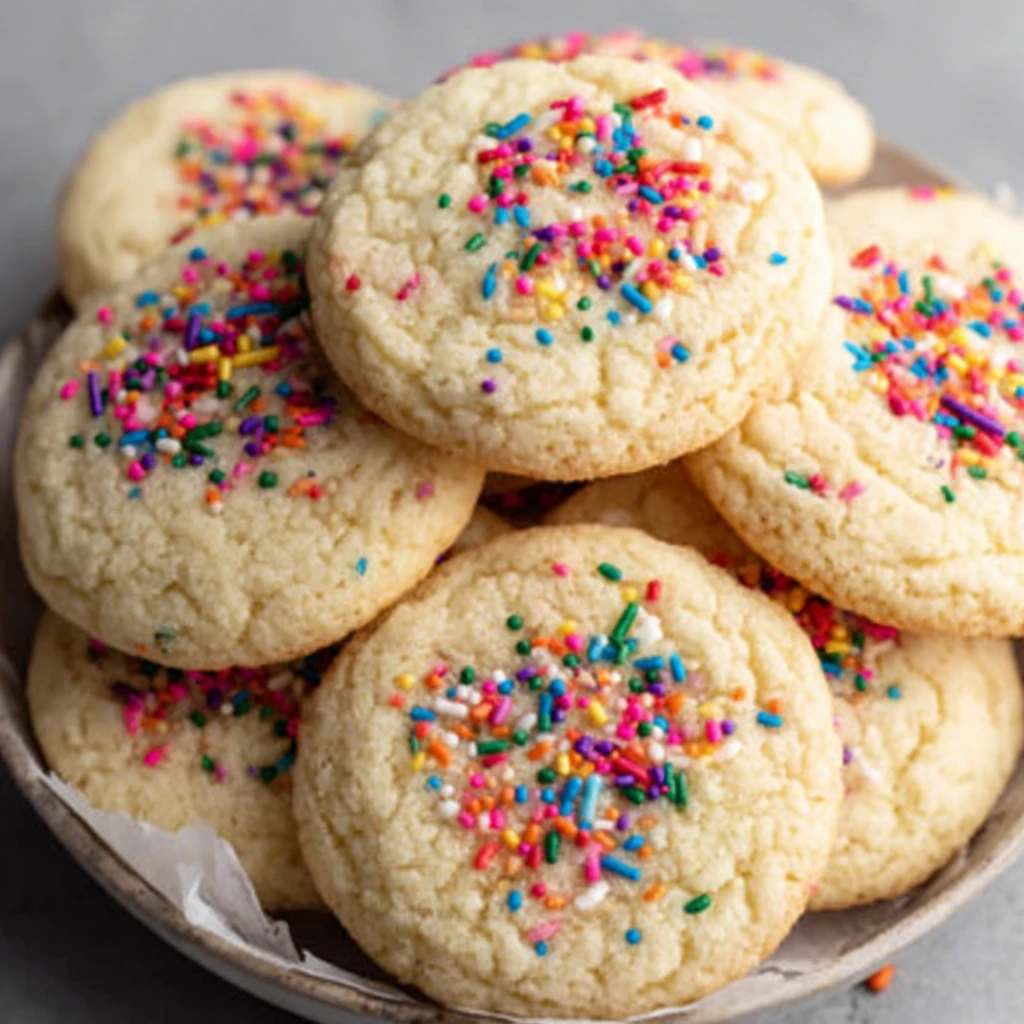
Easy Sugar Cookies
Discover the joy of baking with these incredibly simple yet utterly delicious sugar cookies. Featuring a buttery, tender texture and a subtly sweet flavor, this recipe is perfect for beginners and seasoned bakers alike. They're wonderfully adaptable for any occasion, from a casual treat to festive decorating.
Prep Time
20 minutes
Cook Time
14-16 minutes
Total Time
45 minutes (including rest time)
Servings
Approximately 24-30 cookies (1-inch size)
Keywords
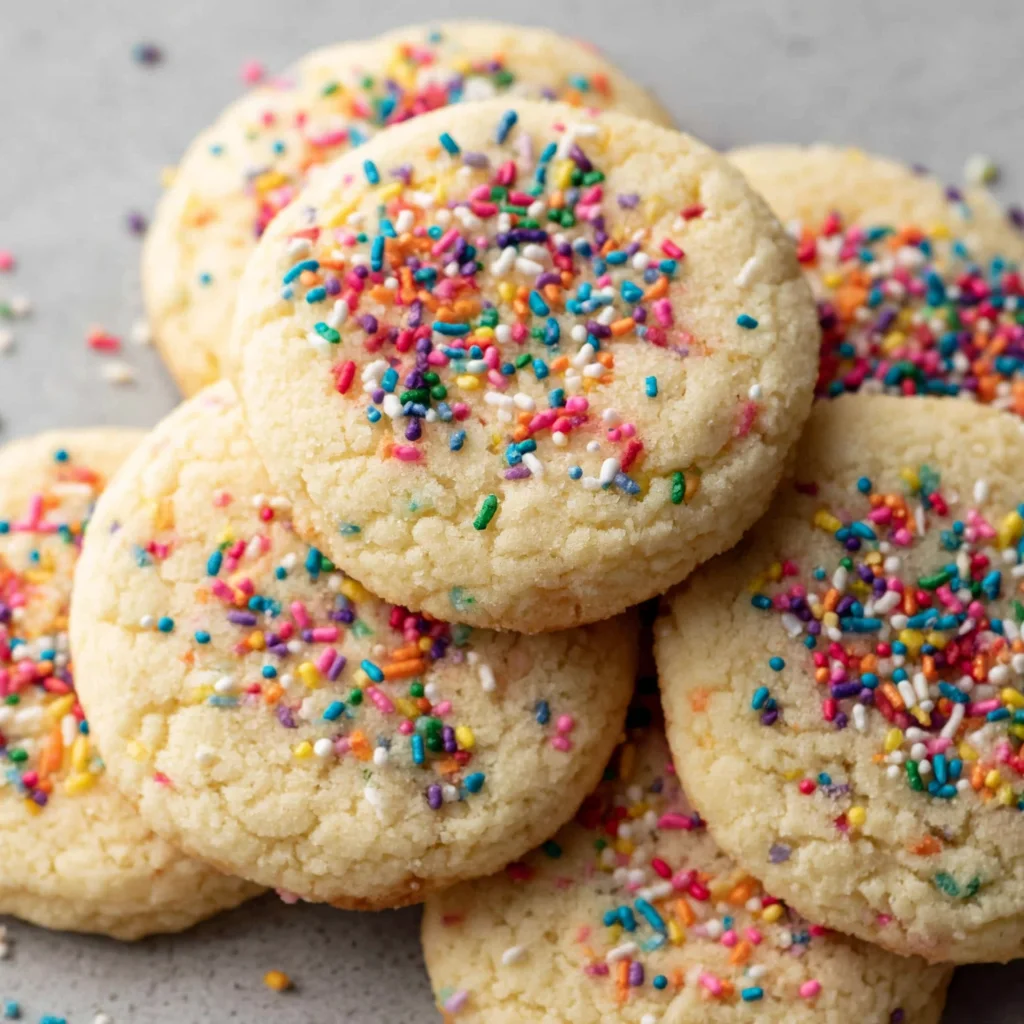
Why This Recipe Delivers
- Effortlessly simple, perfect for bakers of all skill levels.
- Requires basic pantry ingredients, making it accessible anytime.
- Yields tender, buttery cookies with a perfectly balanced sweetness.
- Quick preparation and bake time means fresh cookies in under an hour.
- Versatile for customization with sprinkles, frosting, or other decorations.
Ingredients
- 226 grams (1 cup) unsalted butter, softened to room temperature
- 133 grams (2/3 cup) granulated sugar
- 38 grams (3 tablespoons) granulated sugar, for rolling
- 252 grams (2 cups + 1 tablespoon) all-purpose flour, spooned and leveled
- 5 milliliters (1 teaspoon) vanilla extract, optional but highly recommended
- Rainbow sprinkles or nonpareils, optional but highly recommended
Instructions
- Preheat your oven to 160 degrees Celsius (325 degrees Fahrenheit). This moderate temperature ensures the cookies bake evenly without browning too quickly, maintaining their soft texture. Line two large baking sheets with parchment paper; this prevents sticking and facilitates easy transfer.
- In a medium-sized mixing bowl, combine the softened butter and 133 grams (2/3 cup) of granulated sugar. Using a handheld electric mixer, beat them together until they are just combined. The mixture may appear slightly gritty at this stage, which is perfectly normal for this type of cookie dough.
- Add the all-purpose flour to the butter and sugar mixture. Continue to blend with the electric mixer until the flour is fully incorporated and the dough begins to come together. If you are using vanilla extract, blend it in now until evenly distributed.
- After blending, take a small piece of the dough and gently press it between your fingers. It should feel soft, pliable, and come together very easily without crumbling. If the dough feels crumbly, continue to knead it gently within the bowl for another minute or two until it reaches the desired smooth consistency. This ensures the cookies hold their shape and have a consistent texture.
- Using a 2.5-centimeter (1-inch) cookie scoop, portion out the dough. Take each scooped portion and roll it between the palms of your hands until it forms a smooth, round ball. This helps to create an even texture and appearance for the finished cookies.
- Place the remaining 38 grams (3 tablespoons) of granulated sugar in a shallow dish. Gently roll each cookie dough ball in the sugar until it is lightly coated on all sides. Transfer the coated balls to the prepared baking sheets, ensuring they are spaced approximately 5 centimeters (2 inches) apart to allow for spreading during baking.
- Take the bottom of a flat-bottomed measuring cup or glass and use it to gently press down on each cookie dough ball, flattening it into a disk. The dough should be approximately 4-5 millimeters (3/16 to 1/4 inch) thick. While they might appear small in circumference now, they will spread slightly to a standard cookie size. If using sprinkles or nonpareils, scatter them over the flattened cookies and gently press down again to help them adhere to the dough.
- Bake the cookies for 14-16 minutes. Look for the edges to be just slightly golden and the bottoms to show a hint of light brown. The centers should still appear pale and soft. Avoid overbaking, as this will result in a dry, crunchy cookie rather than a tender one.
- Once baked, remove the baking sheets from the oven. It is critical to let the cookies rest on the hot baking sheets for at least 10-15 minutes. This allows them to firm up without breaking, continuing to cook slightly from the residual heat. After this resting period, you can enjoy them warm, or carefully transfer them to a wire cooling rack to cool completely before serving or storing.
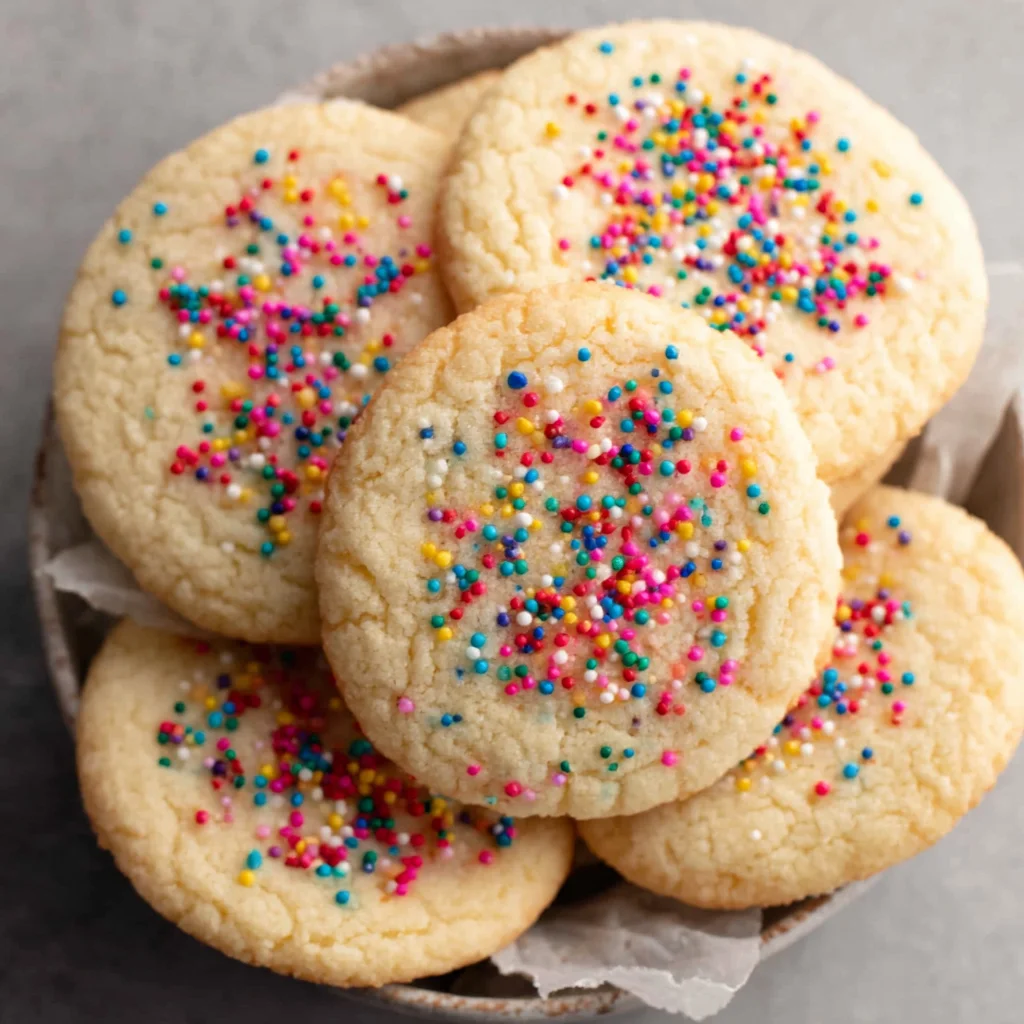
Tools You’ll Need
- Large baking sheets
- Parchment paper
- Medium mixing bowl
- Handheld electric mixer
- Measuring cups and spoons
- Cookie scoop (2.5 cm / 1 inch)
- Flat-bottomed glass or measuring cup
- Wire cooling rack
Essential Success Tips
- Ensure your butter is truly at room temperature. It should be soft enough to indent easily with your finger, but not melted. This is crucial for proper creaming with the sugar.
- Do not overmix the dough once the flour is added. Overmixing develops gluten, which can lead to tough cookies. Mix just until combined.
- Pay close attention to the baking time. These cookies are meant to be light-colored and tender. Removing them from the oven when the edges are just barely golden prevents them from becoming dry or hard.
- The 10-15 minute resting period on the hot baking sheet is non-negotiable. It allows the cookies to set and finish baking gently from residual heat, ensuring they don't break when transferred.
- Use a good quality vanilla extract. While optional, it significantly enhances the flavor of these simple cookies.
Professional Cooking Secrets
- For an even richer flavor, consider using European-style butter, which typically has a higher butterfat content.
- To achieve perfectly round cookies, slightly reshape any irregular cookies with the back of a spoon or spatula immediately after removing them from the oven while they are still warm and pliable.
- If you want a slight crispness on the edge while maintaining a soft center, reduce your baking temperature to 150 degrees Celsius (300 degrees Fahrenheit) and increase the baking time by 2-3 minutes, monitoring closely.
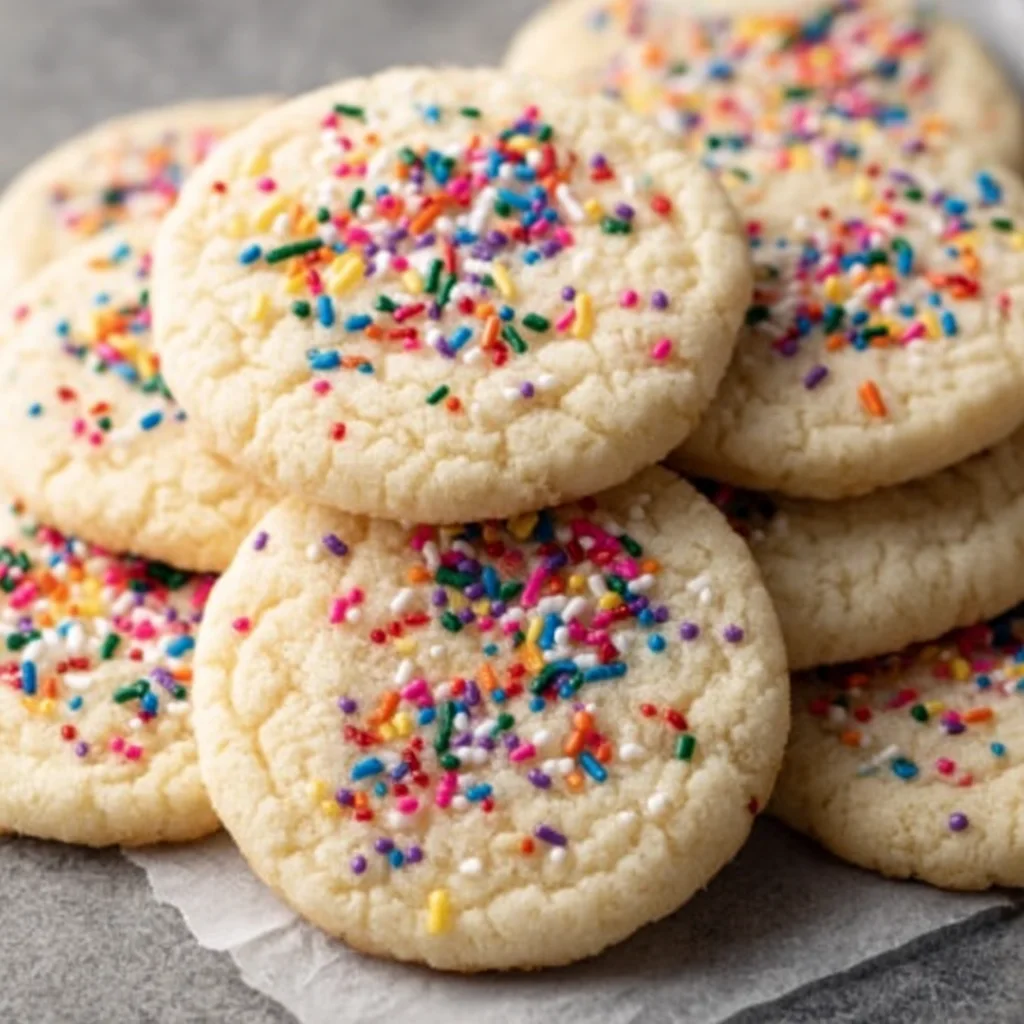
Notes
- Storage: Store cooled cookies in an airtight container at room temperature for up to 5-7 days. For longer storage, freeze baked cookies for up to 2 months.
- Dough Freezing: Unbaked cookie dough balls can be frozen for up to 3 months. Arrange on a baking sheet, freeze until solid, then transfer to a freezer-safe bag. Bake from frozen, adding a few extra minutes to the baking time.
- Flavor Variations: Add a pinch of almond extract for a nutty aroma, or a touch of lemon zest for a bright, citrusy note.
Frequently Asked Questions
Why did my cookies spread too much?
Excessive spreading can be due to butter that was too warm or melted, or not enough flour. Ensure your butter is just room temperature and measure your flour accurately by spooning it into the measuring cup and leveling it off.
Can I make these cookies gluten-free?
While not tested with this specific recipe, you can generally substitute the all-purpose flour with a 1:1 gluten-free baking blend that contains xanthan gum. Results may vary slightly in texture.
Do I need to chill the dough?
No, this recipe is designed as a 'no-chill' sugar cookie, making it very quick and convenient. The method of rolling and pressing helps achieve the desired shape and texture without refrigeration.
Nutrition Facts (Per Serving)
Calories: Approximately 150-180 per cookie, Protein: 2g, Fat: 8-10g, Carbs: 20-25g (Estimates based on typical ingredients and serving size).
Allergy Information
Contains dairy (butter) and gluten (all-purpose flour). For a dairy-free version, use a plant-based butter substitute. For a gluten-free option, use a 1:1 gluten-free flour blend.







No comment