
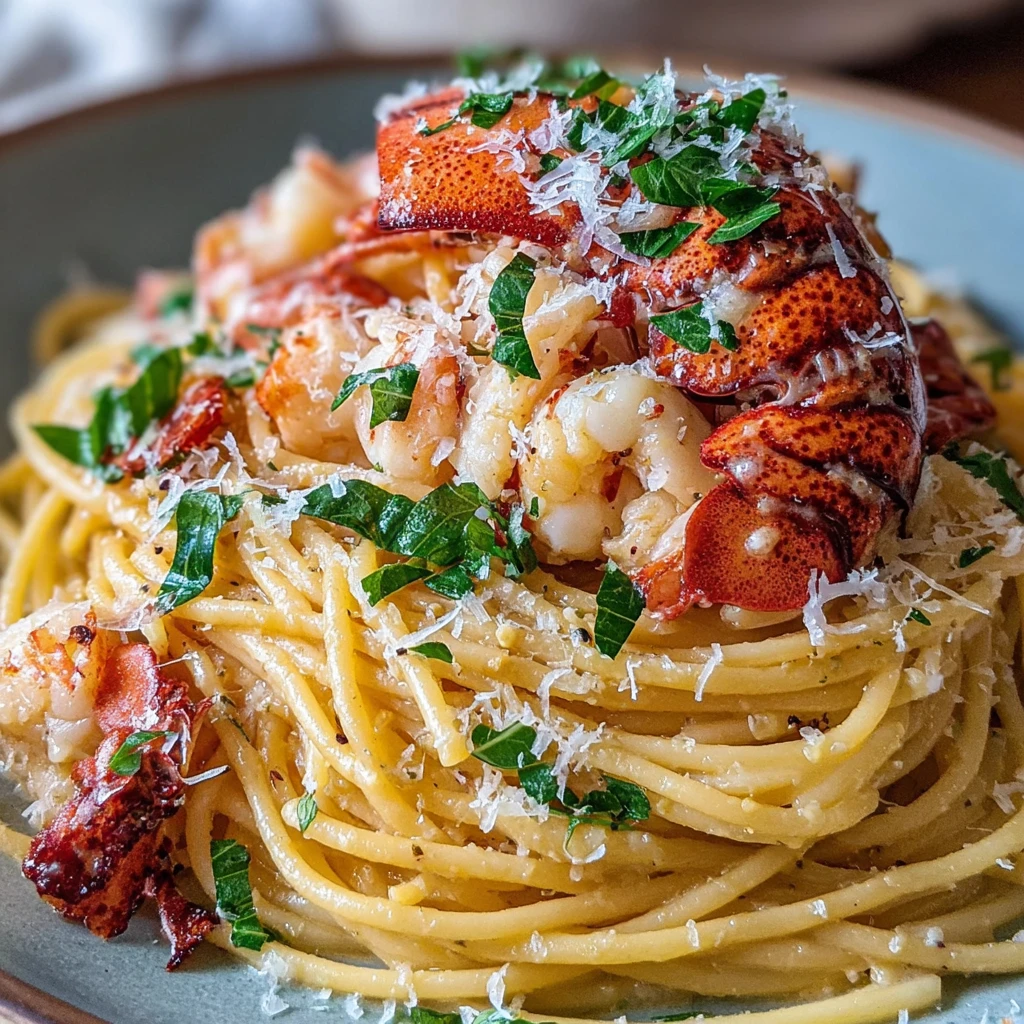
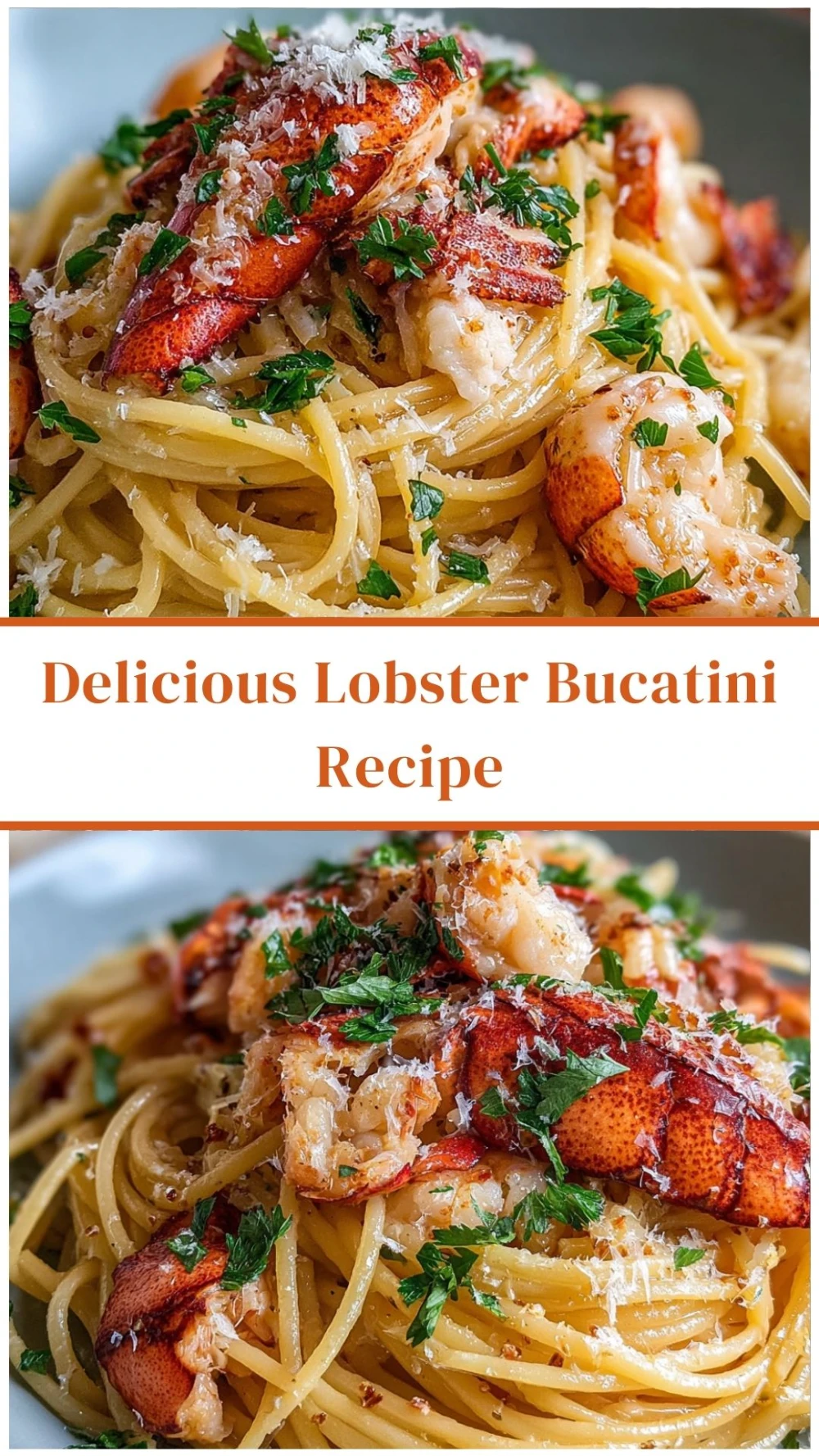
Delicious Lobster Bucatini Recipe
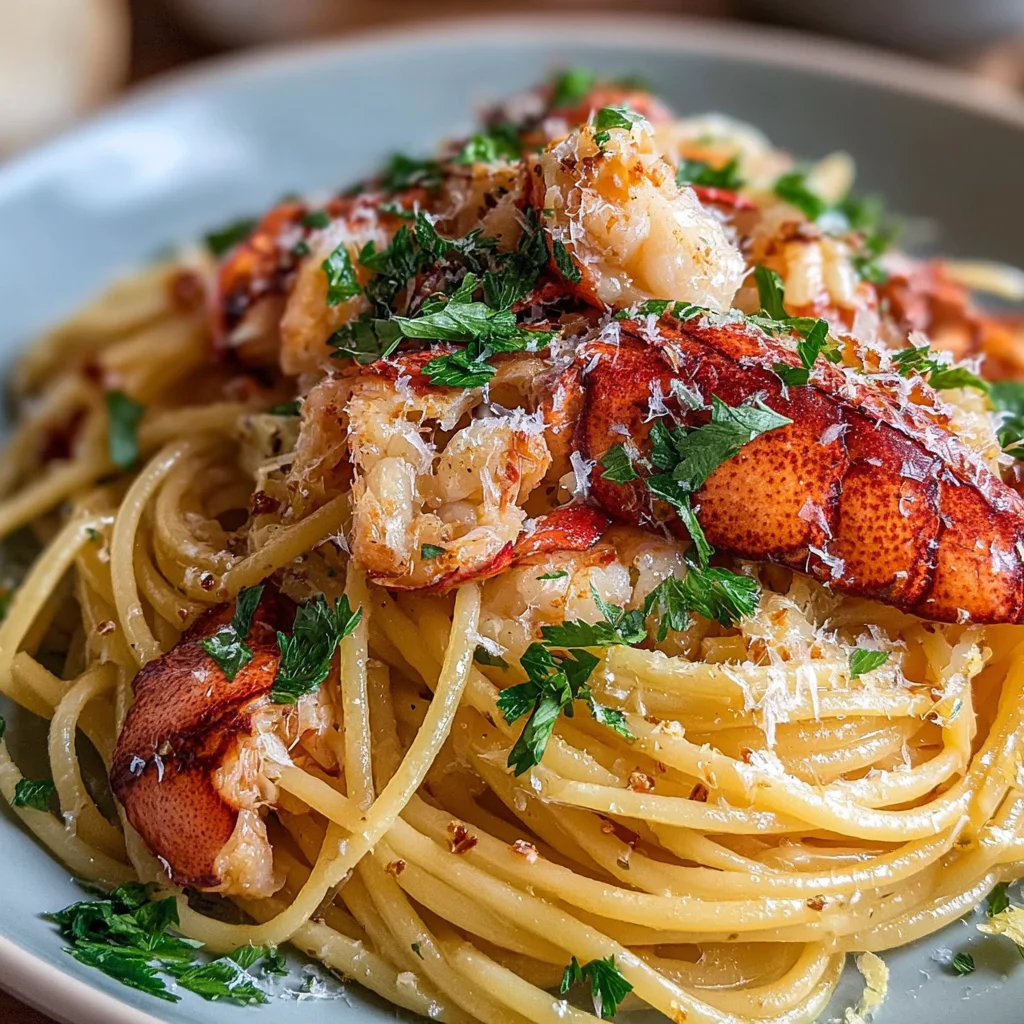
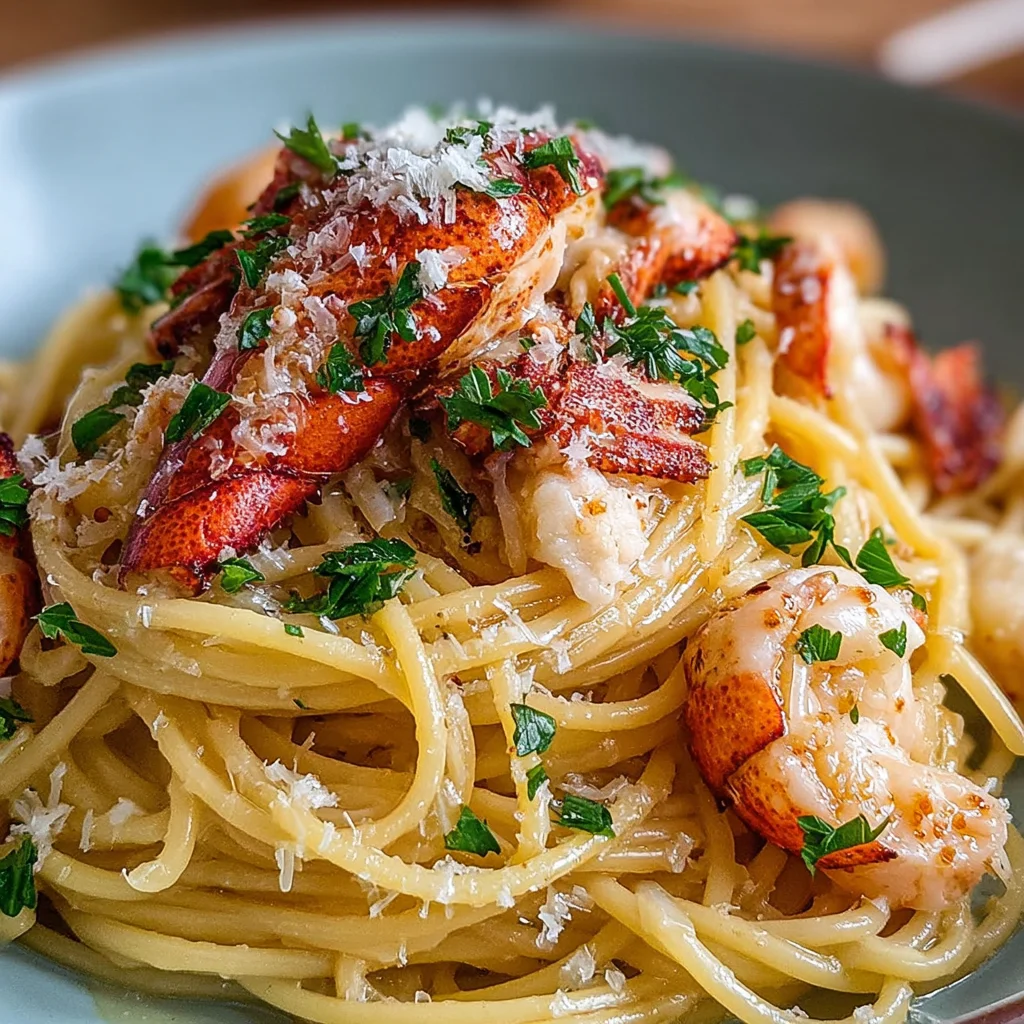
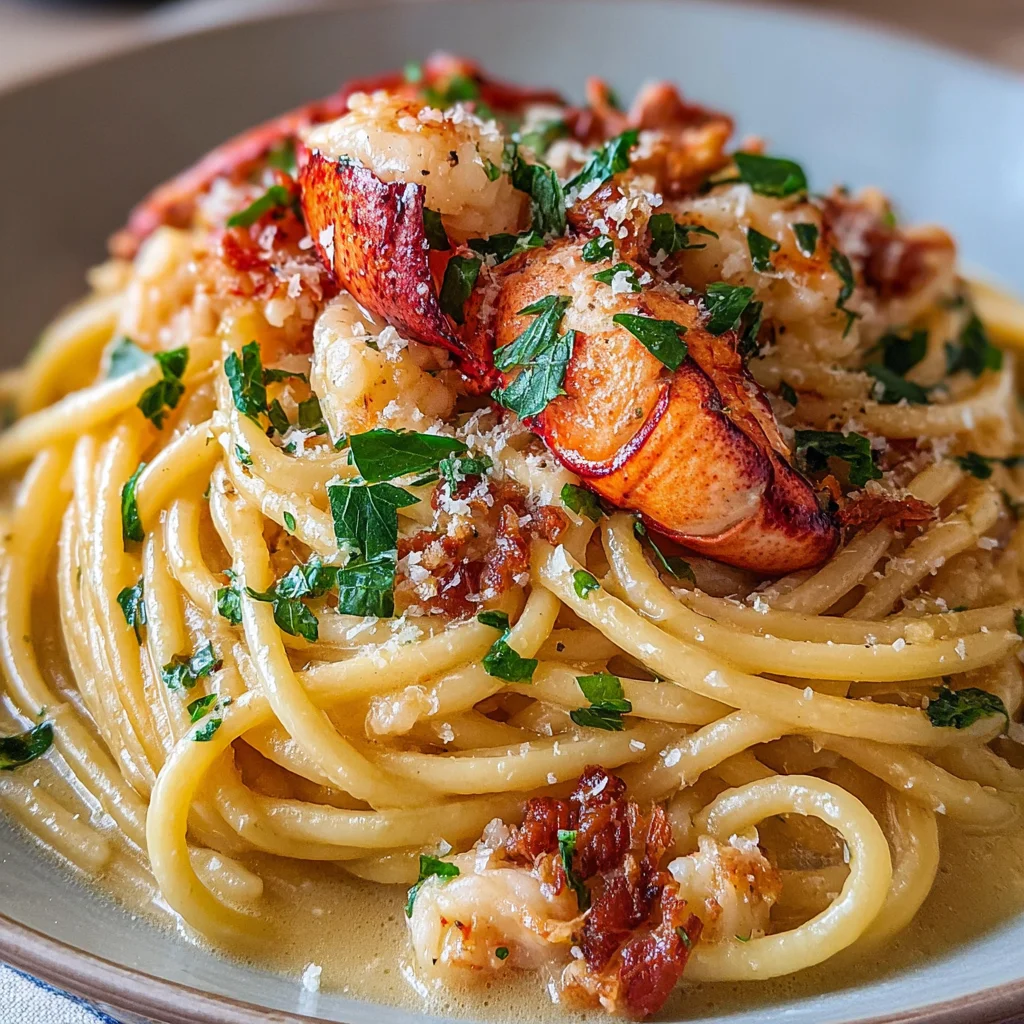
This opulent Lobster Bucatini brings the elegance of fine dining right to your kitchen. Succulent chunks of fresh lobster are nestled in a rich, creamy white wine sauce, perfectly coating al dente bucatini pasta. It's a truly indulgent dish that's surprisingly approachable, making any meal feel like a special occasion.
Prep Time
25 minutes
Cook Time
20 minutes
Total Time
45 minutes
Servings
3-4 servings
Keywords
Why This Recipe Delivers
- Indulgently rich and satisfying with gourmet flair.
- Surprisingly quick to prepare, perfect for weeknights or special occasions.
- Showcases tender, sweet lobster in a vibrant, aromatic sauce.
- Offers a delightful textural contrast with al dente bucatini.
- Impressive dish that's easier to make than it looks.
Ingredients
- 1 pound (450g) bucatini pasta – thick spaghetti with a hole
- 2 whole lobster tails – thawed if frozen (approx. 200-250g each)
- 4 tablespoons (60g) unsalted butter – divided
- 3 tablespoons (45ml) olive oil – extra virgin preferred
- 4 cloves garlic – minced finely
- 2 whole shallots – diced small
- ½ cup (120ml) dry white wine – such as Pinot Grigio or Sauvignon Blanc
- ½ cup (120ml) heavy cream – adds richness (at least 35% fat)
- 1 whole lemon – zest and juice from half
- ½ teaspoon (2.5g) crushed red pepper flakes – optional, for a subtle heat
- ¼ cup (10g) fresh parsley – chopped finely
- A handful (approx. 10-15 leaves) fresh basil leaves – torn
- Grated Parmesan cheese for serving
- Freshly ground black pepper – to taste
- Sea salt – for pasta water and seasoning
- Optional Add-Ins:
- 1 cup (150g) cherry tomatoes – halved
- 1 handful (50g) baby spinach – optional
- Roasted red peppers – sliced (about 100g)
- Shrimp (200g) or scallops (200g) – optional mix-ins, added with lobster or just before
Instructions
- Thaw the lobster tails completely if frozen. Using kitchen shears, carefully cut along the top of the shell down to the tail end, then gently pry open and remove the raw lobster meat. Cut the lobster meat into uniform bite-sized chunks, roughly 2-3 cm (1 inch) pieces, ensuring quick and even cooking. Set aside.
- Bring a large pot of heavily salted water to a rolling boil. Add the bucatini pasta and cook according to package directions until it's al dente, or slightly undercooked, as it will finish cooking in the sauce. Before draining, reserve approximately 250ml (1 cup) of the starchy pasta water; this liquid is crucial for emulsifying and loosening the sauce. Drain the pasta and set aside.
- While the pasta cooks, prepare the sauce base. In a large, deep skillet or Dutch oven, melt 2 tablespoons (30g) of the butter with the olive oil over medium heat. Add the finely minced garlic and diced shallots. Sauté gently for 3-5 minutes until translucent and fragrant, being careful not to brown the garlic.
- Deglaze the pan by pouring in the ½ cup (120ml) of dry white wine. Scrape up any browned bits from the bottom of the pan with a wooden spoon, allowing the alcohol to cook off and the liquid to reduce by about half, which concentrates the flavors into a fragrant base.
- Stir in the heavy cream, the zest and juice from half a lemon, and the optional crushed red pepper flakes. Bring the sauce to a gentle simmer, then reduce the heat to low. Allow it to simmer for about 2-3 minutes to slightly thicken.
- Increase the heat to medium-low. Add the prepared lobster pieces to the simmering sauce along with the remaining 2 tablespoons (30g) of butter. Gently sear the lobster for just 2-4 minutes, turning once, until the pieces turn opaque and are just cooked through. Be careful not to overcook, as lobster can quickly become rubbery. If using optional shrimp or scallops, add them now and cook until opaque, about 2-3 minutes.
- Add the drained bucatini pasta directly into the skillet with the lobster and sauce. Toss everything together, adding a splash of the reserved pasta water as needed to achieve a smooth, glossy sauce that evenly coats the pasta. If incorporating optional cherry tomatoes or baby spinach, add them now and toss until the spinach wilts slightly and tomatoes are warmed through.
- Stir in the freshly chopped parsley and torn basil leaves. Season generously with freshly ground black pepper and additional salt to taste, if necessary. Serve the Lobster Bucatini immediately in warm bowls, garnished with plenty of grated Parmesan cheese.
Tools You’ll Need
- Large pot for pasta
- Large, deep skillet or Dutch oven
- Whisk
- Wooden spoon or tongs
- Cutting board
- Sharp knife
- Citrus zester/grater
- Kitchen shears (for lobster)
- Measuring cups and spoons
Essential Success Tips
- Do not overcook the lobster; it cooks very quickly and can become tough if left on the heat for too long.
- Always salt your pasta water generously; it's the only chance to season the pasta itself.
- Reserve plenty of pasta water. It's liquid gold for adjusting the sauce's consistency and helping it emulsify.
- Use good quality dry white wine; it truly enhances the depth of flavor in the sauce.
- Finish the dish by tossing the pasta directly in the sauce, allowing it to absorb the flavors and creating a cohesive meal.
Professional Cooking Secrets
- For an even richer sauce, infuse the cream before adding it: gently heat the cream with a bay leaf and a few black peppercorns, then strain before adding to the pan.
- To extract maximum flavor from the lemon, zest it first, then roll it firmly on the counter before cutting and juicing. This helps release more juice.
- When searing the lobster, ensure your pan isn't overcrowded. Cook in batches if necessary to achieve a proper sear, otherwise, the lobster will steam instead of brown.
Notes
- Storage: Leftovers can be stored in an airtight container in the refrigerator for up to 1 day. Reheat gently on the stovetop with a splash of water or broth to loosen the sauce.
- Variations: For a spicier kick, increase the red pepper flakes. You can also add a pinch of saffron threads with the white wine for an extra layer of luxury and color.
- Gluten-Free: Use your favorite gluten-free bucatini or other pasta shape to make this dish suitable for those with gluten sensitivities.
Frequently Asked Questions
Can I use frozen lobster tails for this recipe?
Yes, absolutely! Just ensure they are fully thawed in the refrigerator overnight or under cold running water before preparing them. Properly thawed frozen lobster works beautifully.
What kind of white wine is best for the sauce?
A dry white wine like Pinot Grigio, Sauvignon Blanc, or unoaked Chardonnay works best. Avoid sweet wines as they can alter the flavor profile of the delicate lobster sauce.
Can I prepare any part of this dish ahead of time?
While the dish is best enjoyed fresh, you can mince the garlic and dice the shallots ahead of time and store them in the refrigerator. The lobster should be cooked just before serving.
Nutrition Facts (Per Serving)
Calories: 680, Protein: 45g, Fat: 35g, Carbs: 50g
Allergy Information
Contains shellfish (lobster), dairy (butter, heavy cream, Parmesan). For a dairy-free version, use plant-based butter and a suitable dairy-free cream alternative. This dish also contains gluten from the bucatini pasta; use gluten-free pasta for a gluten-free option.


No comment