
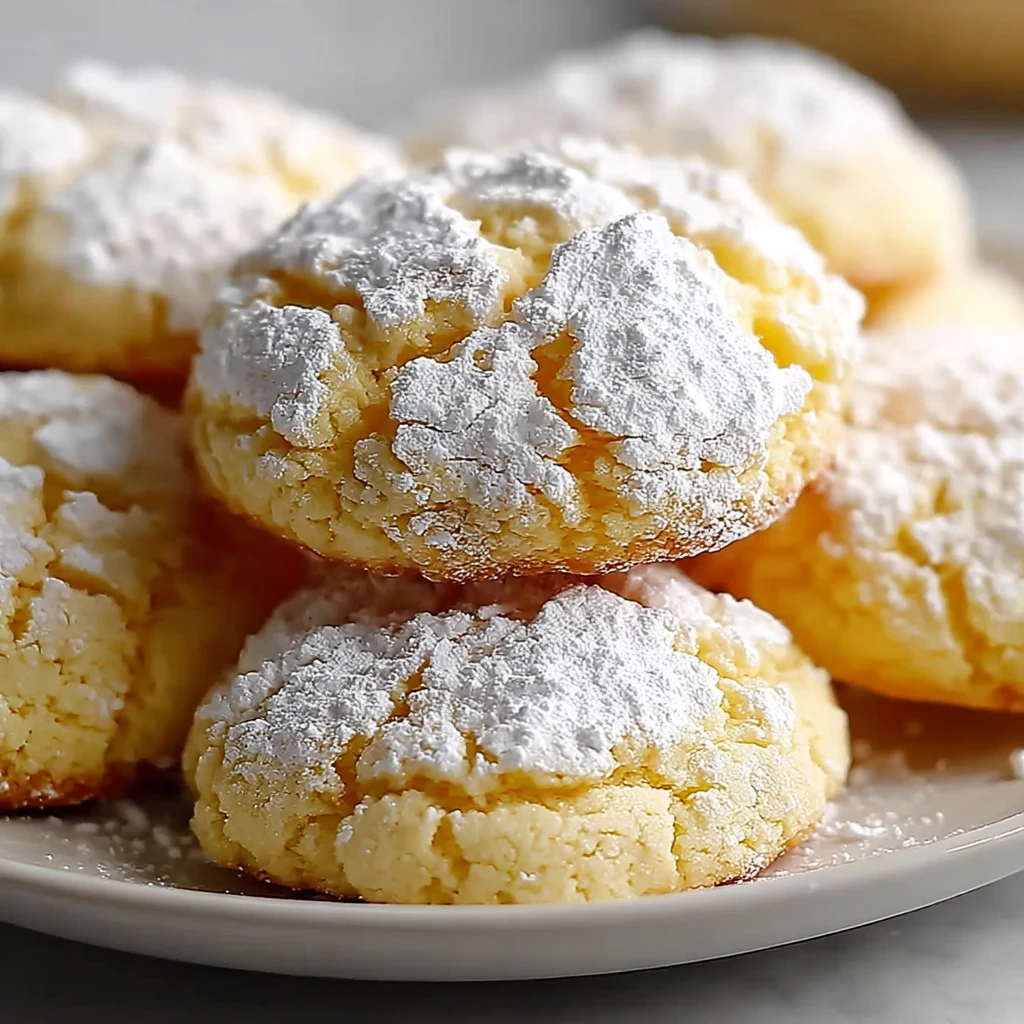
Classic Soft Sugar Cookies
Indulge in the timeless delight of these Classic Soft Sugar Cookies, a recipe perfected to deliver a melt-in-your-mouth texture with every bite. Featuring a delicate balance of granulated and powdered sugars, these cookies boast a tender crumb and a subtly sweet flavor that makes them utterly irresistible. Perfect for any occasion, from festive gatherings to a cozy afternoon treat, they're sure to become a cherished favorite.
Prep Time
20 minutes
Cook Time
10-12 minutes
Total Time
Approximately 45 minutes (including cooling)
Servings
Makes approximately 24-30 cookies
Keywords
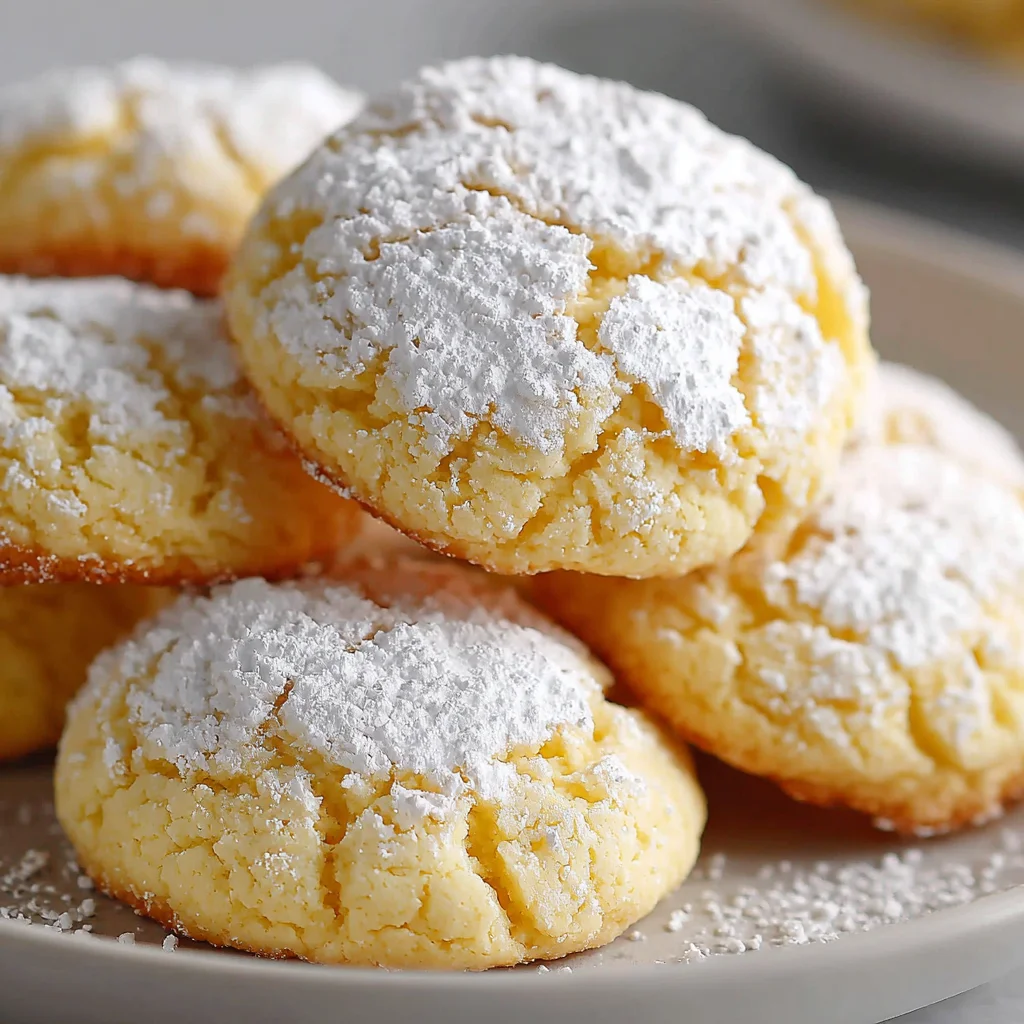
Why This Recipe Delivers
- Achieve an irresistibly soft and tender crumb with every bite.
- Features a delicate balance of sweetness, perfect for any palate.
- A classic, comforting treat that appeals to all ages.
- Relatively simple to prepare, making it ideal for bakers of all skill levels.
- Versatile for decorating or enjoying plain, fresh from the oven.
Ingredients
- Dry Ingredients
- 300g (2 ⅛ cups) all-purpose flour
- 2.5g (½ teaspoon) baking soda
- 2.5g (½ teaspoon) fine salt
- Wet Ingredients
- 227g (1 cup / 2 sticks) unsalted butter, softened to room temperature
- 130g (⅔ cup) granulated sugar
- 85g (¾ cup) powdered sugar
- 1 large egg
- 5ml (1 teaspoon) vanilla extract
- For Rolling
- 50g (¼ cup) granulated sugar
Instructions
- Preheat your oven to 175°C (350°F). Line two baking sheets with parchment paper or silicone baking mats. This crucial step ensures uniform heat distribution and prevents the cookies from sticking, resulting in perfectly baked bottoms.
- In a medium-sized bowl, meticulously whisk together the all-purpose flour, baking soda, and fine salt. This dry ingredient mixture is vital for evenly distributing the leavening agents and salt, which are essential for the cookie's rise and balanced flavor profile.
- In a large mixing bowl, using an electric mixer, beat the softened unsalted butter with both the granulated sugar and powdered sugar on medium-high speed for approximately 3-4 minutes, until the mixture becomes notably light, fluffy, and pale in color. This creaming process incorporates a significant amount of air, which is fundamental to achieving the characteristic soft and tender texture of the cookies.
- Reduce the mixer speed to low, then add the large egg and vanilla extract. Beat until they are just thoroughly combined into the butter mixture. Avoid overmixing at this stage to prevent excess air incorporation, which can lead to a tougher cookie.
- Gradually incorporate the whisked dry ingredients into the wet mixture. Mix on low speed, or by hand with a spatula, just until the flour streaks disappear and the dough is combined. It's imperative not to overmix the dough, as excessive gluten development will result in tough, rather than tender, cookies.
- Scoop the cookie dough into uniform 1.5-tablespoon-sized balls. Roll each ball completely in the additional granulated sugar provided for coating. This outer sugar layer not only adds a beautiful sparkle but also creates a delightful, subtle crunch on the exterior, contrasting with the soft interior.
- Arrange the sugar-coated dough balls on the prepared baking sheets, ensuring they are spaced about 5 cm (2 inches) apart to allow for proper spreading during baking. Gently press down on each ball with the bottom of a glass or the palm of your hand to slightly flatten them. This helps the cookies bake more evenly and achieve their classic flat, round shape.
- Bake the cookies in the preheated oven for 10-12 minutes. The ideal doneness is when the edges appear set and are just beginning to turn a very light golden brown, while the centers still look slightly soft and perhaps a touch underbaked. This ensures the cookies remain incredibly soft and chewy once cooled.
- Once removed from the oven, allow the cookies to cool undisturbed on the baking sheets for 5 minutes. This crucial resting period allows them to firm up slightly without becoming brittle. After 5 minutes, carefully transfer them to a wire rack to cool completely, ensuring air circulation all around for the best texture.
Tools You’ll Need
- Electric mixer (stand mixer or hand mixer)
- Large mixing bowls
- Medium mixing bowl
- Whisk
- Rubber spatula
- Measuring cups and spoons
- Baking sheets
- Parchment paper or silicone baking mats
- Cookie scoop (1.5 tablespoon capacity)
- Wire cooling rack
Essential Success Tips
- Ensure your butter is truly at room temperature (soft enough to indent with a finger, but not melted) for optimal creaming and texture.
- Measure your flour accurately, preferably by weight (grams), to prevent adding too much, which can result in dry cookies.
- Do not overmix the dough after adding the dry ingredients; mix just until combined to keep the cookies tender.
- Pressing the dough balls slightly before baking helps them spread evenly and bake uniformly.
- For the softest cookies, remove them from the oven when the edges are barely golden and the centers still look slightly underbaked. They will continue to set as they cool.
Professional Cooking Secrets
- To intensify the vanilla flavor, consider using vanilla bean paste instead of extract. Its specks also add a gourmet touch.
- For an extra layer of flavor complexity, try browning a portion of your butter before creaming it. Allow it to cool and solidify slightly before use, then proceed as usual. This adds a nutty, rich depth.
- Chill your dough for 30 minutes to an hour before rolling. This helps prevent spreading, makes the dough easier to handle, and can result in a thicker, chewier cookie.
Notes
- Storage: Store cooled cookies in an airtight container at room temperature for up to 5-7 days. For longer storage, freeze baked cookies for up to 3 months; thaw at room temperature.
- Variations: Feel free to add a touch of almond extract for a different flavor profile, or decorate with royal icing or sprinkles once completely cooled for festive occasions.
Frequently Asked Questions
Why are my sugar cookies spreading too much?
Over-softened butter, an oven that isn't hot enough, or too much flour can all contribute to excessive spreading. Ensure butter is just room temperature, preheat your oven fully, and measure flour precisely.
Can I make the dough ahead of time?
Yes, the cookie dough can be prepared and stored, tightly wrapped, in the refrigerator for up to 3 days. Allow it to come to room temperature slightly before rolling and baking.
How do I get perfectly round cookies?
Using a cookie scoop helps with uniform size. After baking, if some cookies have irregular edges, you can gently reshape them using a large round cookie cutter or the rim of a glass while they are still warm and pliable on the baking sheet.
Nutrition Facts (Per Serving)
Per cookie (estimated): Calories: 180, Protein: 2g, Fat: 10g, Saturated Fat: 6g, Carbohydrates: 20g, Sugar: 13g, Sodium: 90mg.
Allergy Information
Contains dairy (butter) and gluten (wheat flour), and egg. For a dairy-free version, use a plant-based butter substitute. For a gluten-free option, use a 1:1 gluten-free baking flour blend, ensuring it contains xanthan gum.



No comment