
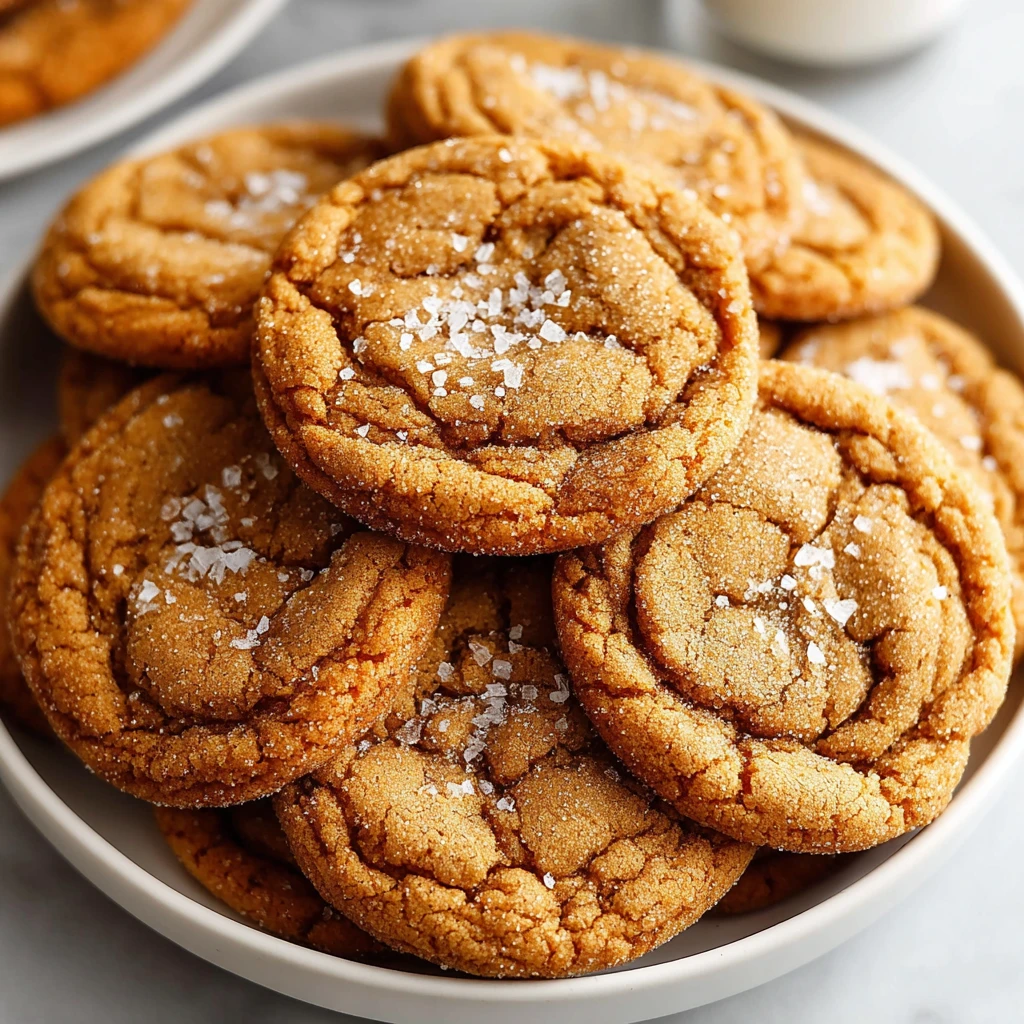
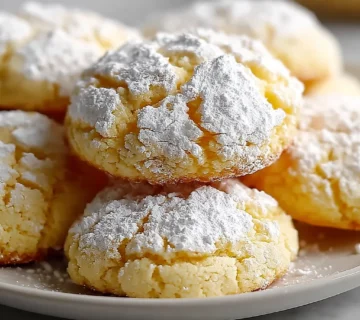
Chewy Brown Sugar Cookies
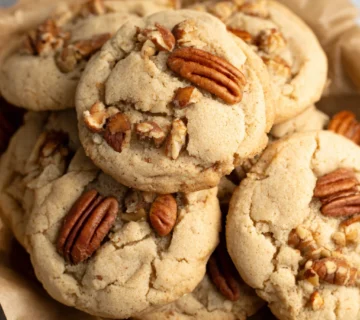
Indulge in the ultimate comfort with these classic chewy brown sugar cookies. Perfectly golden at the edges with a soft, pliable center, each bite melts in your mouth with rich, caramelized sweetness. They are incredibly simple to prepare, making them an ideal treat for any occasion, from casual snacking to elegant dessert platters.
Prep Time
20 minutes
Cook Time
9-11 minutes
Total Time
Approximately 1 hour (includes chilling time)
Servings
Makes approximately 24 cookies
Keywords
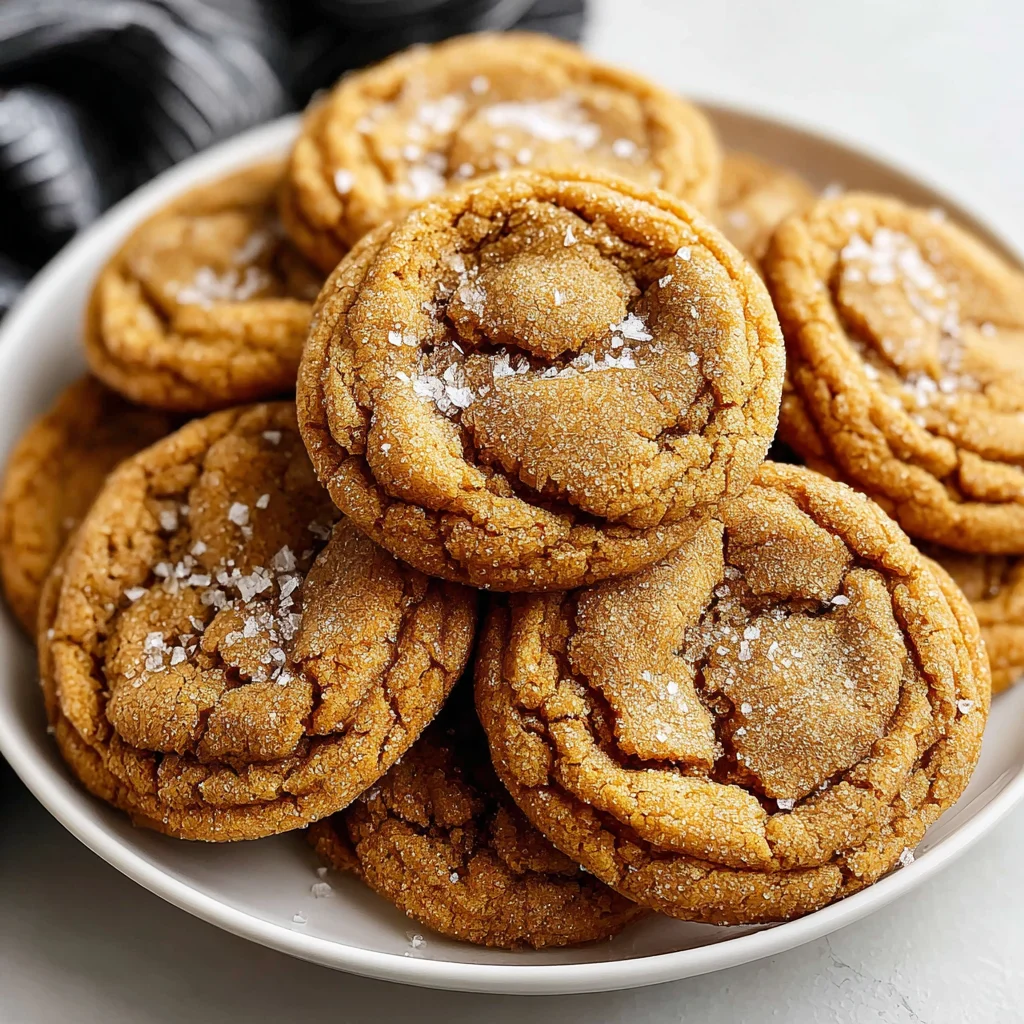
Why This Recipe Delivers
- Delivers an irresistible chewy texture with perfectly crisp edges.
- Boasts a rich, deep caramel flavor from the generous amount of brown sugar.
- Requires minimal effort and basic pantry staples, making it a go-to recipe.
- A timeless classic that pleases everyone, from kids to adults.
- Versatile for any occasion, from a quick snack to a delightful party treat.
Ingredients
- 226 grams (1 cup) Unsalted Butter, softened
- 330 grams (1 ½ cups) Light Brown Sugar, packed
- 50 grams (¼ cup) Granulated Sugar
- 1 Large Egg
- 1 Egg Yolk
- 10 milliliters (2 teaspoons) Vanilla Extract
- 240 grams (2 cups) All-Purpose Flour
- 5 grams (1 teaspoon) Baking Soda
- 2.5 grams (½ teaspoon) Salt
Instructions
- Preheat your oven to 175°C (350°F). Prepare two large baking sheets by lining them with parchment paper. This prevents sticking and ensures easy removal.
- In a spacious mixing bowl, cream together the softened unsalted butter, light brown sugar, and granulated sugar. Beat with an electric mixer on medium-high speed until the mixture is light in color and fluffy in texture, which usually takes about 2-3 minutes. This aeration is key for a tender cookie.
- Add the large egg and then the egg yolk, one at a time, beating well after each addition to fully incorporate them into the sugar mixture. Stir in the vanilla extract until just combined. Overmixing at this stage can introduce too much air, leading to a cakier texture.
- In a separate medium-sized bowl, whisk together the all-purpose flour, baking soda, and salt. Ensure these dry ingredients are thoroughly combined to distribute the leavening agent evenly throughout the dough.
- Gradually add the dry ingredients to the wet ingredients. Mix on low speed or by hand with a spatula until just combined. Be careful not to overmix; overworking the gluten in the flour can result in tough cookies.
- Cover the cookie dough with plastic wrap and chill it in the refrigerator for a minimum of 30 minutes, or up to 2 hours. Chilling helps the flavors meld, prevents the cookies from spreading too much, and results in a chewier texture.
- Once the dough is chilled, scoop rounded balls of dough, approximately 30 grams (1.5 tablespoons) each, and place them on the prepared baking sheets. Arrange them about 5 centimeters (2 inches) apart to allow for spreading during baking.
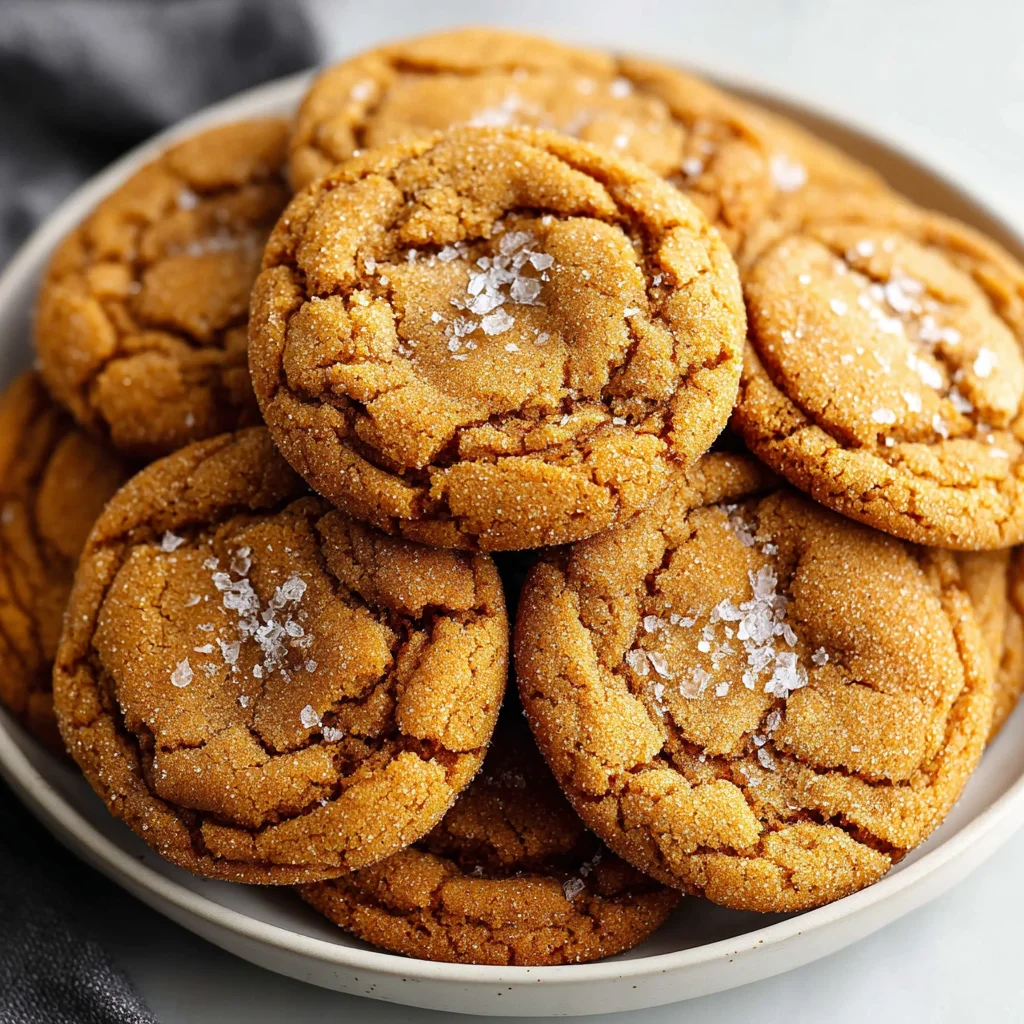
- Bake the cookies for 9-11 minutes, or until the edges appear golden brown and set, but the centers still look slightly soft and underbaked. This ensures a perfectly chewy interior.
- Remove the baking sheets from the oven and allow the cookies to cool directly on the sheets for 5 minutes. This crucial step allows them to finish setting and firm up. After 5 minutes, carefully transfer the cookies to a wire rack to cool completely. Enjoy their rich, buttery goodness!
Tools You’ll Need
- Large mixing bowls
- Electric hand mixer or stand mixer
- Whisk
- Rubber spatula
- Measuring cups and spoons (or kitchen scale)
- Parchment paper
- Baking sheets
- Cookie scoop (optional, but recommended)
- Wire cooling rack
Essential Success Tips
- Ensure your butter and egg are at true room temperature. This allows them to cream together properly with the sugars, creating a smooth emulsion that traps air for a lighter texture and prevents a greasy final product.
- Do not overmix the flour. Once the dry ingredients are just incorporated, stop mixing. Overmixing develops the gluten too much, leading to tough and less chewy cookies.
- Chilling the dough is a non-negotiable step for achieving the best texture and preventing excessive spreading. It allows the butter to re-solidify and the flavors to deepen.
- Bake until the edges are golden, but the centers still look slightly underbaked. They will continue to cook and set on the hot baking sheet once removed from the oven, ensuring a perfectly chewy interior.
- Use a kitchen scale for precise measurements, especially for flour, sugar, and butter. This eliminates inconsistencies that can arise from different packing methods with measuring cups.
Professional Cooking Secrets
- One Pro Secret: For an even deeper caramel note, slightly brown a portion of your butter before creaming. Allow it to cool slightly, then combine with the remaining softened butter. This adds a nutty, complex flavor dimension.
- Another Pro Secret: A pinch of cinnamon or a tiny dash of molasses can enhance the brown sugar flavor, adding warmth and depth without overpowering the cookie. Start with ¼ teaspoon of cinnamon or ½ teaspoon of molasses.
- Third Pro Secret: For extra chewiness, use a combination of bread flour and all-purpose flour. The higher protein content in bread flour contributes to a chewier crumb, mimicking professional bakery results.
Notes
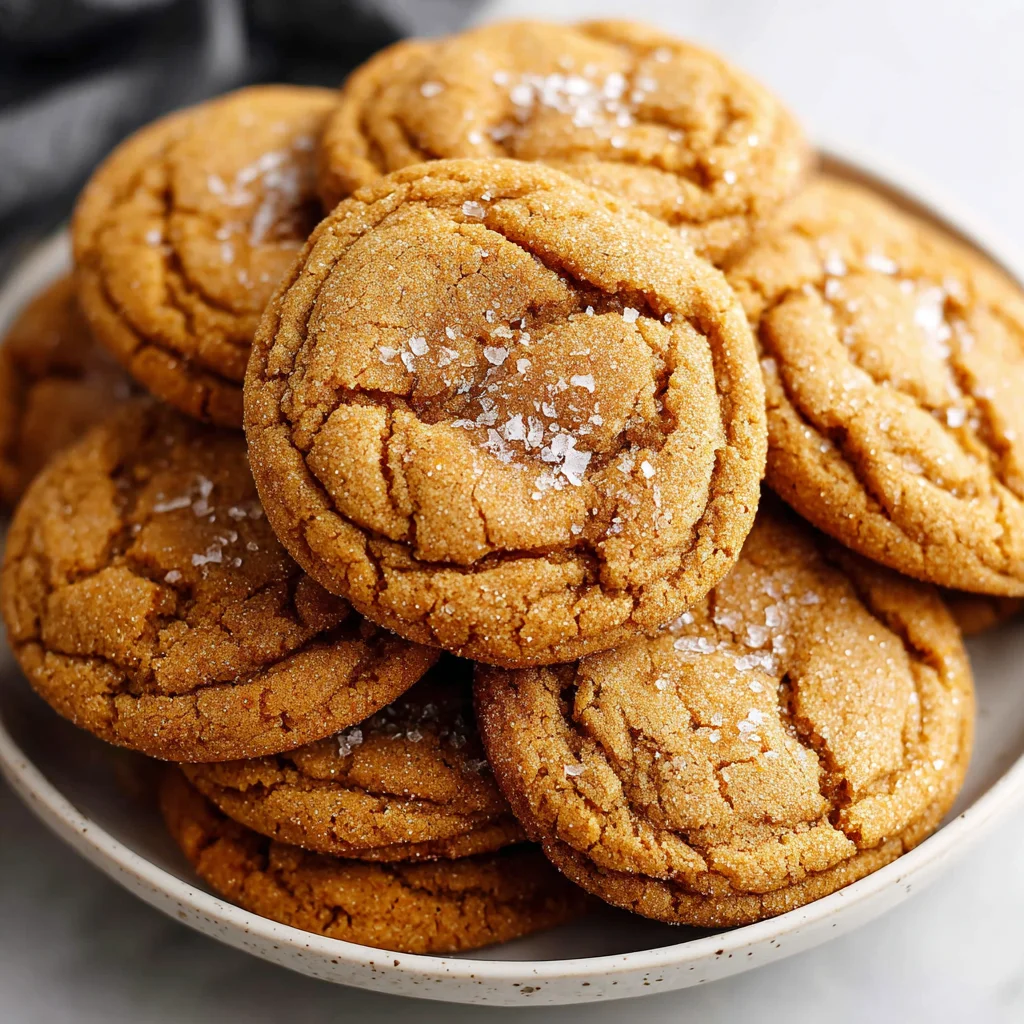
- Storage: Store cooled cookies in an airtight container at room temperature for up to 5-7 days. For longer storage, freeze baked cookies for up to 3 months. Thaw at room temperature.
- Dough Freezing: You can freeze scooped cookie dough balls. Place them on a baking sheet to freeze solid, then transfer to a freezer-safe bag. Bake from frozen, adding 2-3 minutes to the baking time.
- Variations: Feel free to add 170 grams (1 cup) of chocolate chips, toffee bits, or chopped nuts to the dough for added texture and flavor.
Frequently Asked Questions
Why did my cookies spread too much?
Excessive spreading is often due to butter being too warm, not chilling the dough long enough, or using too much baking soda. Ensure your butter is softened, not melted, and always chill the dough for at least 30 minutes.
Can I make these cookies gluten-free?
Yes, you can substitute the all-purpose flour with a 1:1 gluten-free baking blend that contains xanthan gum. The texture might be slightly different, but the flavor will remain delicious.
What's the difference between light and dark brown sugar in cookies?
Light brown sugar, used in this recipe, has a milder molasses content, contributing to a softer, chewier texture and a subtle caramel flavor. Dark brown sugar has more molasses, resulting in a deeper, more intense caramel flavor and a slightly denser, moister cookie.
Nutrition Facts (Per Serving)
Per cookie (estimated): Calories: 180, Protein: 2g, Fat: 10g, Saturated Fat: 6g, Cholesterol: 35mg, Carbs: 22g, Sugars: 15g, Fiber: 0g, Sodium: 100mg.
Allergy Information
Contains dairy, eggs, and gluten. For a dairy-free version, use a high-quality plant-based butter substitute. For a gluten-free version, substitute with a gluten-free all-purpose flour blend. Always check ingredient labels for hidden allergens.



No comment