
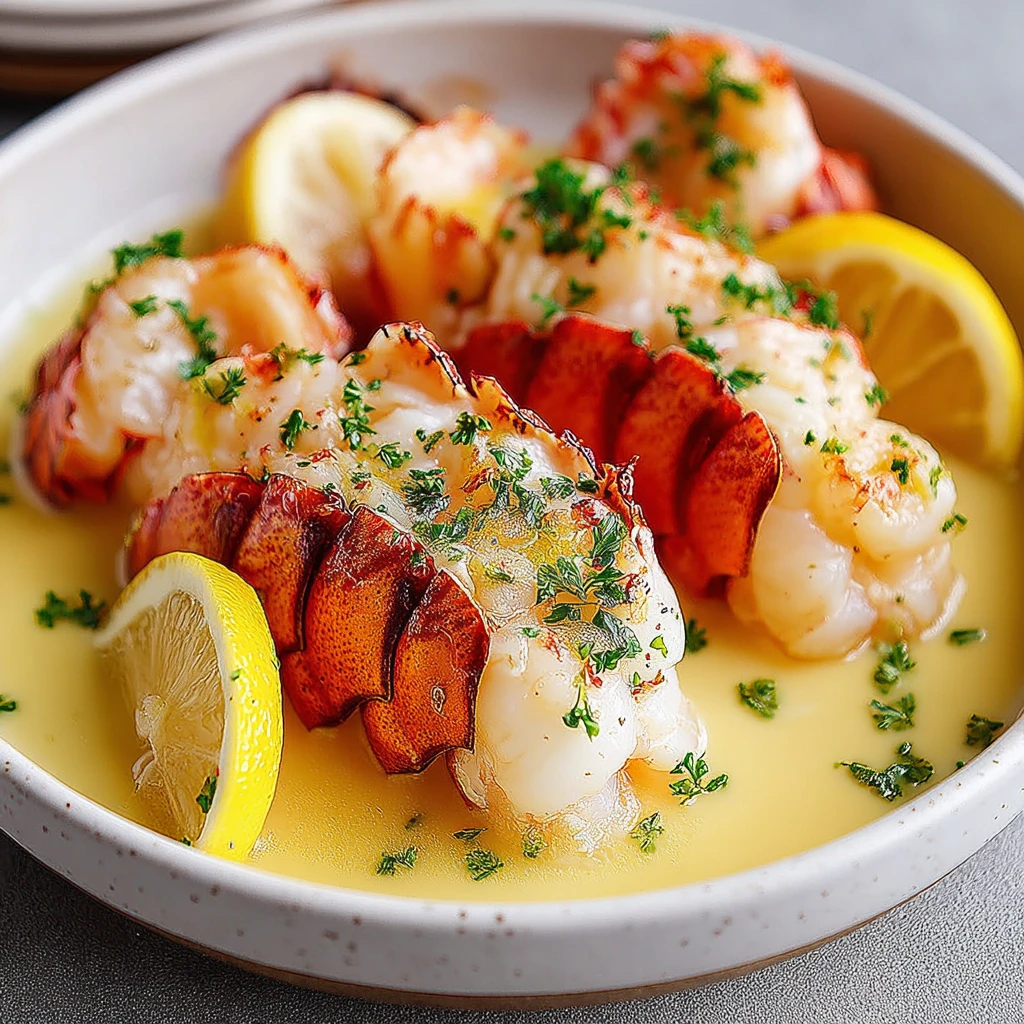
Butter Poached Lobster Tails Recipe
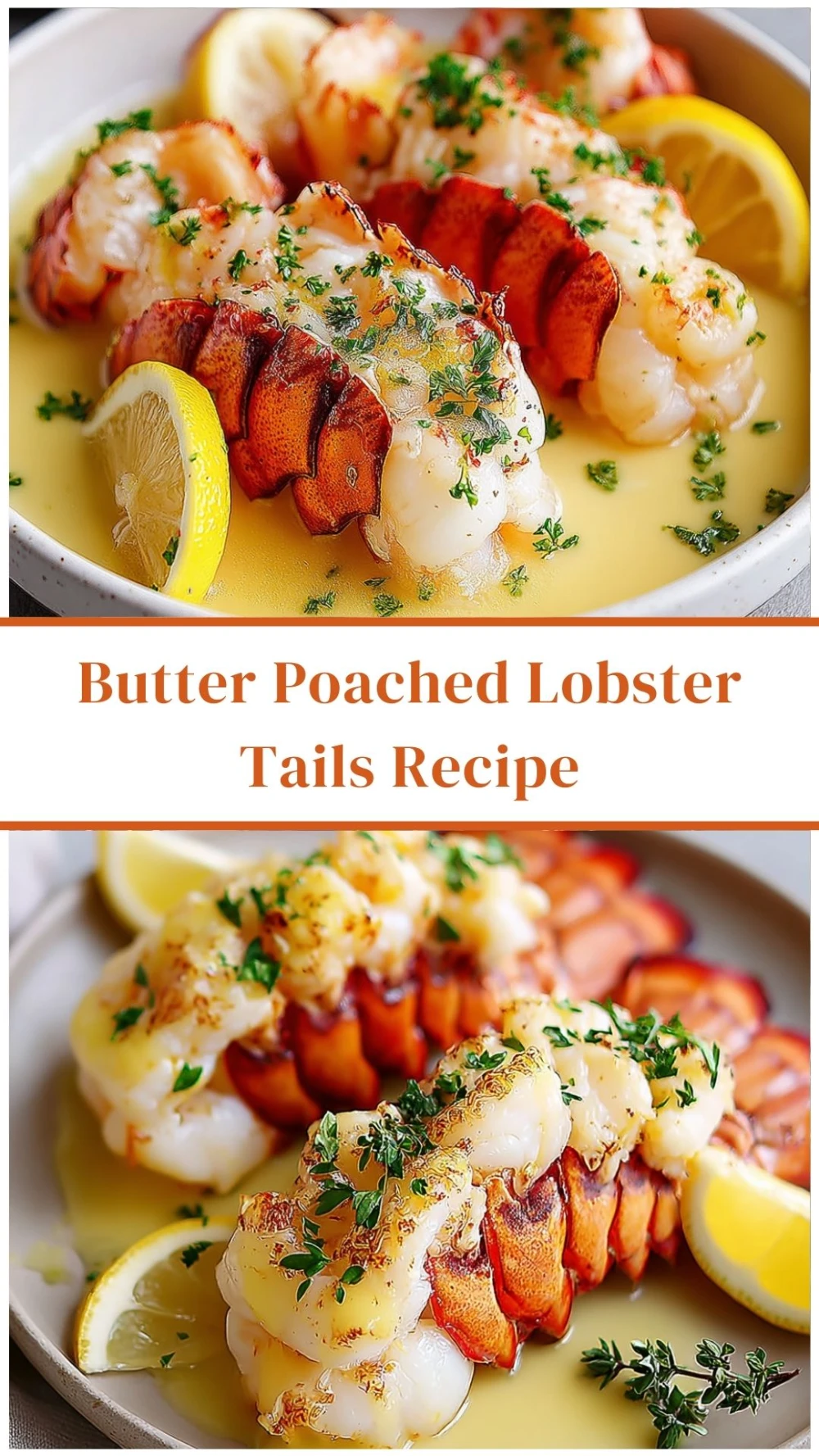
Indulge in the unparalleled luxury of perfectly butter-poached lobster tails. This method yields exceptionally tender, succulent lobster infused with rich butter, bright lemon, and aromatic garlic and herbs, creating an unforgettable gourmet experience. It's surprisingly simple to prepare, making an elegant statement for any special occasion.
Prep Time
15 minutes
Cook Time
10 minutes
Total Time
25 minutes
Servings
4 servings
Keywords
Why This Recipe Delivers
- Achieves incredibly tender and succulent lobster meat every time.
- Infuses rich, aromatic butter flavor deep into the lobster.
- Elevates a simple ingredient into a truly gourmet experience with minimal effort.
- Impressively elegant presentation perfect for special occasions.
- A quick cooking method that preserves the delicate texture of lobster.
Ingredients
- 4 lobster tails (approximately 450-500g / 1 pound total)
- 226 grams (1 cup) unsalted butter
- 30 milliliters (2 tablespoons) fresh lemon juice
- 2 cloves garlic, minced
- 5 grams (1 tablespoon) fresh parsley or thyme, finely chopped (for garnish and infusion)
- Pinch of sea salt, to taste
- Pinch of white pepper, to taste
Instructions
- Begin by ensuring your lobster tails are fully thawed. Using sharp kitchen shears, carefully cut down the center of the top shell of each lobster tail, from the wide end down to the tail fins. Gently open the shell and loosen the meat from the shell, leaving it attached at the base of the tail. This 'butterfly' presentation helps the lobster cook evenly and absorb more butter.
- In a small, heavy-bottomed saucepan, melt the 226 grams (1 cup) of unsalted butter over very low heat. It is crucial not to brown the butter; we want it to remain a clear, golden liquid. Once melted, stir in the minced garlic and half of the fresh parsley or thyme. Allow the garlic and herbs to gently infuse for 2-3 minutes on the low heat, enhancing the aroma and flavor of the butter.
- Remove the saucepan from the heat. Stir in the 30 milliliters (2 tablespoons) of fresh lemon juice. The acidity from the lemon juice brightens the rich butter flavor and provides a lovely counterpoint to the lobster, preventing the dish from feeling too heavy.
- Carefully submerge the prepared lobster tails into the warm, infused butter mixture. Ensure the lobster meat is fully covered by the butter. Cover the saucepan with a lid and return it to the lowest heat setting. Cook for 8-10 minutes, or until the lobster meat turns opaque and reaches an internal temperature of 60°C (140°F) when measured with an instant-read thermometer in the thickest part of the tail. Avoid overcooking, as this will make the lobster tough.
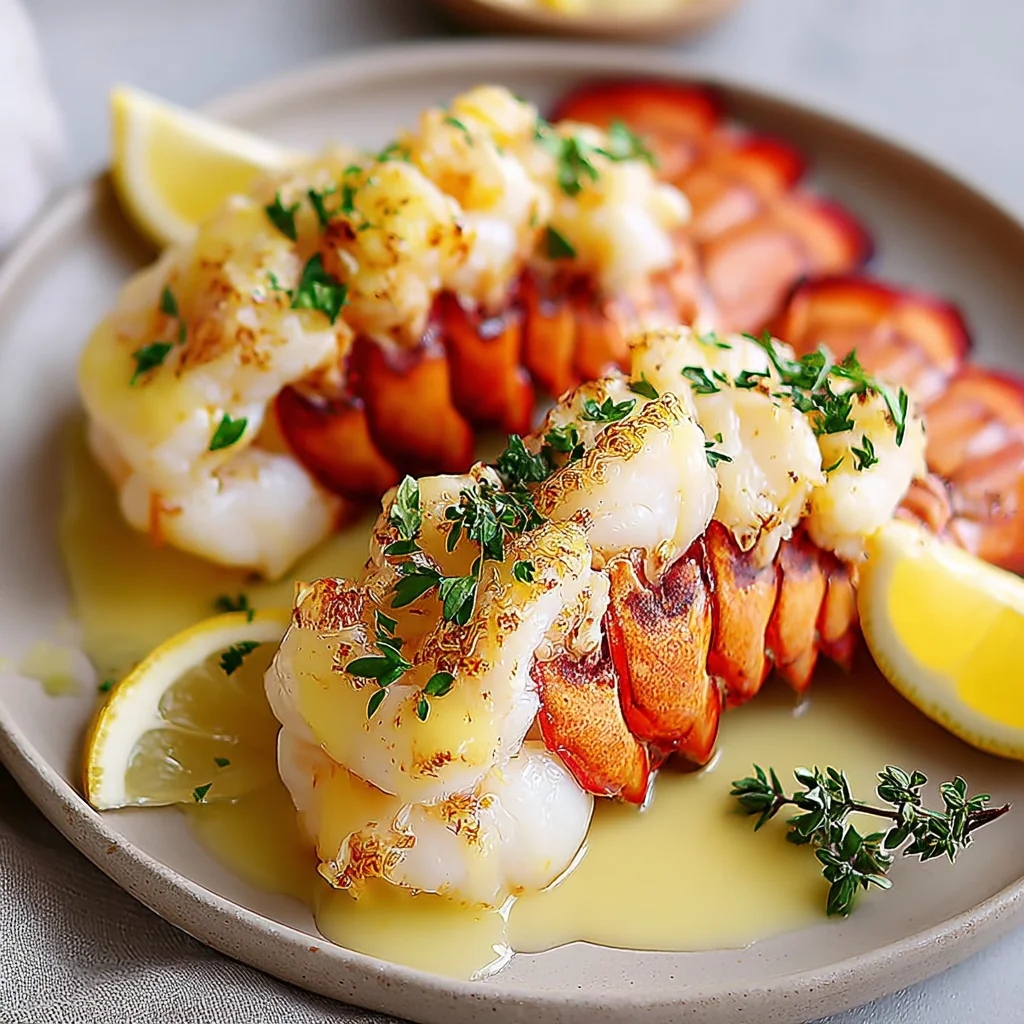
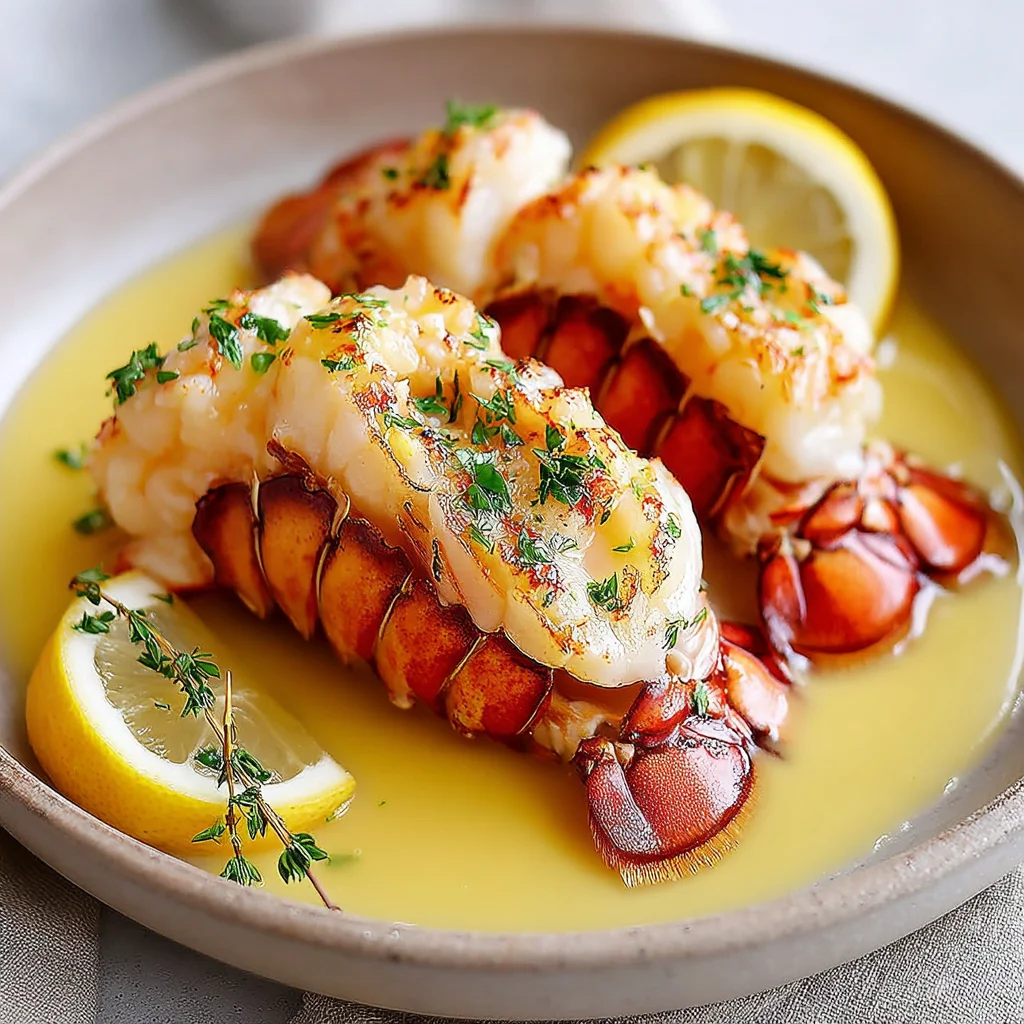
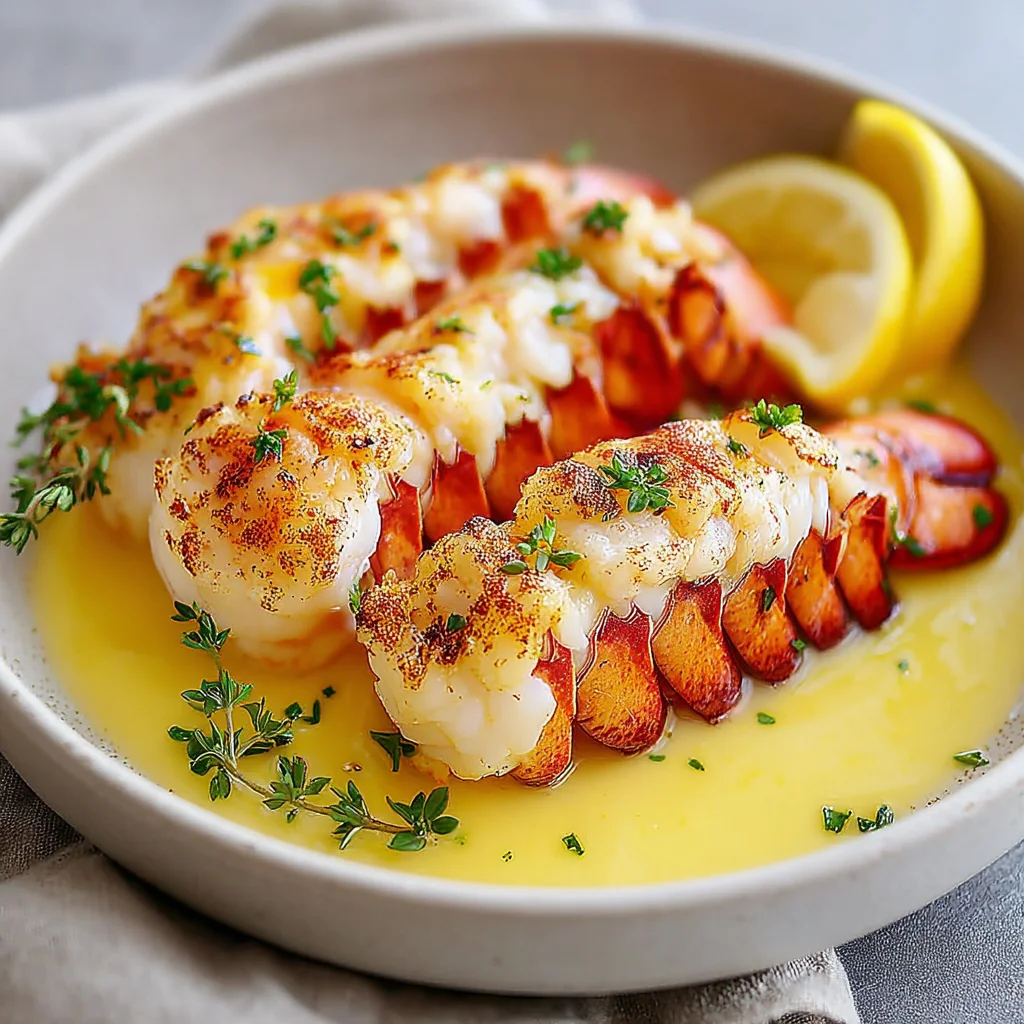
- Carefully remove the tender lobster tails from the saucepan using tongs. Arrange them on serving plates. Generously spoon additional warm butter sauce from the pan over each lobster tail. Garnish with the remaining fresh parsley or thyme for a final touch of color and aroma. Serve immediately with your favorite accompaniments.
Tools You’ll Need
- Small saucepan
- Sharp kitchen shears
- Instant-read thermometer
- Tongs
- Small whisk (optional, for mixing butter sauce)
- Measuring cups and spoons
Essential Success Tips
- Always thaw lobster tails completely before poaching for even cooking.
- Maintain very low heat when melting and poaching in butter to prevent scorching or toughening the lobster.
- Use an instant-read thermometer to ensure perfect doneness and avoid overcooking, which is the biggest culprit for tough lobster.
- For the cleanest flavor, use high-quality unsalted butter and fresh lemon juice.
- Don't discard the poaching butter! It's delicious drizzled over the cooked lobster or for dipping.
Professional Cooking Secrets
- To achieve a purer butter flavor for poaching, you can clarify the butter first by gently melting it and skimming off the milk solids. This results in a cleaner poaching medium and a more elegant sauce.
- Consider adding a tiny splash of dry white wine or a few saffron threads to the butter infusion for an added layer of sophisticated flavor.
- Serve the lobster immediately with warm plates to maintain optimal temperature and enjoyment, as poached lobster can cool quickly.
Notes
- Storage: Leftover lobster meat can be stored in an airtight container in the refrigerator for up to 2 days. It's best enjoyed cold in salads or sandwiches.
- Variations: For a touch of heat, add a pinch of red pepper flakes to the butter infusion. For a different aromatic profile, try fresh dill or chives instead of parsley or thyme.
- Serving Suggestions: This dish pairs beautifully with a light risotto, steamed asparagus, or a simple green salad. Crusty bread is excellent for soaking up the leftover butter sauce.
Frequently Asked Questions
Can I use frozen lobster tails directly?
No, it is critical to fully thaw lobster tails before poaching. Poaching frozen lobster tails will result in uneven cooking, with the outside potentially overcooked before the inside is done.
How do I know if my lobster tails are cooked perfectly?
The most reliable way is using an instant-read thermometer. The internal temperature should reach 60°C (140°F). Visually, the meat will turn opaque and white, losing its translucent quality. Overcooked lobster will be rubbery and tough.
Can I prepare the butter sauce in advance?
You can melt and infuse the butter with garlic and herbs a few hours ahead and keep it at room temperature. Reheat gently over very low heat just before adding the lemon juice and poaching the lobster.
Nutrition Facts (Per Serving)
Calories: 380, Protein: 28g, Fat: 30g, Carbs: 2g (approximate per serving, excludes garnish)
Allergy Information
Contains shellfish (lobster) and dairy (butter). Individuals with allergies to these ingredients should avoid this dish. For a dairy-free version, a plant-based butter substitute could be used, but the flavor profile will differ slightly.


No comment