
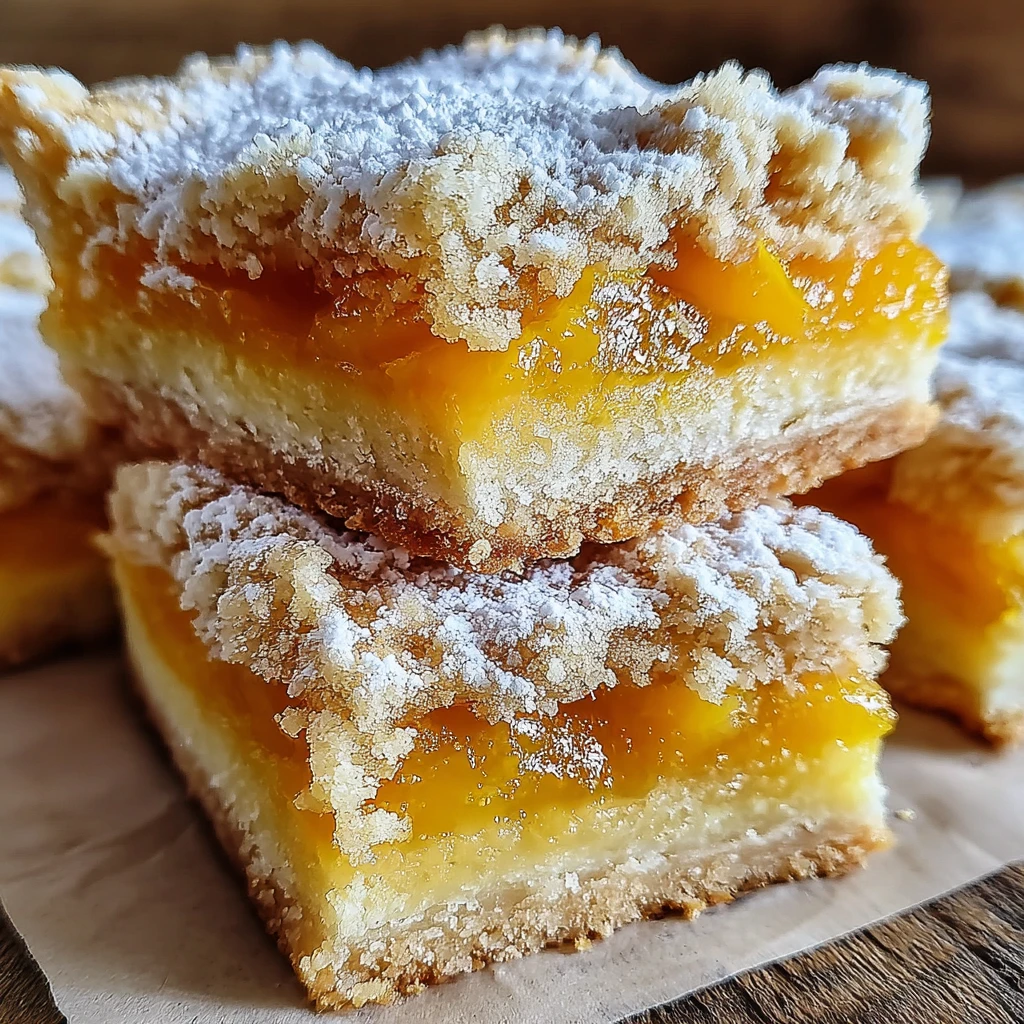
Apricot Shortbread Bars Recipe
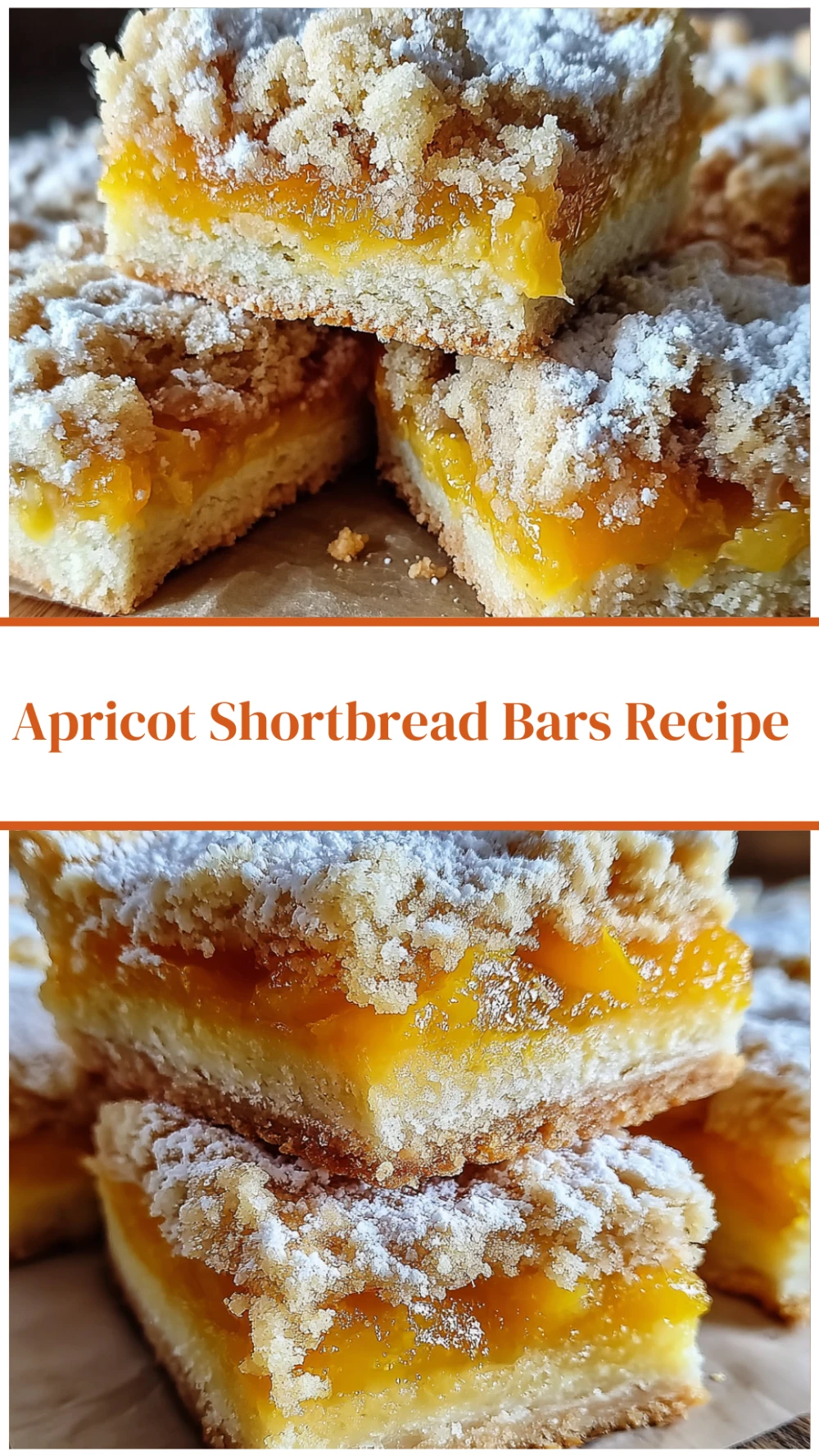
These Apricot Shortbread Bars offer a delightful blend of buttery, tender shortbread and a luscious, tangy apricot filling. A truly comforting treat, they feature a crisp, golden crust enveloping a soft, fruity center, making them perfect for any occasion from afternoon tea to dessert. Each bite delivers a perfect balance of sweetness and a hint of tartness, making them irresistible.
Prep Time
30 minutes
Cook Time
30-35 minutes
Total Time
1 hour to 1 hour 5 minutes, plus cooling time
Servings
Makes 12-16 bars
Keywords
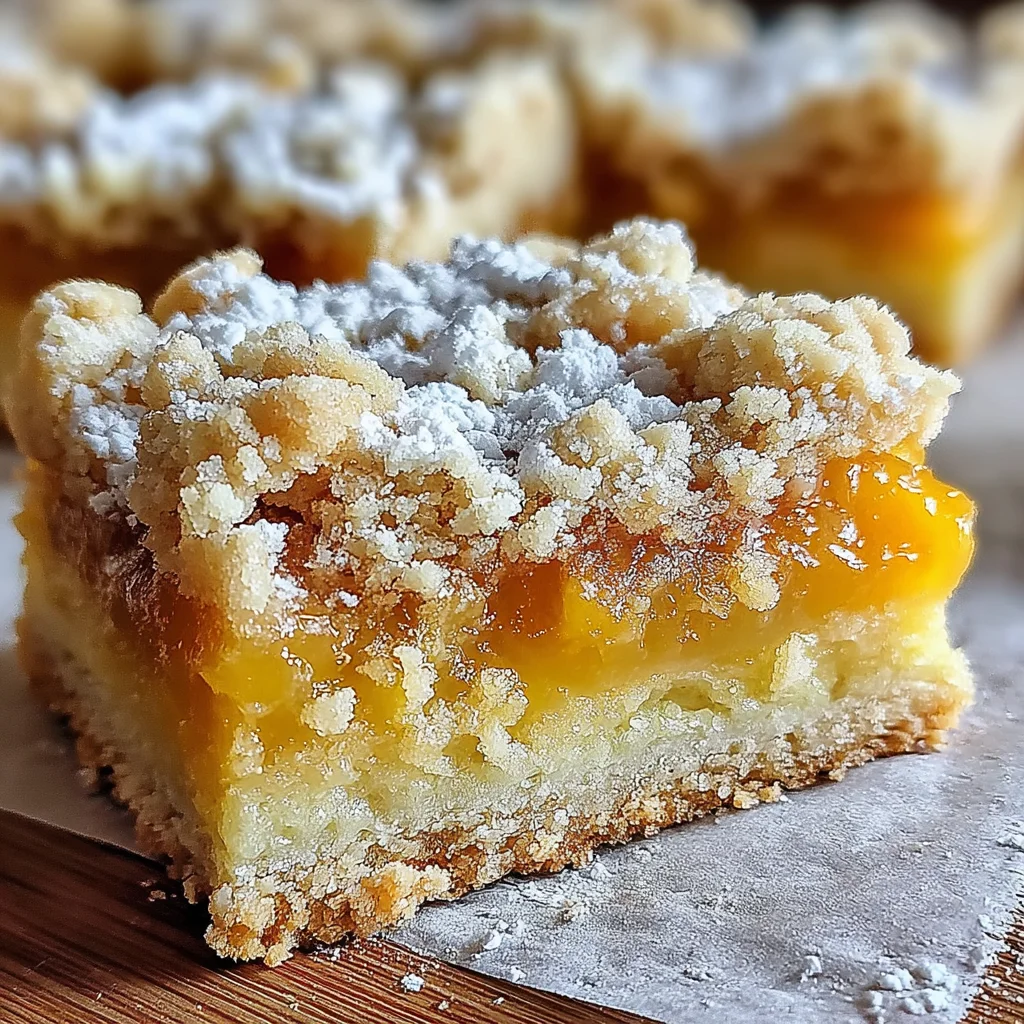
Why This Recipe Delivers
- Features a perfect balance of buttery, tender shortbread and a vibrant, tangy apricot filling.
- Simple to prepare with readily available ingredients, making it accessible for all skill levels.
- Offers a delightful texture contrast, from the crisp crust to the soft, fruity center.
- A versatile dessert, perfect for special occasions, gatherings, or a cozy treat with coffee.
- Can be made ahead, with flavors deepening as it sits.
Ingredients
- 360 grams (3 cups) all-purpose flour
- 200 grams (1 cup) granulated sugar
- 4 grams (1 teaspoon) baking powder
- 3 grams (1/2 teaspoon) fine sea salt
- 340 grams (1 1/2 cups or 3 sticks) unsalted butter, very cold and cut into cubes
- 1 large egg, lightly beaten
- 5 milliliters (1 teaspoon) pure vanilla extract
- 300 grams (2 cups) dried apricots, roughly chopped
- 100 grams (1/2 cup) granulated sugar, for filling (adjust to taste)
- 60 milliliters (1/4 cup) water, or more as needed for the filling
- 30 milliliters (2 tablespoons) fresh lemon juice
Instructions
- Prepare the Apricot Filling. In a medium saucepan, combine the roughly chopped dried apricots with 100 grams (1/2 cup) granulated sugar and 60 milliliters (1/4 cup) of water. Bring to a gentle simmer over medium heat, stirring occasionally. Reduce heat to low and continue to cook for 10-15 minutes, or until the apricots are very tender and the mixture has thickened to a jam-like consistency. If the mixture becomes too dry, add a small amount of water, 15 milliliters (1 tablespoon) at a time. Remove from heat and stir in the 30 milliliters (2 tablespoons) of fresh lemon juice. Allow the filling to cool completely while you prepare the shortbread dough.
- Preheat Oven and Prepare Pan. Preheat your oven to 190°C (375°F). Lightly grease a 23×33 cm (9×13 inch) baking pan with butter or cooking spray, then line it with parchment paper, leaving an overhang on the sides to easily lift the bars out later.
- Prepare the Shortbread Dough. In a large mixing bowl, whisk together the 360 grams (3 cups) all-purpose flour, 200 grams (1 cup) granulated sugar, 4 grams (1 teaspoon) baking powder, and 3 grams (1/2 teaspoon) fine sea salt. Add the very cold, cubed unsalted butter to the dry ingredients. Using a pastry blender, two knives, or your fingertips, cut the butter into the flour mixture until it resembles coarse crumbs with some pea-sized pieces of butter remaining. In a separate small bowl, combine the lightly beaten large egg and 5 milliliters (1 teaspoon) pure vanilla extract. Add the egg mixture to the crumbly dough and mix until just combined and a soft dough forms. Be careful not to overmix; overmixing can make the shortbread tough. Reserve approximately one-third of the dough for the topping.
- Assemble the Bars. Press the remaining two-thirds of the shortbread dough evenly into the bottom of the prepared baking pan. Use your hands or the back of a spoon to create a firm, compact base. Spread the completely cooled apricot filling evenly over the shortbread base. Take the reserved dough and crumble it over the apricot filling, ensuring an even layer.
- Bake and Cool. Place the baking pan in the preheated oven and bake for 30-35 minutes, or until the shortbread topping is golden brown and the edges are lightly browned. The exact baking time may vary depending on your oven. Once baked, remove the pan from the oven and place it on a wire rack to cool completely at room temperature. This is crucial for the bars to set properly before cutting. Once fully cooled, use the parchment paper overhang to lift the entire shortbread slab out of the pan and cut into desired bar shapes.
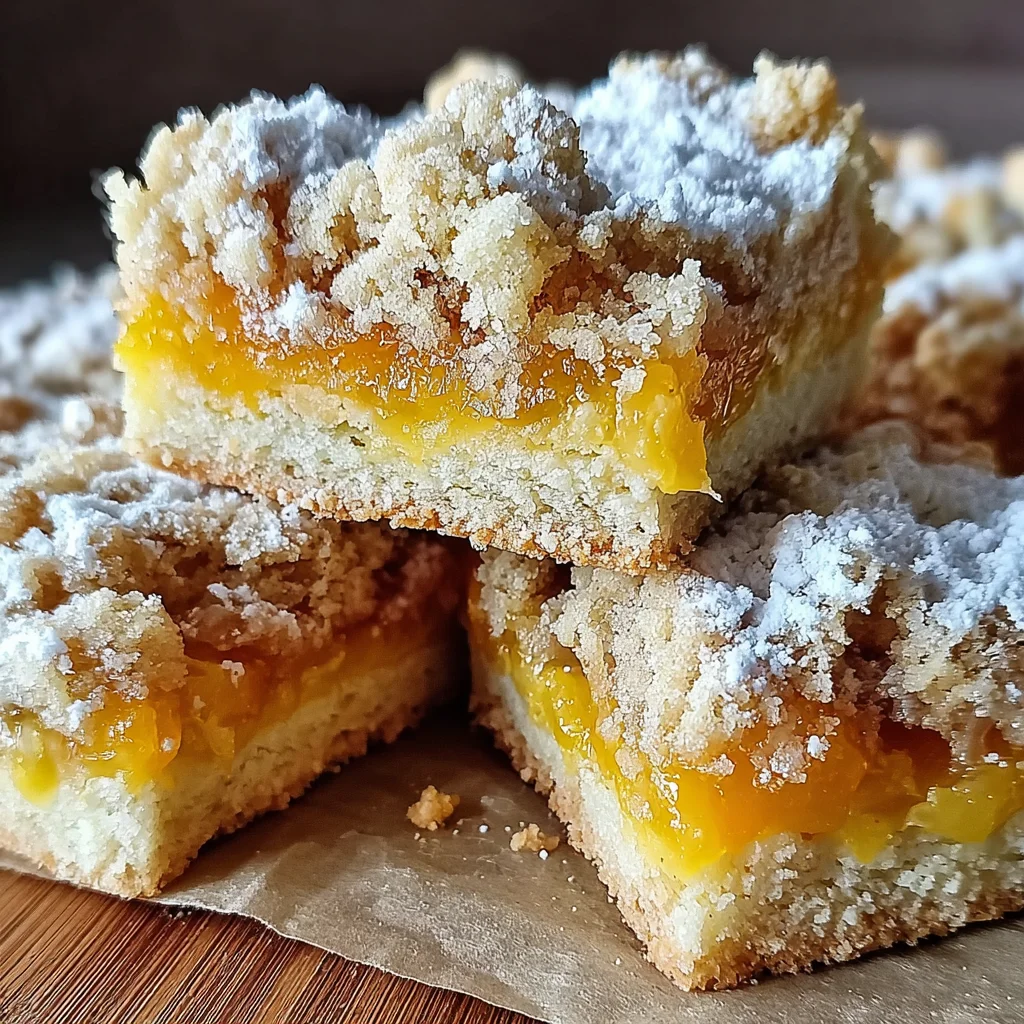
Tools You’ll Need
- 23×33 cm (9×13 inch) baking pan
- Parchment paper
- Large mixing bowl
- Medium saucepan
- Pastry blender, two knives, or your fingertips for cutting butter
- Whisk
- Measuring cups and spoons (or kitchen scale for metric)
- Wire cooling rack
Essential Success Tips
- Ensure your butter is very cold and cut into small cubes before incorporating it into the flour mixture. This prevents the dough from becoming too soft and creates a flaky texture.
- Do not overmix the shortbread dough after adding the egg. Mix just until it comes together to avoid developing too much gluten, which can result in tough bars.
- Allow the apricot filling to cool completely before spreading it over the shortbread base. Hot filling can make the shortbread soggy.
- Press the bottom shortbread layer firmly and evenly into the pan to create a solid foundation for your bars.
- Patience is key for cooling. Let the bars cool entirely on a wire rack before attempting to cut them; otherwise, they may crumble.
Professional Cooking Secrets
- For an extra layer of flavor in the shortbread, lightly toast the flour before mixing. Spread the flour on a baking sheet and bake at 150°C (300°F) for 5-7 minutes until fragrant, then let it cool completely. This deepens the nutty notes of the flour.
- To enhance the apricot filling's complexity, consider adding a tiny pinch of ground cardamom or a splash of apricot liqueur (e.g., Apricot Brandy) along with the lemon juice.
- For perfectly neat bars, chill the completely cooled slab in the refrigerator for about 30 minutes before cutting. Use a large, sharp knife, wiping the blade clean between each cut.
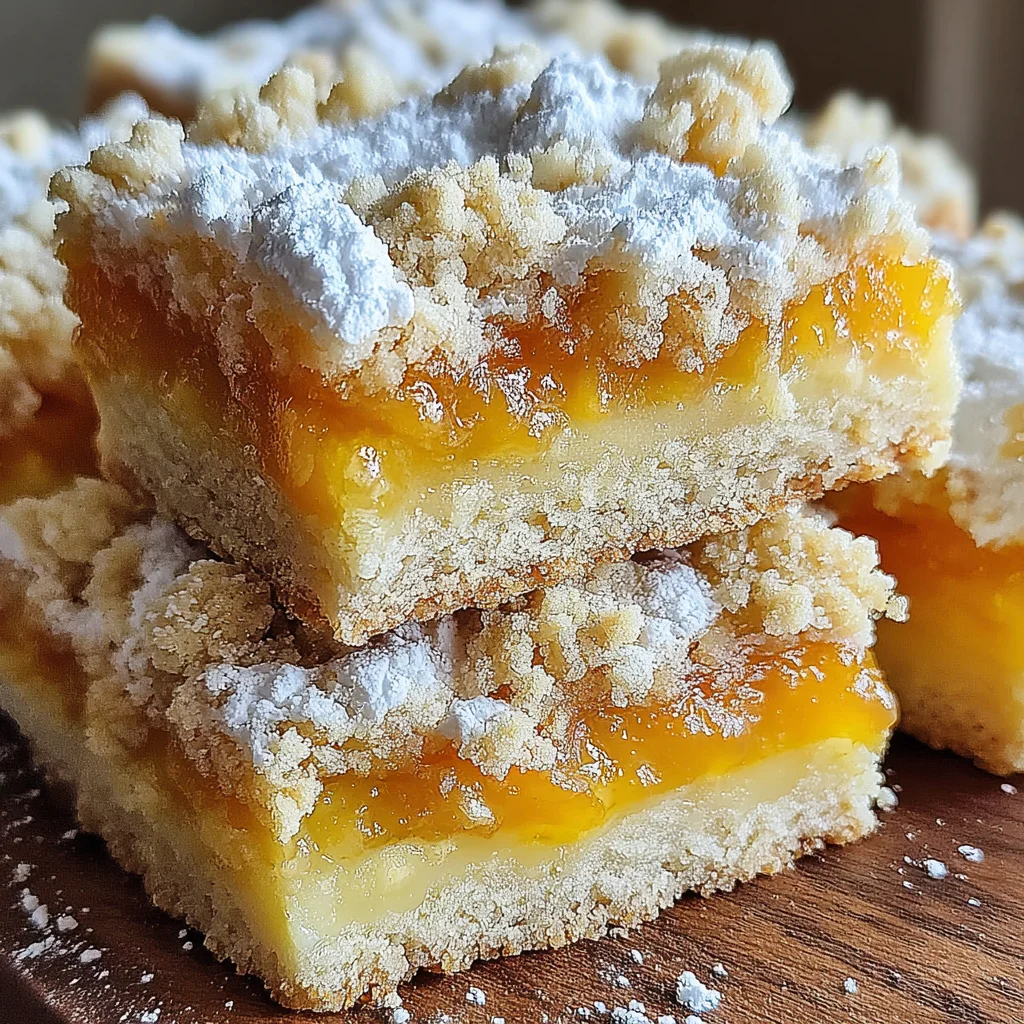
Notes
- Storage: Store Apricot Shortbread Bars in an airtight container at room temperature for up to 3-4 days, or in the refrigerator for up to a week. They also freeze well for up to 2 months.
- Variations: Experiment with other dried fruits like figs, dates, or a mix of berries for the filling. You can also add a hint of almond extract to the shortbread dough for a different flavor profile.
- Sweetness Adjustment: The amount of sugar in the apricot filling can be adjusted to your preference based on the sweetness of your dried apricots and your taste.
Frequently Asked Questions
Can I use fresh apricots instead of dried?
While dried apricots are traditional and provide a concentrated flavor and texture, you can use fresh apricots. You'll need to cook them down significantly with sugar to achieve a similar jam-like consistency, as fresh apricots contain more water.
Why are my shortbread bars crumbling too much when I cut them?
This often happens if the bars are cut before they are completely cooled and set. For best results, allow them to cool fully, and for even cleaner cuts, chill them in the refrigerator for about 30 minutes before slicing with a sharp knife.
Can I make this recipe gluten-free?
Yes, you can substitute the all-purpose flour with a 1:1 gluten-free baking flour blend that contains xanthan gum. Ensure all other ingredients are also gluten-free certified.
Nutrition Facts (Per Serving)
Serving (1 bar): Calories: approximately 350-400, Total Fat: 20-25g, Saturated Fat: 12-15g, Cholesterol: 60-75mg, Sodium: 100-120mg, Total Carbohydrates: 40-50g, Dietary Fiber: 2-3g, Sugars: 25-30g, Protein: 4-5g.
Allergy Information
Contains dairy (butter), wheat (flour), and egg. For a dairy-free version, use a high-quality plant-based butter substitute. For a gluten-free option, use a 1:1 gluten-free flour blend.

No comment